
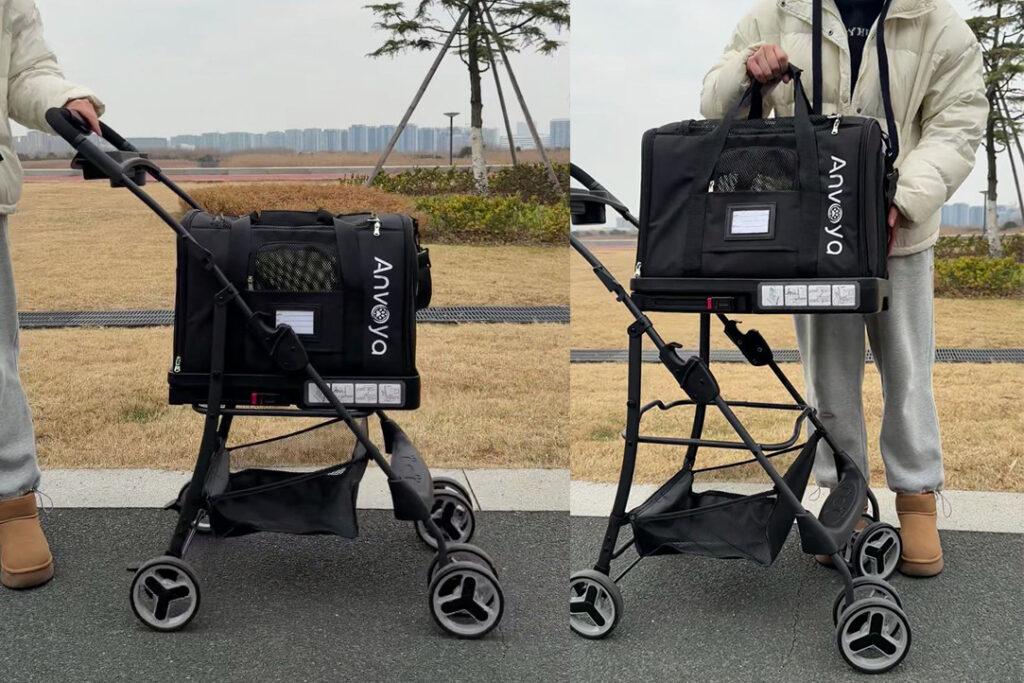
Pet carrier sampling can feel reassuring when the first prototype looks clean, branded, and close to the design file. The problem is that appearance can hide weak stitching, unstable support, awkward pet entry, or production methods that cannot repeat well. A better approval process looks at use, structure, and manufacturability before moving forward.
Pet carrier sampling is the process of reviewing a prototype for appearance, function, structure, usability, and production readiness before approval. Brands need to check load-bearing areas, pet movement, entry points, zipper security, bottom support, hardware quality, and whether the sample can be reproduced consistently in mass production.
A sample is only a snapshot. It shows what the factory can make once, under close attention. The real question is whether the product can work for pets, owners, retail channels, and bulk production at the same time. That is where a more careful review becomes useful.
Why Isn’t Appearance Enough When Evaluating a Pet Carrier Sampling Prototype?
A pet carrier prototype can look polished on a table and still fail in daily use. Nice fabric, clean logo placement, and tidy packaging are important, but they do not reveal how the carrier behaves with weight, motion, pet pressure, or repeated handling.
Appearance review covers only the visible layer of pet carrier sampling. Brands also need to examine stress points, closure security, strap strength, bottom stability, airflow, pet escape risks, and the way soft materials interact with hardware. A beautiful sample may still need revision before approval.
The surface can mislead the approval decision
In many sampling discussions, the first comments naturally focus on what buyers can see in photos:
- Fabric color
- Logo position
- Print sharpness
- Label placement
- Stitching neatness
- Packaging style
- Overall silhouette
These details matter for brand consistency. I have seen procurement teams catch small logo or color issues early, and that saved time later. However, those checks do not tell the full story. A pet carrier is a loaded soft-goods product, not only a fashion bag. It carries a living animal that shifts weight, pushes against openings, scratches mesh, and leans into seams.
A stronger review usually looks below the surface.
Hidden areas that deserve more attention
During pet carrier sampling, I like to slow down around the parts that take force. These areas often decide whether the sample is ready for the next step:
| Area to Check | Why It Matters | Common Prototype Risk |
|---|---|---|
| Shoulder strap attachment | Carries dynamic pet weight | Stitching or rivets may pull under motion |
| Handle roots | Main hand-carry load path | Fabric may wrinkle, stretch, or tear |
| Zipper ends | Escape-prone closure point | Pet may push nose or paw through gaps |
| Buckles and clips | Connect removable straps or panels | Hardware may feel loose or undersized |
| Bottom board | Supports pet posture and comfort | Board may bend or slide during use |
| Mesh panels | Ventilation and visibility | Mesh may collapse, scratch, or deform |
| Side-wall structure | Maintains usable interior space | Carrier may fold inward with pet inside |
A prototype can pass a visual check while still showing weakness in one of these zones. For example, a side opening may look smooth in photos, but when a pet presses against it, the zipper corner may gap. A bottom panel may appear flat when empty, but it may sag when the carrier is lifted.
A sample is a conversation, not a trophy
A first sample rarely needs to be treated as a “perfect or failed” object. It works better as a physical conversation between design, sourcing, engineering, and production. The brand can ask:
- Which parts already match the product brief?
- Which parts look acceptable but need a stress review?
- Which details affect pet containment or user handling?
- Which changes will alter cost, tooling, or production time?
- Which issues must be closed before pre-production?
That mindset keeps the team practical. It also avoids overreacting to small cosmetic issues while missing larger functional risks. In OEM/ODM pet product development, I have noticed that better sampling calls often spend less time admiring the sample and more time handling it, pulling it, opening it, loading it, and asking what could go wrong in ordinary use.
A good-looking prototype is a useful start. It is not, by itself, an approval reason.
How Should a Pet Carrier Sampling Prototype Be Evaluated in Real Travel Scenarios?
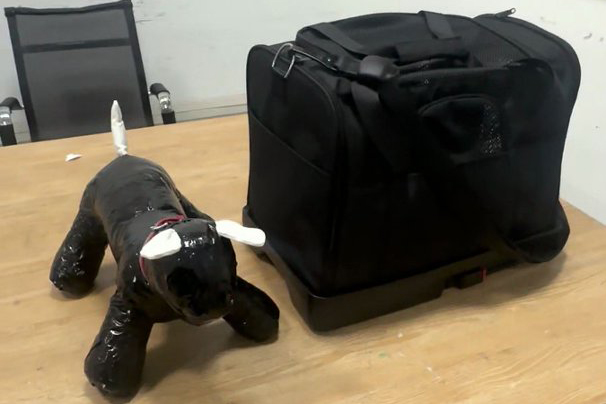
A prototype can behave differently when it is carried, placed in a car, attached to a stroller, or used in a tight airline-style space. If the review happens only on a table, the team may miss conflicts between design intent and real owner behavior.
Pet carrier sampling works best when the sample is tested through practical scenarios: hand carry, shoulder carry, pet entry, pet turning, vehicle placement, stroller docking if relevant, storage, and airline-size constraints. These checks reveal usability problems that drawings and photos usually cannot show.
Real use creates design conflicts
A pet carrier often has to satisfy several different use cases. Each case pushes the design in a slightly different direction.
For example:
- A carrier for hand carry needs strong handles and balanced weight.
- A carrier for shoulder carry needs comfort, stable hang angle, and strap security.
- A carrier for car travel may need controlled placement and suitable fixation concepts.
- A carrier for stroller use needs docking stability and easy removal.
- A carrier for airline-style travel needs compact dimensions and collapsibility.
- A carrier for daily errands needs fast pet entry, quick cleaning, and smooth storage.
One design choice can help one scenario and hurt another. A soft collapsible top may help storage, but it may reduce interior headroom. A wide opening may make pet entry easier, but it may create a weak closure area. A thicker bottom board may improve stability, but it can increase weight and shipping volume.
A practical scenario review sequence
I usually prefer a simple sequence instead of a theoretical checklist. The team can run the sample through a realistic flow:
-
Open the carrier with one hand.
Owners often hold a pet, leash, phone, or car key in the other hand. -
Place a weighted object inside.
Use a weight close to the intended pet size range. The goal is to observe deformation, not to claim lab results. -
Lift by the handles.
Watch the handle roots, side walls, bottom board, and zipper line. -
Carry on the shoulder.
Check whether the bag tilts, collapses into the pet space, or rubs awkwardly. -
Open and close all access points.
Look for snagging, zipper gaps, tight corners, and pet escape-prone edges. -
Place it in the intended travel environment.
That may be a car seat, stroller frame, luggage handle, or airline-size measurement zone. -
Remove the pet or weight.
Check whether panels spring back, bend permanently, or require hand reshaping.
Here is a useful way to compare real-use requirements:
| Travel Scenario | Main Review Focus | Design Tension |
|---|---|---|
| Hand carry | Balance, handle strength, bottom support | Stronger structure may increase weight |
| Shoulder carry | Strap comfort, tilt control, side collapse | Softer materials may deform inward |
| Pet entry | Opening size, zipper movement, panel folding | Larger openings may weaken containment |
| Vehicle placement | Base stability, fixation concept, sliding risk | Compact shape may reduce comfort |
| Stroller docking | Alignment, latch access, removal force | Hardware adds cost and assembly steps |
| Airline-style sizing | Dimensions, compressibility, shape recovery | Compressible design may reduce structure |
These are procurement and product development observations, not certification claims. A brand still needs qualified testing and market-specific compliance review where required. However, scenario handling during pet carrier sampling helps the team catch avoidable problems before more expensive stages.
For modular travel systems, this stage becomes even more important. A carrier that docks onto a stroller or vehicle base has to work as both a soft pet space and a hardware-connected module. Small alignment differences can affect the user experience. A latch may work when the sample is empty but become difficult when the pet’s weight shifts the carrier body. That is the kind of detail worth finding early.
What Structural and Load-Bearing Areas Should Be Checked Before Approval?
A pet carrier prototype carries live, moving weight. That makes structure more important than it may appear at first glance. Weak load paths, undersized hardware, poor reinforcement, or unstable bottom boards can create problems after approval, especially when bulk production begins.
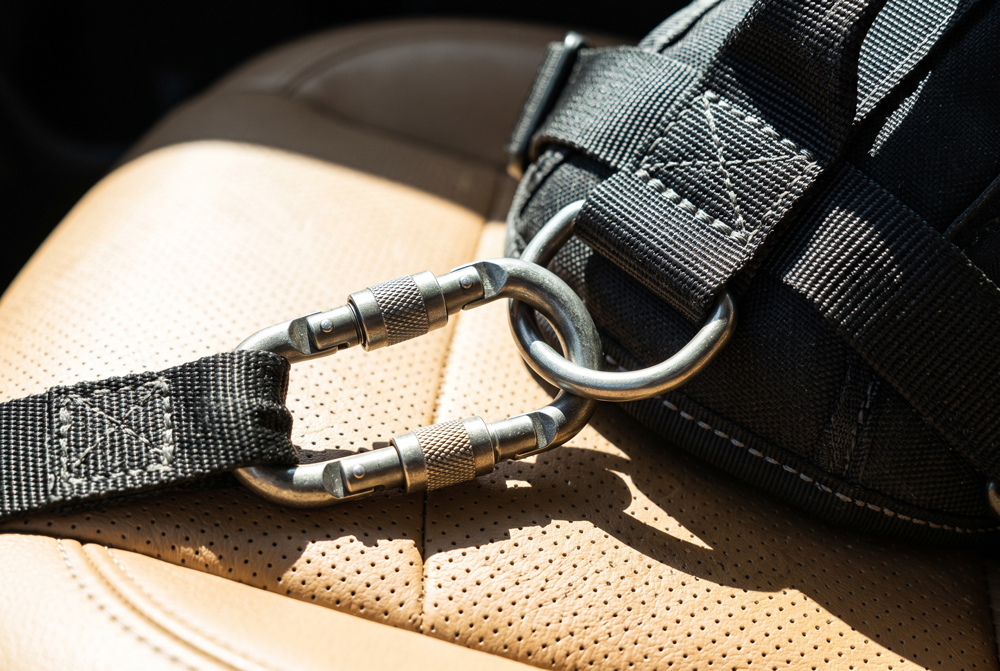
Before approving a sample, brands need to check load-bearing points such as handles, shoulder straps, stitching lines, rivets, buckles, zipper ends, bottom panels, and side-wall supports. The review should focus on how force travels through the carrier when the pet is inside and the owner is moving.
Think in load paths
A carrier is not only a bag with openings. It is a load system. When the user lifts it, the pet’s weight moves through:
Pet → bottom board → side panels → stitching → handle or strap attachment → user’s hand or shoulder
If one link is weak, the whole experience suffers. During pet carrier sampling, the team can trace this force path by hand. Lift the sample slowly. Then lift it again with weight inside. Watch the fabric around every connection point. If the material puckers, stretches, twists, or creaks, that area needs a closer look.
Areas that often need reinforcement
Some structural zones deserve repeated review because they receive both static and dynamic stress.
1. Handle roots
Handle roots usually carry the full weight during short-distance movement. A clean stitch line may not be enough. The review can check:
- Stitch pattern and stitch length
- Reinforcement patch size
- Fabric layer count
- Binding quality around the attachment
- Whether force spreads or concentrates in one small point
2. Shoulder strap anchors
Shoulder straps add swinging motion. That motion can be more demanding than a simple vertical lift. Hardware and anchor points need to feel stable under movement. If the strap angle pulls the side panel inward, the pet’s interior space may shrink.
3. Bottom board and base support
The bottom board affects posture, comfort, and carrier shape. A weak board can sag in the middle, especially with small dogs or heavier cats. A board that is too rigid may make the carrier bulky or uncomfortable to store.
Check these details:
- Board thickness and material
- Removable or fixed design
- Anti-slip surface
- Edge finishing
- Whether the board shifts during lifting
- Whether the side wall separates from the base under load
4. Zipper ends and opening corners
Pets often test openings with paws, noses, and body pressure. Zipper ends and corners can become escape-prone zones. A sample review can look at whether the zipper has a secure stop, whether there is a fabric guard, and whether the corner leaves a small gap after repeated opening.
Simple prototype observations that help
The team does not need complex equipment for early observations. These checks are useful before formal testing:
| Check | What to Observe | Possible Decision |
|---|---|---|
| Weighted lift | Sagging, twisting, handle strain | Add reinforcement or change materials |
| Swing carry | Strap anchor movement | Adjust anchor position or hardware |
| Pet entry simulation | Opening collapse | Add support wire, panel stiffness, or pattern change |
| Corner pressure | Zipper gap or mesh stress | Revise zipper path or add guard |
| Bottom compression | Board bending or sliding | Change board material or fixing method |
These checks do not replace lab testing or professional safety evaluation. They help brands decide whether a prototype is mature enough for the next development stage.
In my sampling notes, I often mark structural issues with photos and arrows, because verbal comments like “make it stronger” are too vague. A better note says: “Increase reinforcement patch at left shoulder anchor by 20 mm and confirm stitch pattern for bulk production.” That level of detail reduces misunderstanding and helps the next sample improve faster.
Is the Pet Carrier Sampling Prototype Design Ready to Be Reproduced in Mass Production?
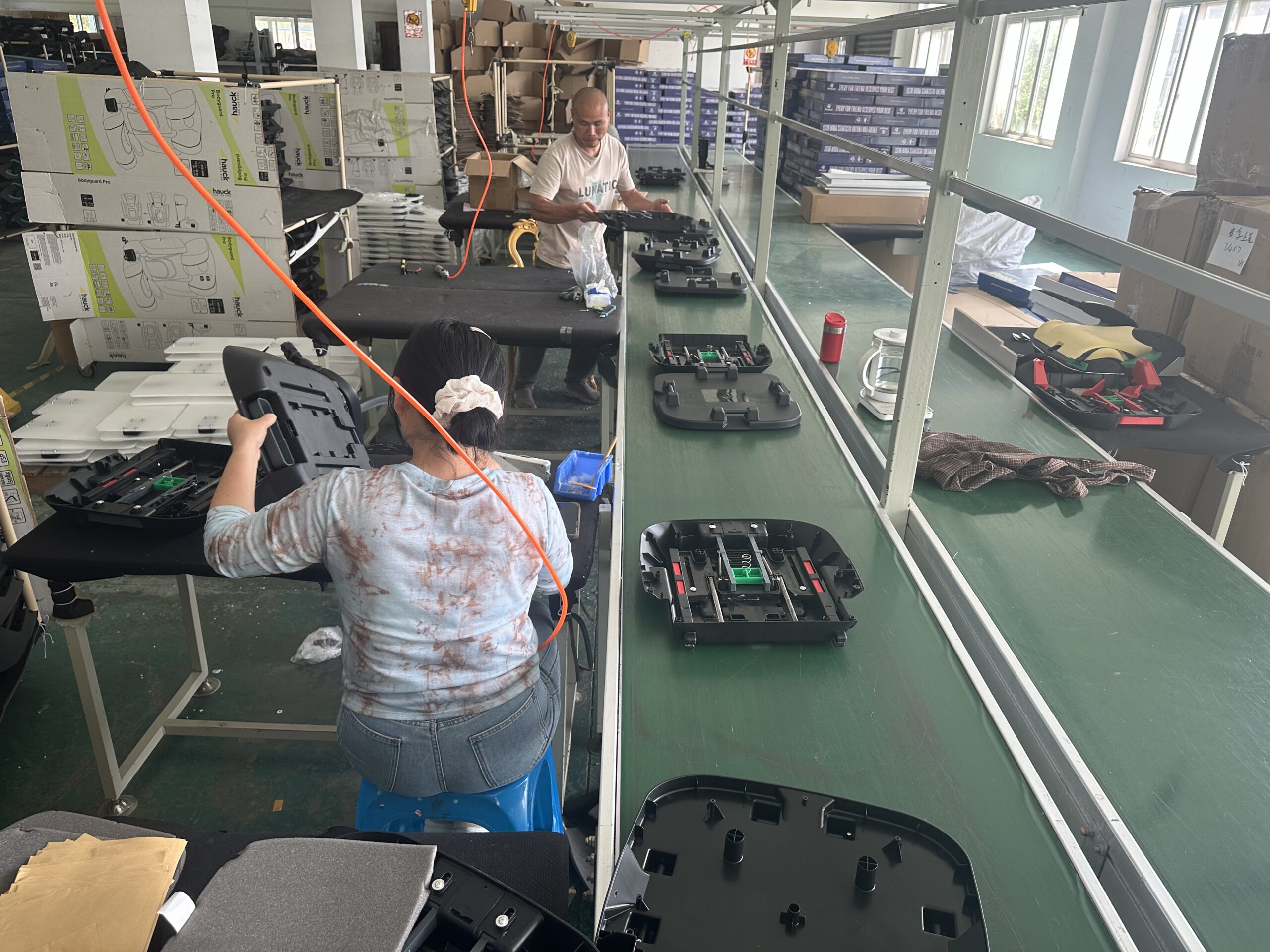
A prototype may work because a skilled sample maker spent extra time adjusting it by hand. Mass production is different. Bulk orders need repeatable materials, stable processes, clear tolerances, and assembly methods that ordinary production teams can follow consistently.
A pet carrier sampling prototype is ready for production review only when the materials, hardware, stitching methods, support parts, patterns, and assembly process match the intended bulk solution. Brands need to confirm that the approved sample is not a one-off version that cannot be reproduced reliably.
A sample can hide handmade shortcuts
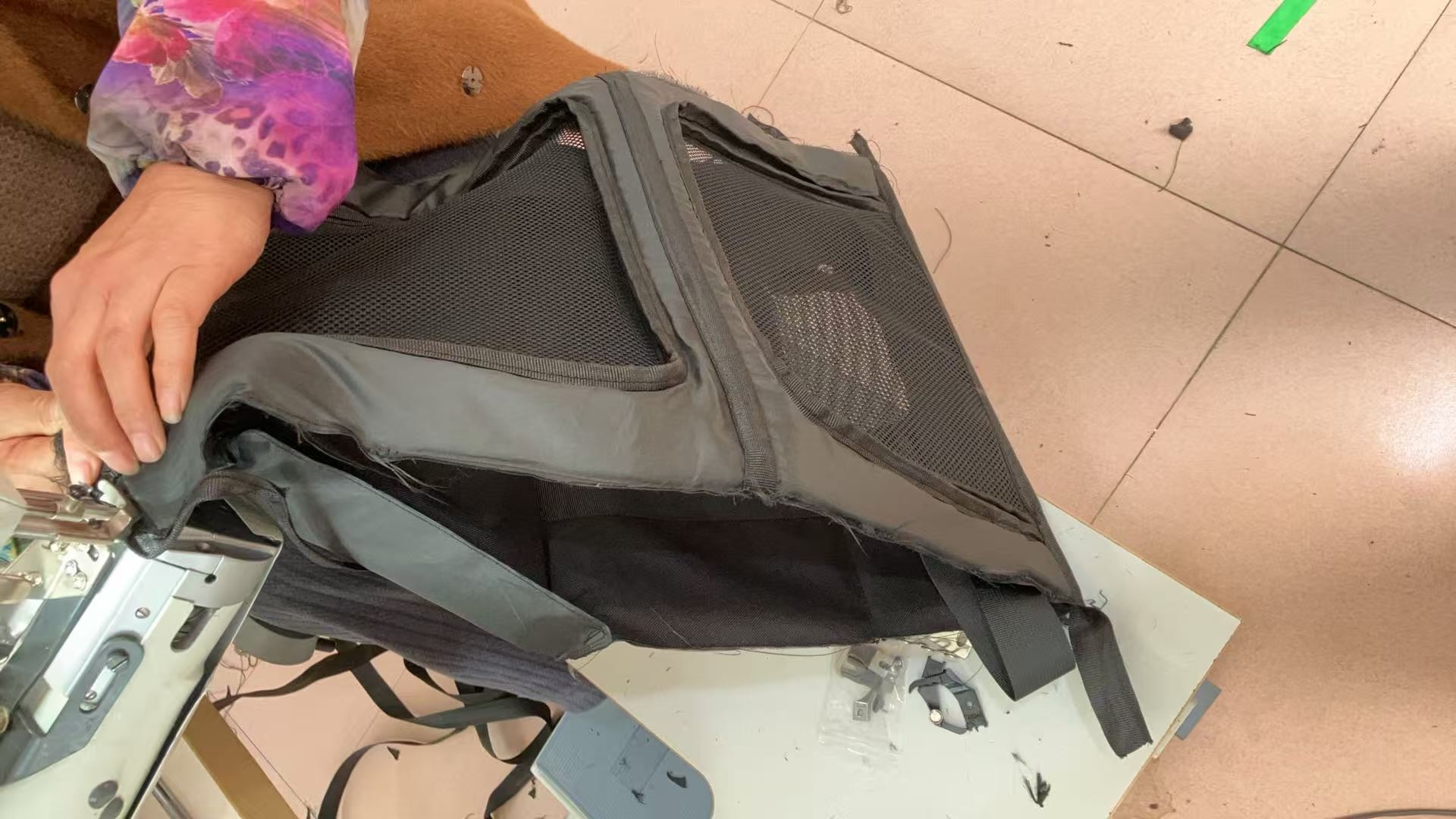
Sampling rooms often solve problems creatively. That is helpful during development, but it can create risk if the team approves a sample without asking how it was made. A worker may add extra glue, hand-trim a panel, manually align a difficult curve, or use substitute hardware because the final part is not ready yet.
Those decisions may be acceptable at the prototype stage. They become risky if everyone forgets to document them.
During pet carrier sampling, I like to ask one basic question:
“Is this sample built with the same solution we plan to use in bulk production?”
If the answer is unclear, approval may be premature.
Production readiness questions for brands
A useful production review covers several areas.
Materials
The brand can confirm whether all materials are final or temporary:
- Outer fabric
- Lining
- Mesh
- Binding tape
- Foam or padding
- Bottom board
- Reinforcement sheets
- Zippers
- Buckles and metal hardware
- Logo patches or labels
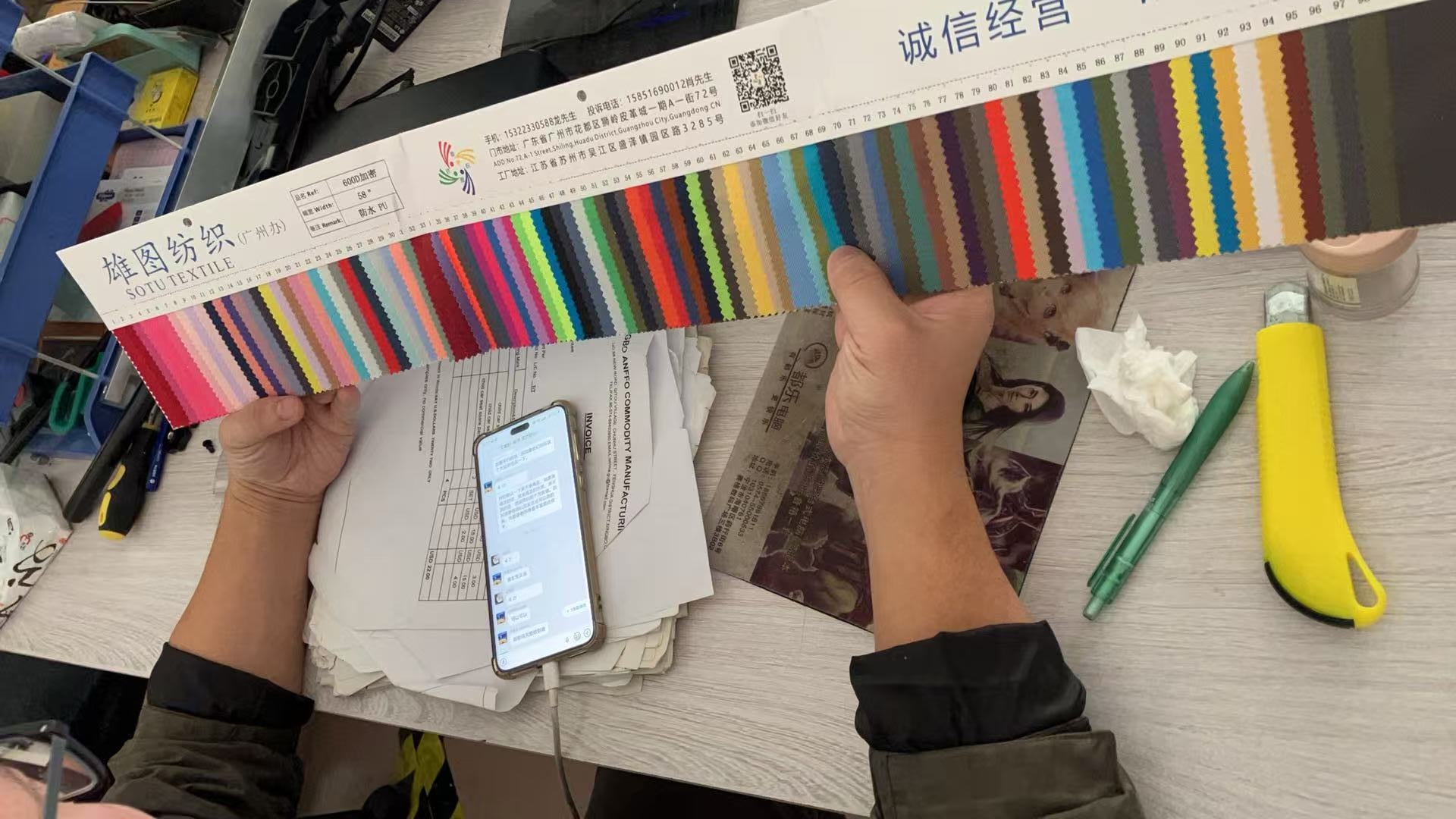
A small material change can affect structure. For example, a mesh with a softer hand feel may reduce scratching risk, but it may also stretch more. A thicker fabric may improve premium feel, but it can make seams bulky and harder to sew cleanly.
Stitching and assembly
Stitching methods need to be practical for mass production. The team can review:
- Seam allowance
- Stitch density
- Bartack placement
- Binding width
- Corner turning difficulty
- Layer thickness at reinforced points
- Whether special jigs or fixtures are needed
A design that looks elegant in a sample may slow the production line if it requires too much manual shaping. That can increase cost, defect rates, or lead time.
Hardware and support parts
For pet carriers with rigid frames, docking parts, or stroller-compatible structures, hardware repeatability becomes critical. Injection-molded parts, riveted plates, support rods, and docking brackets require tighter control than simple fabric panels.
Brands can ask:
- Are the hardware parts final or sample-only?
- Does the assembly need tooling?
- Are hole positions controlled by a template?
- Can workers inspect alignment easily?
- Will the same hardware supplier be used for bulk?
- Are spare parts and replacement parts planned?
Prototype approval versus pre-production sample
Many teams treat the first good-looking prototype as the final reference. A more controlled path separates sample stages:
| Stage | Main Purpose | Approval Meaning |
|---|---|---|
| Concept sample | Validate shape and product direction | Design may still change significantly |
| Functional prototype | Check use scenarios and structure | Major risks need to be identified |
| Revised sample | Confirm improvements | Remaining changes become smaller |
| Pre-production sample | Built with bulk materials and process | Serves as closer production reference |
| Golden sample | Final approved reference | Used for production and QC comparison |
For OEM/ODM projects, this distinction protects both sides. The buyer gets a clearer product. The factory gets fewer moving targets. The production team gets a reference that reflects reality, not a handmade ideal.
Mass production readiness also supports procurement decisions. A lower unit price is not always cheaper if the product needs unstable sewing operations, hard-to-source hardware, or frequent rework. When brands compare suppliers, they can look beyond the sample photos and ask how each factory controls repeatability.
When Should a Pet Carrier Sampling Prototype Be Revised Instead of Approved?
Some prototype issues are easy to correct during production preparation. Others affect structure, usability, or repeatability so much that approval creates downstream risk. The challenge is knowing which problems require another sample and which can be closed by written confirmation.
A pet carrier sampling prototype needs revision when the issue affects load-bearing strength, pet containment, entry usability, structural stability, docking alignment, material performance, or mass-production repeatability. Cosmetic adjustments may be handled by comments, but functional uncertainty usually deserves a revised sample.
Separate minor comments from approval blockers
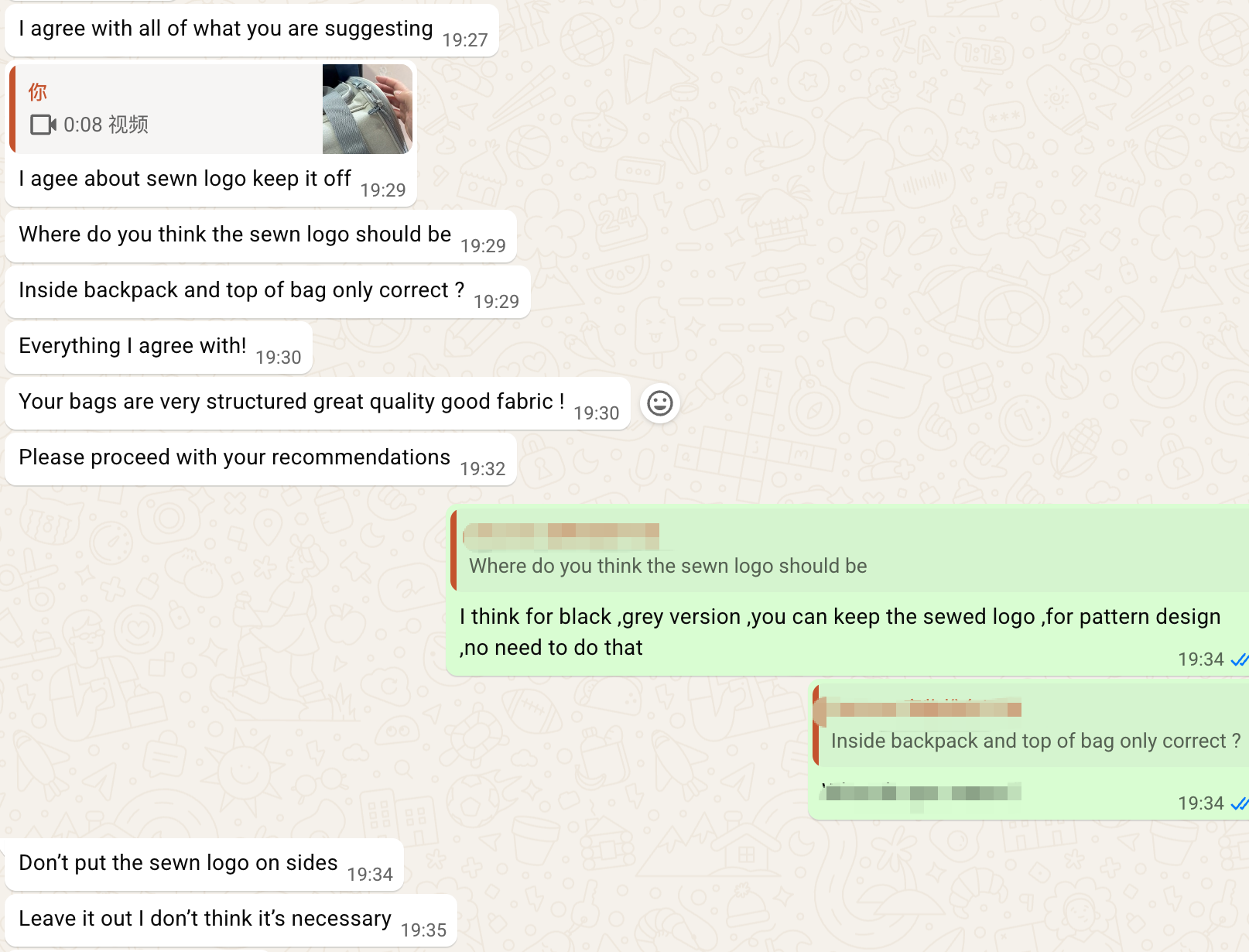
Not every comment requires a new prototype. If a logo needs to move 5 mm, or a label color needs adjustment, written confirmation may be enough. However, when the issue changes how the carrier performs, a revised sample gives the team better evidence.
A practical way to decide is to classify comments into three levels.
| Issue Level | Examples | Suggested Action |
|---|---|---|
| Minor cosmetic | Label position, thread color, packaging text | Confirm by artwork or written note |
| Moderate functional | Zipper runs tight, handle padding feels thin, bottom board shifts slightly | Revise detail and confirm with photos or partial sample |
| Major approval blocker | Strap anchor weakness, opening collapse, pet escape gap, docking misalignment | Make a revised full sample before approval |
This classification keeps the process fair. It also avoids endless resampling for small details.
Situations that usually justify revision
1. The pet space changes under weight
If the carrier collapses inward when loaded, the interior space shown in product photos may not match real use. Side-wall support, bottom board design, or panel pattern may need revision.
2. The opening is difficult or risky
Pet entry matters more than many teams expect. If the opening folds shut, the zipper snags, or the pet can push through a corner, the sample is not ready for approval.
3. The carrying angle feels unstable
A carrier that tilts heavily forward or sideways can feel uncomfortable and may alarm the pet. Strap length, anchor position, handle placement, and weight distribution may need adjustment.
4. Hardware does not align consistently
For detachable carrier systems, stroller connections, or vehicle-related positioning features, alignment issues can become expensive later. A revised prototype helps confirm whether the problem is design, assembly, or tolerance control.
5. The sample uses temporary materials
If important materials are temporary, the team cannot fully judge the final product. A revised sample using intended bulk materials is often worth the extra time.
How to give revision feedback clearly
Vague feedback slows the next sample. Clear feedback links the issue, location, expected change, and reason.
Less helpful:
- “Make it stronger.”
- “Improve the zipper.”
- “The shape is not good.”
- “Please fix the structure.”
More helpful:
- “Add reinforcement at both shoulder strap anchors. Current fabric pulls upward when loaded.”
- “Reduce zipper corner gap at front opening. Pet paw may push through this area.”
- “Increase bottom board stiffness or add anti-slip fixing. Board shifts during shoulder carry.”
- “Confirm final mesh before approval. Current mesh is softer than the approved material swatch.”
I often recommend marking photos directly. A phone photo with an arrow and a short note can prevent long email chains. For international OEM/ODM communication, visual comments reduce translation risk and keep design, sampling, and purchasing teams aligned.
The point of revision is not perfection for its own sake. The purpose is to close meaningful uncertainty before money, tooling, materials, and production capacity are committed.
Frequently Asked Questions
What is pet carrier sampling in OEM/ODM manufacturing?
Pet carrier sampling is the prototype review stage before bulk production. Brands use it to evaluate appearance, structure, materials, hardware, usability, and production feasibility. It helps buyers and manufacturers identify problems early, revise the design, and decide whether the product is ready for pre-production or further development.
Is a good-looking pet carrier sample enough for approval?
A good-looking sample is not enough by itself. Brands also need to check load-bearing areas, zipper security, pet entry, bottom support, side-wall stability, strap attachments, and production repeatability. Cosmetic approval and functional approval are related, but they are not the same decision.
Can prototype checks prove pet carrier safety compliance?
Prototype checks can reveal practical design and manufacturing risks, but they do not prove safety certification or regulatory compliance. Brands need qualified testing, documentation review, and market-specific professional evaluation when compliance claims, safety performance, or legal requirements are involved.
How many samples are usually needed before mass production?
The number varies by product complexity. A simple soft carrier may need fewer rounds, while a modular carrier with docking hardware, stroller compatibility, or vehicle-related features may need several revisions. Many projects move from concept sample to functional sample, revised sample, pre-production sample, and final approved reference.
What should brands send to the factory after reviewing a prototype?
Brands can send marked photos, written comments, priority levels, material confirmations, measurement notes, and clear approval or revision decisions. The best feedback explains the issue, exact location, expected change, and reason. This helps the factory improve the next sample with fewer misunderstandings.
After you finally sign off on the perfect prototype, the next major challenge for any OEM project is ensuring the factory can [maintain sample-to-production consistency during mass manufacturing].
Conclusion
Pet carrier sampling is most useful when brands look beyond color, logo, and first impressions. A strong prototype review covers real travel scenarios, load-bearing points, pet containment, structural stability, material choices, and mass-production repeatability. The goal is not to criticize the first sample. The goal is to close the right risks before approval. If your team is developing a pet carrier, modular travel product, or OEM/ODM pet mobility line, Anvoya can support prototype review, engineering feedback, and production-ready development discussions.