
Sample-to-production consistency becomes difficult when an approved pet carrier sample moves from a controlled development bench into real factory production. A small difference in fabric, mesh tension, zipper alignment, or board thickness can quickly become a buyer complaint. The practical solution is to convert the approved sample into controlled, measurable production standards.
Pet brands maintain sample-to-production consistency by combining an approved sample with documented materials, components, dimensions, tolerances, workmanship standards, assembly methods, packaging rules, and QC checkpoints. The goal is repeatable mass production within agreed limits, not perfect mathematical duplication of a handmade prototype.
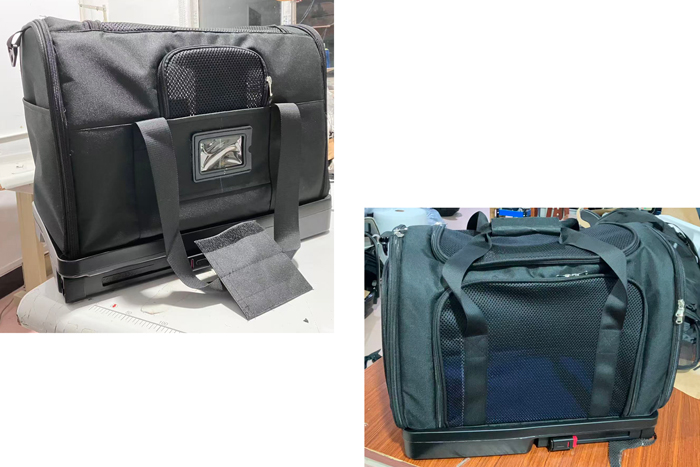
Once a sample is approved, the work changes. The question is no longer “Do we like this design?” It becomes “Can this product be repeated by purchasing, cutting, sewing, assembly, QC, and packing teams without drifting away from the approved version?”
Why Do Mass-Produced Pet Carriers Sometimes Differ From Approved Samples?
A pet carrier sample can look excellent in a meeting room, then feel slightly different when bulk production arrives. That gap creates pressure for brand teams, especially when sales already promised a launch date. In OEM/ODM production, I usually start by separating normal production variation from uncontrolled deviation.
Mass-produced pet carriers differ from approved samples because prototypes are often made in small quantities with more manual adjustment, while bulk production involves material batches, operators, machines, suppliers, sewing tolerances, and repeated assembly processes. Some variation is normal, but differences outside agreed specifications require investigation and correction.
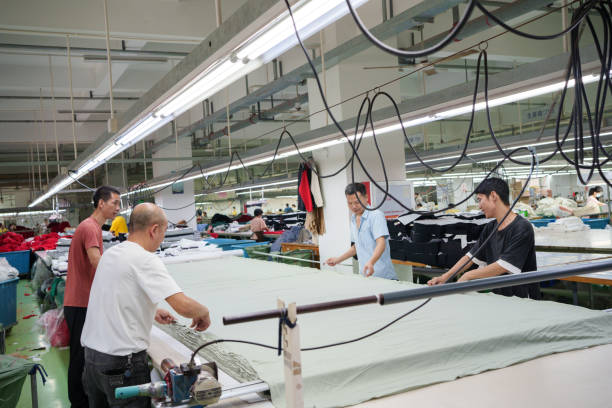
A sample is usually made under different conditions
An approved sample often passes through the hands of the most experienced sample-room technicians. They may adjust a seam by eye, reposition a panel, hand-trim a board, or spend extra time shaping the final carrier. That level of attention is useful during development, but it does not fully represent mass production.
Bulk production has a different rhythm:
- Material is cut in batches.
- Sewing work is divided across operators.
- Hardware and soft goods are assembled in repeated steps.
- Inspection teams check according to agreed standards.
- Packing teams follow packaging instructions and carton plans.
Because of that, a pet carrier that looked sharp as a sample may show small production differences in the first shipment.
Common areas where differences appear
In pet carrier manufacturing, I often see sample-to-bulk differences in areas that combine soft goods, support structure, and hardware. These areas are sensitive because small inputs can change the final look or function.
| Area | Possible difference | Why it matters |
|---|---|---|
| Fabric | Color shade, hand feel, backing stiffness | Affects appearance, shape, and perceived quality |
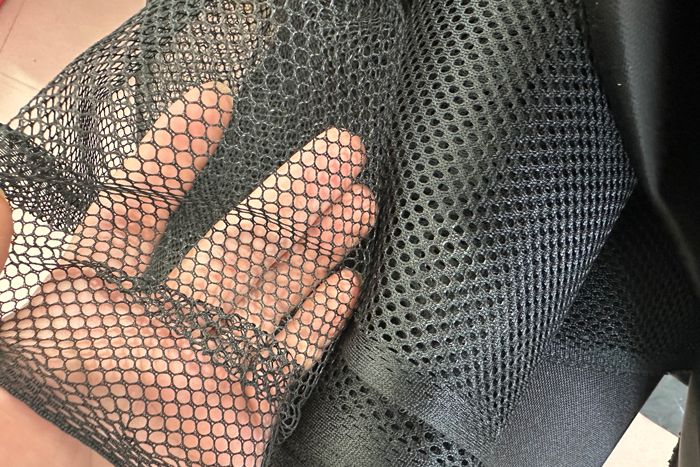
| Mesh | Tension, transparency, stiffness | Affects ventilation feel and panel appearance |
| Zipper | Smoothness, tape color, puller style | Affects user experience and visual consistency |
| Webbing | Width, thickness, texture | Affects handle feel and strap alignment |
| Support board | Thickness, edge finish, fit | Affects bottom stability and carrier shape |
| Foam | Density, rebound, thickness | Affects padding, structure, and comfort impression |
| Sewing | Stitch density, seam straightness, seam allowance | Affects workmanship and durability perception |
| Hardware | Buckle position, rivet placement, connector finish | Affects assembly and customer trust |
Variation is not always a defect
A useful manufacturing conversation does not treat every visible difference as a failure. Soft-goods products have natural variation. Fabric rolls can have slight shade differences within controlled limits. Sewing may vary slightly between operators. A carrier side panel may not measure exactly the same as a handmade sample after folding, sewing, and packing.
The problem starts when no one has defined the acceptable range.
For example:
- A slight fabric shade difference may be acceptable if it matches the approved color standard range.
- A zipper puller from an approved alternative supplier may be acceptable if the specification was pre-approved.
- A bottom board that is too small and shifts during use is probably not acceptable.
- A mesh panel that becomes visibly loose may fail the brand’s workmanship expectation.
In my experience, sample-to-production consistency improves when both sides discuss these limits before the first bulk order begins. The approved sample is useful, but it cannot answer every production question alone. A production team needs documents, reference materials, component lists, measurements, and clear decision rules.
The approved sample shows the target. The production standard explains how close bulk production must stay to that target.
Which Materials, Components, and Specifications Should Be Locked Before Production ?
A pet carrier may look simple from the outside, but many parts influence its final shape and feel. If a material changes quietly, the finished goods can shift before anyone notices. For sample-to-production consistency, I pay close attention to the parts that create visible, structural, or functional differences.
Brands and manufacturers need to lock materials, components, and specifications that affect appearance, structure, handling, assembly, and packaging. These usually include fabric, mesh, webbing, zippers, buckles, foam, support boards, hardware, labels, dimensions, stitching details, component positions, color references, and approved alternatives.
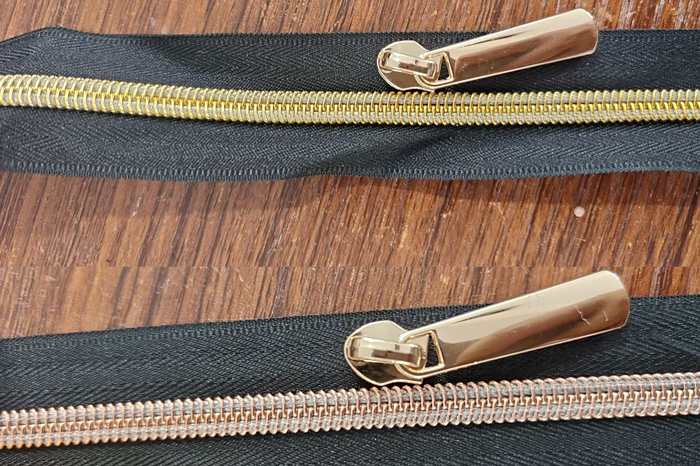
Materials that influence the finished carrier
A pet carrier is a soft-goods product, but it often depends on hidden structure. The outer fabric, lining, mesh, foam, and support boards all work together. If one part changes, the carrier may still pass a quick visual check, yet feel different in the customer’s hands.
Important material controls may include:
-
Outer fabric
- Material type
- Weight or thickness
- Surface texture
- Backing or coating
- Color reference
-
Lining material
- Fiber content or construction
- Hand feel
- Color
- Abrasion expectations, if specified
-
Mesh
- Mesh structure
- Hole size or visual density
- Stiffness
- Elasticity
- Color
-
Foam and padding
- Thickness
- Density or firmness range, if defined
- Lamination method
- Placement
-
Support boards
- Material
- Thickness
- Edge treatment
- Size
- Fit inside the carrier base
Components that can create unexpected differences
Components often cause bulk variation because they come from external suppliers. A zipper factory, buckle supplier, or webbing supplier may adjust inventory or production without fully understanding the brand’s visual standard. That is why component control matters before mass production starts.
| Component | What to define | Possible risk if uncontrolled |
|---|---|---|
| Zippers | Size, tape color, teeth type, puller style, slider quality | Rough operation, color mismatch, different appearance |
| Buckles | Size, material, finish, release force expectation if specified | Poor hand feel or inconsistent assembly |
| Webbing | Width, thickness, weave, color | Strap twist, handle feel, visual mismatch |
| Metal hardware | Finish, coating, dimensions, corrosion expectations if specified | Color variation, fitting problems |
| Rivets/screws | Size, finish, placement | Weak assembly or uneven appearance |
| Labels | Material, position, print color | Branding inconsistency |
| Packaging | Polybag, insert card, carton, barcode placement | Retail or warehouse problems |
Fixed parts, approved alternatives, and change approval
Not every part has to be locked to only one supplier forever. That can be unrealistic, especially when material markets change. However, the production file needs to distinguish between three categories:
- Fixed components: No substitution without brand approval.
- Approved alternatives: Pre-qualified options that match the agreed standard.
- Flexible items: Non-critical items where the manufacturer can use an equivalent, if documented.
For example, a hidden inner reinforcement may allow an equivalent material if it matches thickness, stiffness, and assembly performance. A visible zipper puller on a premium carrier may require strict approval because it affects brand perception.
Specifications make the approved sample repeatable
A physical sample can be touched and compared, but it does not explain every detail. It does not always tell the cutting team the tolerance for a base panel. It does not tell purchasing whether a similar mesh is acceptable. It does not tell QC how to judge a slightly tilted label.
A more complete production standard may include:
- Bill of materials, or component list
- Material swatches or color references
- Technical drawings or measurement sheets
- Sewing and workmanship requirements
- Hardware position requirements
- Assembly sequence notes
- Packaging instructions
- Approved sample photos
- Revision history
For OEM/ODM pet carrier projects, I prefer to resolve these points before the purchase order enters production planning. Once fabric is cut and components are assembled, correction becomes slower and more expensive. Early control protects both the brand and the factory from avoidable disputes.
How Should Brands and Manufacturers Manage Approved Samples and Production Standards?
An approved sample can become a source of confusion when several prototype rounds exist. One team may look at version three. Another team may use a later sample with a different zipper or board. Sample-to-production consistency becomes fragile when the reference version is unclear.
Brands and manufacturers manage approved samples by assigning a clear reference version, pairing it with written production standards, and controlling updates. The approved sample, BOM, color standard, measurement sheet, workmanship rules, packaging instructions, and revision history all need to describe the same product.
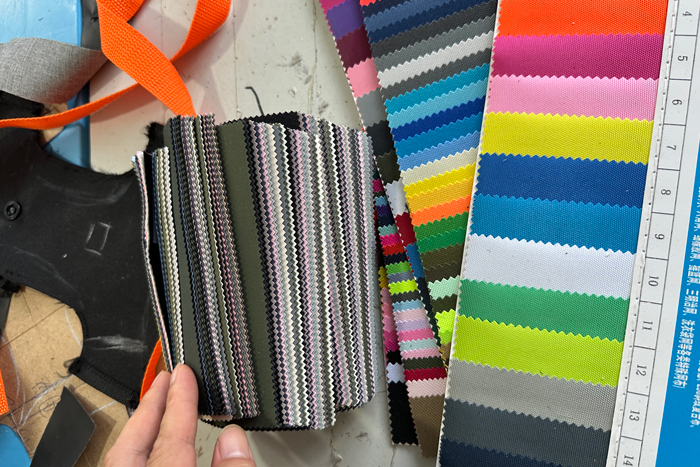
One approved sample is not the whole standard
Many buyers talk about a “golden sample.” I understand why. It gives everyone a visible target. However, a golden sample alone cannot carry all production requirements. A factory team may need to reproduce thousands of units through purchasing, cutting, sewing, assembly, inspection, and packing. Each team needs information that the sample cannot fully communicate.
A better approach is to treat the approved sample as one part of a controlled production package.
That package may include:
- Approved physical sample
- Material and component list
- Color standards or approved swatches
- Measurement specification
- Workmanship criteria
- Assembly instructions
- Label and branding placement
- Packaging standard
- Reference photos
- Revision log
Version control prevents production mistakes
Pet carrier projects often go through many changes before approval. A brand may adjust the handle length. The manufacturer may improve the bottom board fit. The buyer may request a new mesh color. The product manager may change the logo position after a retail review.
Those changes are normal. The risk appears when old and new information remain in circulation.
Here is a simple version-control example:
| Item | Risk without control | Better practice |
|---|---|---|
| Sample | Factory keeps an old sample in production office | Mark approved version clearly |
| BOM | Purchasing uses outdated zipper specification | Update BOM with revision date |
| Drawing | QC checks old label position | Cancel old drawing or mark obsolete |
| Photos | Sales team shares earlier prototype images | Maintain final reference photo set |
| Packaging file | Carton label differs from approved artwork | Confirm print-ready version before production |
In practice, I like to see the approved sample and documents carry the same revision name or date. It does not need to be complicated. It just needs to be clear enough that a production supervisor, QC inspector, and buyer can all answer the same question: “Which version are we making?”
Physical reference samples need protection
Approved samples can degrade. Fabric can fade under sunlight. A soft carrier can deform if stored badly. A zipper may loosen after repeated handling. A sample may also be borrowed by different departments and returned with missing tags or damaged parts.
For that reason, reference samples need basic management:
- Keep the approved sample in a controlled location.
- Label it with project name, version, date, and approval status.
- Avoid using the only approved sample for destructive checks.
- Keep duplicate references if both brand and factory need daily access.
- Photograph important details in case the sample is damaged.
- Record approved changes instead of relying on verbal memory.
Production standards need practical language
A production standard that no one can use on the factory floor has limited value. It may look formal, but it may not control production. I prefer specifications that combine numbers, photos, and simple descriptions.
For example:
- “Logo label centered on front pocket opening” is better than no instruction.
- A photo with measurement points is better than a vague note.
- “Mesh panel must be flat without visible sagging after assembly” helps workmanship control.
- A measurement sheet with agreed tolerance is more useful than “same as sample.”
That said, tolerance values must come from the product and the brand’s requirement. A small soft carrier, a rigid-base carrier, and a modular carrier/stroller basket do not all behave the same way. Qualified product, manufacturing, or quality teams need to define what is reasonable for the specific construction.
When the approved sample and the production standards work together, sample-to-production consistency becomes easier to manage. The factory has a target. The brand has a basis for inspection. Both sides have fewer arguments based on memory or personal opinion.
What Quality Control Checks Help Maintain Consistency During Mass Production?
Final inspection matters, but it arrives late. If the first real consistency check happens after all goods are packed, the brand and manufacturer have fewer options. In pet carrier production, I prefer quality control checkpoints that catch material, sewing, assembly, and appearance problems at different stages.
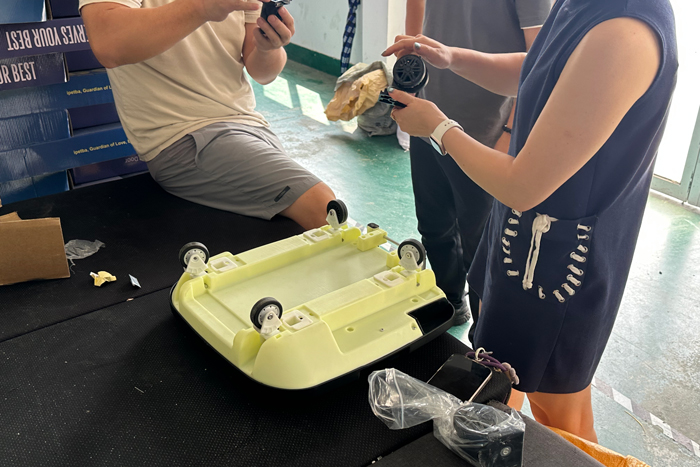
Quality control checks that help maintain consistency include incoming material inspection, component verification, first production unit review, in-process inspection, finished goods inspection, and packaging checks. Each checkpoint compares production output against the approved sample and documented standards, so problems are found before they spread across the order.
A practical QC sequence for pet carrier production
The exact QC plan depends on the product, order size, buyer requirements, and factory process. Still, many pet carrier projects benefit from a staged approach.
| QC stage | Main purpose | Typical focus |
|---|---|---|
| Incoming material/component check | Catch wrong materials before cutting | Fabric, mesh, zippers, webbing, buckles, boards, labels |
| First production unit review | Confirm production interpretation | Dimensions, sewing, component placement, shape, assembly |
| In-process inspection | Prevent repeated defects | Stitching, alignment, workmanship, structure |
| Final inspection | Verify finished goods | Appearance, function, measurements, packaging |
| Packing check | Reduce shipment and retail issues | Carton marks, barcodes, inserts, polybags, quantity |
Incoming checks protect the order early
Incoming inspection is one of the most useful stages because it happens before the product is built. If the fabric color is wrong after cutting, the problem becomes expensive. If the mesh stiffness differs after sewing, the panels may already be installed. If a buckle supplier changed the finish, the issue may affect every unit.
Incoming checks may compare:
- Fabric rolls to approved swatches
- Mesh to approved material reference
- Zippers to approved size, color, and puller style
- Webbing to agreed width and texture
- Support boards to approved thickness and size
- Hardware to finish and fit expectations
- Printed labels and packaging to approved artwork
This stage does not replace lab testing or buyer-specific compliance checks. It is a production-control step. If a brand requires regulatory, chemical, or performance testing, qualified laboratories or professional evaluators need to handle those requirements according to the market and product category.
First production units reveal interpretation gaps
The first few production units are important because they show how the factory has translated the sample and documents into real production. I pay close attention to them because they often reveal small misunderstandings.
For example:
- The sewing team may place a webbing loop slightly differently.
- The assembly team may install the support board in a way that changes the bottom shape.
- A folded seam may create more bulk than expected.
- The carrier may look different after standard packing compression.
- A zipper curve may need process adjustment to run smoothly.
A first production unit review can involve the brand, the factory production team, QC, and sometimes engineering or product development staff. The goal is not to redesign the carrier. The goal is to confirm that the approved design is being reproduced correctly.
In-process inspection keeps problems from spreading
In-process inspection is especially useful for soft-goods production because defects can repeat quickly. If an operator misunderstands a seam allowance, hundreds of panels may be sewn before final inspection. If the reinforcement position is wrong, the issue may be hidden until assembly.
In-process checks may cover:
- Stitching straightness and skipped stitches
- Seam allowance and seam strength expectations, if specified
- Panel alignment
- Mesh tension
- Zipper installation
- Handle and strap position
- Hardware placement
- Bottom board fit
- Carrier shape after assembly
- Cleanliness and loose threads
This is where practical experience matters. Some differences are cosmetic. Some create assembly difficulty. Some affect the final user experience. The inspection team needs the approved sample and written standards nearby, not stored in another office.
Final inspection verifies, but it should not discover everything
Final inspection compares finished goods against agreed standards. It can identify visible defects, measurement issues, function problems, packing mistakes, and general workmanship concerns. However, final inspection is a poor time to discover that the fabric batch was wrong or that every support board was cut to the wrong size.
A useful final inspection may include checks for:
- Overall appearance against reference sample
- Main dimensions according to specification
- Zipper operation
- Buckle and hardware installation
- Stitching and loose threads
- Carrier shape and symmetry
- Bottom stability and board fit
- Label position
- Cleanliness
- Packaging, barcode, and carton information
Inspection levels, sampling plans, acceptance criteria, and test methods vary by buyer and product. I avoid giving universal numbers because they can create false confidence. Brands and manufacturers need to agree on the inspection approach before production, and outside inspection agencies may be used when the buyer requires an independent review.
How Can Brands Prevent Production Deviations and Handle Quality Issues?
Production rarely moves in a perfectly straight line. A material may become unavailable. A supplier may change a component. A sewing process may need adjustment. The real risk is not that a problem appears. The risk is that teams make small undocumented changes until the finished product no longer matches the approved standard.
Brands prevent production deviations by using change control, clear communication, deviation records, corrective actions, and updated references when changes are approved. When a quality issue appears, the manufacturer and brand need to identify the cause, evaluate the impact, agree on action, and prevent recurrence.
Change control keeps small changes from accumulating
A change-control process does not need to be heavy or bureaucratic. It needs to make sure that meaningful changes are visible before they affect bulk production.
Typical change triggers include:
- A fabric supplier cannot deliver the approved material.
- A zipper color has a slight shade difference.
- A buckle mold or finish changes.
- A support board material becomes unavailable.
- A sewing method needs adjustment for efficiency.
- A packaging supplier changes carton material.
- Production finds that an assembly step causes repeated defects.
When something like this happens, the factory needs to pause the assumption that “similar is fine.” The brand may approve the change, reject it, or request a revised sample. The important part is that the decision is recorded and reflected in the production reference.
A simple deviation-handling flow
For many OEM/ODM projects, a practical deviation flow can look like this:
-
Identify the deviation
- What changed?
- Where was it found?
- Which batch, component, or process is affected?
-
Separate affected goods
- Stop mixing suspected goods with normal production.
- Mark affected materials or units clearly.
-
Evaluate the impact
- Does the issue affect appearance?
- Does it affect assembly?
- Does it affect function?
- Does it affect packaging or retail presentation?
- Does it affect buyer-specific requirements?
-
Communicate with the right people
- Production team
- QC team
- Merchandising or project manager
- Buyer or brand representative, if approval is needed
-
Agree on action
- Use as is, if acceptable
- Rework
- Replace component
- Reproduce affected units
- Approve a controlled change
- Hold shipment for further review
-
Update records
- QC report
- BOM or specification
- Reference sample, if applicable
- Revision log
- Corrective action record
Quality issues need root-cause thinking
When a bulk product differs from the approved sample, it is tempting to debate the visible symptom only. That often wastes time. A better approach is to trace the issue back to its source.
For example:
| Visible issue | Possible cause | Better investigation question |
|---|---|---|
| Carrier looks softer than sample | Foam density changed, fabric backing changed, board thinner | Which material batch differs from the approved reference? |
| Mesh panel looks loose | Sewing tension, mesh elasticity, panel size | Did the mesh or sewing process change? |
| Zipper curve is uneven | Sewing method, zipper tape stiffness, panel pattern | Is the process repeatable across operators? |
| Bottom board shifts | Board size, sleeve construction, tolerance stack-up | Which dimension controls the fit? |
| Logo label position varies | No placement guide, operator judgment | Is there a clear positioning mark or measurement? |
Root-cause thinking matters because rework alone may not prevent recurrence. If a label is crooked because the operator had no placement guide, telling the operator to “be careful” is weak control. A simple fixture, marking method, or measurement instruction may work better.
Communication style affects production outcomes
Production communication can be surprisingly practical. Long email chains sometimes fail because they do not show the exact issue. I find that clear photos, marked measurement points, short videos, and side-by-side comparisons save time.
A good production issue report often includes:
- Photo of approved sample
- Photo of bulk unit
- Marked difference
- Quantity affected
- Batch or production date
- Component supplier, if relevant
- Proposed action
- Buyer decision, if needed
Brands can help by giving fast and specific feedback. “Please make it better” is hard to execute. “The front logo label must follow the approved position; current bulk units are visibly low compared with the reference photo; please check remaining production and propose correction” is much easier to act on.
Approved changes must become the new standard
Sometimes a production change is acceptable. A brand may approve a new zipper supplier because the quality is equal or better. A support board may be adjusted slightly to improve fit. A packing method may change to reduce deformation in shipping.
Once approved, that change cannot stay only in an email thread. It needs to enter the production standard:
- Update the BOM.
- Mark the new component reference.
- Revise drawings or measurement sheets.
- Replace or relabel the reference sample.
- Inform QC and production supervisors.
- Keep the old version from being used by mistake.
That is how sample-to-production consistency remains controlled over multiple orders, not only during the first shipment. Repeat orders can drift if the factory and brand rely on memory. A controlled reference system keeps the product aligned as staff, suppliers, and production batches change.
Frequently Asked Questions
Is a golden sample enough to ensure bulk production consistency?
No. A golden sample is an important visual and physical reference, but it cannot replace documented specifications. Brands also need material standards, component details, measurements, tolerances, workmanship requirements, packaging instructions, and QC criteria. The sample shows the target, while documentation helps the factory repeat it.
How much variation is normal in pet carrier mass production?
Normal variation depends on the product structure, materials, workmanship requirements, and agreed tolerances. Soft-goods pet carriers may show minor differences in fabric feel, sewing, or shape. The important point is whether the variation stays within the approved production standard and does not affect agreed appearance, function, or quality expectations.
When should a brand approve a material substitution?
A brand can consider approving a substitution when the manufacturer provides clear information, samples where needed, and an impact evaluation. The brand needs to check whether the change affects appearance, structure, handling, assembly, packaging, or buyer-specific requirements. Critical visible or functional parts usually require stricter approval.
What is the best time to find production consistency issues?
The best time is before full production runs too far. Incoming material checks and first production unit reviews catch many issues early. In-process inspection then helps stop repeated defects. Final inspection remains necessary, but it should verify production quality rather than become the first consistency checkpoint.
Who is responsible for sample-to-production consistency?
Both the brand and manufacturer share responsibility. The manufacturer controls materials, processes, workmanship, and QC execution. The brand defines expectations, approves standards, and responds to change requests. Strong results usually come from clear specifications, aligned references, practical inspection plans, and timely communication.
Conclusion
Sample-to-production consistency depends on more than keeping an approved pet carrier sample on a shelf. Brands need controlled materials, fixed or approved components, clear measurements, workmanship standards, version control, staged QC checks, and a practical change-control process. Some production variation is normal, but it needs agreed limits. If your team is preparing a pet carrier or modular travel product for bulk production, Anvoya can support OEM/ODM development with manufacturing-focused specification control, sample management, and production communication.