
A pet stroller for dogs can solve a real mobility problem, but it can also create confusion if buyers position it as a replacement for walking. Healthy dogs still need movement, sniffing, and training. The better answer is simple: use a stroller when it extends safe access, reduces fatigue, or supports controlled travel.
Pet strollers are good for dogs when they help manage distance, crowds, heat, age, injury recovery, small-dog limits, or mixed walking-and-rest routines. They are not ideal when they replace normal exercise for a healthy dog. The best pet stroller for dogs should improve mobility, comfort, and safety without removing natural outdoor activity.
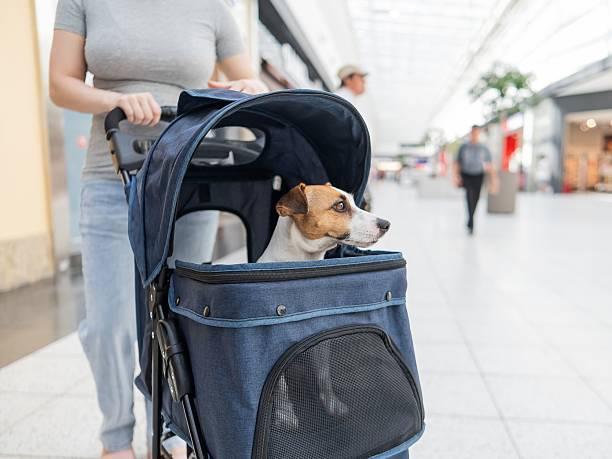
I often see this question come up in product selection conversations with pet brands and OEM/ODM buyers. The real issue is not whether a stroller is “good” or “bad.” The better question is: for which dogs, environments, and mobility tasks does a stroller reduce risk or expand access?
What Are the Benefits of Using a Pet Stroller for Dogs?
A pet stroller for dogs can look like a lifestyle product at first, so buyers may worry that it encourages over-pampering. That concern is fair. However, the category becomes much more responsible when I frame it as mobility management, not indulgence or decoration.
A pet stroller helps dogs by giving them a safe resting space during long outings, crowded environments, hot pavement conditions, post-activity fatigue, or limited-mobility situations. It works best when owners use it alongside walking, not instead of walking. The benefit is controlled access to more places with less physical stress.
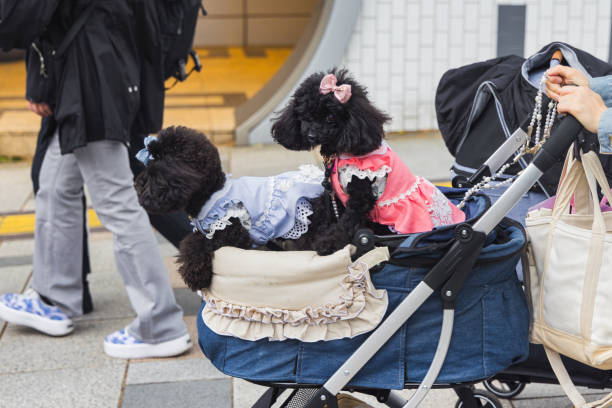
Mobility support, not exercise replacement
The strongest benefit is not that a stroller makes dog ownership easier. The strongest benefit is that it helps owners manage distance, timing, and environment.
For example, a small dog may enjoy walking for 15 minutes but struggle during a two-hour city outing. A senior dog may still love outdoor smells but tire quickly. A dog recovering from a procedure may need restricted movement under veterinary guidance. In these cases, a stroller can preserve outdoor access while reducing overload.
From a product development perspective, I usually separate stroller benefits into five practical use cases:
- Fatigue management during longer outings
- Environmental protection in crowds, traffic, or hot pavement areas
- Mobility support for senior dogs or dogs with reduced endurance
- Transport convenience for small dogs in retail, travel, or urban settings
- Multi-pet control when one dog walks and another needs rest
This is why I do not like the simple argument that “strollers make dogs lazy.” A poorly used stroller can reduce exercise. A well-used stroller can help a dog participate in more daily life.
Common benefit areas for buyers to evaluate
| Benefit Area | Practical Value | Buyer Evaluation Point |
|---|---|---|
| Rest during outings | Helps dogs recover during longer trips | Interior comfort, ventilation, stable ride |
| Safety in crowds | Keeps small dogs away from feet, carts, and traffic | Enclosure design, brake reliability, visibility |
| Heat management | Reduces paw contact with hot pavement | Canopy airflow, shaded cabin, breathable mesh |
| Senior dog support | Extends outdoor access for lower-energy dogs | Low entry height, smooth suspension, easy cleaning |
| Travel convenience | Helps owners move through cities, parks, or retail areas | Foldability, storage size, basket design |
I have noticed that procurement teams often start by comparing weight capacity, price, and fabric color. Those factors matter, but they do not define product value. A stroller that claims a high weight limit but feels unstable during turning may create a worse experience than a lighter-duty model with better geometry.
A good dog stroller should feel predictable. It should roll smoothly, stop securely, ventilate well, and allow easy entry and exit. These details are not glamorous, but they are the details that determine whether the product becomes a trusted mobility tool or a returned item.
A pet stroller is most useful when it gives the dog more safe access to the world, not less physical engagement with it.
What Types of Dogs Benefit Most From a Pet Stroller?
A pet stroller for dogs is not necessary for every dog, and I think buyers should be honest about that. If a healthy, active dog enjoys walking and has no problem with normal outings, a stroller may only be useful in special situations.
Dogs that benefit most from a pet stroller include senior dogs, small breeds, puppies before full outdoor readiness, dogs with limited stamina, dogs recovering under professional guidance, anxious dogs in crowded areas, and multi-pet households where one dog needs more rest than another. The key is matching the stroller to the dog’s real mobility need.
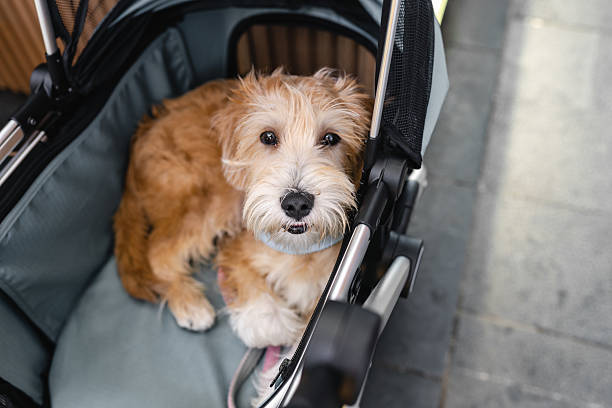
Senior dogs and low-stamina dogs
Senior dogs often still want outdoor stimulation. They may enjoy scents, sunlight, and social presence, even when their joints or stamina limit walking time. A stroller can help owners build a mixed routine:
- Walk for several minutes
- Rest in the stroller
- Walk again in a calmer area
- Return home without forcing the dog past its limit
I do not present this as medical advice. Owners should consult a veterinarian for health-specific decisions. However, from a product selection perspective, this use case appears often because the stroller supports controlled exposure without continuous load.
For senior dogs, the most important design features usually include:
- Low entry height so the dog does not need to jump
- Stable base to reduce wobble
- Smooth wheels for less vibration
- Washable interior materials for hygiene
- Good visibility so the dog does not feel isolated
Small dogs in urban spaces
Small dogs face different environmental risks than larger dogs. In dense areas, they are closer to feet, stroller wheels, bicycles, shopping carts, and road splash. A stroller can protect them during high-traffic segments while still allowing walking in safer areas.
This is especially relevant for city pet owners who combine several activities in one outing. They may walk through a park, enter a pet-friendly store, cross busy streets, and take public transport. A stroller gives them more control across changing environments.
Puppies and controlled exposure
Puppies may need careful outdoor management before they are ready for unrestricted exposure. I avoid giving medical timing recommendations because vaccination and socialization plans belong with veterinarians and qualified trainers. Still, brands often discuss puppy use because a stroller can support controlled outdoor observation without full ground contact in some situations.
For puppy-focused products, buyers should pay attention to:
| Puppy Use Concern | Product Feature That Helps |
|---|---|
| Containment | Secure zippers, tether points, enclosed cabin |
| Cleanliness | Removable pad, wipeable surfaces |
| Comfort | Soft interior, shade, airflow |
| Owner control | Reliable brake, smooth steering |
| Growth | Realistic size range, not only weight rating |
Dogs recovering from injury or procedures
Some owners use strollers during recovery periods, but this should always follow professional advice. The product can support restricted movement only if the dog can enter, rest, and exit safely. A poorly designed stroller may create problems if the dog must jump, twist, or balance on an unstable platform.
From a buyer’s viewpoint, recovery-related positioning should be careful. I prefer language like:
- “May support controlled mobility during limited-activity periods”
- “Useful for dogs that need rest during outings”
- “Consult a veterinarian for recovery-related use”
I would avoid claims like:
- “Speeds healing”
- “Prevents injury”
- “Veterinary-approved recovery stroller” unless properly documented
This kind of restraint builds trust. It also helps brands avoid overpromising in a category that touches health, behavior, and safety.
Are There Any Downsides to Using a Pet Stroller?
A pet stroller for dogs can create downsides when owners use it too often, choose the wrong size, ignore ventilation, or treat it as a complete substitute for exercise. I think this concern matters because responsible product positioning protects both the dog and the brand.
The main downsides of a pet stroller are reduced exercise if overused, poor fit if the cabin is too small, stress if the dog dislikes confinement, safety risks from weak brakes or unstable frames, and hygiene issues if materials are hard to clean. These risks can be reduced through proper use and better product design.
The biggest risk is misuse
The most common misuse is simple: the stroller replaces the walk. Healthy dogs need movement. They also need sniffing, social exposure, training practice, and normal outdoor problem-solving. A stroller cannot provide all of that.
I prefer a mixed-use mindset:
- Let the dog walk where it is safe and appropriate.
- Use the stroller when the dog becomes tired.
- Use the stroller in crowded or risky zones.
- Let the dog exit again when the environment improves.
This balanced routine keeps the stroller in its proper role. It becomes a mobility extender, not a lifestyle cage.
To ensure your dog actually benefits from the ride without feeling cramped or unstable, it is essential to [measure your dog and determine the exact size pet stroller you need] before making a purchase.
Some downsides come from user behavior. Others come from poor product design. In B2B evaluations, I often see teams focus heavily on retail price, packaging size, and visual style. Those items are important, but they do not replace mechanical and usability review.
A buyer should test at least the following areas:
-
Stability during turning
A stroller may feel fine in a straight line but unstable during sharp turns or uneven paths. -
Brake reliability
Brakes should be easy to engage and should hold the stroller securely on mild slopes. -
Cabin ventilation
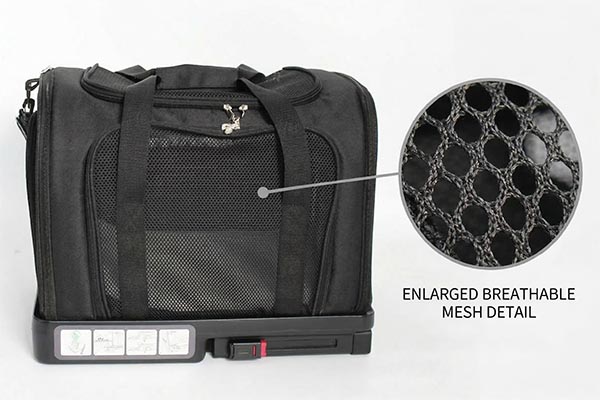
Mesh placement matters. A shaded cabin still needs airflow. -
Entry and exit design
A dog should not need a difficult jump or awkward twist to enter. -
Interior fit
Weight capacity is not enough. The dog must be able to sit, lie down, and turn comfortably. -
Cleaning and odor control
Soft goods should be removable or easy to wipe. Pet products get dirty quickly.
A simple downside evaluation table
| Potential Downside | Why It Matters | How Design Can Reduce It |
|---|---|---|
| Reduced exercise | Dogs still need physical and mental activity | Position as walking support, not replacement |
| Stress in confinement | Some dogs dislike enclosed spaces | Larger mesh windows, gradual training guidance |
| Poor ventilation | Heat and discomfort can build quickly | Multi-side mesh, canopy airflow, breathable fabrics |
| Tipping risk | Turns, curbs, and uneven ground create instability | Wider wheelbase, lower center of gravity |
| Hygiene problems | Odor and dirt reduce repeat use | Removable liner, washable pad, wipe-clean fabrics |
Behavioral comfort also matters
A dog may not immediately accept a stroller. That does not always mean the product is bad. It may mean the owner needs gradual introduction. The dog can first explore the stroller indoors, then sit inside with the brake engaged, then move short distances before longer outings.
Brands can support this with clear user education. A simple instruction insert can reduce returns and improve satisfaction. For example:
- Introduce the stroller slowly.
- Never force the dog inside.
- Secure the dog with the provided tether if appropriate.
- Check temperature and ventilation often.
- Do not leave the dog unattended.
I think the best brands treat education as part of the product. A good stroller is not only a frame, wheels, and fabric. It is a complete use experience that helps owners make better decisions.
What Should You Look for When Choosing a Pet Stroller for Your Dog?
A pet stroller for dogs should be chosen by scenario first, not color or price first. I understand why buyers compare visible features quickly, but real product quality shows up in braking, stability, ventilation, entry height, cleanability, and comfort.
When choosing a pet stroller, look for the right cabin size, stable wheelbase, reliable brakes, good ventilation, smooth steering, easy entry, washable materials, secure closures, and a use case that fits the dog’s size and lifestyle. Weight capacity matters, but it should never be the only selection standard.
Start with the use scenario
Before comparing models, I would ask one question: Where will this stroller actually be used?
A stroller for smooth shopping streets is different from a stroller for park paths. A compact travel stroller is different from a daily-use senior dog stroller. A premium modular travel system is different from a basic neighborhood stroller.
Here is a practical scenario matrix:
| Use Scenario | Priority Features | Lower Priority Features |
|---|---|---|
| City walking | Maneuverability, brakes, compact fold | Oversized wheels |
| Park paths | Wheel size, suspension, stability | Ultra-light frame |
| Senior dog mobility | Low entry, comfort, smooth ride | Fashion detailing |
| Retail or travel | Foldability, storage, clean design | Heavy-duty terrain features |
| Multi-pet use | Cabin space, weight distribution | Minimal frame design |
Look beyond weight capacity
Weight capacity is easy to market, but it can be misleading. A stroller may claim support for a 25 kg dog, but the cabin may not allow that dog to lie comfortably. Another stroller may hold the weight statically but feel unstable during movement.
For buyers, I recommend checking three separate dimensions:
-
Static load capacity
This is the stated weight rating. -
Usable cabin volume
This determines whether the dog can sit, turn, and rest. -
Dynamic stability
This shows how the stroller behaves while turning, braking, and rolling over uneven surfaces.
These three areas should be evaluated together. A strong frame with a cramped cabin still creates a poor dog experience. A spacious cabin with weak brakes creates a safety concern.
Product features that matter most
From a stroller design perspective, I would prioritize these features:
- Frame stability: A wider base and balanced center of gravity reduce tipping risk.
- Brake system: Rear linked brakes or easy foot brakes improve control.
- Ventilation: Mesh panels should provide airflow from more than one direction.
- Canopy design: Shade should not block all air movement.
- Entry height: Lower openings help small, senior, or low-mobility dogs.
- Interior pad: Removable and washable pads improve hygiene.
- Closures: Zippers, latches, and clips should resist accidental opening.
- Handle height: Comfortable pushing reduces owner fatigue.
- Fold mechanism: A simple fold improves real-world use and storage.
- Wheel choice: Larger wheels handle rougher surfaces better than tiny wheels.
For B2B buyers: evaluate the supplier, not only the sample
A good sample is important, but supplier capability determines whether the product stays consistent across production. In procurement conversations, I would look for evidence of process control rather than vague claims.
Useful supplier evaluation questions include:
- Does the supplier provide clear material specifications?
- Can the supplier explain frame, wheel, and brake design choices?
- Are load tests, stability tests, or internal QC procedures documented?
- Can the supplier support OEM/ODM customization without weakening safety?
- Are fabric, mesh, zipper, and hardware suppliers traceable?
- Does the packaging protect the frame and wheels during shipping?
- Can the supplier maintain consistency across repeat production batches?
Certifications and test reports should be treated as documents to verify, not slogans to trust blindly. Buyers should request current reports, check sample-to-report consistency, and consider qualified third-party testing for market-specific requirements.
At Anvoya, we often see that the best product decisions come from scenario-based evaluation. The buyer is not simply asking, “Is this stroller attractive?” The buyer is asking, “Will this stroller perform reliably for the dog, the owner, and the sales channel we serve?”
When Does a Pet Stroller Make More Sense Than a Carrier or Walking?
A pet stroller for dogs makes more sense than a carrier or walking when the outing is too long, the environment is too crowded, the dog is too heavy to carry comfortably, or the owner needs a stable resting space. However, walking remains better when the dog is healthy, safe, and able to move normally.
A pet stroller is better than a carrier for longer distances, heavier small dogs, senior dogs, or situations where owner fatigue matters. It is better than walking when heat, crowds, traffic, recovery needs, or endurance limits create risk. Walking is still best for healthy dogs in safe, suitable environments.
Stroller versus carrier
A carrier works well for short transfers, air travel, car-to-store movement, and small dogs that are light enough to carry safely. However, carriers put the load on the owner’s shoulder, back, or hand. Over time, that becomes uncomfortable.
A stroller moves the load to the ground. This makes it more practical for:
- Longer walks
- Senior dogs
- Heavier small dogs
- Multi-stop outings
- Owners with limited carrying strength
- Situations requiring storage space
However, a stroller is larger and less convenient on stairs, tight aisles, buses, or small apartments. That is why neither product is universally better. They solve different mobility problems.
Stroller versus walking
Walking is the default for healthy dogs. It supports exercise, sniffing, training, digestion, and mental stimulation. A stroller should not replace that.
A stroller makes more sense when walking becomes unsafe or impractical. Examples include:
- Hot pavement that may stress paws
- Crowded markets or festivals
- Long travel days
- Busy road crossings
- A senior dog that tires quickly
- A small dog in a dense urban zone
- A mixed household where one dog walks and another rests
The ideal pattern is often walk-rest-walk, not stroller-only.
Comparison table for buyer positioning
| Option | Best For | Limitations | Responsible Positioning |
|---|---|---|---|
| Walking | Healthy dogs in safe environments | Fatigue, heat, crowds, distance limits | Primary activity for most dogs |
| Carrier | Short transfers, travel, small dogs | Owner fatigue, limited space, heat buildup | Convenient short-distance transport |
| Stroller | Longer outings, senior dogs, crowded areas | Bulk, storage, misuse risk | Mobility support and rest management |
Why modular thinking matters
Many pet travel products are still designed as single-use items. A carrier is just a carrier. A stroller is just a stroller. A car seat is just a car seat. However, real pet mobility often moves across several environments in one trip.
For example, an owner may move from:
- Home
- Car
- Parking area
- Sidewalk
- Store or park
- Car again
- Home
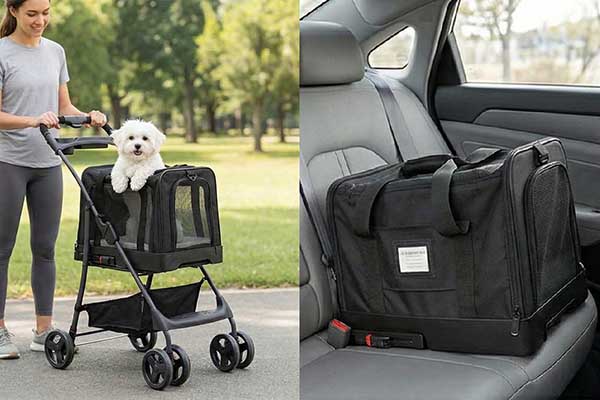
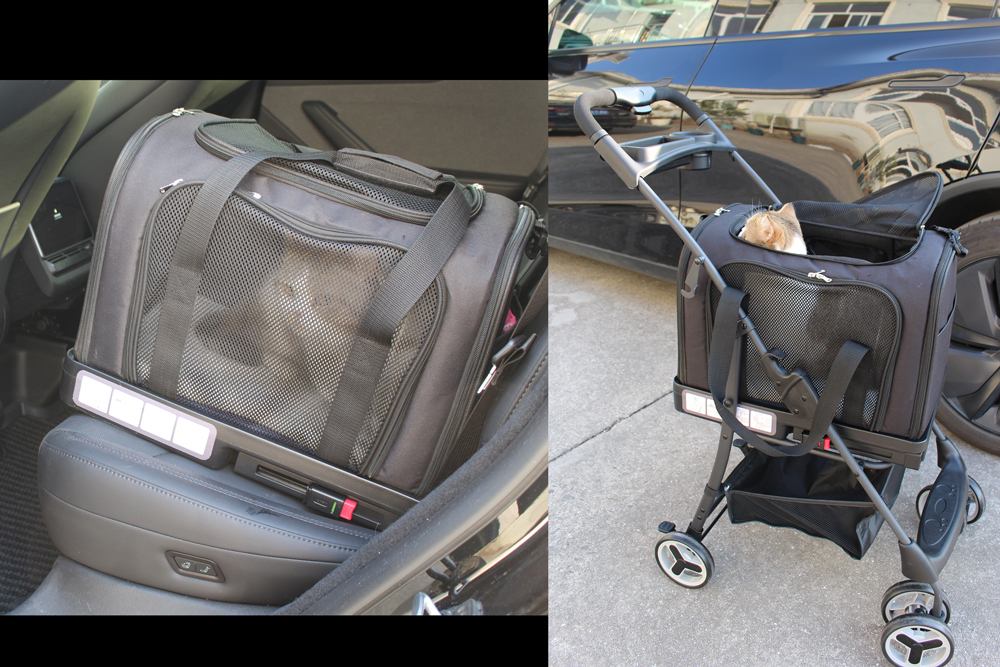
Each transition creates friction. The dog may need to be lifted, re-secured, or moved between products. This is where brands are starting to explore more integrated systems, such as detachable carrier-and-stroller formats or vehicle-ready carrier concepts.
I do not think every buyer needs a modular system. However, I do think every buyer should understand the trip chain. A product that fits only one part of the journey may feel less useful than a product that supports several steps.
From a procurement perspective, this is also where supplier capability matters. Stroller design involves soft goods, frame structure, wheel systems, folding mechanisms, braking parts, and user handling. When a product also connects with a carrier or vehicle interface, the need for engineering control becomes much higher.
The final choice should come from the dog’s routine, the owner’s environment, and the brand’s positioning. A responsible stroller is not a gimmick. It is a tool for the moments when walking or carrying is not the best option.
Frequently Asked Questions
Are pet strollers bad for dogs?
Pet strollers are not bad for dogs when owners use them appropriately. They become a problem if they replace normal walking, exercise, and sniffing for a healthy dog. A stroller is best used for rest, long outings, crowded spaces, senior dogs, or controlled mobility situations.
Do dogs like being in pet strollers?
Some dogs enjoy pet strollers, while others need time to adjust. Comfort depends on the dog’s temperament, the stroller’s stability, ventilation, visibility, and how slowly the owner introduces it. Owners should avoid forcing a dog inside and should build comfort gradually.
Can a pet stroller help a senior dog?
A pet stroller can help a senior dog continue enjoying outdoor environments with less physical strain. It can support mixed walking and resting routines. However, owners should consult a veterinarian for medical conditions, pain, mobility limits, or recovery-related decisions.
What size pet stroller does my dog need?
A dog should be able to sit, turn around, and lie down comfortably inside the stroller. Weight capacity alone is not enough. Buyers should check cabin length, width, height, entry design, and dynamic stability before choosing a pet stroller for dogs.
Is a pet stroller better than a dog carrier?
A pet stroller is better for longer outings, heavier small dogs, senior dogs, and situations where carrying causes owner fatigue. A carrier is better for short transfers, air travel, stairs, and tight spaces. The best choice depends on distance, environment, and dog size.
Conclusion
A pet stroller for dogs is good when it expands safe mobility without replacing normal movement. The best use cases include senior dogs, small dogs, crowded spaces, heat management, long outings, and walk-rest-walk routines. Buyers should evaluate stability, braking, ventilation, entry access, cleanability, and scenario fit instead of judging only price or appearance. If your brand is developing a responsible stroller, carrier, or modular pet travel product, Anvoya can support OEM/ODM product development with engineering-led manufacturing and practical supplier collaboration.