
3-Wheel vs 4-Wheel Pet Stroller decisions can look simple at first, but they often create product-positioning problems later. A brand may choose a layout because it sounds more agile or more stable, then discover that the frame, carrier height, wheelbase, and user scenario do not match. A better choice starts with structure and use case.
A 3-wheel pet stroller usually offers a more directional, sporty turning feel, while a 4-wheel pet stroller often gives a broader support footprint and a more familiar push experience. However, real performance depends on frame geometry, center of gravity, wheel size, load distribution, folding design, and the surfaces where the stroller will be used.
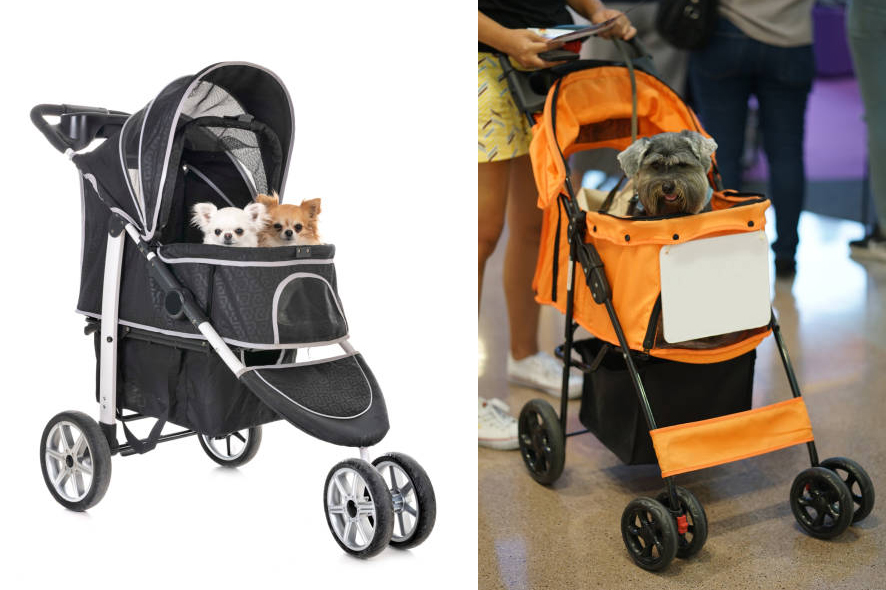
In product development discussions, I often see buyers ask, “Which one is better?” That question is too narrow. The more useful question is: which wheel layout supports the stroller’s intended market position, pet weight range, travel scenario, and user expectation?
What Is the Main Difference Between a 3-Wheel vs 4-Wheel Pet Stroller?
A 3-Wheel vs 4-Wheel Pet Stroller comparison starts with a common problem: wheel count feels easy to compare, but it hides the structure underneath. If a brand treats wheel layout as a marketing label only, the stroller may feel wrong in real use, even if the spec sheet looks attractive.
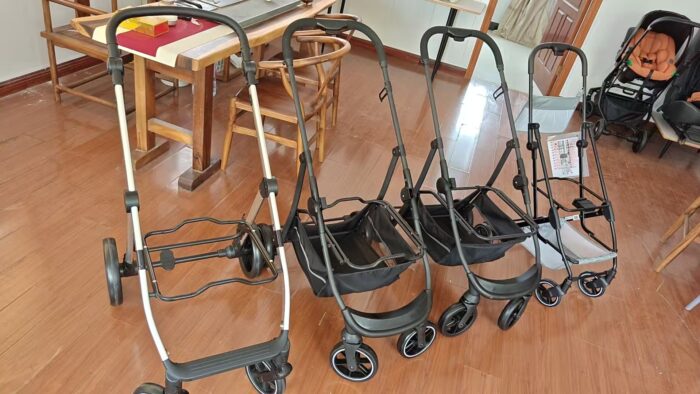
A 3-wheel pet stroller uses one front wheel assembly and two rear wheels, creating a more triangular support layout. A 4-wheel pet stroller uses two front and two rear wheel positions, creating a rectangular footprint. The practical difference appears in turning behavior, frame balance, basket placement, and perceived steadiness during pushing.
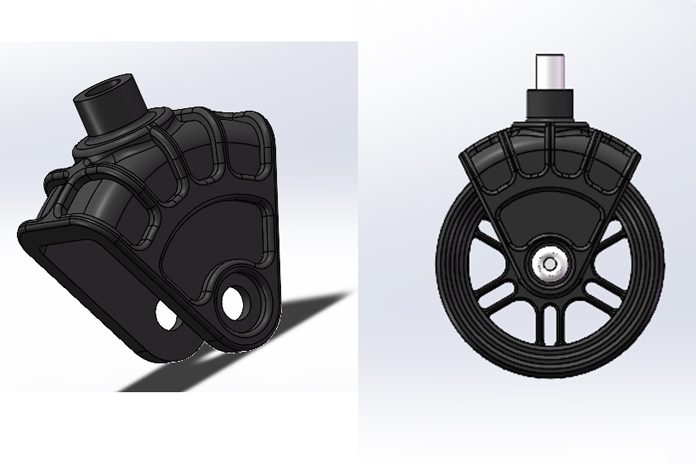
Wheel count changes the frame conversation
In OEM/ODM development, wheel count is rarely an isolated choice. Once the wheel layout changes, many other parts of the stroller change with it:
- Front fork or front axle design
- Rear frame width
- Carrier mounting height
- Folding joint position
- Brake system layout
- Handlebar angle
- Storage basket clearance
- Packaging size
- Tooling and part count
A 3-wheel pet stroller often uses a centered front wheel or dual-wheel front fork that behaves like a single steering point. This creates a different turning arc compared with a 4-wheel stroller that has two front swivel wheels. The user may feel the stroller responds quickly when turning, but the actual feel depends on wheel diameter, swivel resistance, fork stiffness, and rear axle width.
A 4-wheel pet stroller usually has two front contact points. That layout can feel more familiar to consumers who already use baby strollers, shopping carts, or standard pet strollers. It also gives designers more freedom to create a wider front frame or a flatter carrier base. However, if the front wheels are too small or too close together, the stroller may still feel nervous on uneven pavement.
The difference is structural, not only visual
I once reviewed a concept where the customer wanted a 3-wheel layout mainly because the rendering looked more premium and sporty. The early sample did look dynamic. But after we placed the carrier higher to support a detachable module, the center of gravity changed. The layout needed a wider rear stance and a revised front fork before the stroller felt appropriate for the intended load.
That is a typical product-development lesson. A stroller is a system, not a wheel-count decision.
| Design Factor | 3-Wheel Pet Stroller | 4-Wheel Pet Stroller | Buyer Evaluation Point |
|---|---|---|---|
| Support footprint | Triangular | Rectangular | Check width, wheelbase, and load height |
| Turning feel | Often more directional | Often more familiar | Test with target pet weight |
| Frame appearance | Sporty, dynamic | Classic, steady | Match brand positioning |
| Folding structure | Can be compact, but depends on fork | Often easier to standardize | Review folded size and packaging |
| Carrier integration | Needs careful balance | More layout flexibility | Check docking height and load distribution |
For B2B buyers, the main difference is not “better” or “worse.” It is how the wheel layout affects the whole product definition. A premium indoor stroller, a park-use stroller, and a detachable carrier travel system may all need different choices.
Which Is Easier to Maneuver: a 3-Wheel vs 4-Wheel Pet Stroller?
A 3-Wheel vs 4-Wheel Pet Stroller maneuverability comparison can be misleading when people only look at the number of front wheels. A stroller that turns smoothly in a showroom may feel very different on brick paths, elevator gaps, roadside curbs, or store entrances.
A 3-wheel pet stroller often feels easier to steer in larger turning movements because the front steering point is centered. A 4-wheel pet stroller can feel easier in slow, precise movement because two front swivel wheels distribute contact. Real maneuverability depends on wheel size, swivel design, handle leverage, frame stiffness, and load placement.
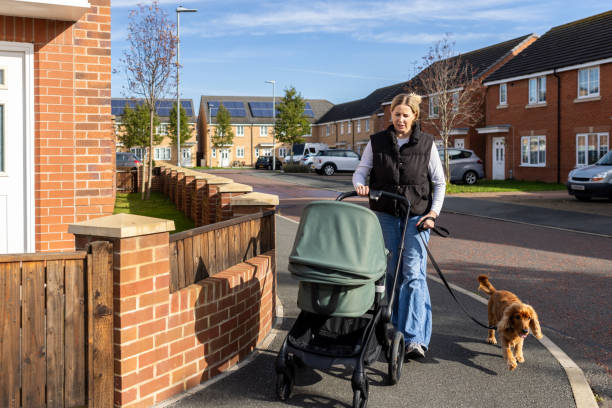
Turning radius is only one part of maneuverability
Many buyers ask for a “small turning radius.” That is useful, but it does not tell the full story. A stroller also needs to feel controlled when the user:
- Enters a narrow elevator
- Turns around inside a pet store
- Pushes across a parking lot
- Moves through a shopping mall
- Lifts the front wheels over a small curb
- Walks with one hand while holding a leash or bag
A 3-wheel layout can create a clean pivot point. When the front assembly is well-designed, the stroller may turn naturally with less handle movement. This can suit products positioned for outdoor walking, active lifestyle, or larger wheel designs.
However, a centered front wheel also asks more from the fork and front frame. If the front structure flexes, the stroller may feel loose. If the wheel is too small, it may catch on surface gaps. If the carrier sits too high, fast turns may create an uncomfortable rolling sensation.
A 4-wheel pet stroller often feels predictable at low speed. The two front swivel wheels can help users make small corrections in narrow areas. This is useful for urban sidewalks, retail spaces, apartment corridors, airports, and indoor use. But if the front wheels are small and the rear frame is narrow, it may still struggle on rough surfaces.
What I check during sample review
During sample evaluation, I prefer to watch the stroller from the side and rear while someone else pushes it. The handle feeling matters, but the frame movement tells more.
I usually pay attention to:
-
Front wheel flutter
Fast shaking at the front can happen when the swivel design, wheel hardness, or load balance does not match. -
Handlebar correction frequency
If the user keeps making tiny corrections, the stroller may feel tiring even when it technically turns well. -
Rear wheel tracking
Rear wheels need to follow cleanly. Poor tracking makes the stroller feel cheap and unstable. -
One-hand control
Many pet owners push with one hand in real life. A stroller that only feels good with two hands may disappoint users. -
Loaded and unloaded behavior
Empty strollers can feel very different from loaded strollers. Testing with the target pet weight range is essential.
| Maneuverability Factor | Why It Matters | Development Note |
|---|---|---|
| Wheel diameter | Larger wheels cross gaps more easily | Larger wheels affect fold size and cost |
| Swivel resistance | Controls turning smoothness | Too loose may feel unstable |
| Handle height | Affects leverage | Needs target user consideration |
| Frame stiffness | Reduces wobble | Material and joint design matter |
| Load position | Changes steering pressure | Carrier height and pet movement matter |
For brand owners, maneuverability is not a single claim. It is a user experience that comes from geometry, material, and use scenario. In some product lines, a 3-wheel layout gives the desired active feel. In others, a 4-wheel layout gives the calm control customers expect.
How Do 3-Wheel and 4-Wheel Pet Strollers Compare for Stability?
Stability is where many 3-Wheel vs 4-Wheel Pet Stroller discussions become too simple. Buyers often assume four wheels automatically mean safer and three wheels automatically mean sportier. That shortcut can lead to weak product decisions, especially for detachable carriers and higher-position pet cabins.
A 4-wheel pet stroller often has a wider rectangular support footprint, which can support a steadier visual impression. A 3-wheel pet stroller can also be stable when the rear width, wheelbase, frame stiffness, and center of gravity are properly designed. Stability depends on the entire structure, not the wheel count alone.
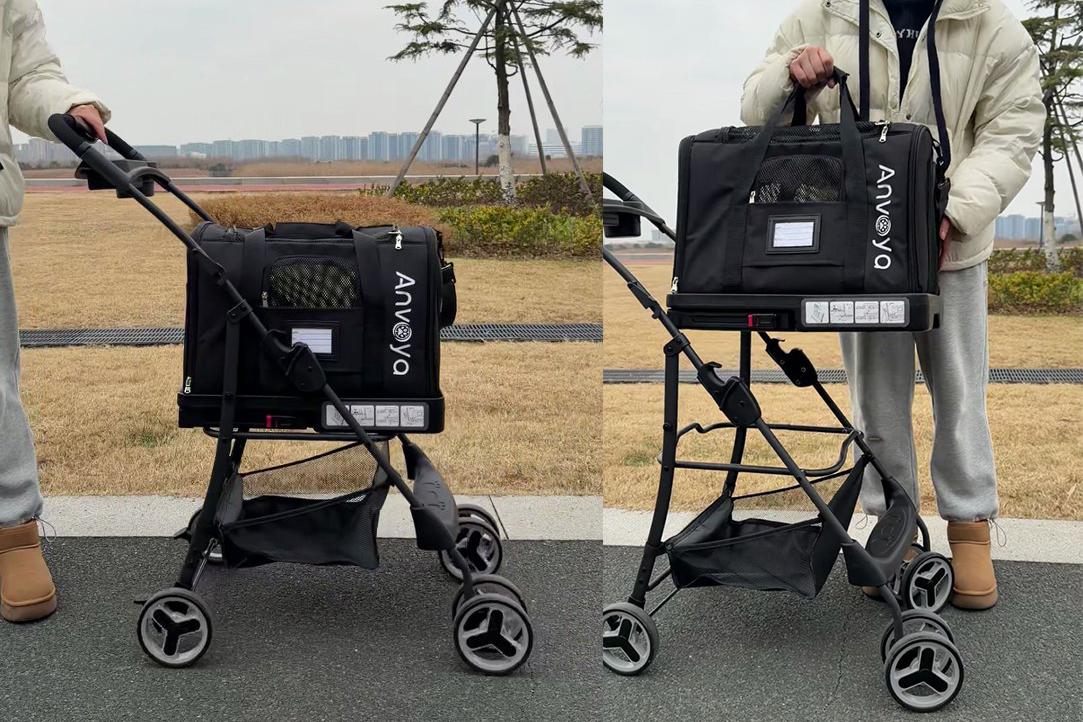
Stability starts with the center of gravity
A pet stroller carries a living load. That matters. A dog may turn suddenly, lean to one side, stand up, sit down, or shift weight when the stroller stops. A cat may stay low and still, or it may move toward the mesh window. These movements change the real load balance.
In product design, the center of gravity is affected by:
- Pet cabin height
- Pet weight range
- Cabin width and length
- Wheelbase length
- Rear axle width
- Front wheel position
- Storage basket loading
- Handlebar pushing angle
- Docking hardware position
- Frame material and joint stiffness
A low, wide stroller tends to feel steadier than a tall, narrow one. That can be true for both 3-wheel and 4-wheel layouts. A 3-wheel stroller with a wide rear axle and low cabin may feel more controlled than a narrow 4-wheel stroller with a high carrier. The opposite can also be true.
Why detachable carrier systems need extra attention
For brands developing detachable carrier + stroller systems, stability deserves early engineering discussion. A detachable carrier often adds hardware, latch components, base plates, or reinforced panels. These parts may raise the cabin position or change weight distribution.
At Anvoya, our pet travel system work often involves hardware-to-soft-goods integration. In those projects, I avoid treating the stroller frame as a separate accessory. The carrier, docking interface, and stroller base need to be evaluated together. A latch that feels strong on the table may shift the product balance once it sits above the frame.
For application-specific stability decisions, buyers need qualified engineering review and sample validation with realistic load conditions. Marketing assumptions are not enough.
Stability evaluation points for procurement teams
B2B buyers can ask suppliers for more than a simple “stable design” statement. Useful evaluation items include:
- Recommended pet weight range
- Test load used during internal validation
- Frame width and wheelbase dimensions
- Cabin height from ground
- Loaded turning behavior
- Brake performance on mild slopes
- Side-load behavior during pet movement
- Material thickness and joint structure
- Production consistency controls
A supplier may provide internal test records, inspection reports, or compliance documents depending on the product category and market. Buyers need to verify those documents and check whether the test conditions match the intended selling market.
| Stability Variable | Risk If Ignored | What Buyers Can Ask |
|---|---|---|
| High carrier position | More side movement | What is the cabin height under load? |
| Narrow rear axle | Lower lateral support | What is rear wheel track width? |
| Short wheelbase | Pitching during stops | What is front-to-rear wheel distance? |
| Weak frame joints | Wobble over time | What fatigue or durability checks are used? |
| Heavy storage basket load | Rear-heavy behavior | What load guidance appears in the manual? |
Stability is partly engineering and partly user perception. A stroller can pass internal checks yet still feel uncomfortable if it wobbles, creaks, or twists during daily use. That is why sample pushing, loaded evaluation, and structural review all matter before tooling and bulk production.
Which Wheel Design Works Better for Different Terrains and Travel Scenarios?
A 3-Wheel vs 4-Wheel Pet Stroller decision becomes clearer when the terrain is defined early. Without a clear use scenario, brands may design a stroller that looks versatile but feels average everywhere. The wrong wheel layout can also increase cost without improving the customer experience.
A 3-wheel pet stroller often fits active walking, park paths, and larger-wheel designs when the frame is balanced. A 4-wheel pet stroller often fits urban, indoor, retail, and travel scenarios where compact folding and predictable low-speed movement matter. Terrain, wheel diameter, tire material, suspension, and frame width all affect performance.
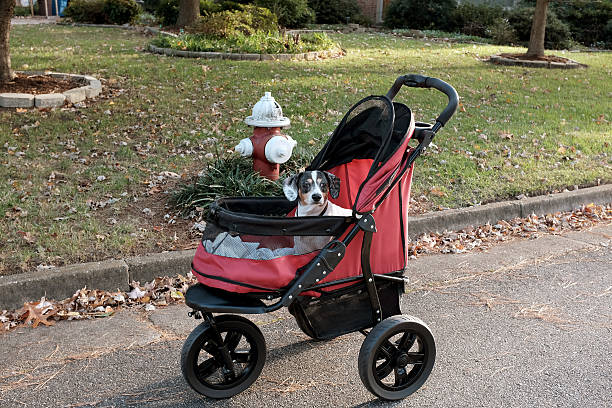
While the frame layout dictates your turning radius and center of gravity, the actual ride comfort over rough pavement depends heavily on your [pet stroller wheel size and tire material].
Define the real use environment first
In customer communication, I like to ask where the stroller will spend most of its time. The answer changes the design direction quickly.
A pet stroller for shopping malls and smooth sidewalks does not need the same wheel system as a stroller for parks, old streets, or gravel paths. An airport-friendly travel stroller has different priorities again. It may need a compact fold, lighter frame, and smoother movement through narrow spaces.
Common scenarios include:
- Urban sidewalks
- Shopping malls
- Apartment elevators
- Veterinary clinic visits
- Parks and paved trails
- Uneven community roads
- Airline or train travel support
- Premium detachable carrier systems
- Retail display and in-store trial use
Each scenario creates different trade-offs.
Wheel diameter and tire material matter a lot
Wheel count gets attention, but wheel size often changes the user experience more. Small wheels can work well indoors. They keep the stroller compact and reduce cost. However, they may catch on cracks, drainage covers, and uneven tiles.
Larger wheels roll more smoothly across imperfect surfaces. They can also create a stronger outdoor image. Yet they add weight, increase folded dimensions, and may require stronger fork or axle structures.
Tire material also matters:
| Wheel Material | Common Use | Benefit | Limitation |
|---|---|---|---|
| EVA foam | Lightweight strollers | Low weight, cost-effective | Less premium shock feel |
| PU wheel | Mid to premium strollers | Better wear feel, smoother roll | Higher cost |
| Rubber tire | Outdoor positioning | Grip and comfort | More weight |
| Air tire | Jogging-style concepts | Shock absorption | Maintenance concerns |
| Plastic wheel | Entry-level models | Low cost | Limited comfort and durability perception |
Scenario-based layout guidance
A 3-wheel layout may suit a product that wants a more outdoor-oriented posture. It can pair well with larger rear wheels, a stronger front fork, and a longer wheelbase. Brands often use this layout when they want a sporty silhouette or smoother broad turns.
A 4-wheel layout may suit a stroller designed for daily city use, compact storage, and controlled indoor movement. It can also work well for detachable carrier systems where the brand wants a stable-looking platform and a familiar stroller shape.
| Use Scenario | Often Suitable Layout | Main Reason | Design Watchpoint |
|---|---|---|---|
| Mall and retail use | 4-wheel | Predictable low-speed movement | Front swivel quality |
| City sidewalk | 4-wheel or 3-wheel | Depends on wheel size and fold target | Gap crossing and curb handling |
| Park path | 3-wheel or larger 4-wheel | Rolling comfort matters | Wheel diameter and frame stiffness |
| Compact travel | 4-wheel often works well | Fold and storage efficiency | Weight and lock system |
| Active lifestyle line | 3-wheel often fits image | Sporty steering feel | Center of gravity and rear width |
| Detachable carrier system | Depends on docking height | Structure matters more than layout | Latch, carrier height, load balance |
For procurement teams, the useful question is not “Which layout sells better?” It is “Which layout matches the environment our customers will actually use?” That answer gives the design team a better foundation for frame geometry, wheel material, packaging, and cost planning.
Should You Choose a 3-Wheel or 4-Wheel Pet Stroller?
A 3-Wheel vs 4-Wheel Pet Stroller choice becomes risky when a brand makes it too late or too emotionally. If the layout changes after the frame, carrier, and fold are already defined, redesign costs can rise quickly. A clear product brief saves time and reduces sample rounds.
Choose a 3-wheel pet stroller when the product concept benefits from a sporty steering feel, larger-wheel styling, or outdoor walking positioning. Choose a 4-wheel pet stroller when the concept needs familiar control, compact travel use, indoor maneuvering, or a broader support footprint. Validate the choice through loaded samples and supplier engineering review.
Start with product positioning
Before selecting the wheel layout, I recommend defining the stroller in plain language. A good product brief answers:
- Who is the target customer?
- What pet size and weight range will the stroller support?
- Will the cabin be fixed or detachable?
- Will the stroller connect with a carrier system?
- What surfaces will users encounter most often?
- What folded size does the retail channel expect?
- What price band does the product need to hit?
- What visual identity does the brand want?
- What claims need evidence or verification?
These answers reduce confusion. A premium compact travel stroller and a premium outdoor stroller may both sell at higher prices, but they need different wheel and frame choices.
Use wheel layout to support the concept
A 3-wheel layout can support:
- Active walking concepts
- Sportier product language
- Larger wheel styling
- Strong directional steering
- Outdoor lifestyle positioning
- Longer wheelbase designs
A 4-wheel layout can support:
- Classic stroller appearance
- Urban daily use
- Indoor maneuverability
- Compact fold structures
- Retail-friendly trial use
- Detachable carrier platforms
Neither layout is automatically more premium. Premium perception comes from the complete execution: frame rigidity, fabric quality, wheel feel, brake confidence, folding smoothness, handle comfort, and finishing details.
A practical decision table for brand buyers
| Product Goal | Better Starting Point | Why It May Fit | What to Validate |
|---|---|---|---|
| Compact city stroller | 4-wheel | Familiar and efficient | Folded size, front swivel, wheel wear |
| Outdoor walking stroller | 3-wheel | Sporty and directional | Rear width, front fork strength, load height |
| Detachable carrier stroller | Case-by-case | Docking height changes balance | Latch strength, center of gravity, loaded turns |
| Premium indoor travel line | 4-wheel | Smooth low-speed control | Wheel noise, brake feel, handle comfort |
| Lifestyle jogging-inspired line | 3-wheel | Strong visual identity | Do not imply jogging safety without validation |
| Heavy pet positioning | Case-by-case | Structure matters most | Frame load, axle width, fatigue checks |
Supplier evaluation questions
When sourcing a pet stroller supplier, buyers can ask more specific questions than “Do you make 3-wheel and 4-wheel models?”
Useful questions include:
-
How does the frame change between 3-wheel and 4-wheel versions?
A supplier with real development experience can explain more than appearance. -
What is the recommended pet weight range and how was it determined?
Buyers need to compare the answer with their target market and claims. -
Can the carrier height be adjusted without changing stability too much?
This matters for detachable systems and premium cabin designs. -
What wheel materials and diameters are available?
The answer affects cost, comfort, and positioning. -
What production quality controls are used for wheels, brakes, frames, and folding joints?
Quality consistency matters more than a good-looking sample. -
Can the supplier support DFM, tooling, and soft-goods integration?
This matters when the stroller is part of a larger product system.
At Anvoya, we usually discuss stroller projects from the product architecture level. That means the wheel layout, frame, carrier, latch, folding structure, and soft goods are reviewed together. For brands moving from a traditional pet stroller into a detachable carrier or car + carrier + stroller system, this early alignment is especially useful.
Frequently Asked Questions
Is a 3-wheel pet stroller better than a 4-wheel pet stroller?
A 3-wheel pet stroller is not automatically better. It often gives a sportier steering feel and can suit outdoor-style designs. A 4-wheel stroller often feels more familiar and controlled in indoor or urban use. The better choice depends on frame geometry, wheel size, pet weight range, and product positioning.
Is a 4-wheel pet stroller always more stable?
A 4-wheel pet stroller can offer a broader rectangular footprint, but stability does not come from wheel count alone. Wheelbase, rear width, carrier height, center of gravity, frame stiffness, and load distribution all matter. A properly designed 3-wheel stroller can also feel stable in its intended use scenario.
Which pet stroller wheel layout is better for detachable carriers?
Detachable carrier strollers need case-by-case evaluation. The docking interface, carrier height, latch structure, and pet load can change balance. A 4-wheel layout is often familiar for this type of product, but a 3-wheel layout can work when the rear stance and center of gravity are properly designed.
What should pet product brands check before choosing a wheel layout?
Brands need to define target pet weight, usage scenario, folding size, wheel material, frame width, carrier position, price band, and retail channel expectations. They also need loaded sample evaluation. A wheel layout that looks good in renderings may not match real customer use.
Does wheel size matter more than wheel count?
In many situations, yes. Larger wheels often handle uneven surfaces better, while smaller wheels can support compact folding and indoor use. Wheel material, swivel quality, tire hardness, and frame stiffness also affect performance. Wheel count is only one part of the stroller’s movement and stability.
Conclusion
The best way to compare a 3-Wheel vs 4-Wheel Pet Stroller is to treat wheel layout as a product-development decision, not a simple feature ranking. Three wheels can support sporty steering and outdoor styling. Four wheels can support familiar control and compact urban use. Stability and maneuverability still depend on frame geometry, center of gravity, wheel size, and load design. If your brand is developing a new pet stroller or detachable carrier system, Anvoya can help review the structure, positioning, and OEM/ODM manufacturing path before you commit to tooling.