
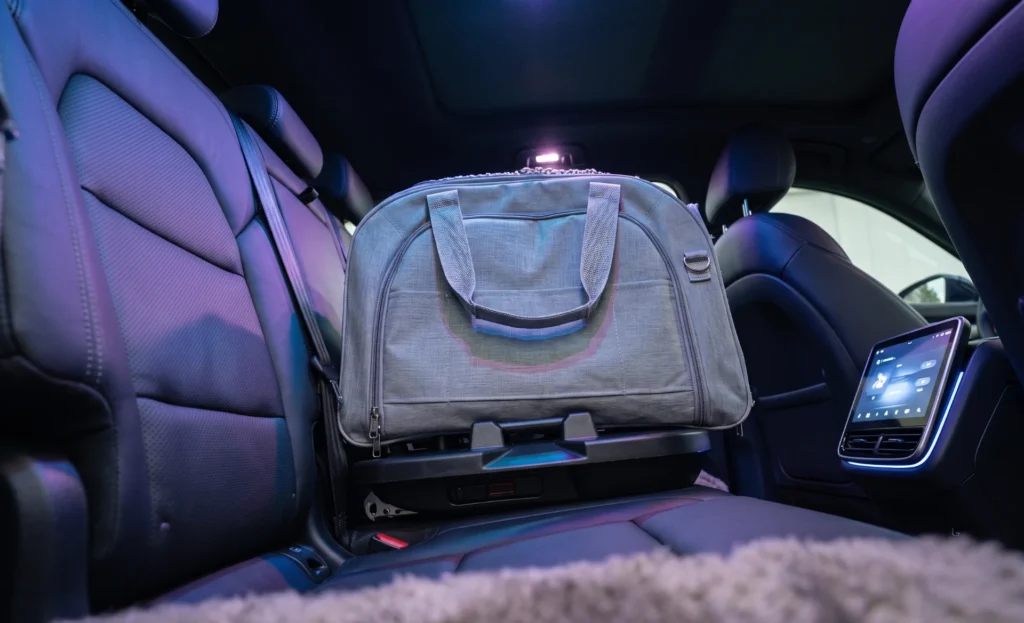
A pet car seat can look perfectly engineered online, yet still create problems when it reaches a real back seat. Buyers expect a quick click-in installation, then discover tight anchors, blocked buckles, poor clearance, or awkward loading. The better approach is to evaluate fit as a complete vehicle-use scenario, not just a product dimension.
A pet car seat fits a car only when the full system can be installed, docked, accessed, and used correctly in the intended seating position. ISOFIX or LATCH compatibility confirms the connection interface, but true vehicle fit also depends on anchor access, seat shape, front-seat clearance, door opening, base footprint, and daily usability.
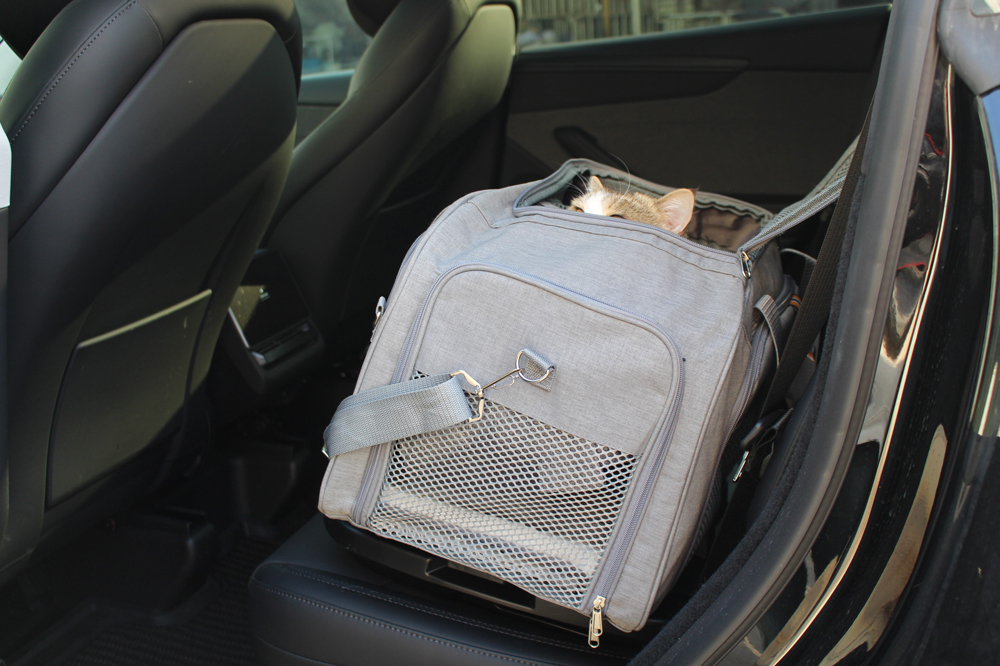
That sounds simple, but it becomes more complicated once families, child seats, pets, strollers, and daily routines enter the picture. I have seen product teams focus on the connector first, then realize later that the carrier, base, and vehicle cabin need to be judged together.
Why ISOFIX Compatibility Doesn't Guarantee a Proper Pet Car Seat Fit?
ISOFIX compatibility solves one part of the problem, but it can create a false sense of certainty. A buyer may see the anchor symbol, assume the system will fit, and then face a base that sits poorly or a carrier that cannot dock cleanly.
ISOFIX compatibility means the product is designed to connect to ISOFIX or LATCH-style lower anchors. It does not prove the complete pet car seat will fit every vehicle with those anchors. Proper fit also depends on seating position, anchor accessibility, cushion shape, seat-back angle, base geometry, carrier size, and clearance.

I treat ISOFIX compatibility and vehicle compatibility as two different claims. They often get blended together in marketing copy, but buyers evaluate them differently once a product enters the car.
ISOFIX describes the anchorage interface. It answers a narrow question:
Can the connector engage with the vehicle’s lower anchor points?
Vehicle compatibility asks a wider question:
Can the complete system be installed and used correctly in a specific vehicle, in a specific seating position, with enough space for real use?
A vehicle can have ISOFIX anchors and still create problems for a particular pet car seat base or carrier. The issue may be the angle of the seat cushion. It may be a deeply recessed anchor. It may be a high rear-seat bolster that prevents the base from sitting as intended. In some vehicles, the anchor is present but difficult to reach with rigid connectors.
For B2B buyers, this distinction matters because product claims affect manuals, retailer training, customer support, and return rates.
| Fit Factor | What It Affects |
|---|---|
| ISOFIX anchor availability | Whether the connector has an approved anchor point |
| Anchor accessibility | Whether users can actually reach and lock the connector |
| Seat cushion shape | Whether the base rests evenly |
| Seat-back angle | Whether the carrier sits at the intended orientation |
| Base dimensions | How much rear-seat space the system occupies |
| Carrier dimensions | Whether the carrier clears the front seat and door frame |
| Connector adjustment | Whether the base can align correctly with the anchors |
For a technical pet travel product, I prefer careful wording such as “ISOFIX-compatible connection” instead of broad claims like “fits all ISOFIX cars.” The first claim describes the interface. The second sounds like a full compatibility guarantee, which normally requires much more verification.
If a brand wants to sell a premium vehicle-ready system, the product page can still be commercial and confident. It just needs to be precise. A clear explanation builds trust faster than an oversized claim that customer service has to defend later.
The Pet Car Seat Fits, but What About the Rest of the Back Seat?
A pet car seat may fit the vehicle on its own, yet still fail the family’s actual use case. The back seat is rarely empty. Children, passengers, child restraints, grocery bags, seat-belt buckles, and other pets all compete for the same space.
A pet car seat is practical only if it leaves enough usable space for the household. Buyers need to know whether the system occupies one seating position, interferes with adjacent seats, blocks buckles, or prevents another restraint from being used safely. Physical fit alone does not equal practical vehicle fit.
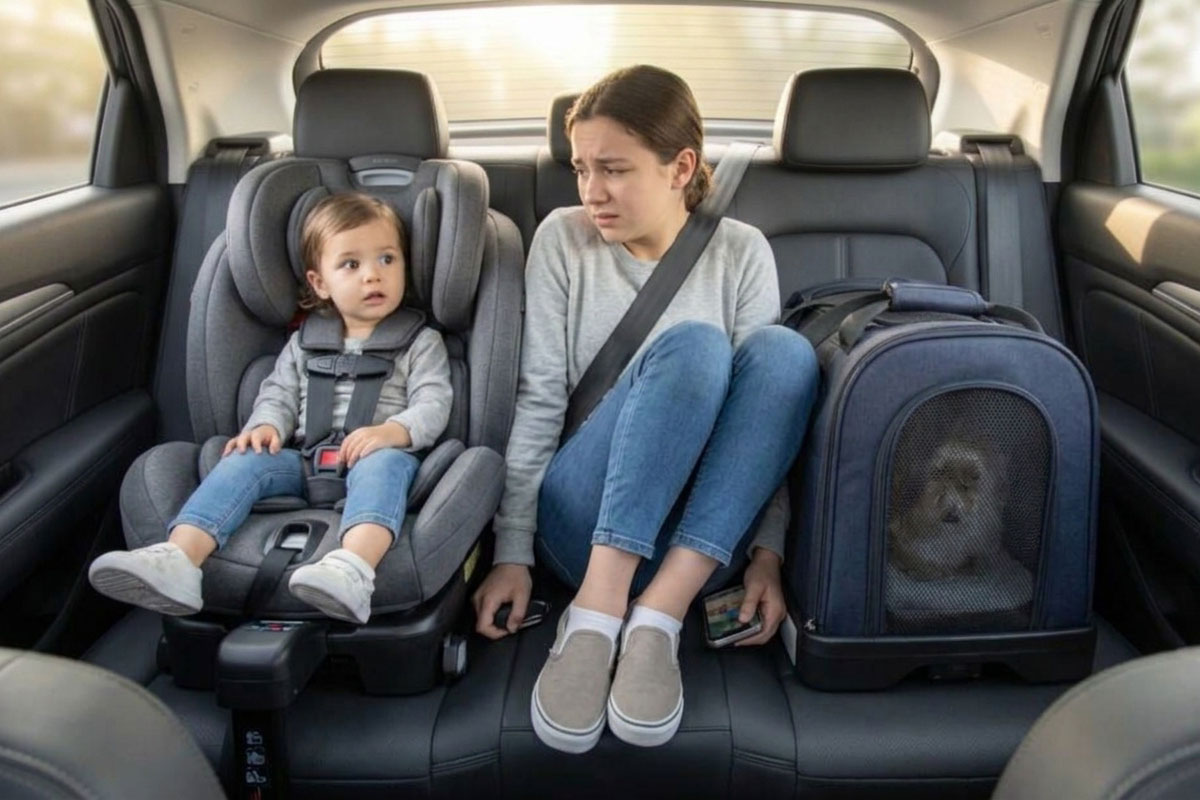
I have seen buyers compare premium pet travel systems and focus less on dog size than on rear-seat real estate. One owner may want two small dogs in two carriers. Another may already have two children’s car seats installed in a compact SUV. In those cases, the question changes quickly.
It is no longer:
- “Will my dog fit inside the carrier?”
It becomes:
- “Will this pet car seat leave enough space for everyone else?”
That difference matters for product development. A large carrier can look luxurious in a showroom photo, but the same footprint may be hard to justify in a family vehicle. A base that spreads across two seating positions can reduce the number of customers who can use the product comfortably.
For brands, the space issue can create both complaints and opportunities.
Common customer situations include:
-
Two-child households
A family may already use two child safety seats. The remaining position may be narrow, raised, or difficult to access. -
Multi-pet travel
Customers with two small dogs may prefer two compact systems rather than one oversized carrier. -
Ride-share or shared family vehicles
A removable carrier may need to dock quickly without rearranging the entire back seat. -
Passenger comfort concerns
A pet product that blocks buckles or pushes a passenger into an awkward posture may feel impractical. -
Storage and everyday clutter
Families often keep bags, jackets, toys, and emergency items in the rear cabin area.
A useful product specification can describe the occupied width of the complete installed system, not just the carrier shell. The base may be wider than the carrier. The carrier may project beyond the base. The handle may require side clearance during loading.
| Rear-Seat Question | Why Buyers Care |
|---|---|
| Does it occupy one seat or more? | Families may need adjacent seats |
| Does it block seat-belt buckles? | Passengers still need safe access |
| Can it sit beside a child restraint? | Many households already use car seats |
| Can two units fit side by side? | Multi-pet owners may need this |
| Does the carrier overhang the base? | Overhang can reduce practical space |
A pet car seat that fits an empty test vehicle may still be a poor match for a real family. Product teams can reduce that gap by documenting space requirements early, before marketing turns “compact” into a claim that the geometry cannot support.
Why Pet Car Seat Installation Position Matters More Than Buyers Expect?
Installation position can surprise buyers because rear anchors do not always mean every rear seat is available. A center seat may look convenient, but the vehicle manufacturer may not permit lower-anchor installation there, especially when outer anchors must be borrowed.
A pet car seat should be evaluated by seating position, not just by vehicle model. The correct question is where the specific system can be installed according to the vehicle layout, anchor spacing, connector design, and manufacturer restrictions. Rear-left, rear-right, and rear-center positions may produce different results.
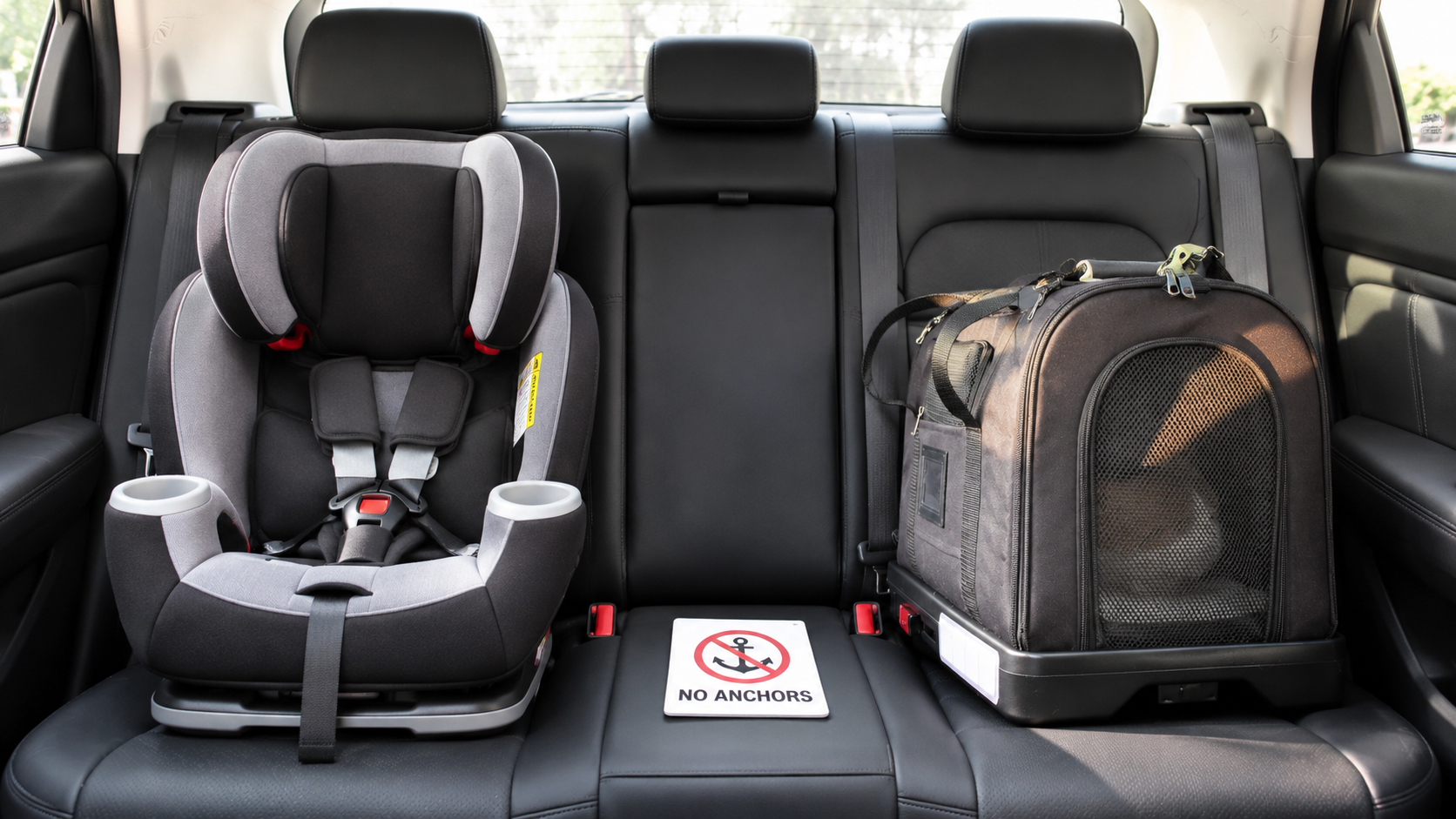
Many consumers assume that if a car has ISOFIX or LATCH anchors in the rear row, the center position is available. That assumption can be wrong.
In many vehicles, lower anchors are provided for the left and right rear seating positions. The center seat may not have its own dedicated lower anchors. Some vehicle manuals prohibit using the inner anchors from the outer seating positions to install a restraint in the center. Other vehicles have non-standard spacing or limitations for rigid connectors.
For a pet product, the same evaluation logic is useful. The product may not be a child restraint, but the anchorage interface still depends on the vehicle’s allowed use and geometry. A responsible product manual can avoid implying that anchors may be used in any convenient position.
Position-specific questions include:
- Which rear seating positions are supported by the product?
- Does the vehicle manufacturer allow lower-anchor use in that position?
- Can rigid connectors reach the anchors without twisting or interference?
- Does the base sit centered on the intended seat?
- Does the system interfere with buckles, passengers, or adjacent restraints?
- Can the carrier dock and release from that position?
For OEM and ODM development, I like to separate vehicle model compatibility from seating position compatibility. A product may work well in the rear-right position but not in the center. It may work in a five-seat SUV but not in the optional third row. It may install on one side but create door-access problems on the other.
| Seating Position | Possible Concern |
|---|---|
| Rear left | Driver-seat clearance in smaller vehicles |
| Rear right | Common loading side, but may affect front passenger space |
| Rear center | Anchor availability and permitted use vary |
| Third row | Limited anchor access and tight door opening |
| Split-folding seat area | Uneven surfaces or latch interference |
Retailers also benefit from this detail. A customer may ask, “Will it fit my car?” A better support answer is, “Which seating position do you plan to use, and what else is installed in the back seat?”
That one question prevents many misunderstandings. It also moves the discussion from vague compatibility toward real installation planning.
A Secure Pet Car Seat Connection Is Not the Same as a Stable Installation?
A locking click feels reassuring, but it does not complete the fit assessment. A connector can engage with the anchor while the base still tilts, rocks, contacts the seat unevenly, or makes carrier docking difficult.
A secure pet car seat connection means the anchor interface has engaged. A stable installation means the base, vehicle seat, connector geometry, and carrier work together as intended. Buyers and brands need to check the vehicle-to-base connection, base-to-carrier lock, and complete installed system separately.

The “click” matters. I never want to dismiss it. Clear locking feedback helps users know when the connector has engaged. However, the click only tells part of the story.
For a modular system, I prefer a staged assessment.
Stage 1: Vehicle-to-base connection
The first stage confirms that the base connects to the designated anchors. The connector needs to engage fully, release correctly, and avoid interference from seat trim, buckles, or recessed anchor pockets.
Possible issues include:
- The connector reaches the anchor but at a poor angle.
- The release button becomes hard to access.
- The connector is blocked by seat upholstery.
- The base contacts only part of the cushion.
- The seat bolster pushes the base off-center.
Stage 2: Base-to-carrier connection
The second stage looks at the carrier docking mechanism. In a modular pet car seat system, the base may stay in the vehicle while the carrier moves between stroller, hand-carry, and car use.
The carrier needs to:
- Align without excessive force.
- Provide clear locking feedback.
- Avoid side-to-side play beyond the design allowance.
- Release without awkward bending.
- Maintain the intended orientation.
Stage 3: Complete installed system
The final stage reviews the full combination. The base may be locked, and the carrier may be docked, yet the complete assembly may still feel unstable because of seat angle, high bolsters, or overhang.
| Assessment Stage | Main Question | Typical Failure Mode |
|---|---|---|
| Vehicle-to-base | Are anchors engaged? | Poor access or partial engagement |
| Base-to-carrier | Does the carrier dock correctly? | Misalignment or unclear lock feedback |
| Complete system | Does the installed system behave as intended? | Tilt, rocking, clearance conflict |
Brands need to be careful with language here. An ordinary movement check is not the same as crash-performance testing. A stable static installation can support better daily use, but dynamic performance claims require appropriate testing and evidence.
For procurement teams, I recommend asking suppliers to show installation videos from real vehicles, not only studio demonstrations. The best videos show anchor access, connector engagement, carrier docking, release, and the complete installed position. A five-second click clip is not enough for a serious vehicle-fit review.
The Hidden Problem of Front Seat Clearance and Door Access?
Front-seat clearance often appears late in product evaluation, but customers experience it immediately. A system may fit when the front passenger seat is pushed forward, then become impractical when a tall passenger or driver returns the seat to a normal position.
A pet car seat needs enough clearance for the front seat, rear door opening, carrier handle, and docking motion. Vehicle size alone does not guarantee this space. An SUV can still have limited usable clearance depending on seat adjustment, rear legroom, carrier length, and loading angle.

Vehicle categories can mislead buyers. “SUV” sounds spacious. “Compact car” sounds restrictive. In practice, rear-seat usability depends on measurements that are more specific than the category badge.
A large vehicle may have thick front seats, a sloped rear cushion, or a narrow rear door opening. A smaller vehicle may have a surprisingly square cabin that accepts a compact base well. Product teams cannot rely only on vehicle class.
Front-seat clearance depends on:
- Driver and passenger height.
- Front-seat track position.
- Front-seat recline angle.
- Rear-seat legroom.
- Carrier orientation.
- Carrier length and height.
- Seat-back angle in the rear row.
- Handle position during loading.
A pet car seat may look acceptable in a photo where the front passenger seat is moved forward. But that photo does not answer the practical question: can a passenger sit normally?
Door access adds another layer. Loading the carrier is separate from installing the base. This matters a lot for modular travel systems, where the customer may carry the pet in the same unit used for stroller and vehicle travel.
During daily use, the owner may need to:
- Open the rear door.
- Lift the carrier with the pet inside.
- Position the carrier above or in front of the base.
- Align the docking points.
- Lower or slide the carrier into lock.
- Confirm engagement.
- Later release and remove the carrier without hitting the door frame.
Each step requires space. A static dimension table does not always reveal the ergonomic problem.
| Clearance Area | Real-World Question |
|---|---|
| Front-seat back | Can the front seat stay in a normal position? |
| Rear door opening | Can the carrier enter without awkward tilting? |
| Carrier handle | Does the handle hit the frame or seat? |
| Docking path | Can the user see and align the lock points? |
| Release access | Can the user reach the button comfortably? |
For premium products, the experience of loading the carrier is part of the value. If a system promises convenience but requires twisting, tilting, or forcing the carrier into place, customers will feel the gap quickly.
Why Pet Car Seat Dimensions Alone Are Not Enough?
Product dimensions help, but they rarely describe the full installed reality. A carrier length on a product page does not tell buyers how the base sits on the cushion, how far the carrier projects, or how much clearance docking requires.
Pet car seat dimensions are useful only when they describe the complete installed system. Buyers need base width, base depth, installed height, connector position, carrier overhang, front-seat clearance, docking space, weight, and permitted installation positions. Carrier exterior size alone is too limited for vehicle-fit evaluation.

Most product pages list carrier dimensions because they are easy to measure and easy to understand. Length, width, and height help customers judge pet comfort and storage. For a modular vehicle system, though, the carrier is only one piece.
The complete pet car seat includes the carrier, base, connector system, docking hardware, and the space required to move the carrier in and out. A table measurement taken on a studio floor may not match the occupied volume in the vehicle.
A more useful specification package can include:
| Measurement | Why It Matters |
|---|---|
| Base width and depth | Defines the lower installation footprint |
| Complete installed height | Helps assess visibility and cabin space |
| Carrier projection beyond base | Shows extra occupied space |
| Connector position | Affects anchor alignment |
| Connector adjustment range | Helps fit varied seat geometries |
| Required front-seat clearance | Shows real cabin impact |
| Docking and removal clearance | Describes daily usability |
| Empty system weight | Affects lifting and handling |
| Permitted positions | Reduces incorrect placement assumptions |
For procurement, I also like to see configuration-specific dimensions. One base may support more than one carrier. One carrier may sit differently depending on adapter version or docking direction. If the product line is modular, the dimensions need to follow the actual combination being sold.
A simple dimensional review sequence
A buyer or product manager can review dimensions in this order:
-
Base footprint
Confirm how much lower-seat space the base occupies. -
Installed envelope
Review the maximum height, width, and depth of the docked system. -
Functional clearance
Check the space needed to load, release, and remove the carrier. -
Adjacent-seat impact
Measure whether buckles, child seats, and passenger space remain usable. -
Handling weight
Consider the carrier weight with a pet inside, not only empty weight.
This does not mean every brand must publish a universal compatibility guarantee. In many cases, that would be too broad. But better dimensional data gives distributors, retailers, and customers a more realistic way to judge fit before purchase.
The dimensions that matter most are the ones measured in the product’s actual installed position. That one shift can reduce a lot of confusion.
What Pet Brands Should Test Before Claiming Vehicle Compatibility?
Vehicle compatibility claims can reduce buyer anxiety, but they also create responsibility. Broad phrases like “universal fit” or “suitable for most cars” sound helpful until customers find exceptions that were never tested.
Pet brands should test the complete pet car seat configuration in defined vehicles, model years, markets, and seating positions before making strong compatibility claims. Useful records include connector engagement, clearance, installation restrictions, base version, carrier version, and verification date. A verified fit list is stronger than a broad marketing phrase.
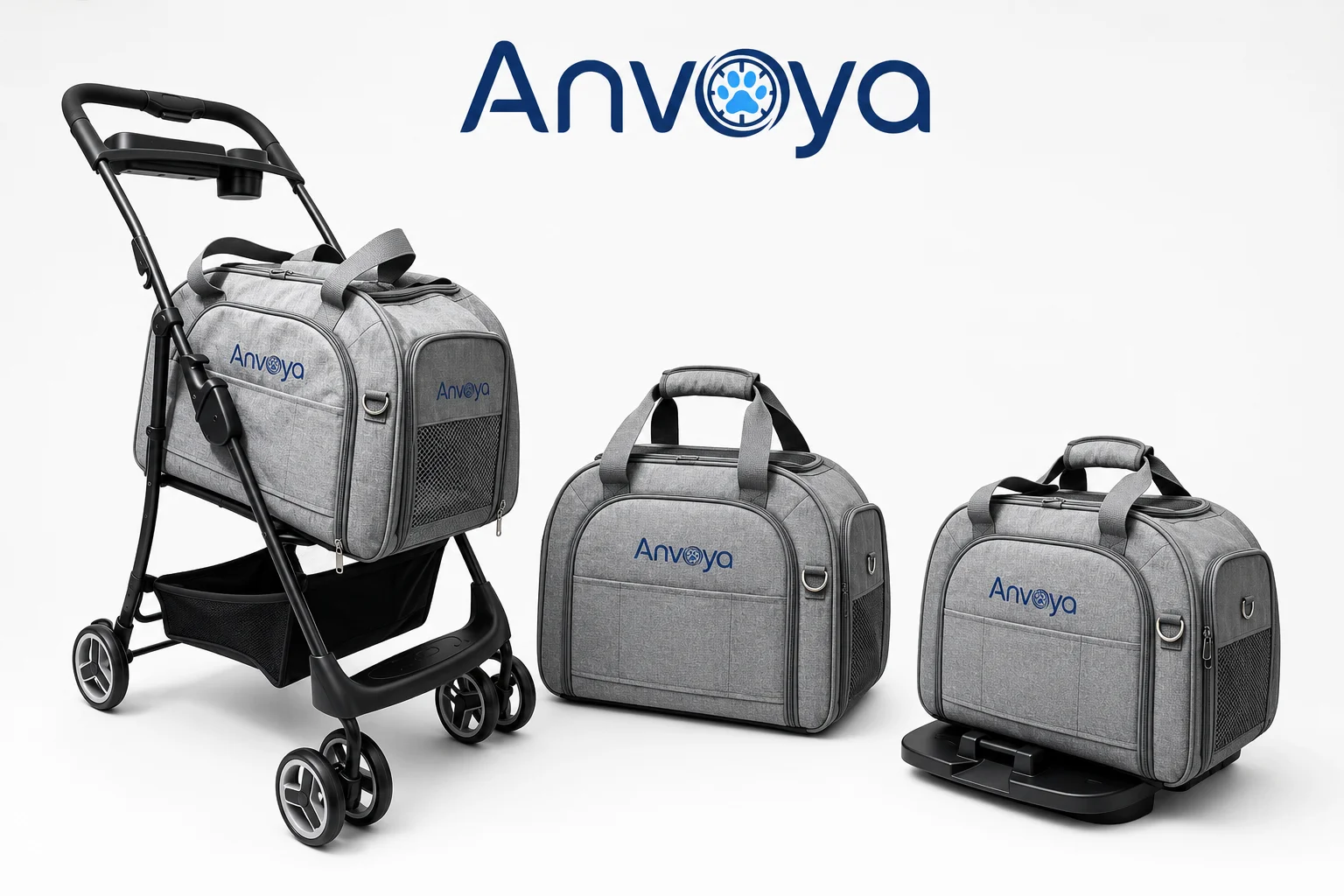
A compatibility list can be more valuable than another badge on a product page. It gives sales teams something concrete. It helps distributors answer customer questions. It also turns fit problems into engineering data instead of scattered complaints.
A serious vehicle compatibility record may include:
| Field | Example of What to Record |
|---|---|
| Vehicle manufacturer | Toyota, Volkswagen, Ford, etc. |
| Model | RAV4, Golf, Explorer, etc. |
| Model year | 2022, 2023, 2024 |
| Market specification | EU, UK, US, China, Japan |
| Seating position tested | Rear left, rear right, center |
| Base version | BASE-X V1, V2, custom OEM version |
| Carrier version | AERO, TERRA, customer carrier |
| Connector engagement | Pass, fail, restricted |
| Front-seat clearance | Acceptable, limited, not acceptable |
| Door loading access | Easy, moderate, difficult |
| Restrictions | Passenger seat must remain forward, no center use, etc. |
| Verification date | Month and year of assessment |
Compatibility status can also be more nuanced than pass or fail.
Useful status categories include:
-
Verified Fit
The defined product configuration has been physically checked in the specified vehicle and seating position. -
Not Yet Verified
The vehicle may have suitable anchors, but the complete system has not been evaluated. -
Not Compatible
A documented issue prevents use in the tested configuration. -
Restrictions Apply
Installation is possible only under clearly described conditions.
I would avoid presenting a broad compatibility database unless it has actually been built and maintained. Vehicle interiors change by model year, trim level, and market. Even the same model name may have different rear-seat layouts depending on region.
Vehicle-fit complaints are also valuable. A distributor may receive comments such as:
- “The base does not sit correctly.”
- “I cannot reach the connectors.”
- “The carrier touches the front seat.”
- “The door opening makes docking difficult.”
- “It takes up more space than expected.”
- “I cannot install it beside my child’s seat.”
Those comments are not just customer-service noise. Patterns can reveal design constraints. If several complaints come from compact SUVs with recessed anchors, connector geometry may need review. If many users struggle with docking, the carrier path or release position may need revision.
For OEM projects, this feedback loop can improve future versions and reduce avoidable returns. It also helps brands make compatibility claims that are specific, useful, and easier to defend.
How Anvoya Approaches BASE-X Vehicle Fit and OEM Development?
BASE-X gives Anvoya a structured way to discuss vehicle-ready pet travel products, but the connection mechanism is only the starting point. Real product value comes from evaluating how the base, carrier, docking system, and vehicle environment work together.
Anvoya approaches BASE-X development as a complete pet car seat system problem: vehicle-to-base connection, carrier docking, installation footprint, clearance, usability, and OEM adaptation all need review. The stronger B2B claim is not “fits every car,” but “fit can be evaluated and developed for defined use conditions.”
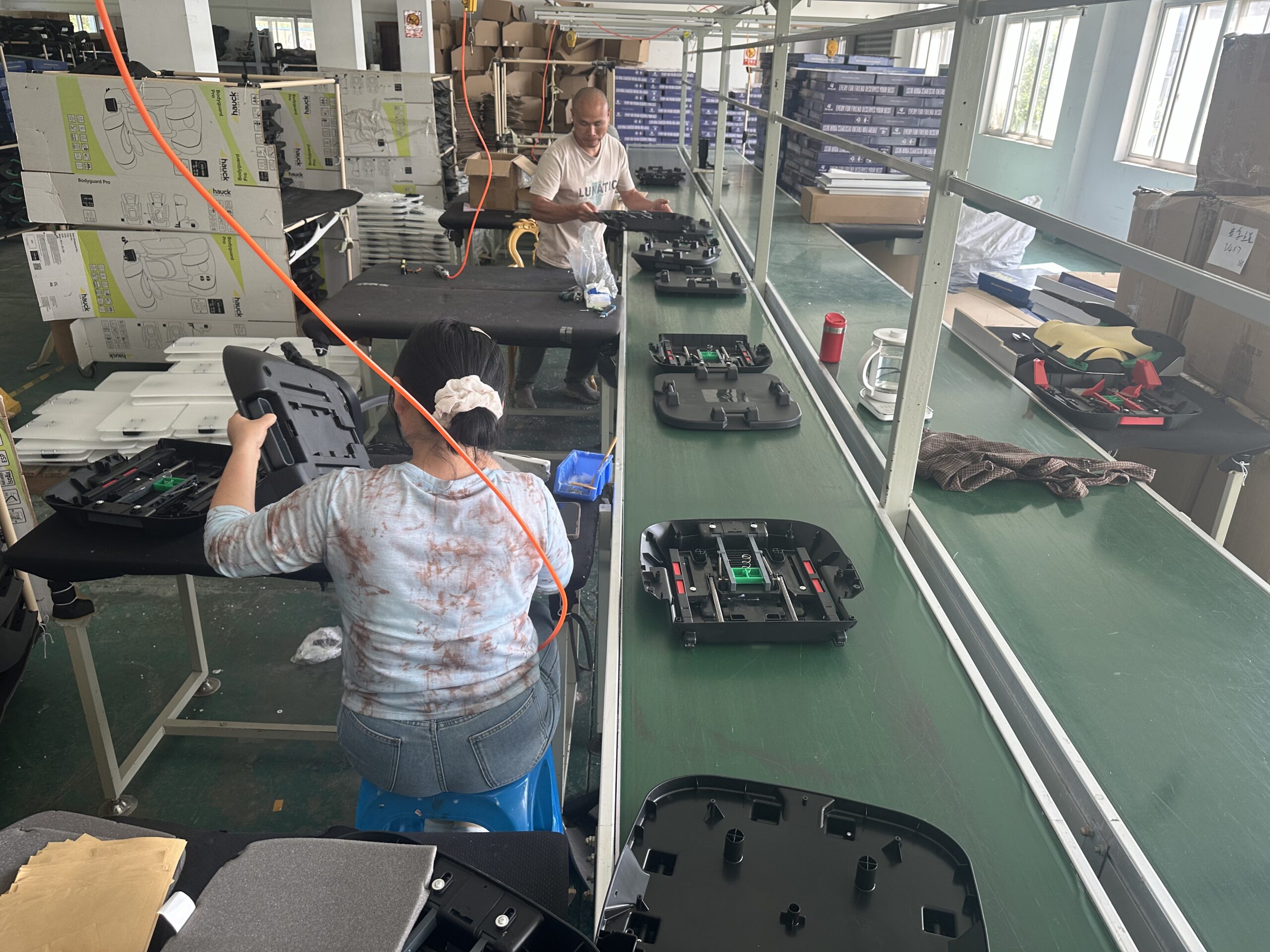
Dive deeper
In Anvoya’s business context, BASE-X is an automotive-inspired platform for modular pet travel systems. The concept connects three product worlds:
Vehicle Base + Pet Carrier + Stroller = Modular Pet Travel System
That is commercially attractive because many brands want to move beyond a traditional carrier or stroller. They want a product line that feels more integrated, more premium, and more useful across travel scenarios.
However, the engineering challenge grows as soon as the carrier becomes vehicle-ready. The base must work with the car. The carrier must work with the base. The stroller interface may affect the carrier structure. Soft goods, plastic shells, metal hardware, and release mechanisms all need to behave as one product family.
For OEM and ODM buyers, I usually see several development questions:
1. Is the customer’s existing carrier suitable for vehicle docking?
A brand may already have a successful carrier. That does not automatically mean it can become a good vehicle-ready carrier. The bottom structure, stiffness, center of gravity, handle position, and docking area all influence the final system.
2. Can the base footprint be optimized?
A smaller footprint may help families preserve rear-seat space, but it cannot compromise the intended support and locking geometry. The design work is a balance between compactness, structure, usability, and manufacturability.
3. Can users dock the carrier inside real vehicles?
A clean docking motion in the lab may become awkward inside a small rear door opening. The release handle may also need adjustment once the product is tested in actual vehicles.
4. What claims can the brand responsibly make?
ISOFIX-style anchorage can provide a defined connection method. It does not automatically establish crashworthiness or child-restraint-level certification for a pet product. Any safety, dynamic, or certification claim needs appropriate evidence, documentation, and qualified review.
Anvoya’s engineering background from child car seat and automotive-related product development is relevant here, but buyers still need to verify documents, test reports, specifications, and application fit for their own markets. A pet travel product may also be subject to different requirements depending on country, retailer, and sales channel.
For BASE-X projects, useful development priorities include:
- Vehicle fitment evaluation.
- Connector geometry review.
- Base footprint optimization.
- Carrier-to-base docking clearance.
- Release and removal usability.
- Compatibility testing across selected vehicles.
- Clear installation instructions.
- Version-specific technical records.
- Distributor and end-user feedback review.
The practical goal is to help brands understand where, how, and under what conditions a pet car seat system can be used correctly. That is a stronger OEM conversation than promising universal fit too early.
FAQ
Does ISOFIX mean a pet car seat will fit my car?
No. ISOFIX means the product is designed to connect to lower vehicle anchors. A full fit check also needs seating position, anchor access, rear-seat shape, front-seat clearance, door opening, base footprint, and carrier docking space.
Can a pet car seat be installed in the rear center seat?
Sometimes, but not always. Many vehicles only provide approved lower-anchor positions on the rear left and right seats. Some manufacturers prohibit using outer anchors for a center installation. Buyers need to check the vehicle manual and product instructions.
What dimensions matter most for a pet car seat?
Carrier size matters, but it is not enough. Buyers also need base width, base depth, installed height, connector position, carrier overhang, required front-seat clearance, docking clearance, and the full system weight when handling the product.
Why does a pet car seat fit one SUV but not another?
SUV size labels do not describe the rear-seat geometry. Anchor depth, seat cushion angle, door opening, front-seat track position, rear legroom, and trim design can all change fit. Two SUVs with similar exterior size can behave very differently inside.
What should pet brands ask suppliers before making compatibility claims?
Brands need to ask for defined test conditions, vehicle model years, seating positions, base versions, carrier versions, connector engagement results, clearance checks, and any restrictions. Broad claims like “fits most cars” are weaker than verified, configuration-specific records.
Conclusion
A pet car seat fit decision goes far beyond checking ISOFIX anchors or reading carrier dimensions. Real compatibility depends on the complete installed system, the chosen seating position, available cabin space, docking usability, and the way families actually use their vehicles. For pet brands, better fit evaluation can reduce returns and improve product trust. If you are developing a vehicle-ready carrier or modular travel system, Anvoya can support OEM/ODM discussions around BASE-X architecture, fit assessment, and practical product engineering.