
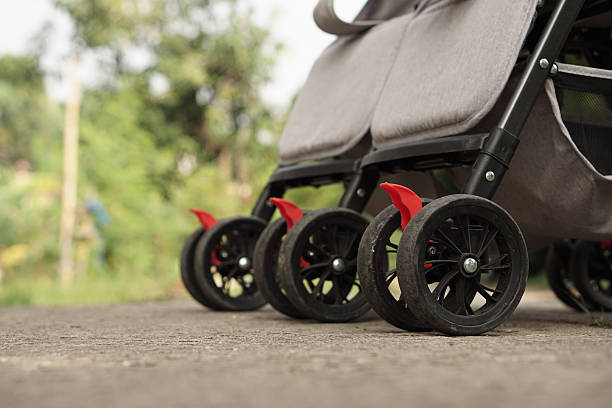
Pet stroller brakes can stop locking for a simple reason, but the result feels serious fast: the stroller moves when you expect it to stay still. That creates uncertainty, especially near a curb, driveway, or store entrance. The practical solution is to separate user-operation issues from mechanical problems before using the stroller again.
Pet stroller brakes usually fail to lock because the brake pedal is not fully engaged, debris blocks the mechanism, the wheel is installed incorrectly, the brake pin and wheel gear are misaligned, or the locking parts are worn or damaged. If the brake engages but the wheel still moves, stop using the stroller until the issue is fixed.
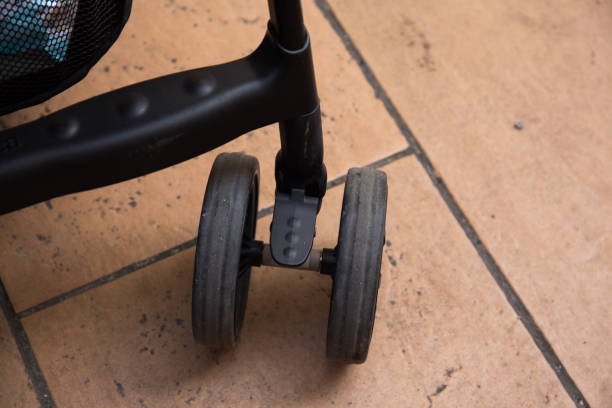
A parking brake looks like a small detail, but it depends on several parts working together. The pedal, axle, wheel hub, locking teeth, spring, and frame alignment all matter. I usually start with the simplest checks first, because many brake complaints come from engagement or assembly problems rather than a broken part.
What Causes Pet Stroller Brakes to Stop Locking?
A pet stroller brake can feel fine one week and unreliable the next. That is frustrating because the failure is not always visible. The pedal may move normally, yet the wheel still rolls. Or the pedal may feel stuck before it reaches the locked position.
Pet stroller brakes stop locking when the locking mechanism cannot fully engage with the wheel or axle. Common causes include partial pedal engagement, dirt in the brake area, incorrect wheel installation, misaligned locking teeth, worn plastic or metal parts, bent components, or an assembly issue from manufacturing or previous maintenance.
A brake that will not engage is different from a brake that will not hold
I like to separate brake problems into two practical categories:
| Brake symptom | What it often means | What to check first |
|---|---|---|
| Pedal will not click down | Obstruction, stiff linkage, incorrect wheel position | Dirt, wheel seating, pedal travel |
| Pedal clicks but wheel rolls | Locking pin not aligned, worn teeth, damaged hub | Wheel gear, axle fit, brake pawl |
| One wheel locks, the other rolls | Uneven linkage, single-side defect, wheel installation issue | Rear wheel pair, axle connection |
| Brake releases by itself | Weak spring, worn locking point, damaged pedal | Pedal return, locking stability |
| Brake works sometimes | Tolerance stack-up, debris, intermittent misalignment | Repeat engagement tests |
A parking brake on a pet stroller is usually a static holding device. It is designed to keep the stroller from rolling when parked. It is not the same as a bicycle hand brake or a dynamic braking system used while moving. That distinction matters because many people test it by pushing hard across the floor and then assume it is a moving brake. The more useful test is whether the intended wheels remain immobilized on a level surface after the brake is engaged.
Common reasons I see in product development
In pet stroller manufacturing, brake performance depends on small interactions. A few millimeters can decide whether a brake pin lands cleanly into the wheel gear or rests on the edge of a tooth.
Common causes include:
-
Incomplete pedal travel
The brake pedal may look down, but the internal part may not reach the locking position. -
Debris around the wheel hub
Hair, sand, dried mud, grass, or small stones can block movement. -
Incorrect wheel installation
A wheel that is not fully seated on the axle may not align with the brake part. -
Worn locking teeth
Plastic wheel gears can round off after repeated use, especially if the brake is forced. -
Bent or loose brake linkage
A linkage bar or pedal bracket can shift after impact or rough handling. -
Frame or axle misalignment
If the rear frame is twisted or the axle is not square, the brake may engage unevenly.
I once reviewed a returned stroller sample where the brake “failed” only after shipping. The root cause was not the pedal. A rear wheel had been removed and reinstalled without fully clicking into place. The brake pin was landing beside the locking groove instead of inside it. That kind of issue is easy to miss because the stroller still rolls normally.
The safest working assumption is simple: if the parking brake does not lock every time on a flat surface, the stroller is not ready for use with a pet inside.
How Can You Tell If a Pet Stroller Brake Is Engaging Properly?
A brake may make a clicking sound and still fail to lock. That false confidence is the risky part. If you only listen for the click, you may miss poor wheel engagement. A quick visual and functional check gives much better information.
A pet stroller brake is engaging properly when the pedal reaches its full locked position, the intended wheel or wheels stop rotating, the brake does not slip under gentle push-pull force, and the mechanism releases cleanly when unlocked. Test it empty, on a level surface, and follow the manufacturer’s instructions.

A simple brake engagement check
Use an empty stroller for the first inspection. I avoid testing with a pet inside because a sudden roll can scare the animal or cause a fall.
Try this sequence:
-
Place the stroller on a flat, dry surface.
A tile floor, garage floor, or level patio works better than carpet or gravel. -
Confirm all wheels are installed correctly.
Check for a click-in axle, locking button, or visible retention feature. -
Press the parking brake pedal fully.
Use steady pressure. Do not stomp on it. -
Look at the brake position.
The pedal needs to sit in the intended locked position, not halfway. -
Try to roll the stroller gently.
Push and pull with light force. The locked wheel or wheels need to resist rotation. -
Release the brake and roll again.
The wheels need to rotate freely after release. -
Repeat several times.
Intermittent problems often appear on the third or fourth cycle.
What “properly locked” looks and feels like
Different pet stroller brakes use different designs. Some lock both rear wheels through one pedal. Some lock only one side. Some use independent foot brakes. The owner’s manual is the reference for your model.
Still, a reliable parking brake usually has these signs:
| Check point | Good sign | Warning sign |
|---|---|---|
| Pedal movement | Smooth travel into full lock | Stiff, spongy, or half-stopped movement |
| Sound | Clear click or firm stop | Grinding, scraping, or no defined stop |
| Wheel movement | Wheel does not rotate | Wheel turns despite locked pedal |
| Repeatability | Locks the same way each time | Works randomly |
| Release | Unlocks without sticking | Pedal stays down or snaps loose |
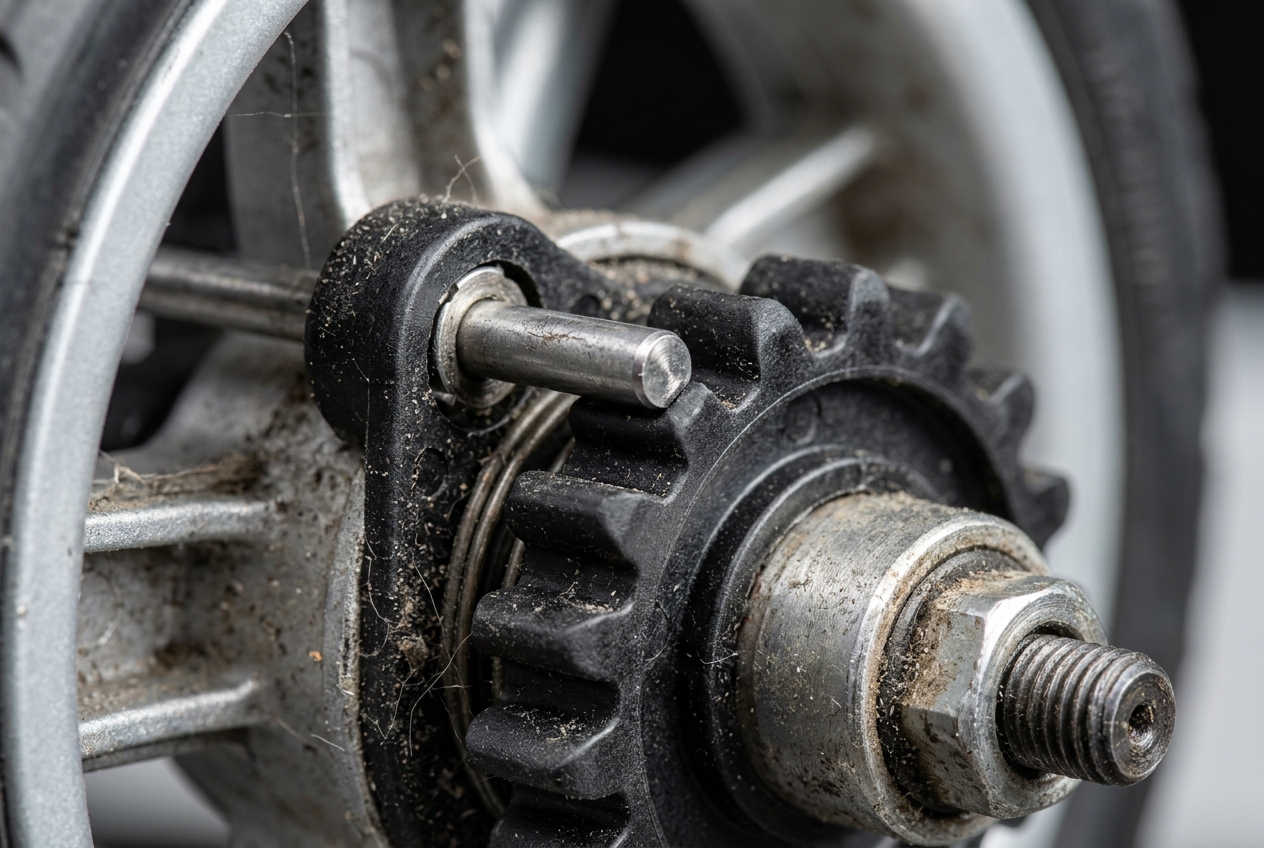
A helpful visual clue is the relationship between the brake pin and wheel gear. On many strollers, the brake has a small locking part that drops into slots or teeth around the wheel hub. If the part sits on top of a tooth instead of entering the gap, the pedal may feel engaged while the wheel remains free enough to move.
Do not over-test a questionable brake
A gentle push-pull check is enough. I do not recommend forcing the stroller down a slope to “see if it holds.” That test can damage the mechanism or create a real safety problem.
If the brake slips during a basic level-surface check, treat it as unreliable. Do not use the stroller near stairs, curbs, ramps, vehicles, store entrances, or public transport platforms until the problem is resolved. A parking brake is a small mechanism, but it is part of the product’s basic safety function.
Can You Fix a Pet Stroller Brake That Won't Lock?
A brake problem often has a simple cause, but repair has limits. Cleaning debris or reinstalling a wheel is reasonable. Bending parts, shaving plastic, adding screws, or modifying the brake geometry creates a new risk that the original design never accounted for.
You may fix a pet stroller brake that will not lock if the issue is visible debris, incomplete wheel installation, or a maintenance step approved by the manufacturer. If parts are cracked, worn, bent, loose, or repeatedly failing, avoid improvised repairs and contact the brand or supplier for compatible replacement parts.

Safe troubleshooting steps
Start with the least invasive checks. I use the same logic during sample reviews: inspect, clean, reseat, retest.
-
Read the product manual first
Some brake systems have model-specific wheel installation steps. A rear wheel may need to click twice, align with a flat axle side, or lock through a spring button. -
Remove visible debris
Look around the wheel hub, brake pedal, axle, and locking teeth. Pet hair and grit can collect quickly. -
Check wheel seating
If the stroller has removable wheels, remove and reinstall them according to the manufacturer’s instructions. -
Inspect the locking interface
Look for rounded teeth, cracked plastic, bent metal, loose rivets, or a brake pin that no longer lines up. -
Test on a level surface
Engage, push gently, release, and repeat. -
Stop if the brake remains inconsistent
A brake that locks only sometimes is not a reliable parking brake.
What you can clean
You can usually clean external areas without disassembling the brake:
- Wheel hub openings
- Axle ends
- Brake pedal area
- Locking grooves or teeth visible from the outside
- Mud or sand around the rear wheel housing
Use a dry brush, soft cloth, or compressed air if the manufacturer permits it. Avoid soaking the brake area unless the manual says the material and hardware can handle water. Some metal springs and rivets may corrode if moisture remains inside the mechanism.
What you should not modify
I avoid improvised fixes on brake parts because the geometry is often more sensitive than it looks. A small change can make the brake easier to press but weaker under load.
Avoid:
- Cutting or filing wheel teeth
- Bending brake pins or pedal arms
- Adding washers to change spacing
- Lubricating unknown plastic parts
- Replacing springs with non-original parts
- Taping the pedal down
- Drilling new holes in the frame or brake housing
Lubrication deserves special caution. Some lubricants attract dust. Some react with plastic. Some reduce friction in places where the design depends on friction. If the manual does not specify a lubricant, I would leave it alone and ask the manufacturer.
When cleaning solves the issue
Cleaning and reseating often work when the brake problem appears after:
- A beach walk
- Rainy pavement
- Storage in a garage
- Transport in a car trunk
- A wheel removal before travel
- Heavy pet hair buildup around the axle
If the brake returns to normal and passes repeated checks, continue monitoring it. If the same issue comes back quickly, the real problem may be wear, poor alignment, or part deformation rather than simple dirt.
When Should You Replace a Pet Stroller Brake or Wheel Assembly?
Replacement feels inconvenient, especially when the stroller still looks usable. But a parking brake has a clear job. If the parts can no longer lock and hold predictably, continued use turns a small defect into a safety concern.
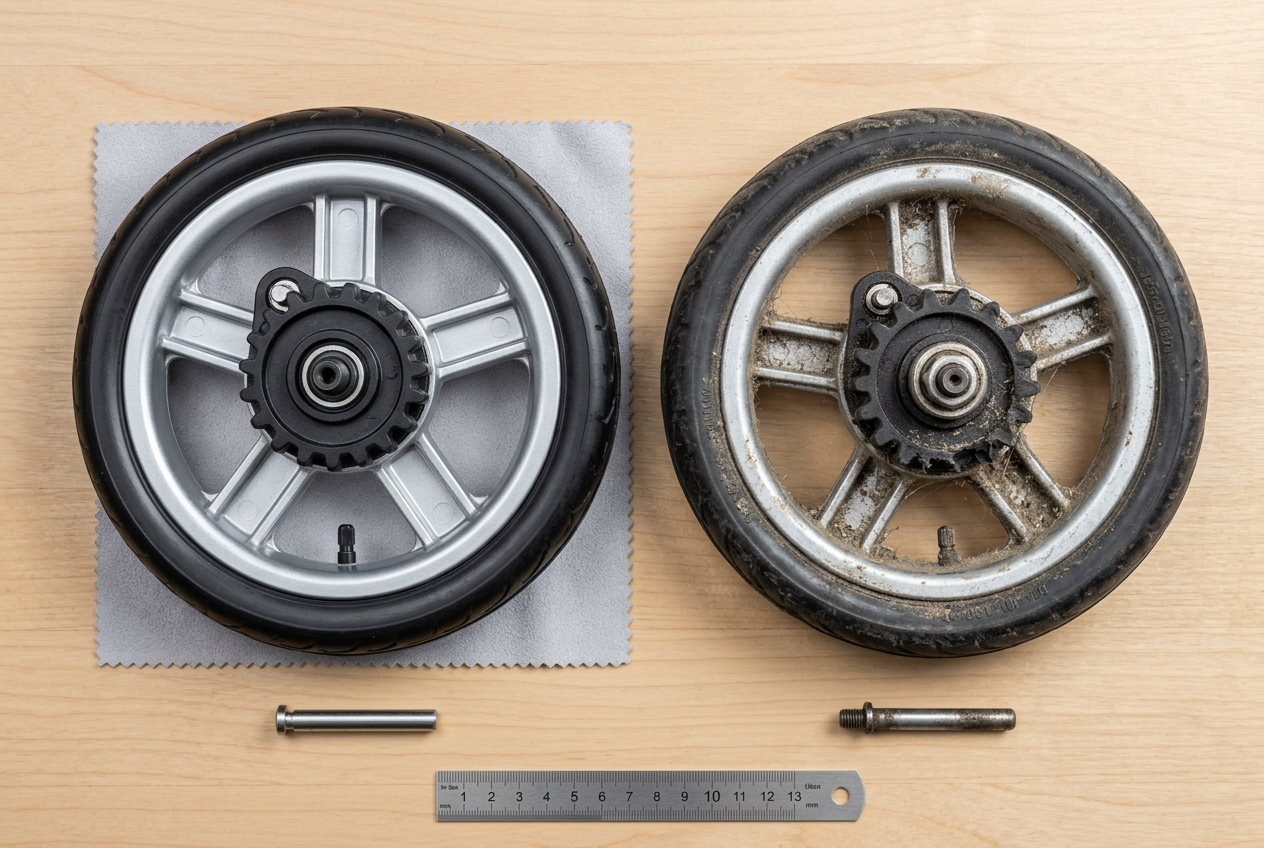
Replace a pet stroller brake or wheel assembly when the pedal is cracked, the locking teeth are worn, the wheel hub is damaged, the axle connection is loose, the brake slips after cleaning and reinstalling, or the mechanism fails repeatedly. Use compatible parts from the manufacturer or an authorized supplier.
Signs that replacement is the better choice
A brake can fail because one small part is worn, but many pet stroller designs combine the brake function with the rear wheel, axle, or pedal assembly. That means the correct replacement may be a wheel assembly rather than a single tiny component.
Look for these signs:
| Replacement signal | Likely concern | Typical action |
|---|---|---|
| Cracked brake pedal | Pedal may break under foot pressure | Replace brake assembly |
| Rounded wheel teeth | Locking pin cannot hold | Replace wheel or wheel hub |
| Loose wheel on axle | Brake alignment changes during use | Replace wheel/axle parts |
| Bent brake bar | One side may lock before the other | Replace brake linkage |
| Broken spring | Brake may not engage or release | Replace brake mechanism |
| Recurring slippage | Wear or tolerance issue | Contact manufacturer |
| Missing retention button | Wheel may detach or misalign | Replace wheel/axle component |
Compatible parts matter
A wheel that “almost fits” is not enough. The brake interface must match:
- Axle diameter
- Wheel hub width
- Locking tooth shape
- Brake pin position
- Frame spacing
- Retention method
- Left/right wheel orientation, if applicable
In development work, I have seen two wheels with the same outside diameter behave completely differently because the internal hub geometry was different. The stroller rolled fine with both. Only one version locked correctly with the brake.
That is why generic replacement wheels can create problems. A mismatched wheel may make the stroller look repaired while the brake no longer reaches the proper locking point.
Ask better questions when contacting the brand
When you contact the manufacturer, distributor, or retailer, provide specific information. It helps them identify the right part faster.
Useful details include:
- Brand and model name
- Batch number or date code, if visible
- Photos of the brake pedal
- Photos of the wheel hub and axle
- A short video showing the brake engaging and slipping
- Which wheel moves when the brake is locked
- Whether the issue started after cleaning, travel, impact, or wheel removal
A short video often answers what words cannot. I usually ask for one when diagnosing sample issues, because the timing of pedal movement and wheel movement tells a lot.
Stop using it when the risk is unclear
If the parking brake cannot be trusted, do not use the stroller with your pet inside until the issue is resolved. That advice may sound strict, but parking brake failure tends to show up at the worst time: near a slope, while loading a pet, or when both hands are busy.
A replacement part is cheaper than a runaway stroller.
How Can Pet Brands Improve Pet Stroller Brake Reliability?
For pet brands, brake complaints are not just after-sales noise. They point to design, tolerance, assembly, or quality-control gaps. A parking brake is a simple user feature, but it lives at the intersection of plastic parts, metal hardware, wheel geometry, and assembly discipline.
Pet brands can improve pet stroller brake reliability by designing clear brake engagement, controlling wheel-to-brake alignment, specifying durable locking materials, tightening component tolerances, validating assembly steps, and running repeated engagement and holding checks during development and production. Supplier selection also matters because brake consistency depends on manufacturing control.

Brake reliability starts with the interface
In OEM/ODM pet stroller development, I pay close attention to the point where the brake meets the wheel. That tiny interface carries the whole parking function.
A reliable design needs:
- Enough tooth depth for positive locking
- A brake pin or pawl that enters cleanly
- Material that resists rounding after repeated use
- Pedal travel that gives users clear feedback
- Frame stiffness that keeps alignment stable
- Wheel retention that prevents side-to-side play
- Assembly steps that operators can repeat accurately
If the brake pin barely catches the wheel tooth during a prototype review, it may still pass a quick sample demonstration. But production variation can expose the weakness. One wheel hub runs slightly wide. One axle bracket sits slightly out of position. One pedal has a little more flash from molding. Suddenly, the brake feels inconsistent.
Design factors brands can evaluate
Pet product brands do not need to become brake engineers, but they can ask better questions during supplier selection.
| Evaluation area | What to review | Why it matters |
|---|---|---|
| Brake mechanism design | Pedal travel, locking geometry, release action | Determines engagement feel and holding reliability |
| Wheel hub design | Tooth profile, material, axle fit | Controls how securely the brake locks |
| Tolerance control | Molding shrinkage, axle spacing, bracket position | Prevents batch-to-batch inconsistency |
| Assembly method | Jigs, operator checks, wheel orientation | Reduces installation errors |
| Durability validation | Repeated lock/unlock cycles | Reveals wear and fatigue |
| Holding check | Static push-pull or inclined-surface method, as defined by the brand | Confirms parking function |
| Incoming inspection | Wheel, axle, spring, pedal components | Catches defective parts early |
I avoid making universal claims about how many cycles every stroller brake must pass, because standards and brand requirements vary by market and product category. Still, repeated engagement testing is a practical baseline. A brake that works only on the first ten clicks is not ready for a real household.
Manufacturing quality control matters as much as design
A good brake design can fail if production control is weak. Pet stroller brakes often involve injection-molded plastic, stamped metal, springs, rivets, screws, and wheel assemblies. Each part has its own tolerance range. When those ranges stack in the wrong direction, the brake may sit too high, too low, too far left, or too far from the wheel gear.
Quality control can include:
- First-article inspection for brake and wheel fit
- In-process checks after axle and brake assembly
- Functional lock/release testing on finished strollers
- Wheel pull and retention checks where relevant
- Visual inspection for flash, cracks, or missing parts
- Packaging checks to prevent brake deformation during shipping
At Anvoya, our product development work sits in this kind of practical zone: wheel assemblies, mechanical components, structural design, tooling, and manufacturing quality control. For pet stroller projects, the brake is not an isolated accessory. It is part of the wheel system, frame geometry, and user experience.
Better supplier conversations lead to better products
For brands sourcing a new stroller or improving an existing model, I would focus the conversation on evidence rather than promises.
Ask suppliers:
-
How does the brake lock the wheel?
Ask for drawings or a sample cutaway if the design is new. -
Which parts control alignment?
The answer reveals whether the supplier understands tolerance stack-up. -
What materials are used for the locking teeth and brake parts?
Material selection affects wear. -
How is the brake checked during production?
A final function test is important, but in-process control catches problems earlier. -
What replacement parts are available?
A repairable product is easier to support after launch. -
How does packaging protect the brake and wheel assembly?
Shipping pressure can bend pedals or stress plastic housings.
A parking brake does not need to look complicated to deserve careful engineering. In fact, the simpler it looks to the consumer, the more consistent the internal design and assembly need to be.
Frequently Asked Questions
Why does my pet stroller brake click but not lock?
A clicking sound does not always mean full engagement. The brake pin may be landing on the edge of the wheel gear instead of inside the locking slot. Check wheel installation, visible debris, and wheel movement after locking. If the wheel still rolls, stop using the stroller until fixed.
Is it safe to use a pet stroller if one brake works?
It depends on the stroller design, but I would treat a single unreliable brake as a safety issue. Some models are designed to lock both rear wheels with one pedal. If one side moves when locked, the stroller can pivot or roll. Contact the manufacturer for guidance.
Can dirt or pet hair stop pet stroller brakes from locking?
Yes. Pet hair, sand, dried mud, and small stones can block the brake pedal, wheel hub, or locking teeth. Clean only the visible areas and follow the product manual. If cleaning does not restore consistent locking, the problem may involve wear, damage, or misalignment.
Should I lubricate a pet stroller brake that feels stiff?
Use lubricant only if the manufacturer recommends it. Some lubricants attract dust, affect plastic, or reduce friction where the brake needs grip. A stiff brake can also indicate debris, bent parts, or misalignment, so inspection is safer than spraying oil into the mechanism.
When should I contact the manufacturer about brake failure?
Contact the manufacturer when the brake slips after cleaning and wheel reinstallation, when parts look cracked or worn, or when the brake works inconsistently. Send photos and a short video. Compatible replacement parts are important because wheel and brake geometry must match.
Conclusion
Pet stroller brakes usually fail for practical reasons: incomplete engagement, debris, incorrect wheel installation, misalignment, worn locking teeth, or damaged parts. The safest approach is to test the stroller empty on a level surface, avoid improvised modifications, and stop using it if the brake cannot hold reliably. For pet brands developing stroller lines, brake reliability begins with wheel-to-brake design, tolerance control, assembly checks, and supplier capability. If your brand is evaluating a pet stroller project, Anvoya can support OEM/ODM development with engineering-led product review and manufacturing quality control.