
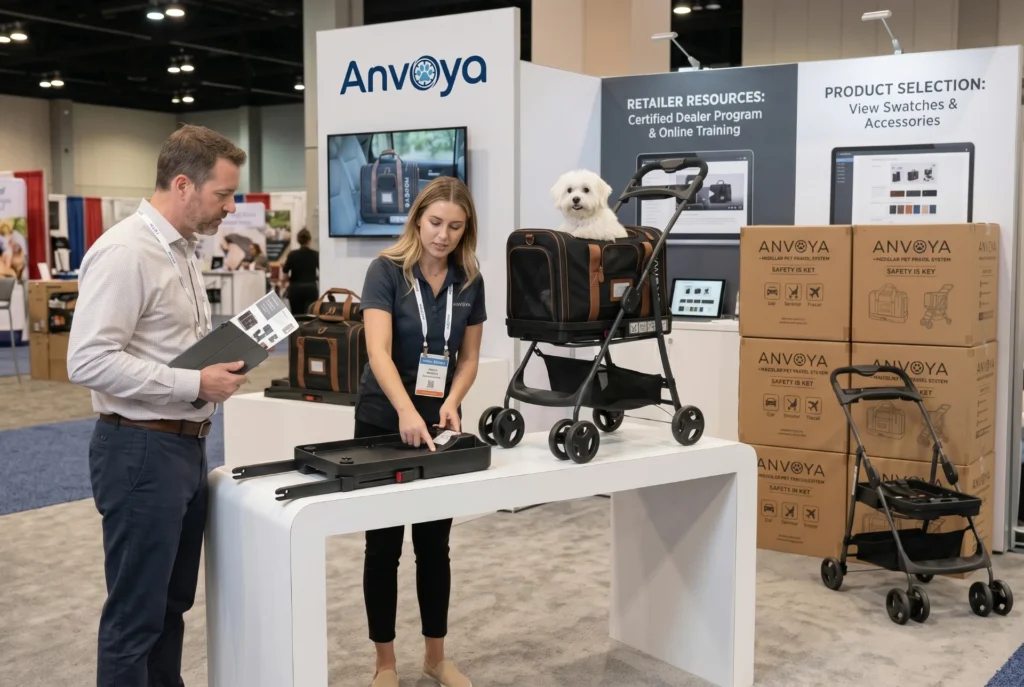
Many pet parents believe a soft carrier is enough for car rides. I once thought the same. Then I saw what happens when braking hard. The difference shocked me.
ISOFIX pet car seats anchor directly to the vehicle’s fixed points. This controls sliding, tipping, and force transfer during braking. Regular carriers mostly contain the pet. They rarely manage how crash forces move through the seat and car.
Key Takeaways
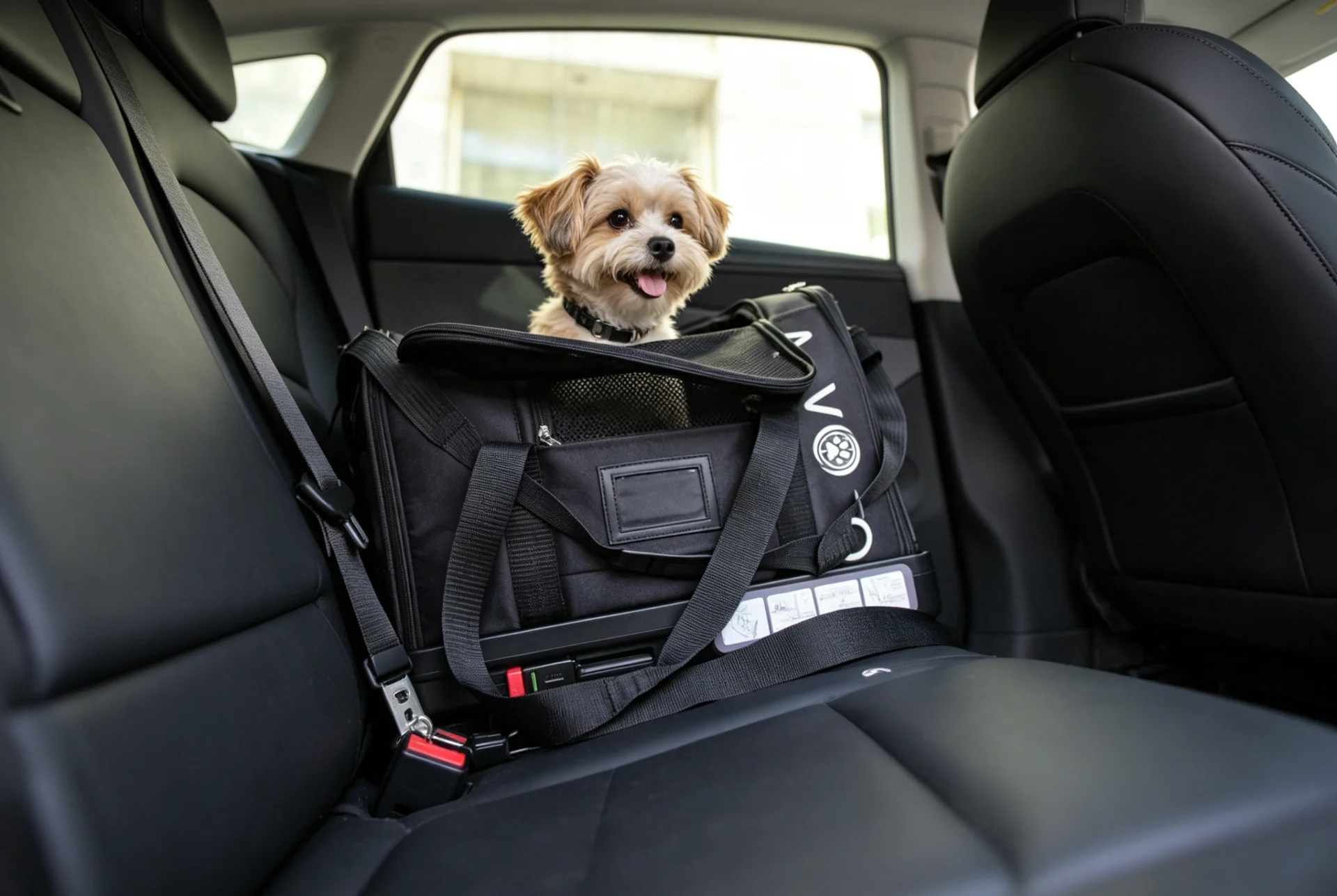
- The biggest safety risk during vehicle travel is uncontrolled movement inside the cabin.
- ISOFIX-inspired pet car seat systems are designed to improve carrier stability and reduce unnecessary movement during transportation.
- Premium pet travel safety is not only about protecting pets, but also about supporting safer and less distracting vehicle travel for human passengers.
Understanding ISOFIX: What Makes It Reliable?
Car cabins are dynamic spaces. Under braking, everything shifts. ISOFIX reduces chaos by giving the seat a fixed home. I learned this building child seats before moving to pets.
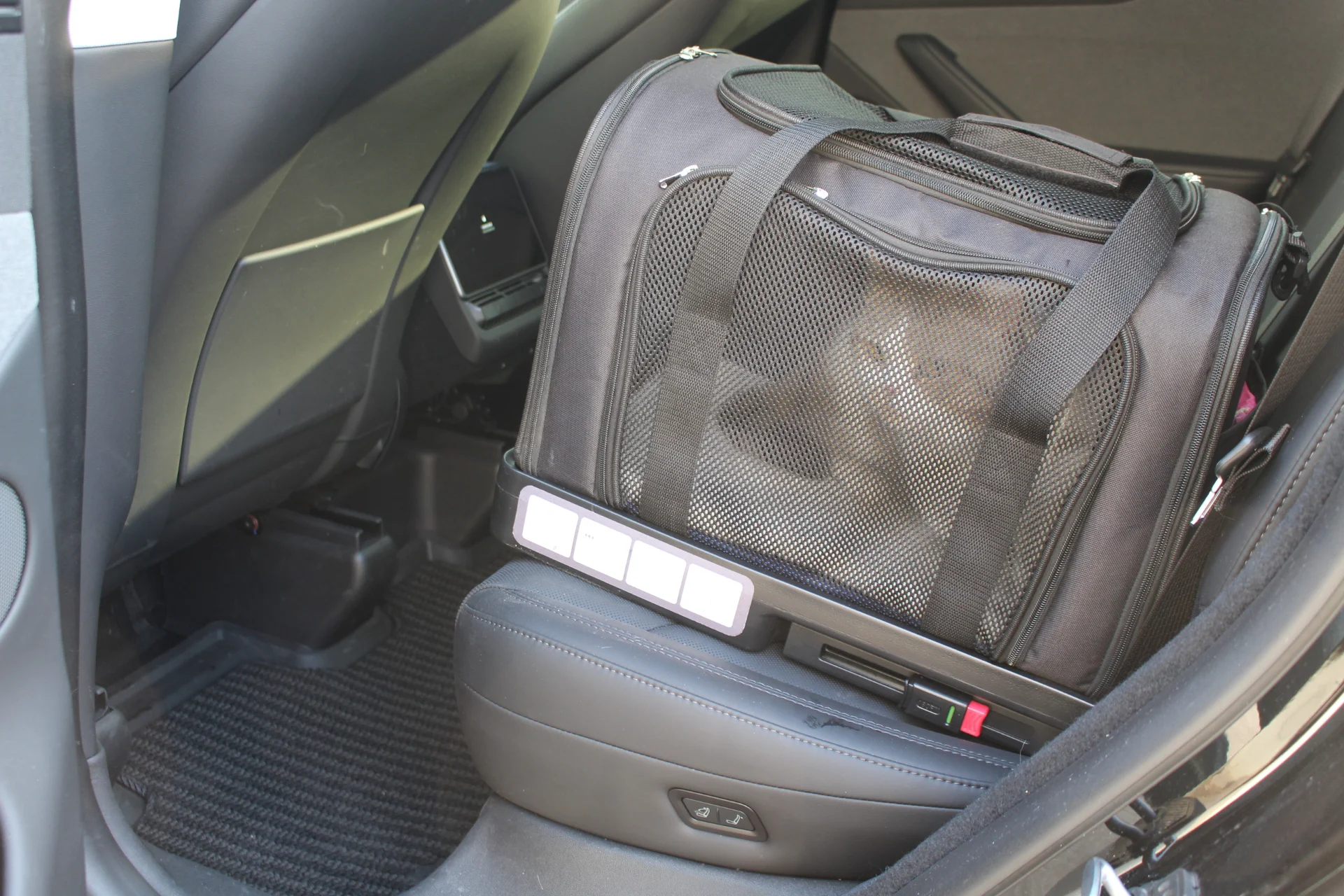
ISOFIX is a rigid connection system built into many cars.[^1] Two metal bars in the seat bite onto matching connectors on the pet seat base. This direct link limits unwanted motion and improves stability under load.
How ISOFIX works
ISOFIX uses two fixed anchor bars in the vehicle seat. A rigid base on the pet seat locks onto these bars. In my work, I treat this as the first hard link in the force path.
Force path basics
Loads from braking or a bump should flow into the car body, not only into foam or fabric. A rigid base and ISOFIX connectors help send force to the anchors. This reduces sliding and rotation.
Where it helps
The benefit shows during sudden stops, swerves, and rough roads. I have watched non-anchored carriers tip or skate forward. ISOFIX reduces that movement, so the restraint system can do its job.
| Connection mode | Where load goes | Movement control | Real-world feel |
|---|---|---|---|
| Loose carrier on seat | Seat fabric and friction | Poor | Slides and tips |
| Seatbelt-wrapped carrier | Belt loop and soft bag panels | Moderate, inconsistent | Shifts under belt tension |
| ISOFIX rigid base | Vehicle anchor bars and base | Better, more consistent | Firm, repeatable positioning |
No system can prevent all injury. But good anchoring gives the restraint a chance to work as intended.
Common Risks with Regular Pet Carriers?
I used to strap a carrier with a single belt and hope for the best. Then I watched a sudden stop test in a closed lot. The carrier moved more than I expected.
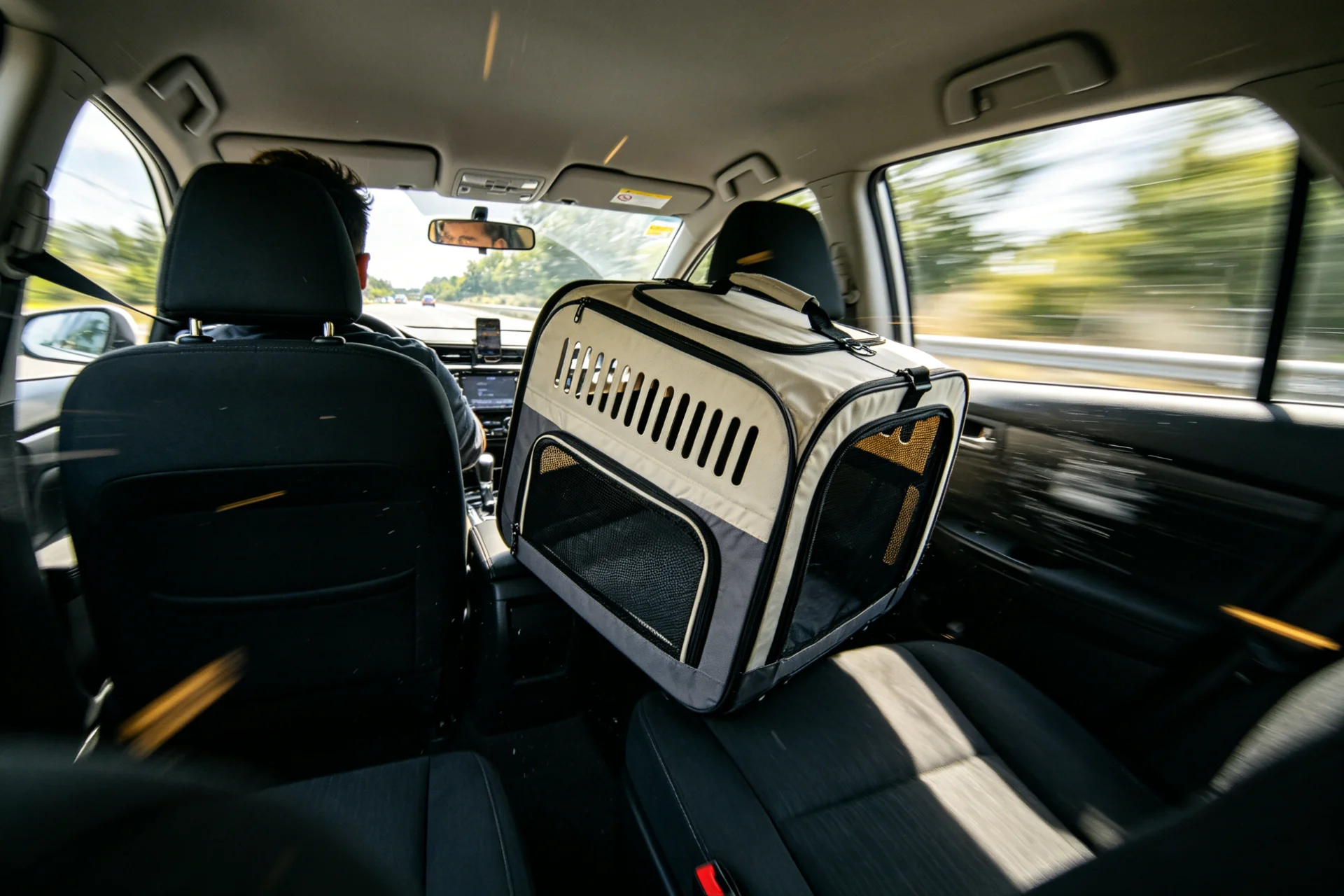
Regular pet carriers focus on containment, not crash management.[^2] Many lack rigid anchoring, defined load paths, or anti-rotation control. During hard braking, they can slide, tip, or become projectiles, risking people first and then the pet.[^3]
What a carrier is built to do
Most carriers keep pets comfortable. They manage fur, mess, and escape. These are good goals. But daily comfort is different from dynamic stability in a car.
What happens under load
In a rapid stop, friction alone often fails. Soft walls deform. Belts that pass around a bag can slip or crush the bag. Force goes where the materials are weakest, which can be random.
Why this matters to people first
An unsecured carrier can hit a seatback or a person. I have seen a carrier slide into the footwell. That is a direct safety risk for the driver and passengers.[^4]
| Scenario | What happens | Risk to people | Risk to pet |
|---|---|---|---|
| Hard braking | Carrier slides forward | Impact with legs/knees | Pet hits wall of bag |
| Sharp corner | Carrier tips sideways | Startle, driver reaction | Pet compressed against side |
| Rear collision | Carrier lifts/rotates | Strikes seatback | Harness contact points load |
Containment is not the same as restraint. The cabin is small. Everything inside becomes part of the event.
Crash-Test Standards and Certifications?
Many buyers ask me for a pet-seat equivalent of child-seat rules. I wish I could hand over a global certificate. It does not exist today.
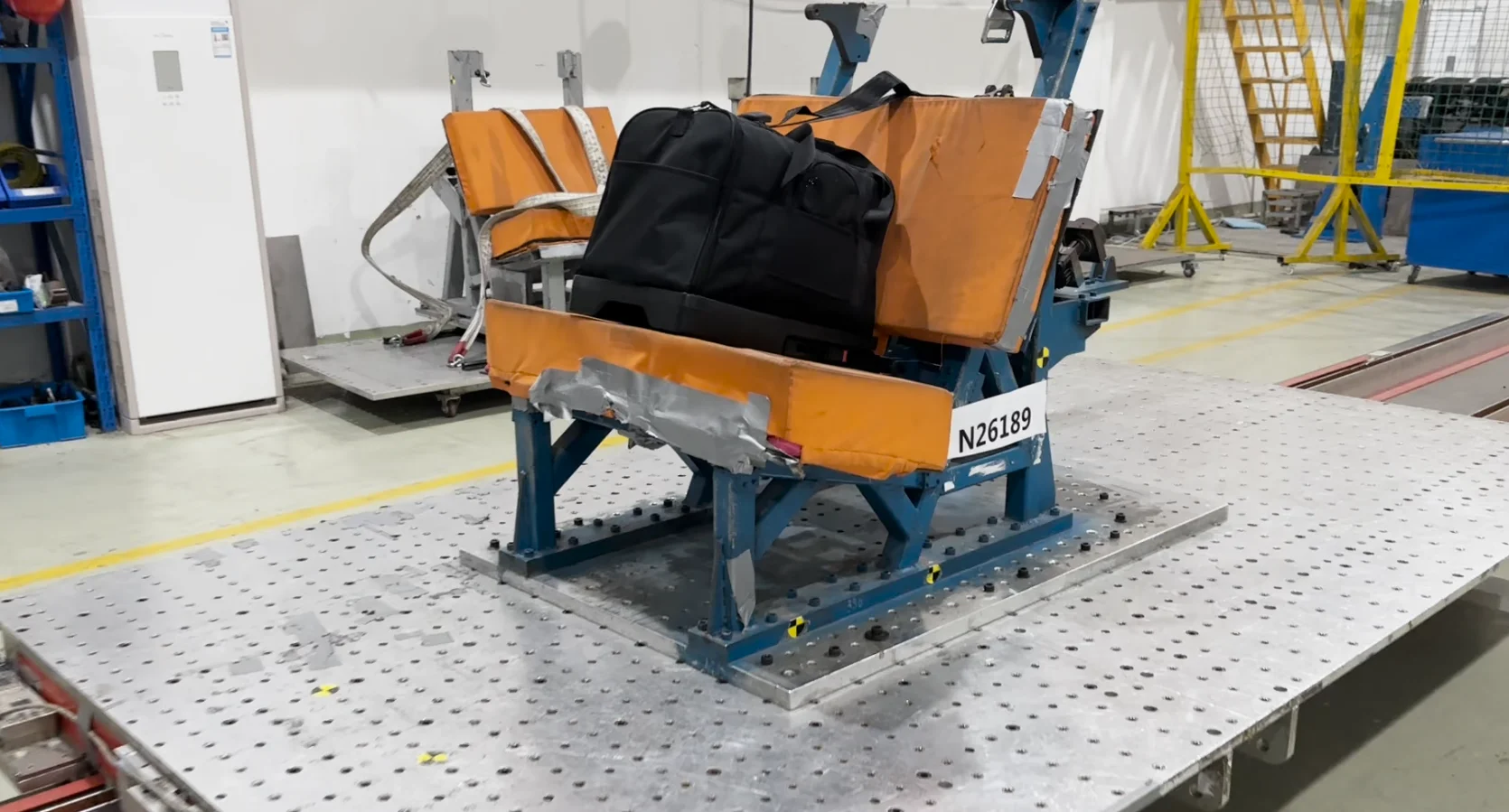
There is no unified global regulation for pet travel seats. Responsible makers adapt child-seat engineering logic, run defined dynamic and durability tests, and document materials and connections. Ask for methods, not miracle badges.
What exists
Child car seats follow strict rules, like ECE-based standards in Europe.[^5] Pets do not have one worldwide rule today. This is the gap my team works to address with design logic and testing discipline.
What we actually do
We borrow proven ideas: rigid bases, defined anchors, anti-rotation control, load paths, and energy management. We run internal dynamic checks and bench tests. We record methods and limits. We never claim equivalence to child-seat certification.
What to ask suppliers
Ask how they test anchoring strength, connector durability, and restraint stability. Ask where load goes. Ask to see drawings or photos of the base and connectors. Ask for test videos or reports that describe methods and setups.
| Area | Pet travel today | Child seats | What to ask suppliers |
|---|---|---|---|
| Regulation | No unified global rule | Strict, codified | Methods used, standards referenced |
| Anchoring | Varies by design | Defined (ISOFIX/LATCH) | Anchor type, load ratings, corrosion tests |
| Dynamic testing | Maker-defined protocols | Regulated sled tests | Test speeds, dummy mass, fixtures, outcomes |
| Materials | Maker-selected | Specified and verified | Shell grade, foam type, cycle and UV tests |
Clear methods beat vague claims. A logo alone is not proof.
Features B2B Buyers Should Prioritize?
I sit with buyers who want a real safety story, not just a soft bed. They need simple installation, consistent anchoring, and honest documentation. So I give them a clear checklist.
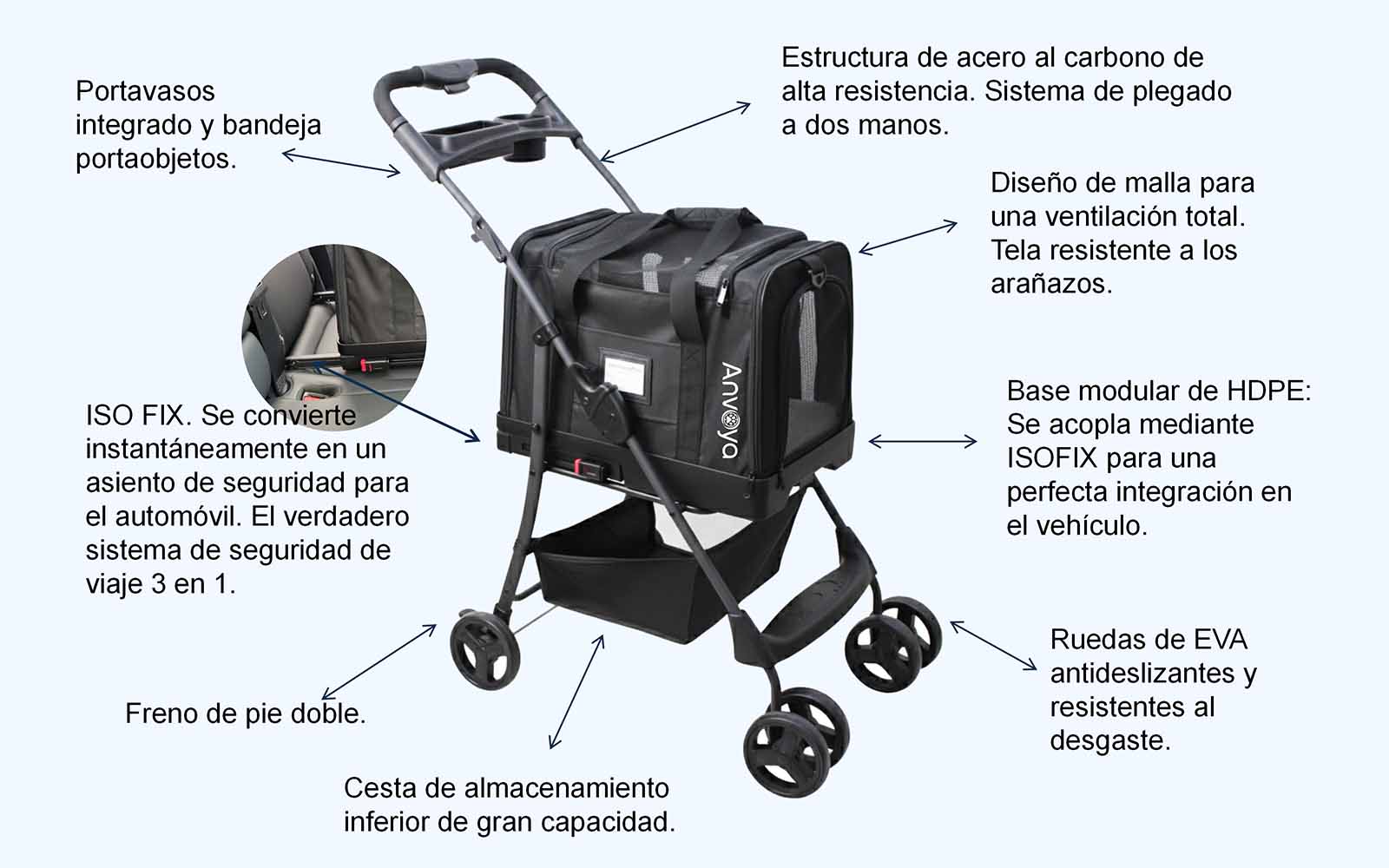
Focus on how the seat connects, how it limits movement, and how it holds the pet. Look for a rigid base, ISOFIX connectors, anti-rotation control, defined restraint points, and documented testing.
Anchoring first
I start every design review with anchoring. The base must lock to ISOFIX with a positive click and a visible status. Play in the connection should be minimal and within a stated range.
Movement control
Anti-rotation matters.[^6] This can be a support leg, a top tether point if the design uses one, or a bracing geometry against the vehicle seatback. The goal is to limit forward pitch and roll.
Pet restraint and comfort
A good seat has defined leash points tied to the base, not just to fabric.[^7] Energy-absorbing zones can soften peaks. Covers should be cleanable. The pet should sit naturally without forcing joints.
| Feature | Why it matters | What I check |
|---|---|---|
| Rigid base with ISOFIX[^8] | Direct load path, repeatable setup | Steel thickness, welds, connector tolerance, corrosion |
| Anti-rotation control | Limits pitch and roll | Leg stiffness or tether path, seatback interface |
| Base-to-bag structural link | Keeps restraint tied to structure | Bolts/rivets location, backing plates, pull tests |
| Defined restraint attachment | Predictable restraint loading | Load rating, stitching spec, reinforcement area |
| Adjustability and fit | Fits more cars, fewer returns | Slider range, level markers, clear labels |
| Service and spares | Field reliability and trust | Replaceable covers, connectors, and harness parts |
Great materials help. A clear force path helps more.
Tips for Choosing ISOFIX Pet Seats for Your Store or Wholesale Orders?
My best wholesale customers move fast because they choose with a plan. They check fit, training, packaging, and support. They ask about test methods up front. They reduce surprises later.
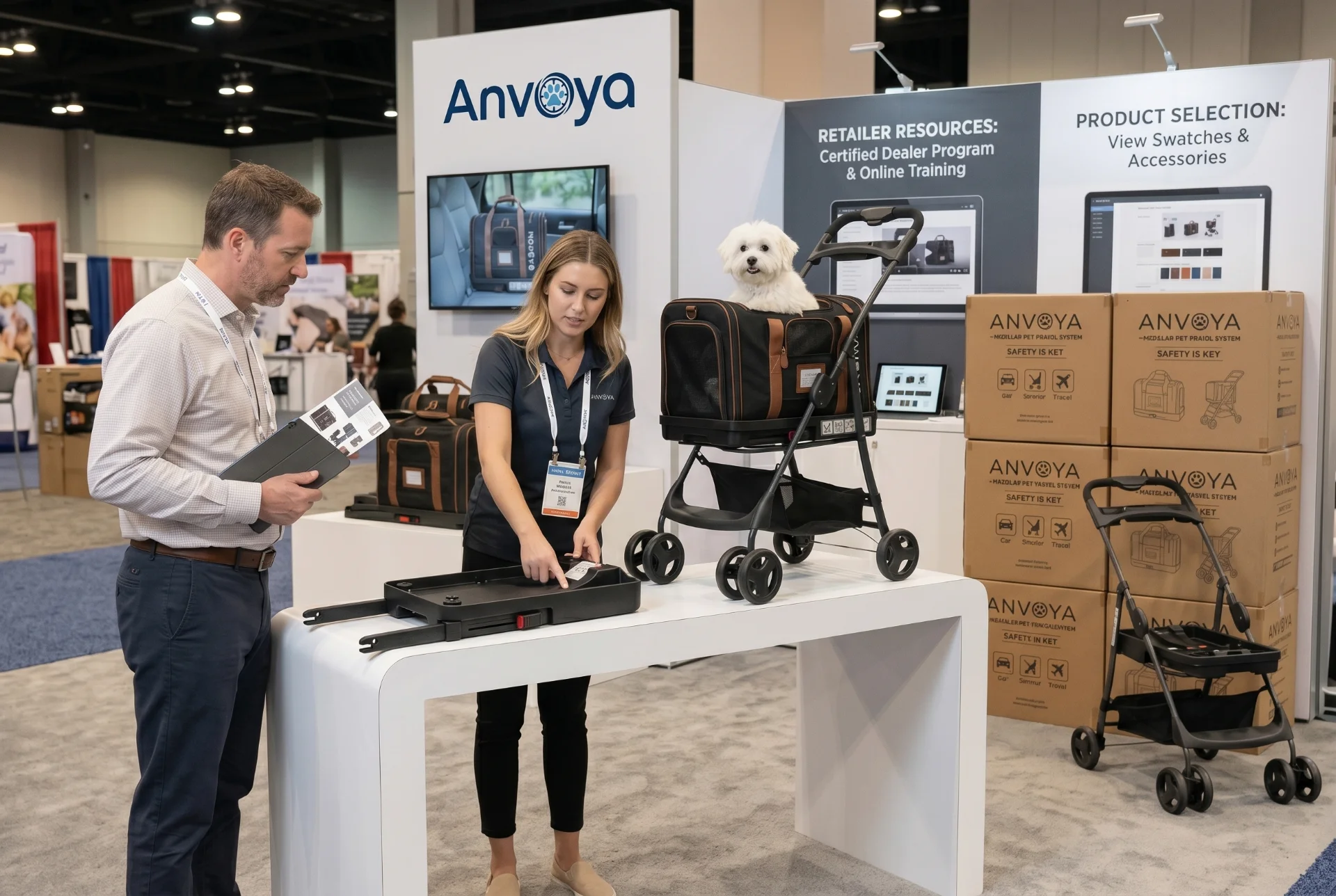
Run a simple pilot. Verify vehicle fit, installation time, and customer instructions. Review documented test methods. Confirm packaging and after-sales parts. Then scale with confidence and a clear education plan.
Fit coverage
Pick seats that work across common vehicles in your region. Bring two or three car types to a fitting day. Time each install. Aim for a simple, repeatable routine under two minutes.[^9]
Education and display
Your team needs a fast script: why anchoring matters, how to click in, how to secure the pet. A small in-store demo base or a short video loop improves sell-through and reduces returns.
Packaging and service
Check carton size, drop resistance, and protective wraps around connectors. Confirm spare parts, warranty process, and cleaning guides. Clear support protects your margins and your reputation.
| Tip | Checklist | Outcome |
|---|---|---|
| Vehicle fit pilot | 3 vehicle types, install time, angle checks | Fewer complaints, faster sales |
| Staff training | 10-minute guide, demo base, video loop | Better customer confidence |
| Documentation review | Test methods, photos, material specs | Credible safety story |
| Packaging validation | Drop test, corner guards, scuff protection | Lower damage rate |
| After-sales plan | Spares list, cleaning guide, warranty terms | Lower downtime, happy customers |
In my experience, these steps turn a good product into a reliable category.
Why Pet Travel Safety Also Affects Human Safety
During vehicle travel, unsecured pets or unstable carriers can create more than pet safety risks alone.
Sudden movement inside the cabin may distract the driver, interfere with passenger space, or create uncontrolled load shifts during braking and turning.
For this reason, modern pet travel safety is increasingly viewed as part of overall vehicle safety rather than simply pet comfort.
This is one reason why premium modular pet travel systems are adopting automotive-inspired anchoring concepts and more stable structural designs.
Conclusion
ISOFIX changes how forces move. Anchoring first, then restraint. People first, pet protected. No guarantees, but better control. Choose clear methods, not slogans. Then teach customers well.
FAQ
Why are ISOFIX-inspired pet car seats considered safer?
ISOFIX-inspired systems are designed to improve carrier stability and reduce uncontrolled movement during vehicle travel through more secure anchoring concepts.
What is the biggest safety risk during pet car travel?
One of the biggest risks is uncontrolled movement inside the vehicle cabin during braking, turning, or sudden motion changes.
Are soft pet carriers enough for vehicle travel?
Soft carriers may improve portability and comfort, but many lack stable anchoring and movement-control features designed for vehicle transportation.
Why does pet travel safety also affect human safety?
Unsecured pets or unstable carriers may distract the driver or create uncontrolled movement inside the cabin, which can affect overall vehicle safety.
Do all pet travel systems support ISOFIX?
No. Some premium modular systems use ISOFIX-inspired engineering concepts, but not all products include true ISOFIX-compatible structures.
Retailers should evaluate anchoring stability, carrier locking systems, structural reinforcement, material quality, and multi-scenario travel compatibility.
[^1]: "Isofix - Wikipedia", https://en.wikipedia.org/wiki/Isofix. ISOFIX is an international standard (ISO 13216) for attachment points for child safety seats in passenger cars. The system provides a rigid connection to the vehicle's body, intended to make installation quicker and safer. Evidence role: definition; source type: encyclopedia. Supports: That ISOFIX is an international standard for attaching child safety seats to vehicles..
[^2]: "What are the pros and cons of using a soft pet carrier vs. a ... - Quora", https://www.quora.com/What-are-the-pros-and-cons-of-using-a-soft-pet-carrier-vs-a-hard-pet-carrier-for-your-cat-or-dog. Studies and market analyses by pet safety advocates show that most commercially available pet carriers are designed for containment and ease of transport, with features focused on ventilation, comfort, and cleaning, rather than structural integrity or performance in a vehicle crash. Evidence role: general_support; source type: research. Supports: That the majority of pet carriers on the market are designed for temporary containment, portability, and comfort, and are not engineered or tested to provide protection in a vehicle collision..
[^3]: "Force on Driver in Example Car Crash - HyperPhysics", http://hyperphysics.phy-astr.gsu.edu/hbase/carcr2.html. Automotive safety organizations and studies on crash dynamics warn that unsecured objects inside a vehicle can become projectiles during a collision or hard braking, with their effective weight multiplied by the force of deceleration, posing a significant injury risk to occupants. Evidence role: general_support; source type: institution. Supports: That unsecured objects in a vehicle can become dangerous projectiles during a sudden stop or collision, posing a risk to occupants.. Scope note: While sources may not specifically mention pet carriers, the physical principle applies to any object of similar mass and lack of restraint.
[^4]: "Drive Safe: Secure Your Load - NHTSA", https://www.nhtsa.gov/drive-safe-secure-your-load. Driver safety organizations and vehicle manufacturers explicitly warn against placing loose objects on the floor of the driver's area, as they can shift and become lodged under the brake or accelerator pedals, leading to a loss of vehicle control. Evidence role: general_support; source type: institution. Supports: That objects obstructing the driver's footwell, particularly the pedals, are a recognized and serious safety hazard..
[^5]: "49 CFR 571.213 -- Child restraint systems - eCFR", https://www.ecfr.gov/current/title-49/subtitle-B/chapter-V/part-571/subpart-B/section-571.213. Child restraint systems are governed by comprehensive regulations, such as the United Nations Regulation No. 129 (i-Size) in Europe and the Federal Motor Vehicle Safety Standard 213 in the United States, which mandate specific design, performance, and testing requirements, including dynamic crash tests. Evidence role: case_reference; source type: government. Supports: That child car seats are subject to detailed, legally binding regulations in major markets..
[^6]: "Study Explores Safety of Rear-Facing Car Seats in Rear Impact Car ...", https://wexnermedical.osu.edu/mediaroom/pressreleaselisting/study-explores-safety-of-rear-facing-car-seats-in-rear-impact-car-crashes. In the field of child passenger safety, anti-rotation devices like a support leg or top tether are considered critical for limiting the forward pitching motion of a car seat in a frontal crash. This control helps to reduce head excursion and the forces exerted on the occupant's neck and spine. Evidence role: mechanism; source type: education. Supports: That anti-rotation devices are a key safety feature in child restraints because they limit forward rotation during a frontal impact, reducing the risk of head and neck injuries.. Scope note: The evidence is drawn from child safety research, but the mechanical principle of limiting rotational movement to improve occupant safety is broadly applicable.
[^7]: "REGULATORY TESTING AND 3D SCANNING ...", https://www.ornl.gov/publication/regulatory-testing-and-3d-scanning-methodology-dpp-1-type-shipping-container-nct-and. Crash testing conducted by independent organizations like the Center for Pet Safety has demonstrated that a common failure mode in pet travel restraints is the separation of the tether or harness attachment point from the main carrier structure, particularly when it is only sewn into fabric rather than being anchored to a rigid frame or base. Evidence role: case_reference; source type: research. Supports: That crash tests of pet travel products have shown that attachment points sewn only to fabric covers or soft-sided structures are common points of failure..
[^8]: "Road Safety Barrier Systems Types: Flexible, Rigid, Semi Rigid", https://www.highwayguardrail.org/products/highway-guardrails/road-safety-barrier-types.html. Engineering principles dictate that a rigid structure provides a more predictable and direct load path for transferring forces between two points. In the context of vehicle safety, a rigid base connected to chassis anchors ensures that deceleration forces are managed by the vehicle's structure rather than being absorbed unpredictably by a deforming, softer object. Evidence role: mechanism; source type: paper. Supports: That a rigid base connected to a fixed anchor provides a more predictable and efficient path for transferring forces than a soft or flexible structure..
[^9]: "[PDF] Additional Analysis of the National Child Restraint Use Special Study", https://www.nhtsa.gov/sites/nhtsa.gov/files/documents/13648-additional_analysis_of_ncruss_071718_v3_tag.pdf. Research by transportation safety bodies like the National Highway Traffic Safety Administration (NHTSA) on child restraint systems has consistently shown a high prevalence of installation errors. Features that simplify and shorten the installation process, such as the ISOFIX/LATCH system, have been demonstrated to reduce the rate of critical misuse. Evidence role: statistic; source type: government. Supports: That complex or lengthy installation procedures for safety devices are correlated with high rates of user error, which compromises safety.. Scope note: The data pertains to child car seats, but the human factors principle—that simplicity reduces error—is directly applicable to the installation of any vehicle safety device.