Pet retailers face a dilemma: fragmented product lines, high SKU counts, and single-purchase items that limit customer value. Is there a better way?
Modular pet travel systems offer a transformative solution for retailers, combining safety, versatility, and increased customer lifetime value. These systems provide a unified ecosystem of interchangeable carriers and accessories, built on a robust, engineered base.
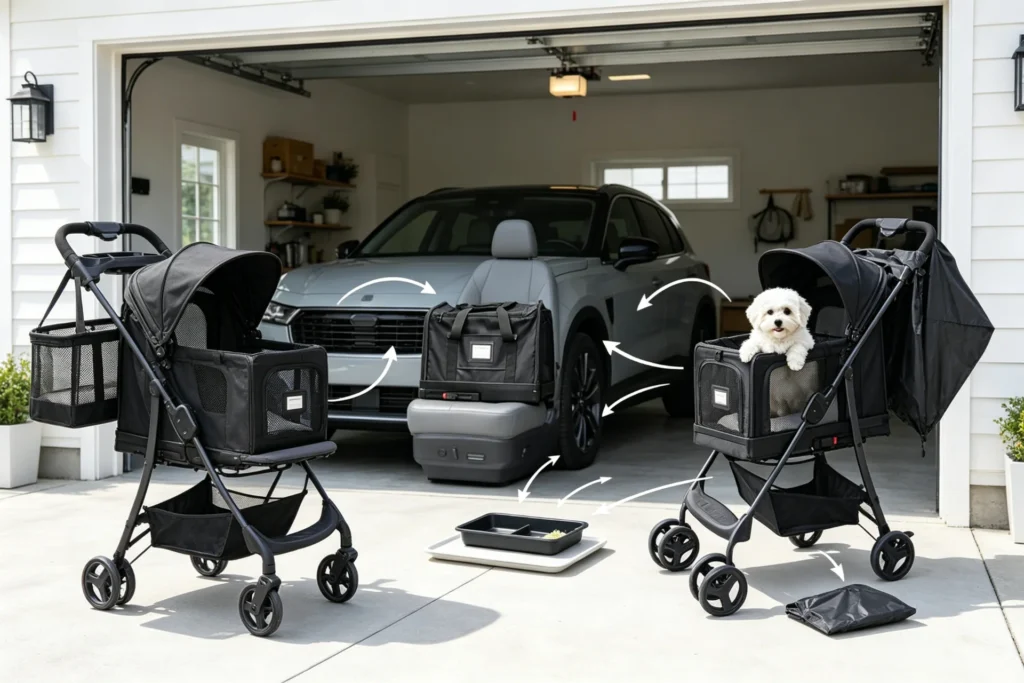
As a European child car seat manufacturer venturing into the pet industry, we've witnessed firsthand how retailers are evolving beyond standalone carriers and strollers. Let me share our insights on why modular systems are becoming increasingly crucial for forward-thinking pet retailers.
How are Retailers Evolving Beyond Selling Standalone Carriers and Strollers?
The pet industry is at a crossroads. Retailers are drowning in a sea of similar products, struggling to differentiate and provide real value to their customers. How can they break free from this cycle?
Retailers are shifting towards integrated ecosystems, addressing market fragmentation and SKU proliferation while meeting the demand for comprehensive, safety-focused mobility solutions. This evolution is not just a trend; it's a necessity for survival in an increasingly competitive market.
At Anvoya, we've seen this transition firsthand. Our background in child safety has given us a unique perspective on the pet industry's needs. We're not just selling products; we're providing solutions that address the core challenges retailers face.
Let's dive deeper into how this evolution is unfolding:
-
Addressing market fragmentation and SKU proliferation:
The pet industry has long been plagued by an overwhelming number of similar products. This fragmentation not only confuses customers but also creates inventory management nightmares for retailers. By adopting modular systems, retailers can streamline their product offerings while still providing a wide range of options. Instead of stocking dozens of standalone carriers and strollers, they can offer a core system with interchangeable components, reducing SKU counts and simplifying inventory management. -
Moving from single-purchase items to a high-value ecosystem:
Traditional pet carriers and strollers are often one-time purchases, limiting customer lifetime value. Modular systems, however, encourage ongoing engagement and repeat purchases. Customers invest in a base system and can continually add or upgrade components as their needs change or new innovations become available. This shift not only increases average order value but also fosters long-term customer relationships. -
Meeting the demand for integrated, safety-critical mobility solutions:
Today's pet owners are increasingly aware of the importance of safety during travel. They're looking for solutions that offer comprehensive protection across various modes of transportation. Modular systems, when engineered with automotive-grade precision, can provide this level of safety and versatility. By offering a system that seamlessly transitions from car to stroller to airline cabin, retailers can position themselves as providers of complete mobility solutions rather than just product sellers.
This evolution represents a significant opportunity for retailers to differentiate themselves in a crowded market. By embracing modular systems, they can offer unique value propositions, simplify their operations, and build stronger, more profitable customer relationships.
What Defines an "Engineered" Modular Travel System?
In the world of pet travel, not all systems are created equal. But what exactly sets an "engineered" modular system apart from a collection of loosely related products?
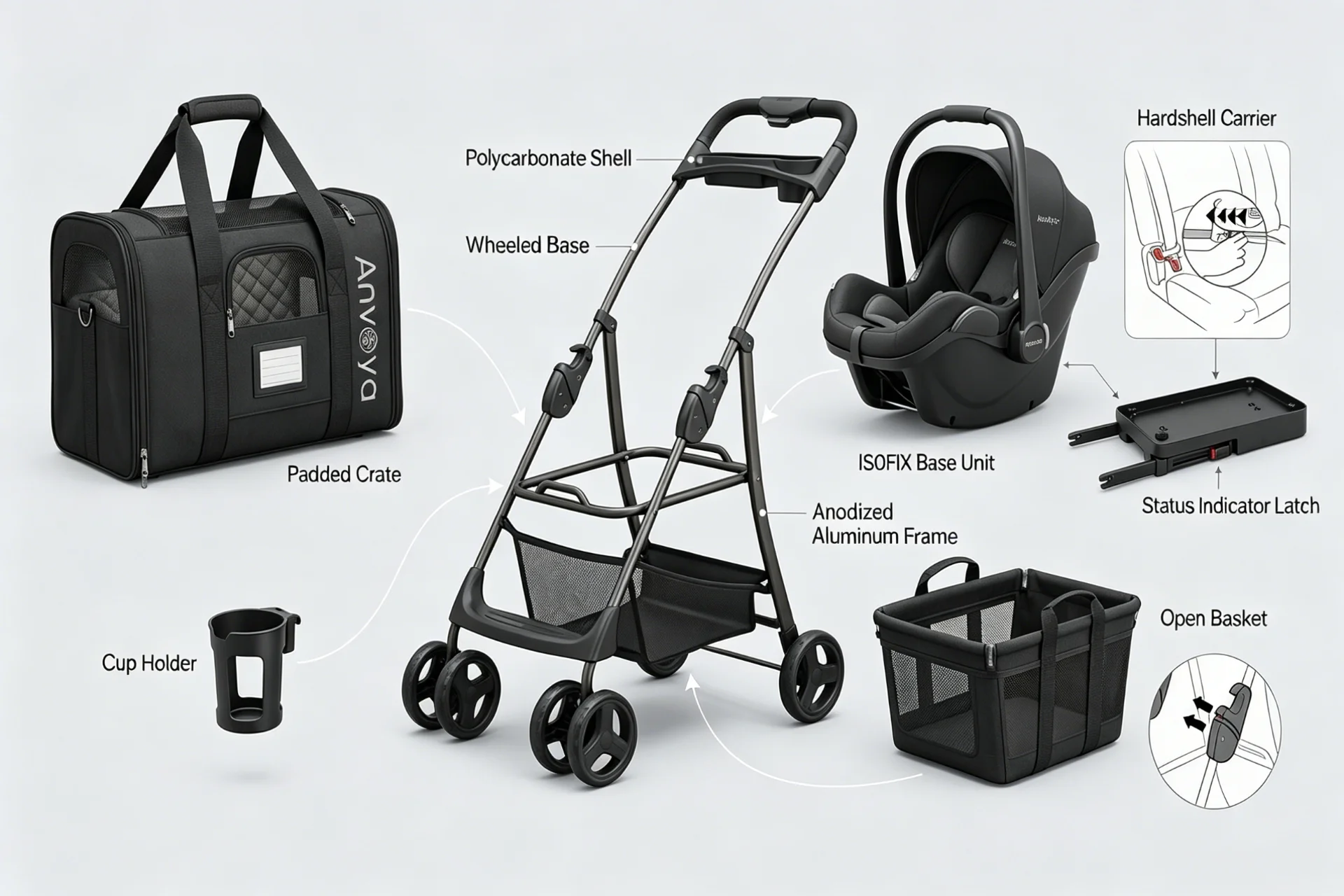
An engineered modular pet travel system is built around a rigid hardware base with interchangeable functional carriers, utilizing high-performance materials like PP/HDPE and incorporating secure docking mechanisms such as ISOFIX. This approach ensures safety, versatility, and longevity that simple fabric carriers can't match.
At Anvoya, we've applied our expertise in automotive engineering to revolutionize pet travel systems. Let me break down the key elements that define a truly engineered system:
-
The core principle: A rigid hardware base with interchangeable functional carriers
The foundation of an engineered modular system is a robust, rigid base. This isn't just a simple frame; it's a carefully designed structure that serves as the backbone for the entire system. Made from high-strength materials like reinforced polymers, this base provides stability, absorbs impact, and ensures consistent performance across various use cases.Onto this base, various functional carriers can be securely attached. These might include enclosed carriers for small pets, open-top designs for larger dogs, or even specialized units for different activities like hiking or cycling. The key is that each carrier is designed to integrate seamlessly with the base, creating a unified system rather than a collection of disparate parts.
-
Material science: Distinguishing between PP/HDPE platforms and simple fabric carriers
The choice of materials in a modular system is critical. At Anvoya, we utilize high-performance plastics like polypropylene (PP) and high-density polyethylene (HDPE) for our core components. These materials offer several advantages over the typical nylon or polyester fabric used in many pet carriers:- Superior structural integrity and impact resistance
- Better temperature stability, crucial for pet comfort in various climates
- Improved cleanability and hygiene
- Enhanced longevity and resistance to wear and tear
While fabric certainly has its place in pet products, relying solely on fabric for critical structural components simply doesn't provide the level of safety and durability required for a truly engineered system.
-
The docking mechanism: How ISOFIX and other secure interfaces create a unified system
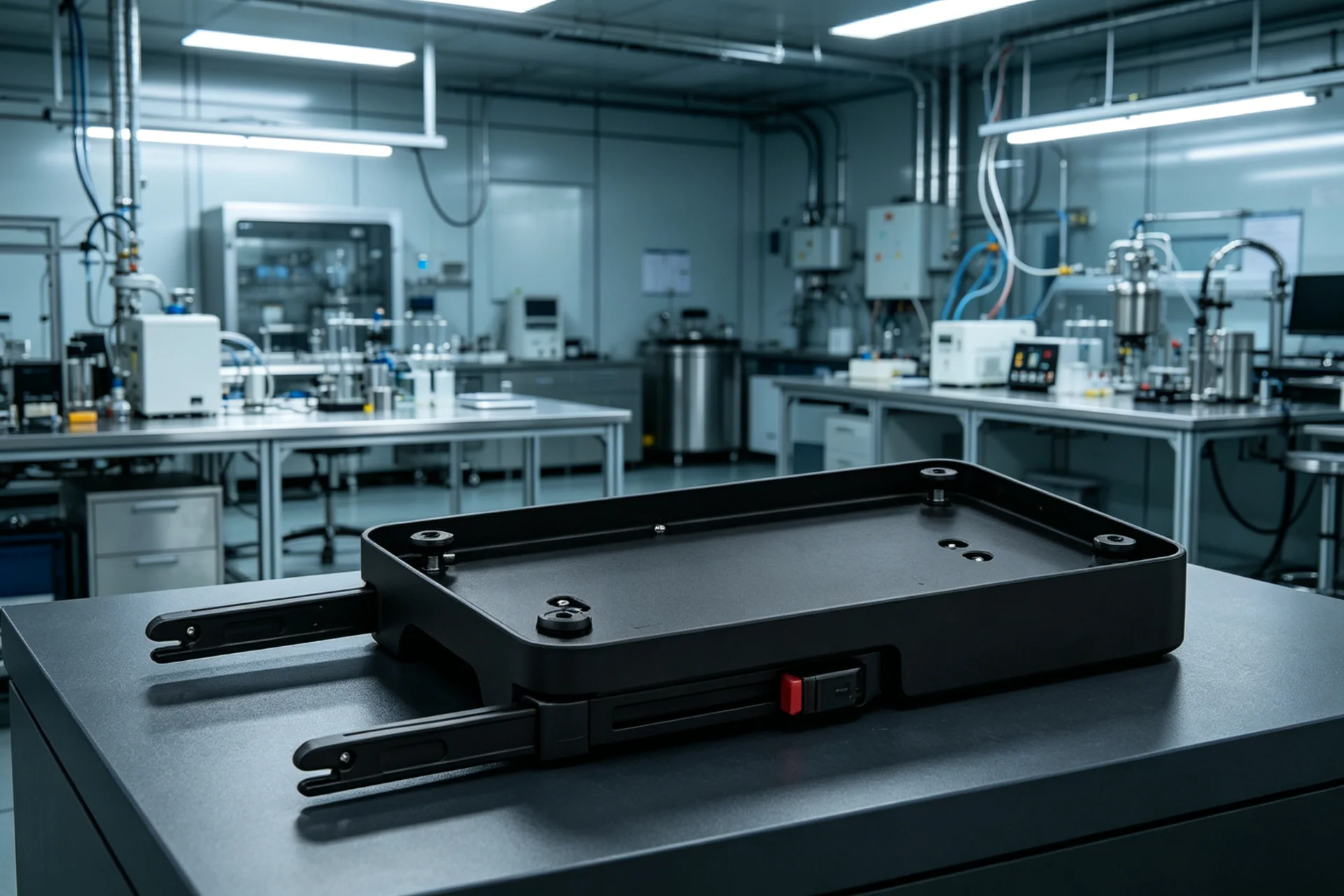
Perhaps the most critical aspect of an engineered modular system is how the components connect. This is where automotive-inspired solutions like ISOFIX come into play. ISOFIX, originally developed for child car seats, provides a standardized, secure attachment method that ensures components lock firmly into place with minimal user error.In our systems, we've adapted ISOFIX principles to create docking mechanisms that are both incredibly secure and user-friendly. These interfaces allow for rapid switching between different carriers or bases while maintaining the structural integrity of the system as a whole.
Beyond ISOFIX, other engineered connection points might include quick-release latches, magnetic guides, or precision-molded interlocking components. The key is that these connections are designed to withstand the forces encountered during travel while still allowing for easy operation by the user.
By focusing on these engineered elements, we create modular systems that are far more than the sum of their parts. They offer a level of safety, versatility, and user experience that traditional pet carriers simply can't match. For retailers, this means offering products that truly stand out in the market and provide tangible benefits to pet owners.
How Does a System-Based Approach Enhance Dynamic Protection and Safety Compliance?
When it comes to pet travel, safety isn't just a feature—it's an absolute necessity. But how can retailers ensure they're offering products that truly protect pets in real-world conditions?
A system-based approach significantly enhances dynamic protection and safety compliance by applying automotive engineering principles, ensuring structural integrity during vehicle dynamics, and reducing failure points compared to separate components. This comprehensive strategy elevates pet safety to new standards.
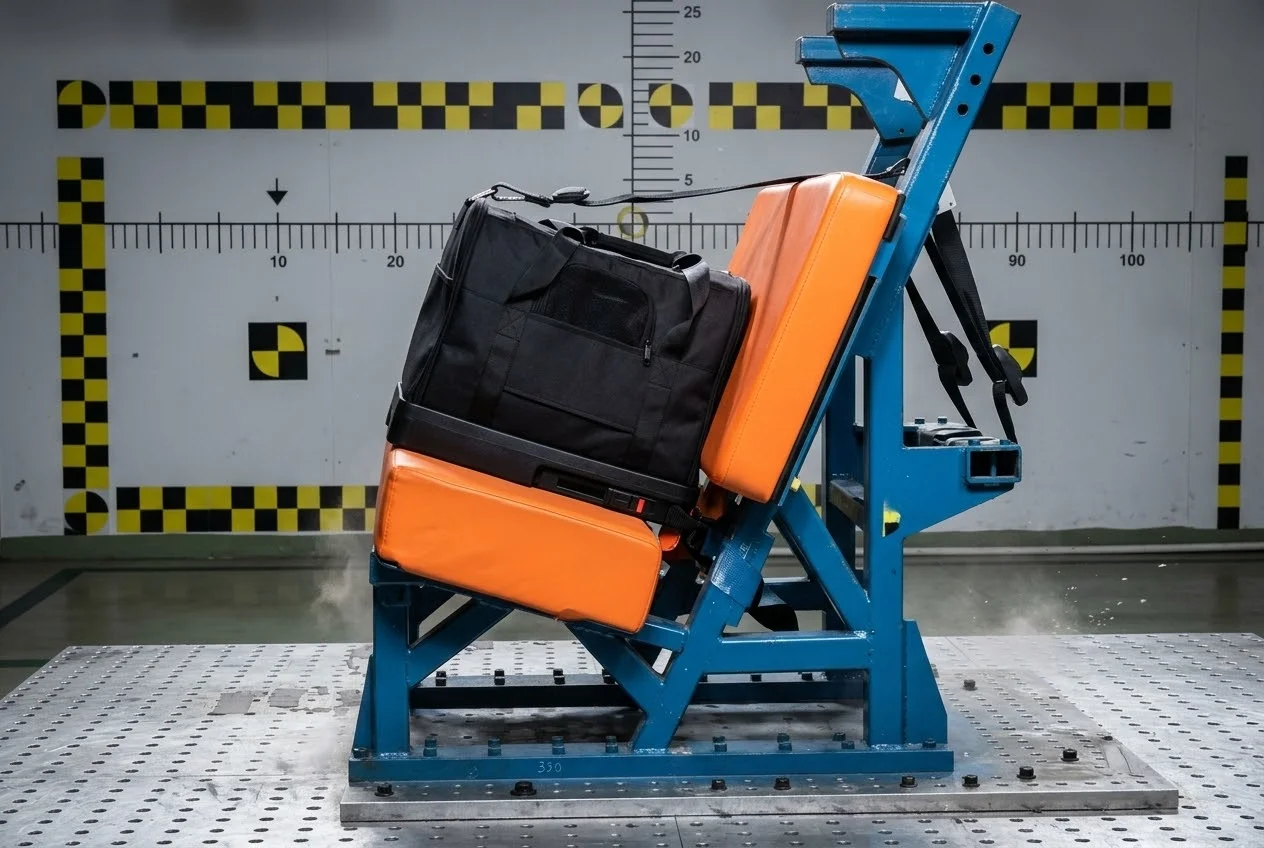
At Anvoya, we've leveraged our experience in child car seat manufacturing to revolutionize pet travel safety. Let me explain how this system-based approach translates to superior protection:
-
Applying automotive engineering principles (ECE R44/R129) to pet transport
The automotive industry has decades of experience in designing for occupant safety during collisions. By adapting standards like ECE R44 and R129 (originally developed for child restraints) to pet travel systems, we create products that offer unprecedented levels of protection.This involves rigorous testing protocols, including:
- Frontal impact tests at various speeds
- Side impact scenarios
- Rollover simulations
- Materials stress testing under extreme conditions
By subjecting our modular systems to these automotive-grade tests, we ensure they can withstand the forces encountered in real-world travel scenarios. This level of engineering goes far beyond what's typically seen in the pet product industry.
-
Beyond airline compliance: The importance of structural integrity in vehicle dynamics
While many pet carriers focus solely on meeting airline cabin requirements, a truly safe travel system must consider the complex dynamics of vehicle travel. Our system-based approach takes into account:- G-forces during acceleration, braking, and cornering
- Vibration dampening to reduce stress on pets during long journeys
- Load distribution to maintain vehicle stability
- Integration with vehicle safety systems (e.g., compatibility with seat belts and ISOFIX anchors)
By addressing these factors, our modular systems provide comprehensive protection that extends well beyond simple airline compliance. This holistic approach to safety gives retailers a powerful differentiator in the market.
-
How integrated systems reduce failure points compared to separate components
One of the key advantages of a system-based approach is the reduction of potential failure points. When using separate, unrelated products (e.g., a carrier, a car seat, and a stroller), each interface between components introduces a potential weak spot.In contrast, our engineered modular systems are designed as a cohesive unit. This integration offers several safety benefits:
- Fewer connection points, reducing the risk of component separation during impact
- Consistent load paths throughout the system, ensuring forces are distributed optimally
- Standardized attachment methods, minimizing user error during setup
- Unified testing and certification, ensuring all components work together seamlessly
By offering an integrated system, retailers can provide their customers with a solution that's not only more convenient but fundamentally safer than a collection of standalone products.
| Feature | Traditional Pet Carriers | Engineered Modular Systems |
|---|---|---|
| Material | Primarily fabric | High-performance plastics (PP/HDPE) |
| Safety Testing | Basic drop tests | Automotive-grade crash testing |
| Versatility | Single-purpose designs | Interchangeable components for multiple uses |
| Vehicle Integration | Limited or none | ISOFIX compatibility, seatbelt routing |
| Failure Points | Multiple, at each product interface | Minimized through integrated design |
| Compliance | Airline cabin focus | Comprehensive (auto, airline, stroller standards) |
| Longevity | Prone to wear and tear | Durable materials, replaceable components |
| Retailer Benefits | Single sales, limited upsell | Ecosystem sales, high customer lifetime value |
This table illustrates the stark differences between traditional pet carriers and our engineered modular systems, highlighting the significant advantages for both retailers and pet owners.
What Strategic Advantages Do Modular Systems Offer to Distributors and Retailers?
Pet product retailers face a constant challenge: how to increase profitability while meeting the evolving needs of pet owners. The solution? Modular pet travel systems. These innovative products are not just a trend; they're a strategic game-changer for businesses looking to boost their bottom line and customer loyalty.
Modular pet travel systems significantly increase average order value (AOV) and customer lifetime value (LTV) by creating an ecosystem of compatible products. Instead of selling a single carrier or stroller, retailers can offer a base platform with multiple attachments, encouraging customers to build their perfect pet travel solution over time.
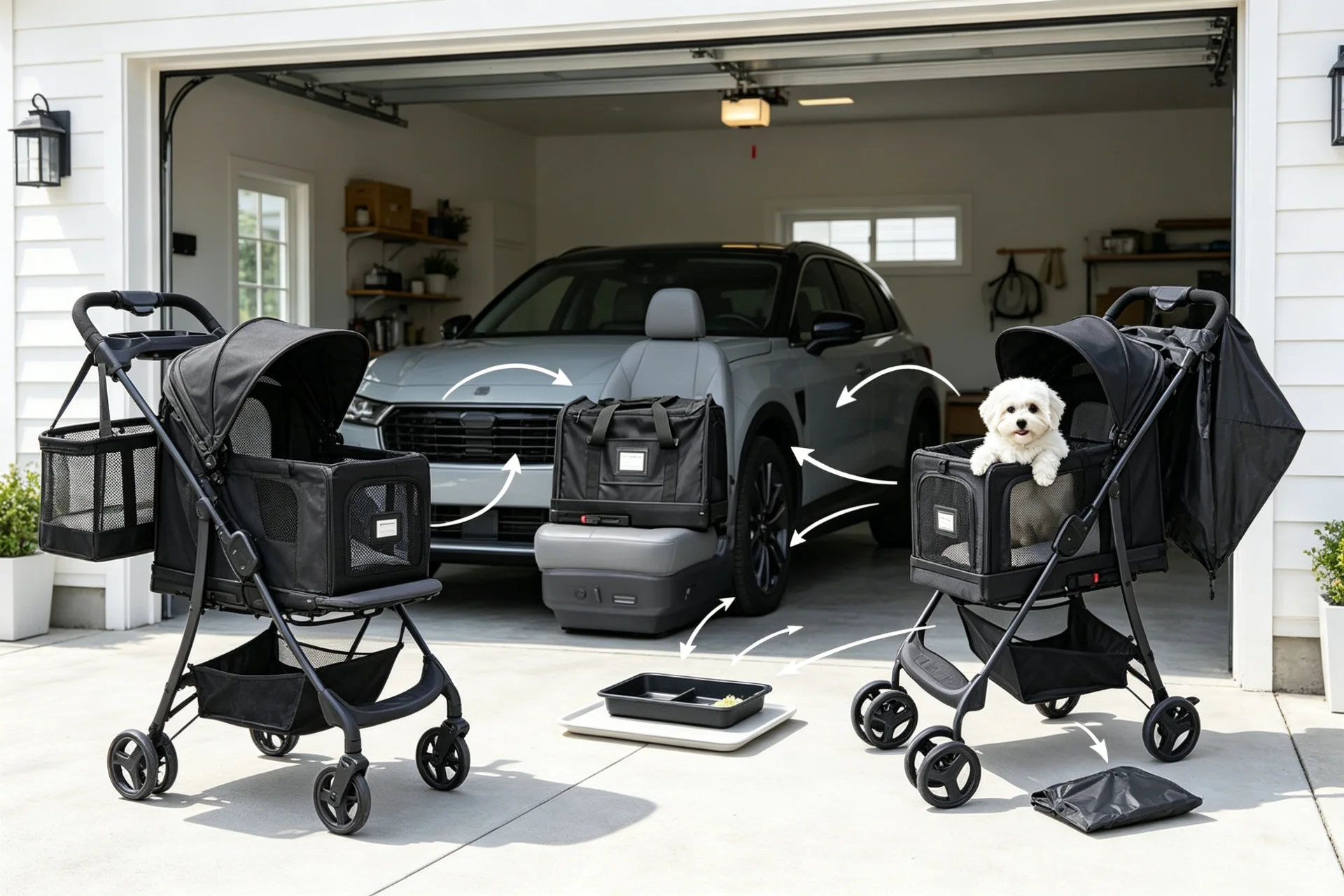
Let's dive deeper into the strategic advantages:
-
Increased AOV and LTV: When customers invest in a modular system, they're more likely to make additional purchases to expand their setup. This leads to higher initial sales and ongoing revenue from accessories and upgrades.
-
Ecosystem Creation: By offering a range of compatible products, retailers create a "sticky" ecosystem that keeps customers coming back. This fosters brand loyalty and reduces the likelihood of customers switching to competitors.
-
Upselling Opportunities: Modular systems provide natural upselling opportunities. Retailers can suggest additional components or premium upgrades that enhance the pet owner's experience.
-
Reduced Returns: High-quality, certified modular systems tend to have lower return rates. When customers invest in a comprehensive solution, they're more likely to be satisfied with their purchase.
-
Differentiation in the Market: Offering a unique, modular pet travel system sets retailers apart from competitors still focusing on standalone products.
-
Addressing Diverse Needs: Modular systems can be customized to meet various pet owner needs, from daily commutes to outdoor adventures, all with the same base platform.
-
Simplified Inventory Management: Stocking a modular system with interchangeable parts can actually streamline inventory, reducing the need for multiple SKUs of similar products.
By embracing modular pet travel systems, retailers position themselves as forward-thinking and customer-centric. They're not just selling products; they're offering solutions that grow with the pet owner's needs, creating lasting value and customer satisfaction.
How Can a Modular Product Architecture Support Diverse Retail and OEM Business Models?
In today's competitive pet product market, versatility is key. A modular product architecture isn't just beneficial for end consumers; it's a powerful tool for businesses across the spectrum, from distributors to boutique retailers and corporate strategists. Let's explore how this innovative approach can support various business models.
Modular product architecture enables businesses to tailor their offerings to specific market segments, maximize profit margins, and create unique value propositions. Whether you're a distributor looking for a premium brand ecosystem or a corporate strategist seeking turnkey ODM solutions, modular systems offer unparalleled flexibility.
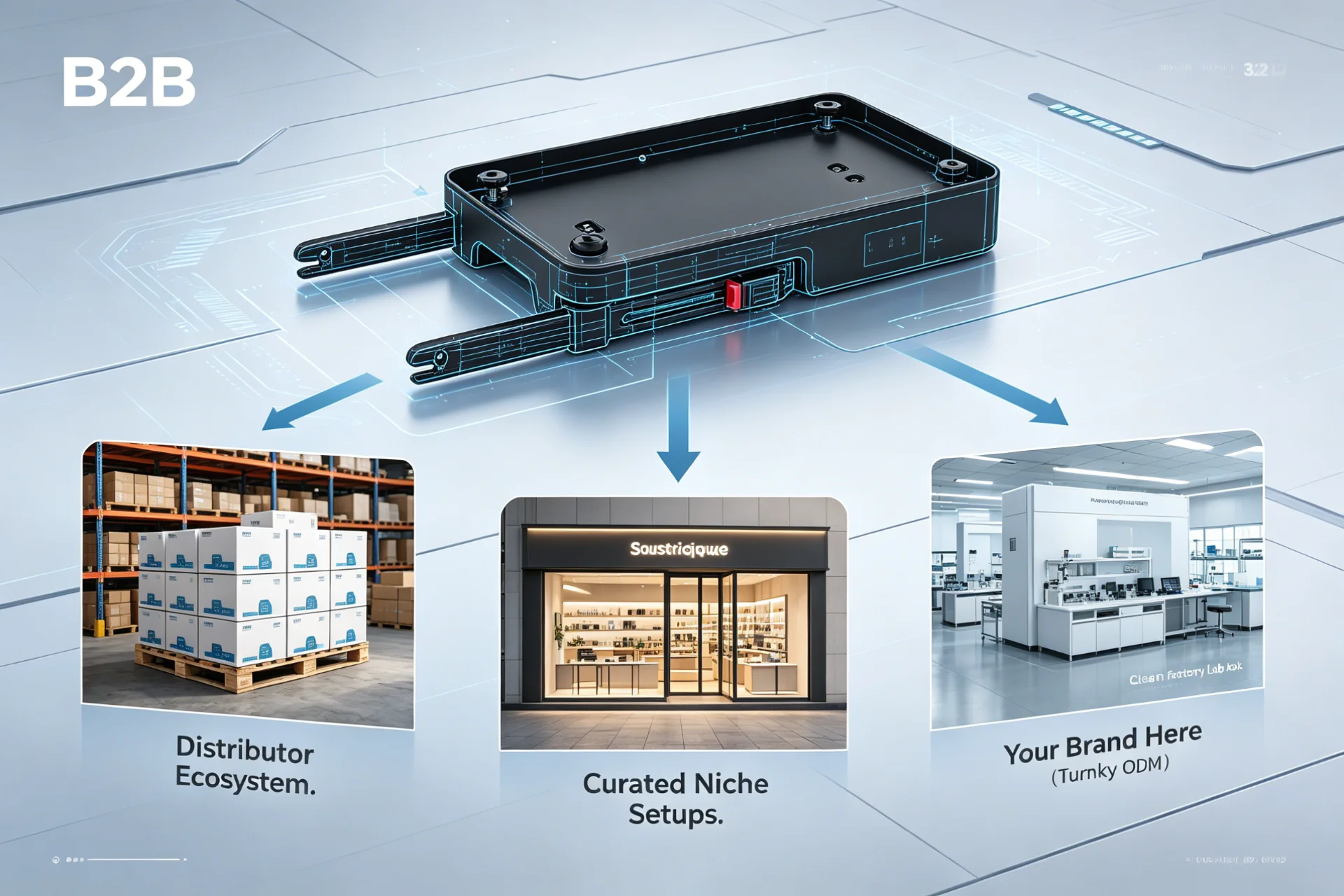
Here's a breakdown of how different business models can leverage modular product architecture:
-
Distributors:
- Offer a premium, high-margin brand ecosystem (e.g., BASE-X + AERO/NIMBUS)
- Create exclusive bundles and packages
- Provide a complete solution for retailers, simplifying their inventory management
-
Boutique Retailers:
- Curate niche, high-performance travel solutions
- Offer personalized consultations to build custom setups
- Differentiate with unique combinations not available in big-box stores
-
Corporate Strategists:
- Leverage the platform for turnkey ODM projects
- Develop custom OEM solutions based on proven modular designs
- Engage in co-development initiatives to create market-specific variants
-
E-commerce Players:
- Implement dynamic product configurators for online customization
- Offer subscription models for expanding modular systems over time
- Utilize data analytics to suggest personalized additions to customer setups
-
Pet Service Providers:
- Integrate modular systems into service offerings (e.g., pet daycare, grooming)
- Develop branded modular solutions for professional use
- Create rental programs for high-end modular travel systems
The beauty of modular product architecture lies in its adaptability. It allows businesses to start with a core offering and expand based on market demand and customer feedback. This approach minimizes risk while maximizing the potential for growth and innovation.
| Business Model | Key Advantage | Example Application |
|---|---|---|
| Distributor | High-margin ecosystem | Premium brand bundle (BASE-X + AERO/NIMBUS) |
| Boutique Retailer | Niche customization | Personalized travel solutions |
| Corporate Strategist | Flexible development | Turnkey ODM for new markets |
| E-commerce | Online customization | Interactive product configurator |
| Pet Service Provider | Service integration | Branded professional-grade systems |
By embracing modular product architecture, businesses can create unique value propositions, differentiate themselves in a crowded market, and build long-term customer relationships based on evolving needs and preferences.
Why is Your Manufacturing Partner as Critical as the Product Itself?
In the world of pet travel systems, the quality of your product is paramount. But here's a crucial insight many overlook: the manufacturing partner you choose is equally important. Why? Because they're not just producing your product; they're shaping your brand's reputation, reliability, and future potential.
A factory-direct partner with strict Design for Manufacturability (DFM) protocols ensures consistent quality, supply chain integrity, and the ability to co-develop innovative solutions. This partnership is the foundation of delivering safety-critical products that meet and exceed customer expectations.
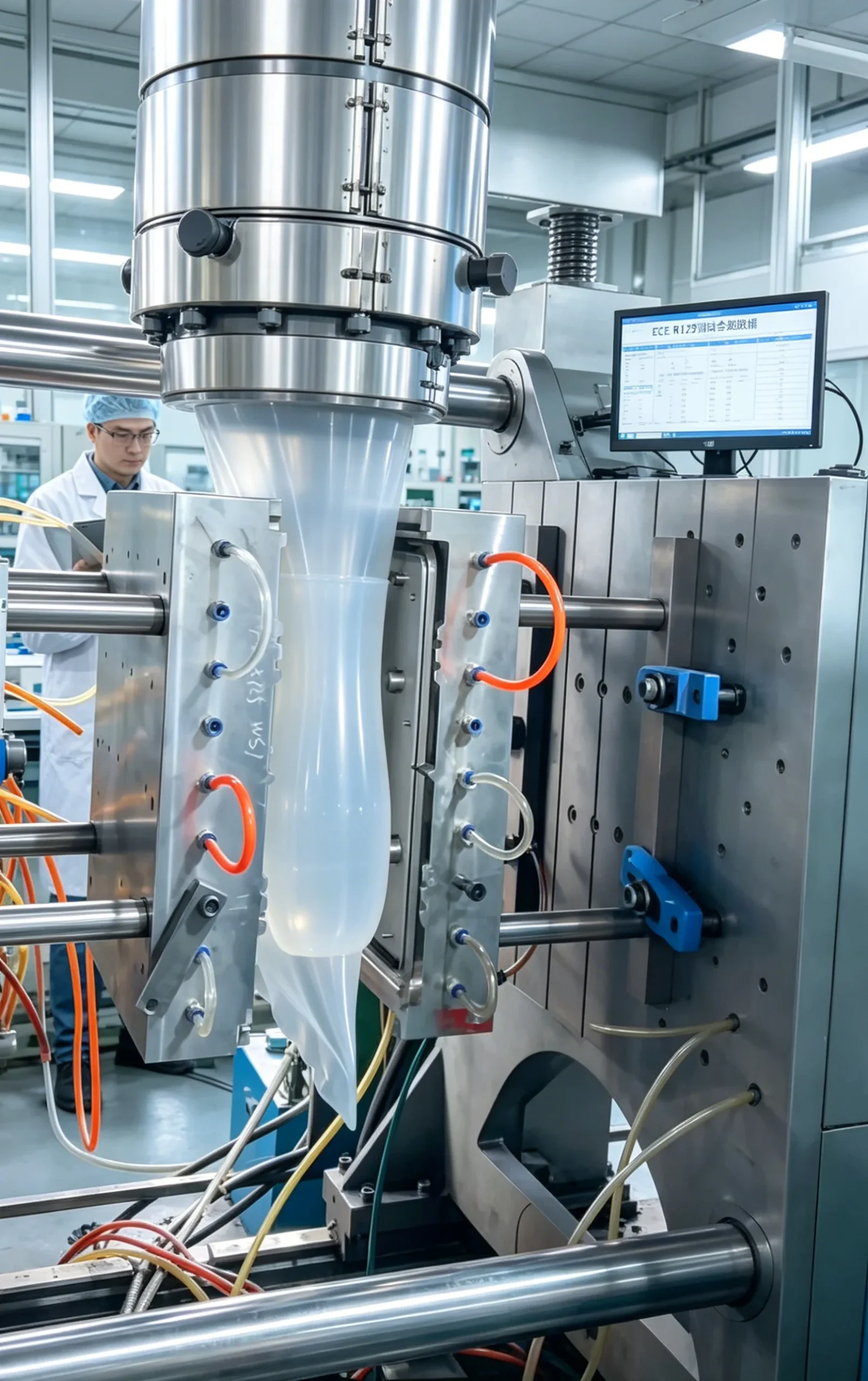
Let's explore why your manufacturing partner is so critical:
-
Design for Manufacturability (DFM):
- Ensures products are optimized for efficient, high-quality production
- Reduces defects and improves consistency across production runs
- Enables cost-effective scaling as demand grows
-
Supply Chain Integrity:
- Guarantees the use of approved, high-quality materials
- Provides traceability for every component, crucial for safety-critical products
- Helps navigate global supply chain challenges with agility
-
Consistent Quality:
- Implements rigorous quality control measures at every production stage
- Maintains certifications necessary for global market access (e.g., ECE R44/R129)
- Reduces the risk of recalls or product failures that could damage brand reputation
-
Co-Development Capabilities:
- Offers engineering expertise to refine and improve product designs
- Provides insights into emerging manufacturing technologies and materials
- Enables rapid prototyping and testing of new concepts
-
Scalability:
- Supports growth with the ability to increase production volumes
- Offers flexibility to adapt to changing market demands
- Provides economies of scale to maintain competitive pricing
-
Compliance and Certification:
- Ensures products meet all relevant safety standards and regulations
- Assists with obtaining necessary certifications for different markets
- Stays updated on changing regulatory requirements
-
Innovation Support:
- Invests in R&D to drive continuous improvement
- Provides access to cutting-edge manufacturing technologies
- Collaborates on developing proprietary features or processes
By choosing the right manufacturing partner, you're not just outsourcing production; you're gaining a strategic ally in your business growth. They become an extension of your team, contributing to product development, quality assurance, and market expansion.
Remember, in the world of safety-critical pet products, the strength of your manufacturing partnership can be the difference between good and exceptional. It's not just about fulfillment; it's about creating a foundation for innovation, quality, and long-term success in the competitive pet travel system market.
Conclusion:
Modular pet travel systems offer strategic advantages, supporting diverse business models and ensuring quality through strong manufacturing partnerships. They're the key to retail success and innovation in the pet industry.