
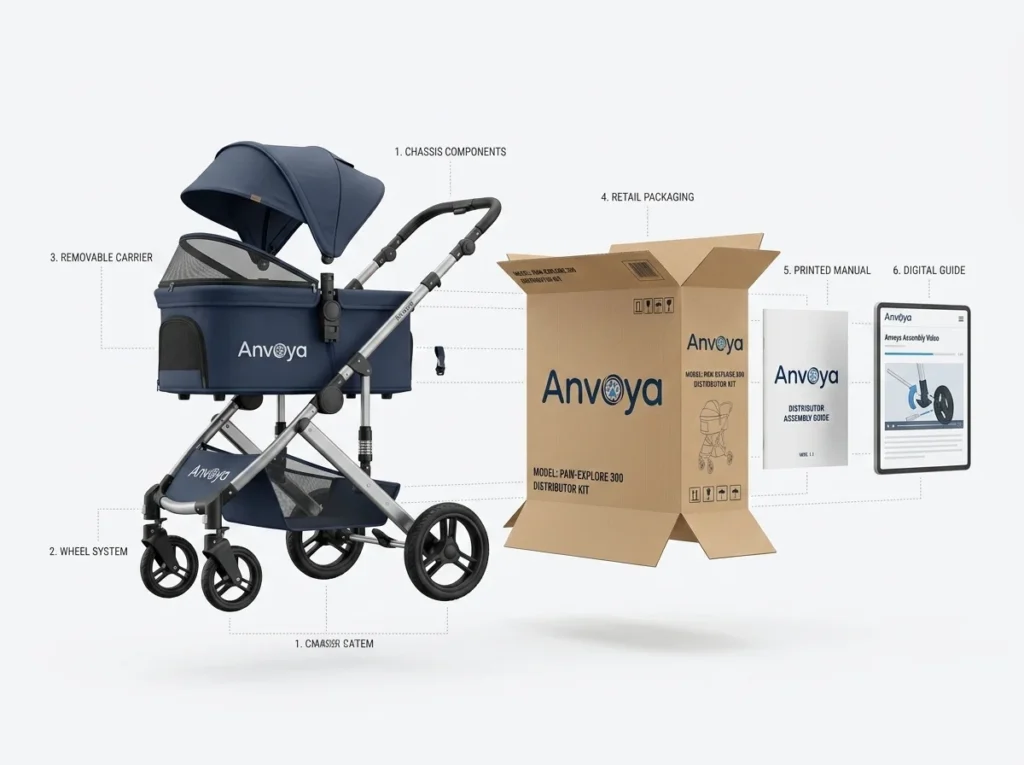
A sample can look finished. The launch can still fail. The real problem often sits around the product, not inside the product.
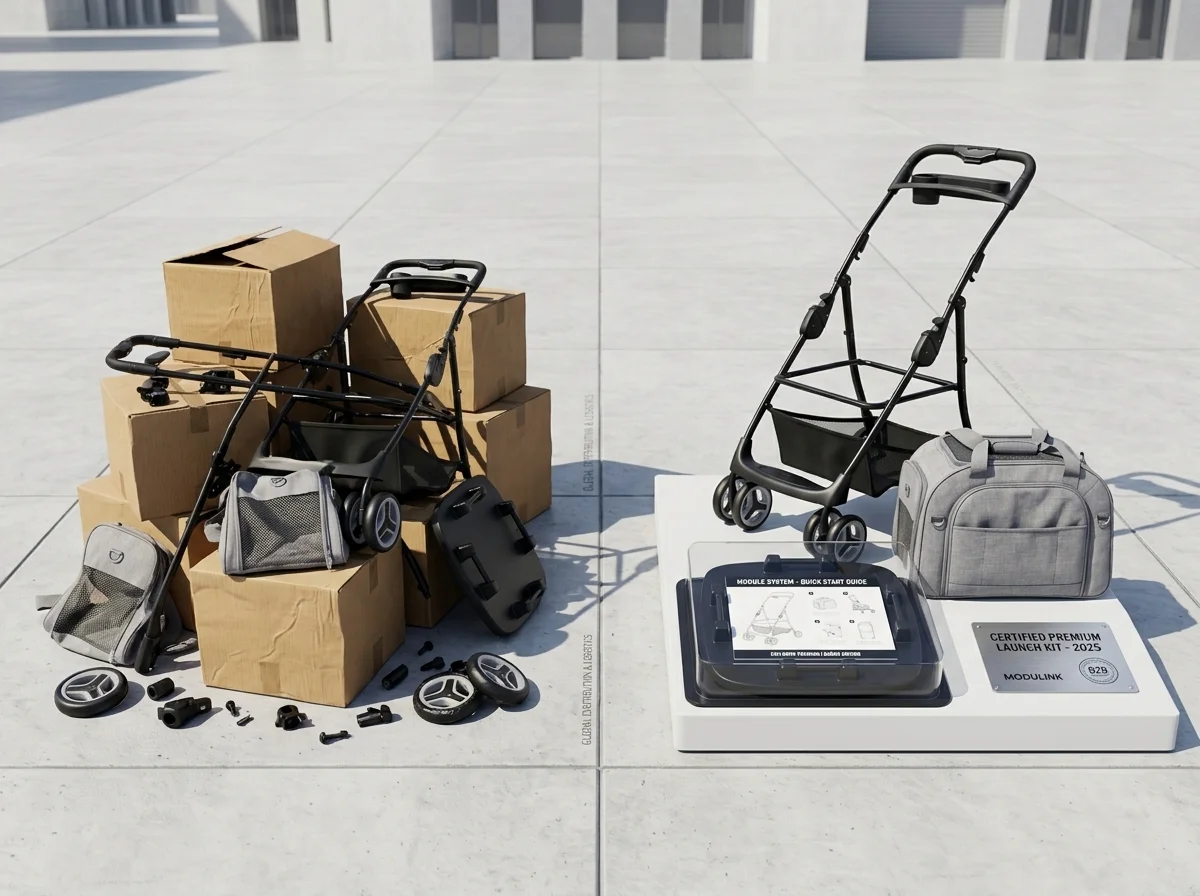
A pet travel product is ready for distributor launch when the product position, SKU plan, packaging, instructions, sales tools, spare parts, training, and reorder process are prepared before goods arrive. A finished sample proves the product can be made. It does not prove the market can sell it.
Many buyers ask us when a pet stroller, carrier, or modular travel system is ready to launch. We usually start with one simple point. Sample approval should start launch preparation. It should not end product development.
1. Why Is a Finished Sample Not a Finished Product?
A stroller can fold well. A carrier can dock well. The product can still be hard for a distributor to sell.
A finished sample shows that the factory can produce the product. A distributor-ready product also needs packaging, instructions, SKU planning, sales materials, spare parts, and a clear launch process.
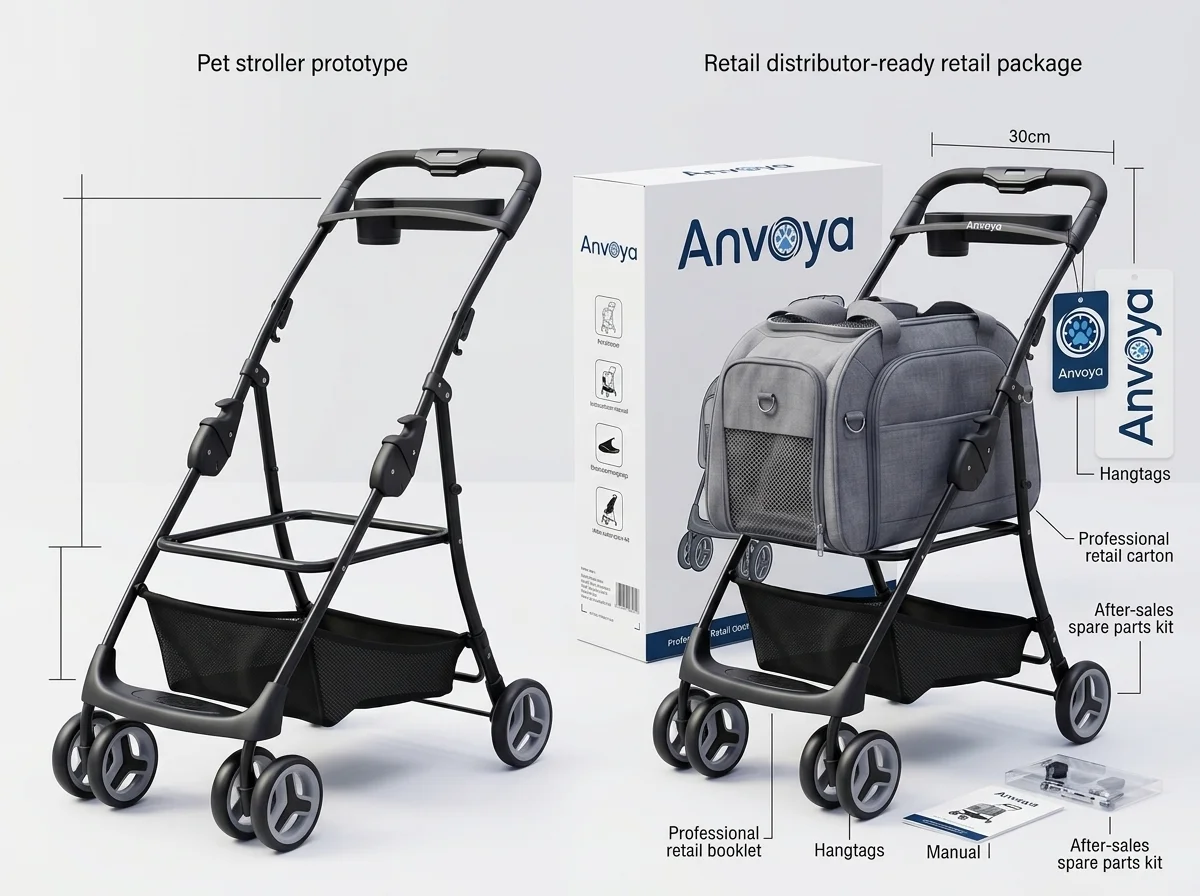
We often see projects slow down after sample approval. The sample looks good on a meeting table. The color is approved. The frame opens and folds. The carrier fits the stroller. Everyone feels close to launch. Then the real questions begin.
The distributor asks what to put on the carton. The retailer asks how to explain the product in one sentence. The e-commerce team asks for videos. The warehouse team asks how to identify colors. The after-sales team asks if wheels can be replaced. These are not small details. These details decide whether the first order moves smoothly.
Common gaps after sample approval
| Area | Common Missing Item |
|---|---|
| Product | Final specifications and version record |
| Packaging | Final carton, labels, barcode, checklist |
| Instructions | Manual, warning language, QR video |
| Sales | Product story, images, FAQ, comparison sheet |
| After-sales | Spare parts, part codes, support process |
| Reorder | Lead time, MOQ, color repeatability |
In our work at Anvoya, we treat sample approval as a gate. It means we can move forward. It does not mean the launch kit is finished.
2. Why Must the Product Position Be Clear?
A product that cannot be explained simply will be hard to sell. Retailers need a clear reason to display it.
Before the first order, the distributor should be able to explain the product in one sentence. Clear positioning helps pricing, sales training, product pages, display plans, and customer understanding.
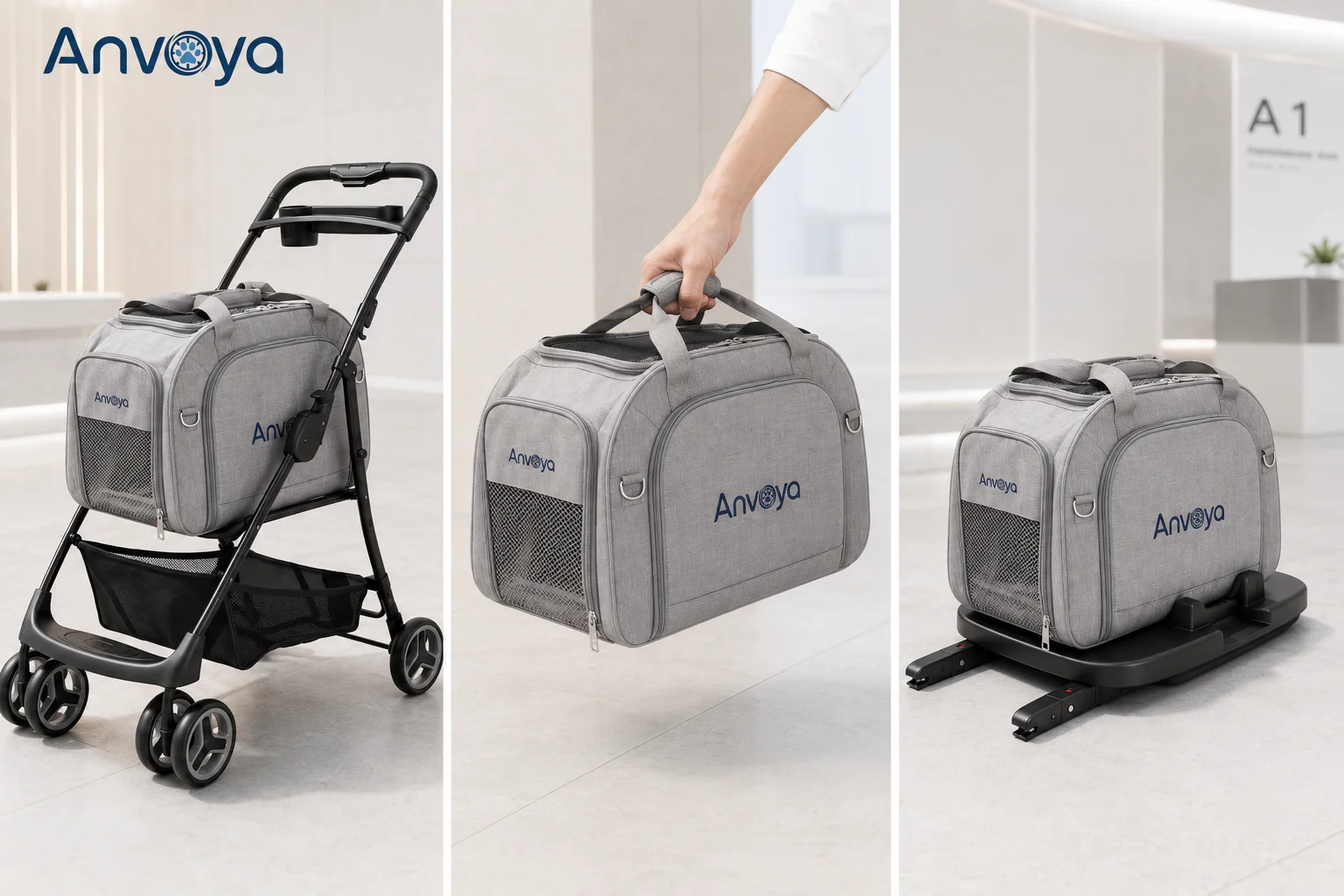
A pet travel product can sit in many market positions. It may be a lightweight city stroller. It may be a premium stroller for cats and small dogs. It may be a removable carrier and stroller system. It may be a vehicle-ready pet carrier. It may also be a modular pet travel system.
The problem starts when the product tries to be everything at once. The product page becomes a long feature list. The retailer does not know where to place it. The customer compares it with a cheaper stroller. The sales team spends too much time explaining small parts and not enough time explaining value.
Simple positioning examples
| Position | Main Customer Message |
|---|---|
| Lightweight stroller | Easy daily movement in the city |
| Premium cat stroller | Comfort and style for cats and small pets |
| Carrier-stroller combo | One carrier for walking and carrying |
| Vehicle-ready system | A more controlled way to travel by car |
| Modular travel system | Car, walk, carry, one system |
For example, AERO is not only a pet stroller. We describe it as a lightweight carrier, stroller, and vehicle-use system for cats and small pets. This sentence gives the sales team a starting point.
3. Why Should the First SKU Mix Be Easy to Manage?
Many first orders become too complex. Too many choices can hurt the launch before sales even begin.
A first distributor launch should include enough choice to sell, but not so much choice that inventory, packaging, training, and reorders become difficult to control.
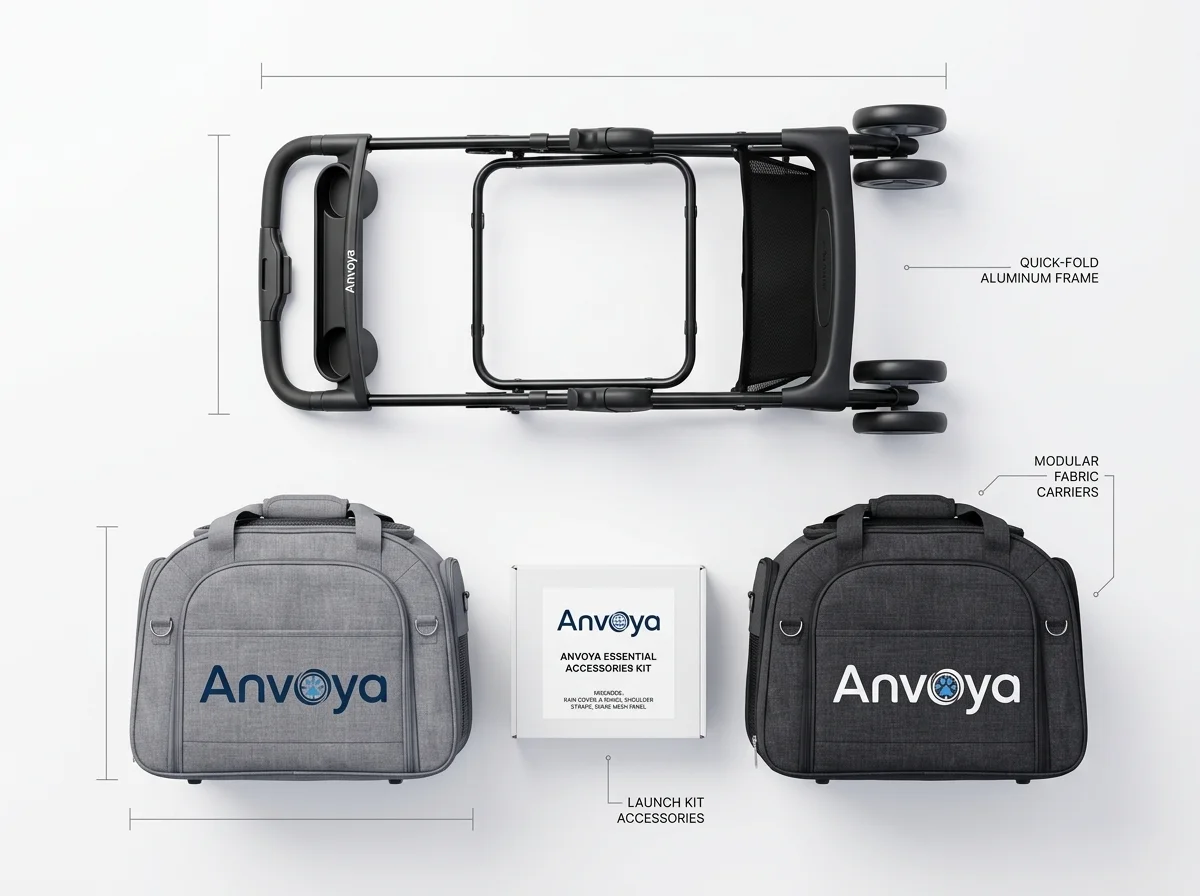
A new product launch does not need every possible color, accessory, frame, and carrier size. A wide range looks attractive during planning. It often becomes a burden after shipping. Each option needs stock. Each option needs packaging. Each option needs photos. Each option needs replacement parts. Each option also creates reorder questions.
We usually suggest a focused first-order structure. The distributor needs a main volume model. This product should be easy to understand and easy to sell. A secondary color can give choice without creating heavy inventory. A premium hero model can support display and category education. A small accessory set can add value. Replacement parts should be included from the start.
Suggested first-order structure
| SKU Role | Suggested Purpose |
|---|---|
| Main volume model | The easiest product to understand and sell |
| Secondary color | Gives choice without too much inventory |
| Premium hero model | Supports display and product education |
| Essential accessory set | Adds useful value |
| Replacement parts | Supports local after-sales service |
AERO can work as the ready lightweight hero system. BASE-X can work as the premium vehicle-ready upgrade. This structure keeps the range clear and still leaves room for growth.
4. Why Must Packaging Match the Sales Channel?
Packaging is not decoration. It affects freight, damage, storage, customer assembly, and after-sales cost.
Good packaging protects the product, reduces delivery problems, supports warehouse handling, presents the brand clearly, and helps the customer understand what is inside the carton.
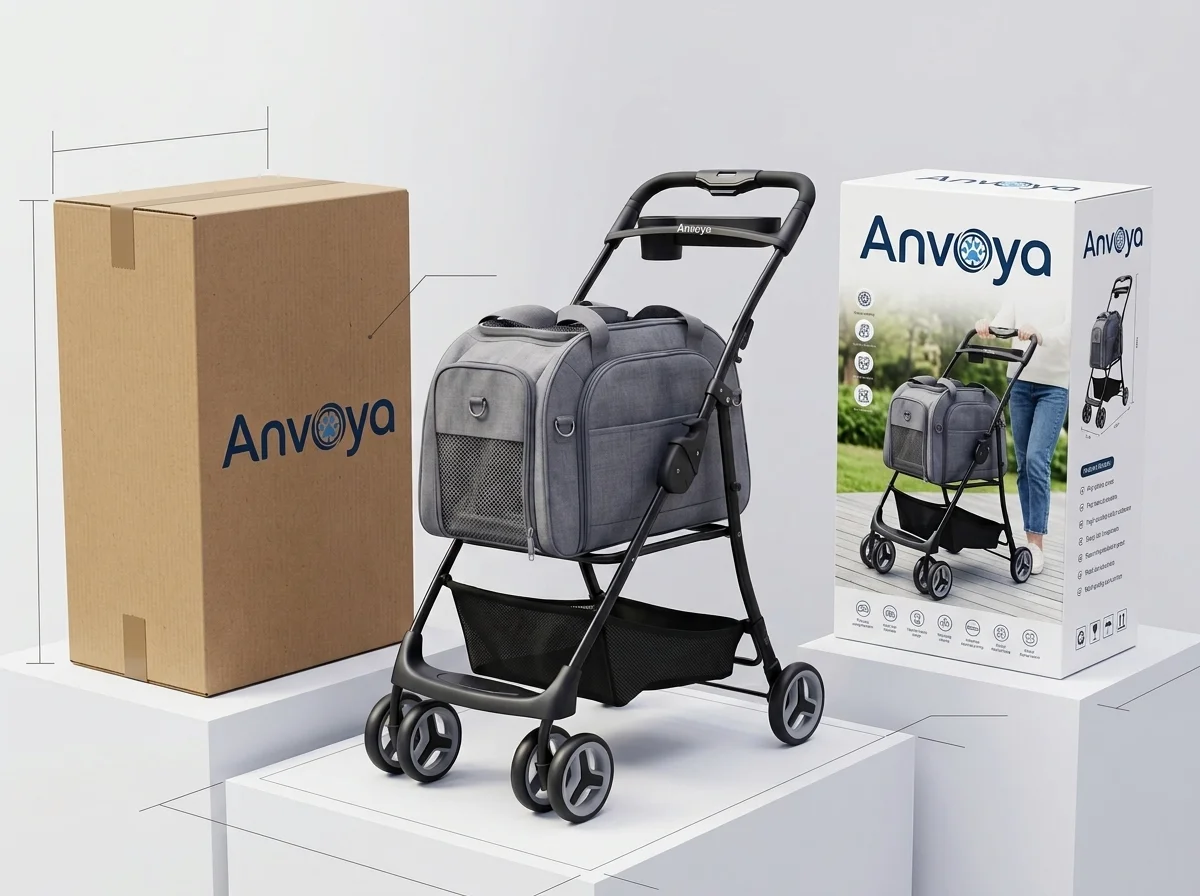
A pet stroller carton for e-commerce needs different thinking from a carton for physical retail. E-commerce packaging needs strong drop protection and a clear assembly flow. Retail packaging needs stronger presentation and fast product identification. Distributor warehouse packaging needs clear SKU, model, color, and part labels. Private label packaging needs consistent brand language and local information.
Packaging also affects landed cost. Carton size affects container loading. Gross weight affects freight. Inner protection affects damage rate. Clear part packing affects assembly complaints. A missing component checklist can turn a small packing issue into a full return.
Packaging priorities by channel
| Sales Channel | Main Packaging Priority |
|---|---|
| E-commerce | Compact carton, drop protection, clear assembly |
| Physical retail | Product identification and stronger presentation |
| Distributor warehouse | Clear SKU, model, color, and part labels |
| Private label | Consistent branding and local-language information |
| Cross-border sales | Efficient carton size and stronger protection |
We normally check carton dimensions, weight, labels, barcode placement, handling marks, component checklist, and spare-part identification before launch. Packaging is part of the product experience.
5. Why Should Instructions Be Tested Outside the Factory?
Factory teams know the product too well. They may not see where a new user gets confused.
Instructions should be tested by someone who has not seen the product before. This test can reveal unclear steps, missing warnings, difficult locks, and weak assembly guidance.
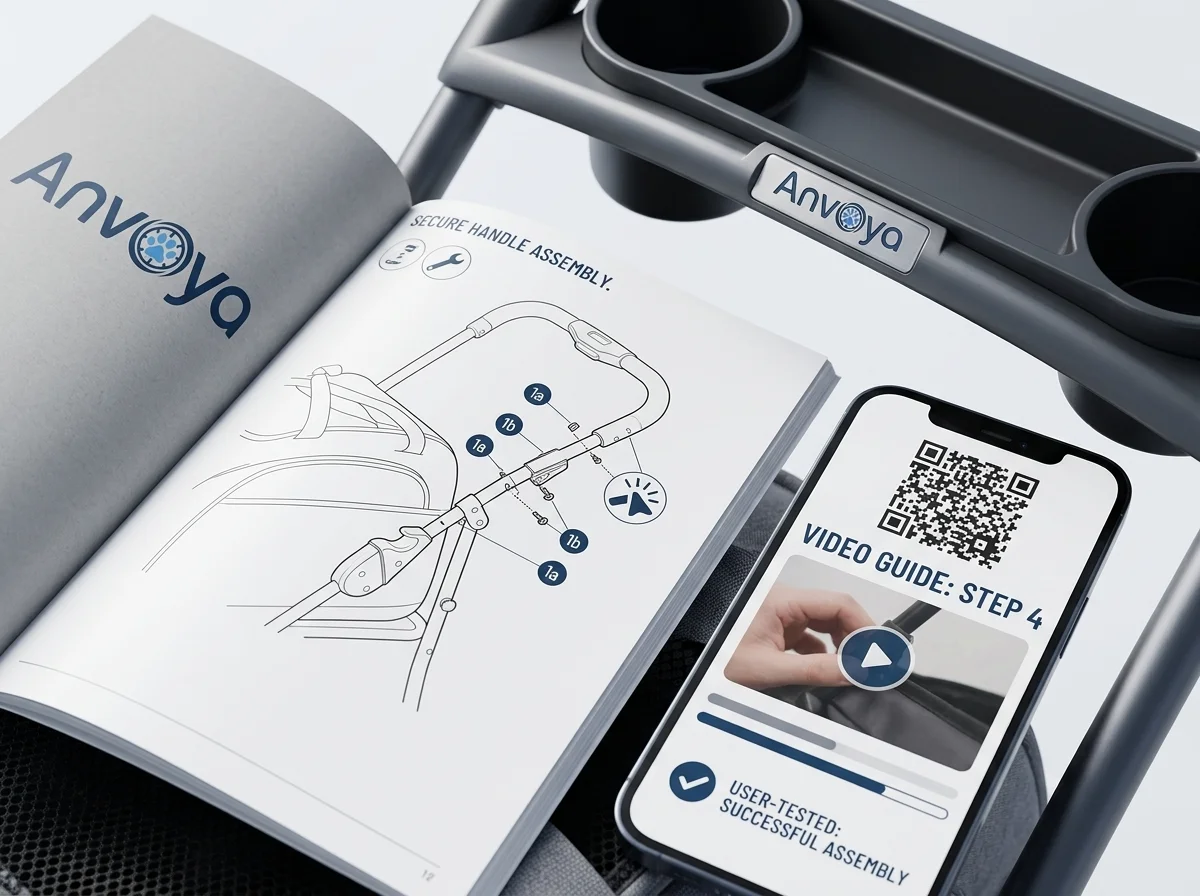
Instructions are often written too late. This is risky. A pet stroller, carrier, or BASE-X system may include folding, wheel installation, carrier docking, brake use, cushion removal, canopy movement, cleaning, and maintenance. Each step must be clear to a new user.
We like to test the manual with a person outside the factory team. The person receives the product, the printed manual, and the QR video. The person then assembles and uses the product without extra help. This test shows which words are unclear. It also shows which images need arrows, warnings, or close-up views.
Instruction content to confirm
| Step | Why It Matters |
|---|---|
| Folding and unfolding | Prevents misuse and damage |
| Wheel installation | Reduces assembly complaints |
| Carrier attachment | Confirms correct docking |
| Locking confirmation | Helps users check safety points |
| Brake operation | Supports daily use |
| BASE-X connection | Helps correct vehicle installation |
| Cleaning and maintenance | Extends product life |
| Limits and warnings | Prevents wrong expectations |
For vehicle-use products, we avoid absolute safety claims. We explain how the system attaches, what movement it is designed to reduce, and what its limits are. Pet travel products do not share one universal mandatory certification system equal to child car seats.
6. Why Do Retailers Need More Than Product Photos?
White-background images prove that the product exists. They do not teach people how to sell it.
Retailers need materials that explain who the product is for, what problem it solves, how it works, and why it is different from standard pet strollers.
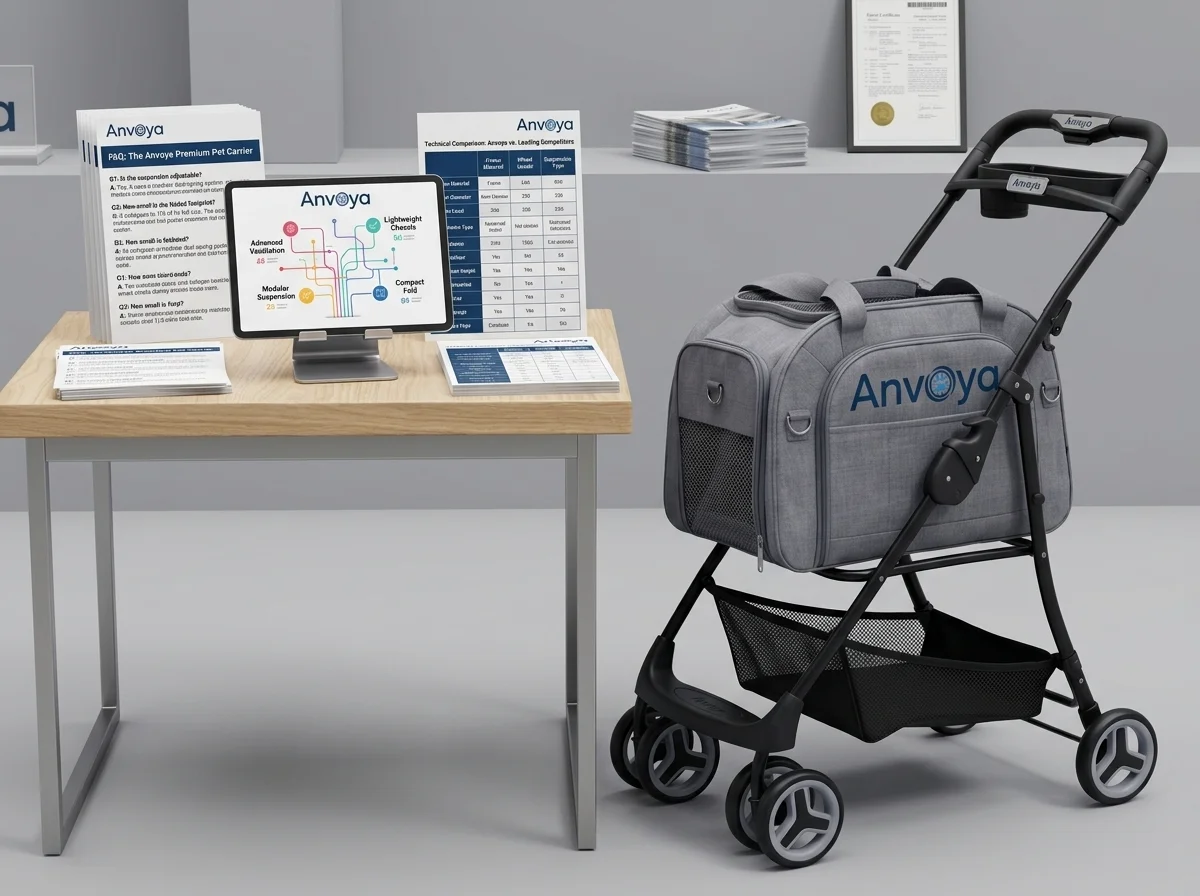
A distributor cannot build a full launch with only factory images. Retailers need a product story. E-commerce teams need images and video. Sales teams need a short script. Customer service teams need answers. A product with many functions needs more support, not less.
For AERO or a modular carrier-stroller system, useful images include folded views, unfolded views, carrier removal steps, stroller-to-car transition, hardware details, pet size reference, and packaging images. Useful videos include a 15 to 30 second product demo, assembly video, folding video, docking video, BASE-X installation video, and cleaning demo.
Useful launch materials
| Material Type | Examples |
|---|---|
| Product images | White-background, lifestyle, folded, unfolded, detail views |
| Videos | Demo, assembly, folding, docking, cleaning |
| Sales documents | Specification sheet, FAQ, comparison chart |
| Training tools | Retailer script, size guide, spare-part guide |
| Support tools | Troubleshooting guide, replacement-part list |
Features alone are not enough. Retail staff need to know the main benefit first. The structure can come later. A good sales material package helps people understand value before they discuss parts.
7. Why Must the Product Demonstration Be Easy to Repeat?
A great demo by the development team may still be too hard for store staff to repeat.
A launch-ready product should be easy to demonstrate in stores, showrooms, exhibitions, video calls, and online content without special skills or long explanations.
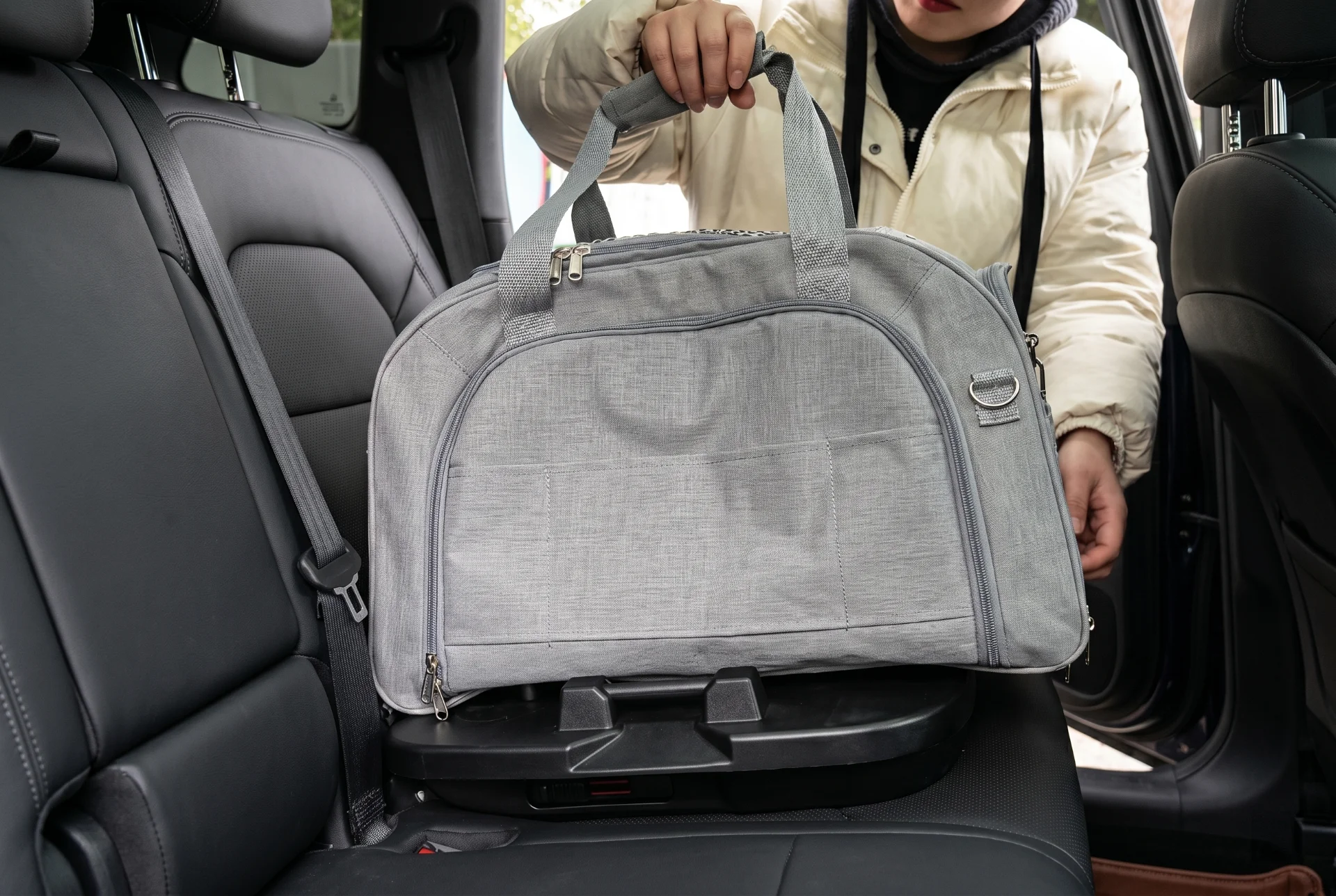
A strong feature loses value when it takes too long to explain. We pay close attention to the repeatability of a demonstration. Can the carrier be removed smoothly? Can the frame fold without a special trick? Can the locking sound or indicator be noticed? Can BASE-X docking be shown quickly? Can the brake be understood at once?
This matters because many people will demonstrate the product after it leaves the factory. A distributor sales manager may show it in a showroom. A retailer may show it in a store. A customer service worker may explain it on a video call. An influencer may show it in a short clip. If every person needs special training to make the product look good, the launch becomes fragile.
Demonstration test points
| Test Point | Good Result |
|---|---|
| Carrier removal | Smooth and visible |
| Folding | Simple and repeatable |
| Lock confirmation | Clear sound or clear action |
| BASE-X docking | Quick and easy to show |
| Brake use | Easy to understand |
| One-minute explanation | Main value is clear |
The best launch products are not only smart. They are easy for normal people to show.
8. Why Must Spare Parts Be Ready Before Launch?
The first missing wheel or damaged cushion can arrive sooner than expected. The answer must be ready.
A distributor launch is not fully prepared if the team has no spare-part list, no part codes, no compatibility record, and no local support plan.
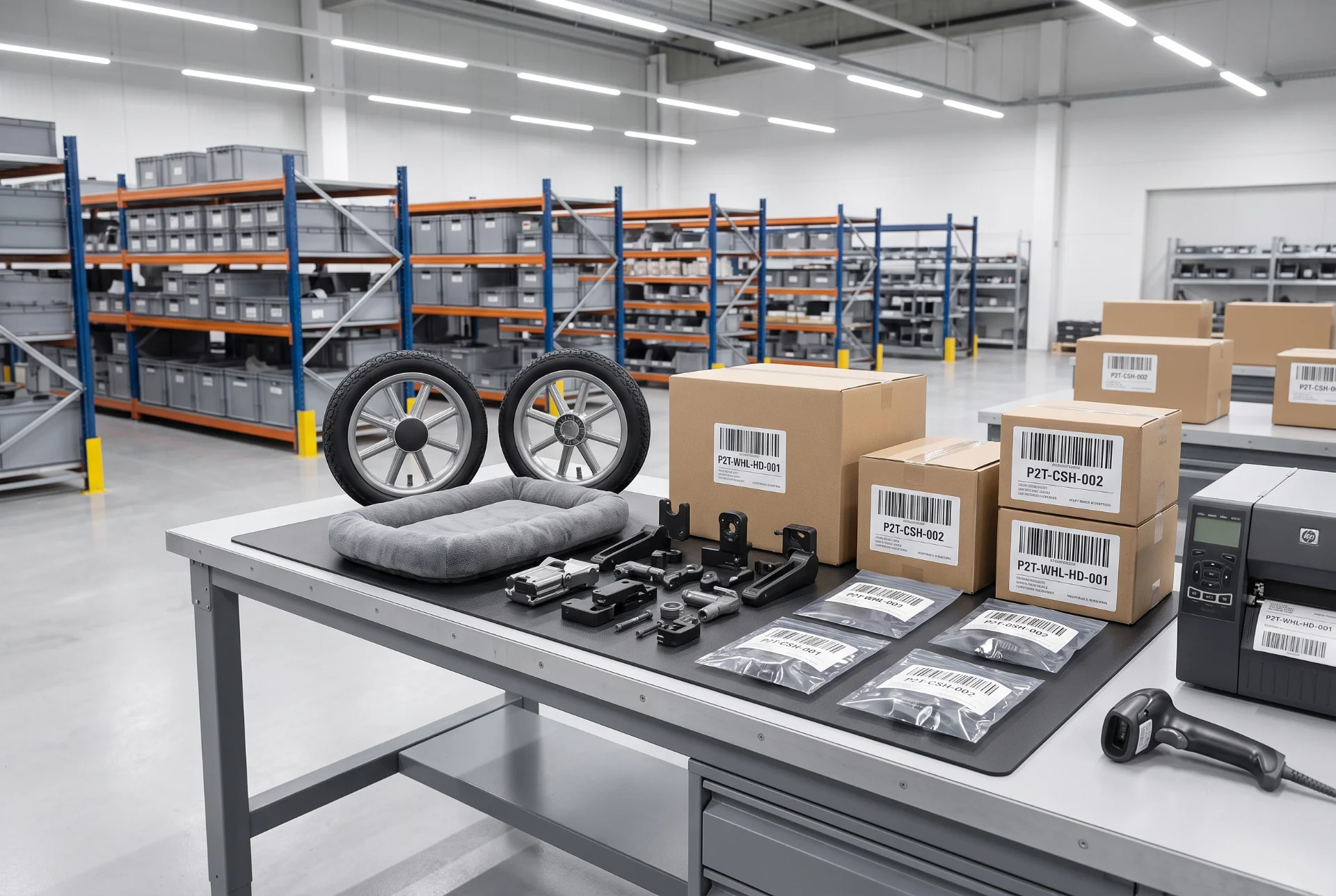
Spare parts are not only an after-sales topic. They are part of launch readiness. Pet travel products have moving parts, soft goods, wheels, connectors, locks, cushions, canopies, and docking parts. Some parts wear over time. Some parts can be damaged during delivery. Some parts may be lost by users.
Before launch, the distributor should know which parts can be replaced locally and which parts need factory support. The team should also know how each part is identified. A wheel from one version may not fit another version. A connector may look similar but work differently. Version records protect both sides.
Spare-part items to confirm
| Category | Examples |
|---|---|
| Moving parts | Wheels, brakes, locks |
| Soft goods | Cushions, liners, canopies |
| Docking parts | Adapters, connectors, locking parts |
| BASE-X parts | Interface parts, covers, small hardware |
| Records | Version, color, compatibility |
| Support | Instructions, local stock, factory lead time |
A small spare-part issue can become a full-product return if no process exists. We prefer to plan common replacement parts with the first order.
9. Why Does the Distributor Need a Clear Launch Story?
A specification tells what the product has. A launch story tells why the product matters.
A strong launch story explains the user benefit first, then supports it with structure, function, design logic, and technical details.
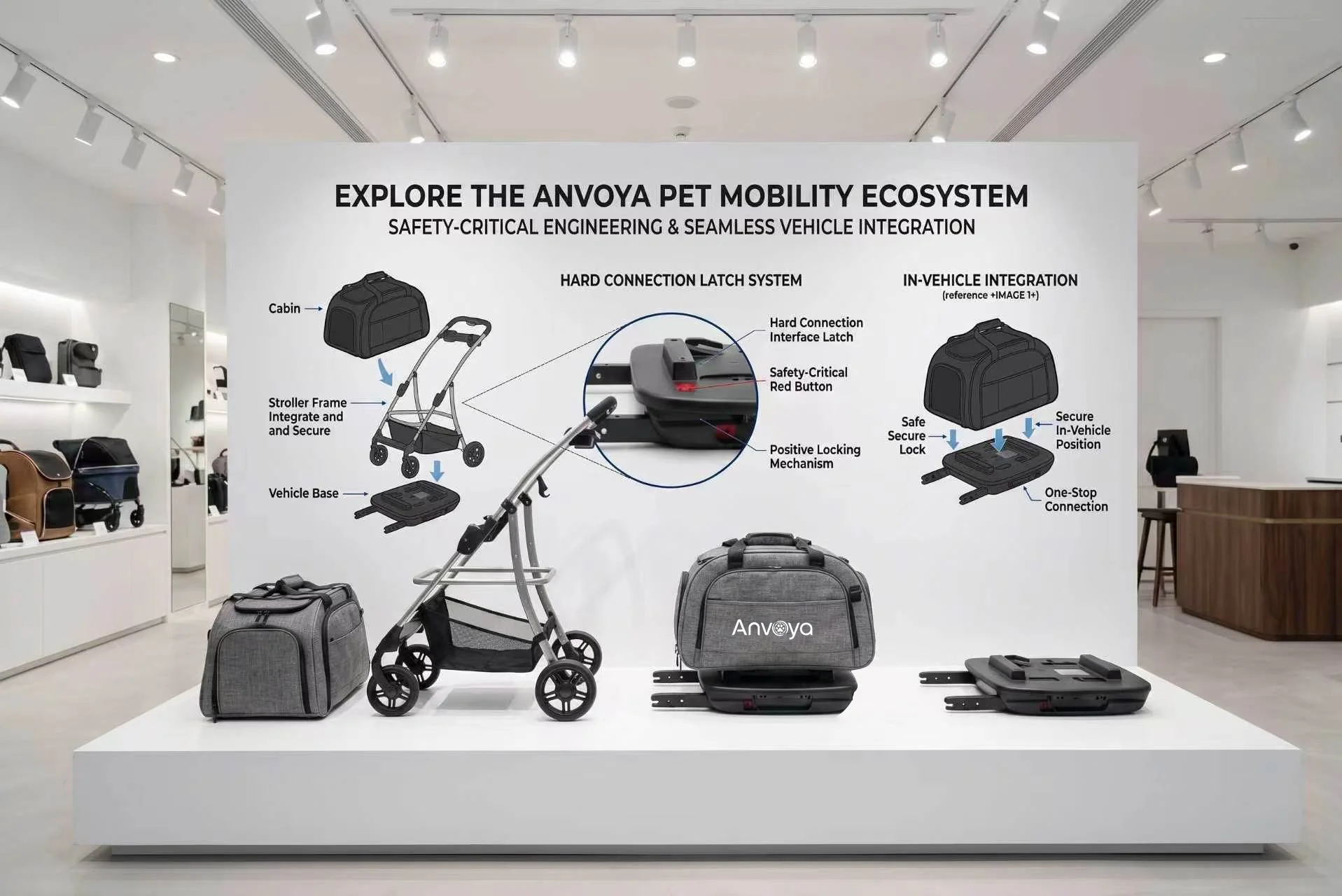
A product needs a commercial story. The story should answer simple questions. Why does this product belong in the market now? What problem does it solve? How is it different from a standard pet stroller? Which pets and owners is it designed for? Which travel situations does it support? Why does the price make sense?
For Anvoya, one possible message is simple: Car. Walk. Carry. One system. This message is easy to remember. It starts with the user situation, not the technical drawing. The owner can carry the pet, walk with the pet, and use a more controlled vehicle connection with the same familiar space.
Story before specification
| Story Layer | What It Should Say |
|---|---|
| User problem | Pet travel is split between car, hand carry, and walking |
| Main value | One system supports more travel moments |
| Product proof | Carrier, stroller frame, docking, BASE-X option |
| Design logic | Modular structure and automotive-inspired thinking |
| Sales support | Easy demo and clear upgrade path |
We can talk about structure after the user sees the value. The product story should open the door. The specification should support the story.
10. Why Should Trial Orders Be Designed to Learn?
A trial order should not only be a smaller order. It should answer real market questions.
A useful trial order limits variables and helps the distributor learn which colors, features, channels, accessories, and price points are most accepted by the market.
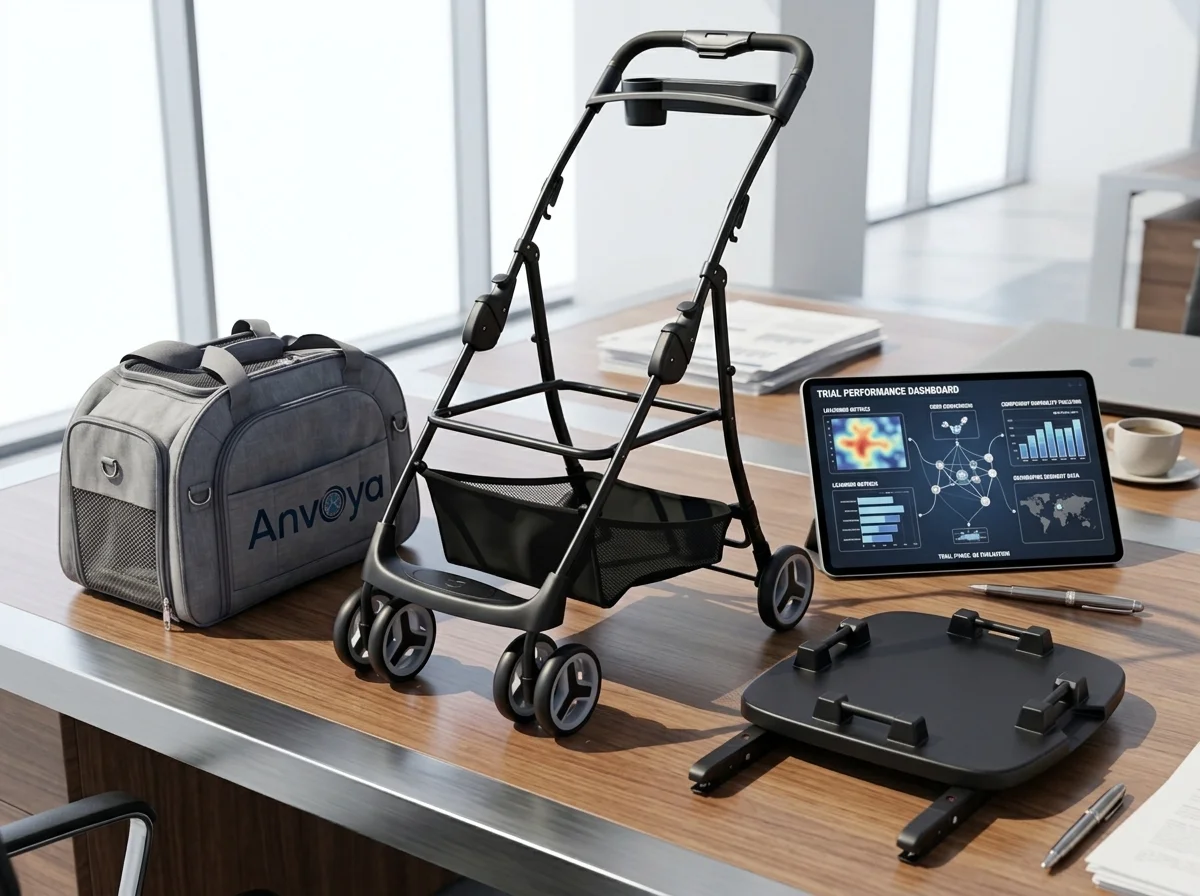
Many trial orders are too broad. The buyer selects several colors, several accessories, several packaging versions, and several configurations. The first sales data then becomes hard to read. If one SKU sells slowly, the team does not know whether the issue is color, price, channel, packaging, or explanation.
We prefer trial orders with clear learning goals. The distributor may want to know whether customers understand the carrier-removal function. The team may want to know whether the vehicle-use feature is valued. The buyer may test whether BASE-X should be bundled or sold separately. The retailer may test whether customers prefer a full system or an entry configuration.
Focused trial-order example
| Variable | Suggested Limit |
|---|---|
| Frame | One main frame |
| Color | Two colors |
| Carrier | One main carrier configuration |
| BASE-X | Optional premium upgrade |
| Accessories | Small essential set |
| Packaging | One tested carton structure |
A trial order should produce market information, not only sales volume. The distributor can then build the second order with more confidence.
11. Why Should Product Training Start Before Goods Arrive?
The team should not learn the product for the first time when the container reaches the warehouse.
Training should begin during production so sales, warehouse, customer service, after-sales, and retailer teams are ready before the product is delivered.
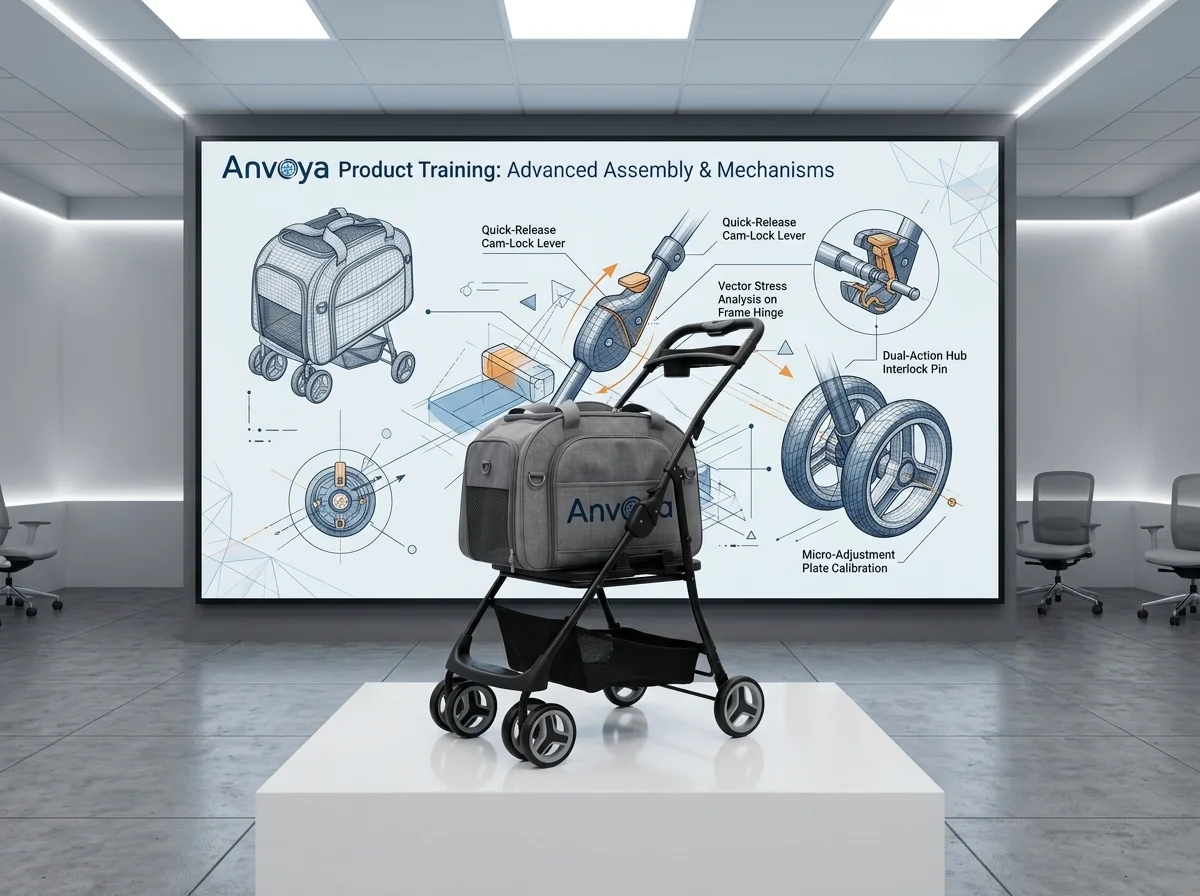
Different teams need different product knowledge. Salespeople need to explain value. Retail staff need a short demonstration. E-commerce customer service needs common answers. Warehouse teams need SKU and carton identification. After-sales teams need troubleshooting and spare-part records.
Training does not need to be complex. A short product overview can show the main positioning. A demonstration video can show folding, docking, and carrier removal. A retailer sheet can explain the product in simple language. A spare-part guide can help customer service identify wheels, cushions, connectors, and adapters.
Training materials by team
| Team | Needed Information |
|---|---|
| Sales team | Product value, target customer, price reason |
| Retail staff | One-minute demo, key benefits, FAQ |
| E-commerce service | Size, usage, assembly, troubleshooting |
| Warehouse | SKU, color, carton, part labels |
| After-sales | Spare parts, version records, replacement steps |
A product passes through many hands before it reaches the pet owner. The same product needs different explanations for different people in the distribution chain.
12. Why Does Reorder Readiness Matter As Much As Launch Readiness?
A good launch can create a new problem if replenishment is not ready.
A distributor-ready product should be easier to reorder than it was to develop, with stable versions, repeatable materials, clear lead times, and controlled parts compatibility.
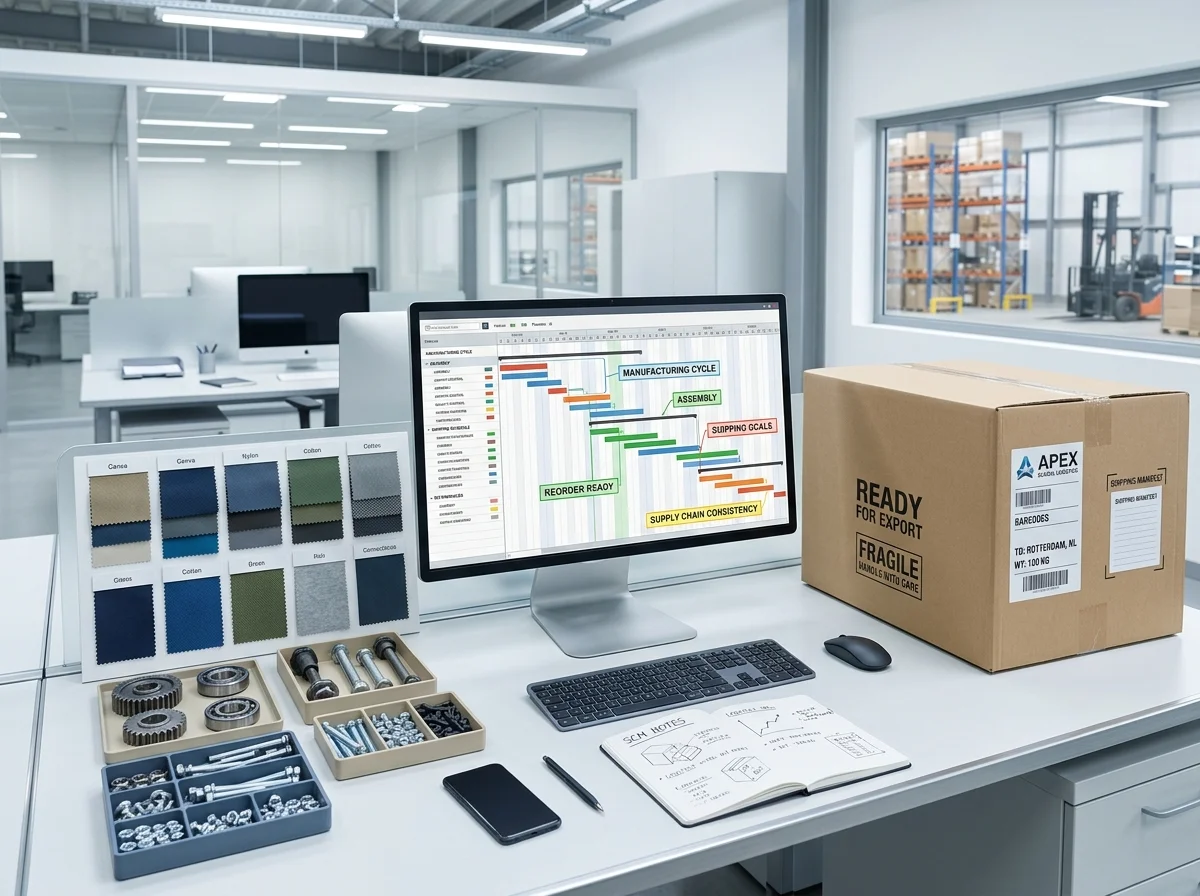
A first order can sell well and still create pressure. The distributor may need more stock quickly. The retailer may ask for the same color again. The e-commerce team may need matching replacement parts. The buyer may want to reorder the same product without reopening every detail.
Before launch, we like to confirm production lead time, material availability, color consistency, component availability, reorder MOQ, spare-part lead time, packaging lead time, version control, forecast communication, and seasonal production plans.
A platform-based product structure helps here. Shared frames, shared wheels, common docking parts, standard packaging structures, repeatable soft-goods patterns, and compatible BASE-X interfaces reduce the work needed for repeat orders.
Reorder readiness points
| Item | Why It Matters |
|---|---|
| Lead time | Helps stock planning |
| Color consistency | Protects product line appearance |
| Component availability | Reduces supply risk |
| Reorder MOQ | Supports realistic replenishment |
| Version control | Prevents compatibility problems |
| Forecast process | Helps both buyer and factory plan |
Repeat orders should not feel like a new development project. They should feel controlled.
13. What Should a Distributor Launch Readiness Checklist Include?
A checklist turns launch preparation into clear work. It also helps both sides avoid missed details.
A launch readiness checklist should cover product, SKU plan, packaging, instructions, sales materials, after-sales, and reorder preparation before the first shipment.
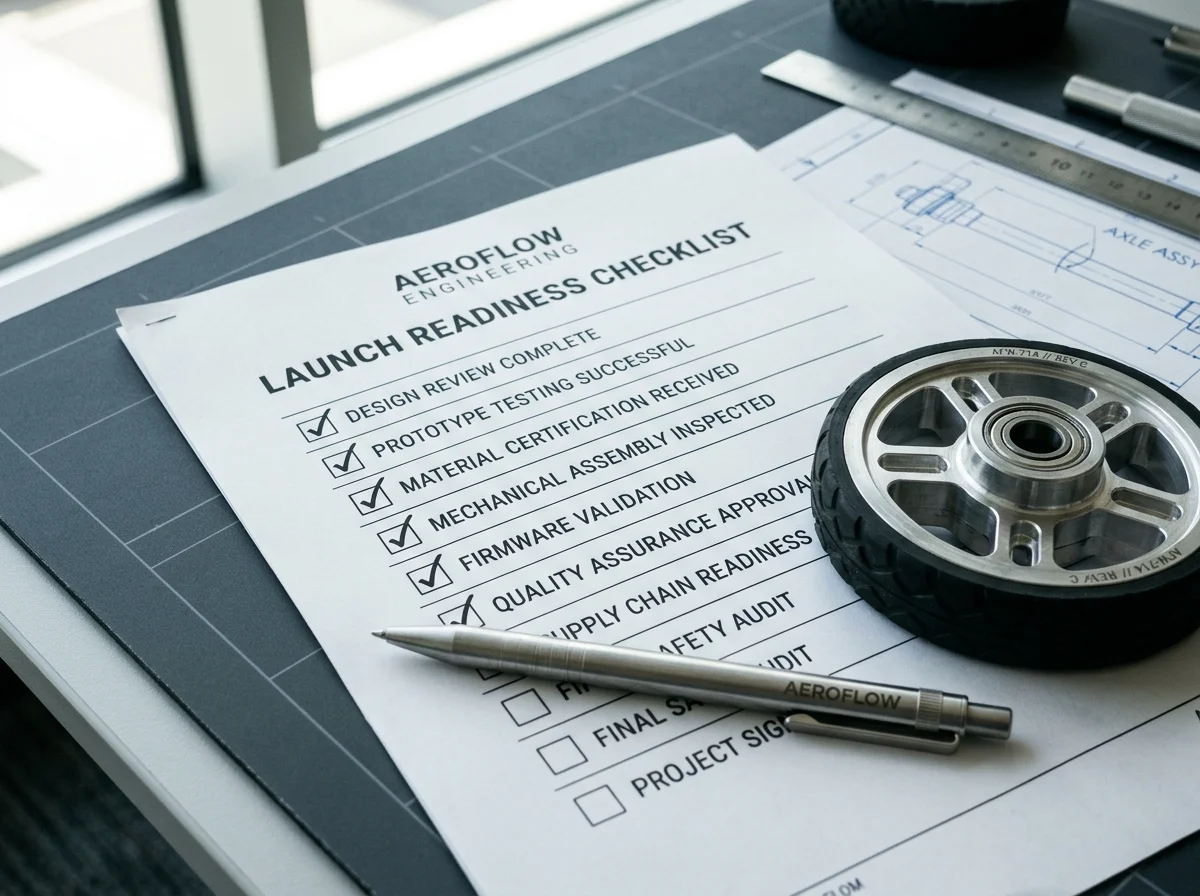
A checklist is useful because launch work involves many teams. Product development, packaging, marketing, sales, warehouse, after-sales, and purchasing may all touch the same project. Without a checklist, each team may assume another team has already finished the work.
Product
- [ ] Final sample approved
- [ ] Product positioning confirmed
- [ ] Main selling point defined
- [ ] Specifications finalized
- [ ] Load and size information confirmed
- [ ] Product version recorded
SKU and order
- [ ] Main SKU selected
- [ ] Color range controlled
- [ ] Accessories confirmed
- [ ] Replacement parts included
- [ ] Trial-order purpose defined
Packaging
- [ ] Final carton tested
- [ ] SKU and color labels confirmed
- [ ] Barcode confirmed
- [ ] Component checklist included
- [ ] E-commerce protection reviewed where required
Instructions and sales
- [ ] Printed manual completed
- [ ] Assembly process tested
- [ ] QR video prepared
- [ ] Local-language version reviewed
- [ ] White-background images ready
- [ ] Lifestyle images ready
- [ ] Demonstration video ready
- [ ] Retailer FAQ ready
After-sales and reorders
- [ ] Spare-part list completed
- [ ] Part codes assigned
- [ ] Compatibility recorded
- [ ] Local stock plan confirmed
- [ ] Lead time confirmed
- [ ] Reorder MOQ confirmed
- [ ] Forecast process agreed
This checklist is simple. It makes the launch more real.
14. How Does Anvoya Support Distributor Launches?
Anvoya is not only a manufacturer. We help buyers prepare products for the full distribution chain.
Anvoya supports distributor launches through product positioning, SKU planning, private label work, packaging, manuals, videos, sales materials, spare-part planning, version control, and AERO and BASE-X system configuration.
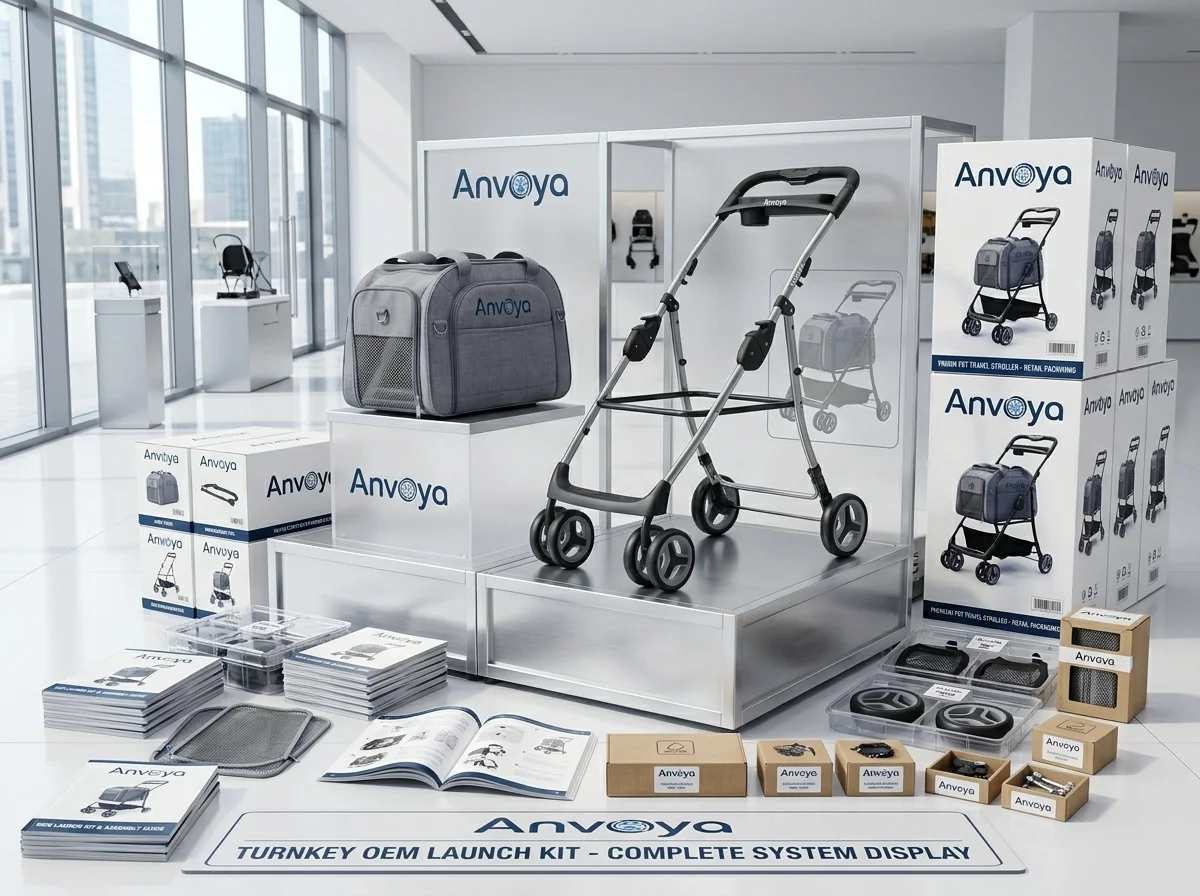
Our work does not stop when a sample is approved. A product still needs to be explained, stocked, displayed, sold, supported, and reordered. This is where our background matters. Anvoya comes from child car seat and automotive safety product development. We use that experience in vehicle anchoring, load paths, docking logic, misuse prevention, tooling, materials, and repeatable production.
We do not describe pet products as equal to certified child restraint systems. The pet category does not have one unified mandatory crash-test regulation like child car seats. We use crash testing and dynamic-load thinking as engineering tools. We also explain vehicle-use claims carefully. The goal is to secure the carrier and reduce uncontrolled movement. This can help reduce risk to the driver, passengers, and pet.
AERO path
AERO is suitable for buyers who need:
- a ready lightweight system
- small-pet and cat positioning
- carrier, stroller, and vehicle-use functions
- faster private label launch
- regional soft-goods localization
BASE-X path
BASE-X is suitable for buyers who need:
- a modular vehicle-ready upgrade
- compatibility with an existing carrier
- a premium hero product
- future carrier expansion
- a stronger system-based sales story
We help buyers choose the path that fits their channel. Some buyers need a ready hero product. Some buyers need to upgrade an existing carrier line. Some buyers need both.
What Common Launch Mistakes Should Buyers Avoid?
Many launch problems are predictable. They can be reduced when the launch is planned early.
The most common mistakes are treating sample approval as completion, launching too many SKUs, using factory language, delaying sales materials, ignoring spare parts, and forgetting reorder planning.
Treating sample approval as project completion
The product may still lack packaging, instructions, media, and after-sales support.
Launching too many SKUs
Too much choice creates inventory pressure and makes sales data hard to read.
Using factory language in consumer materials
Technical words may describe the structure. They may not explain why the product matters.
Producing instructions without user testing
Factory staff already know the product. A new user can reveal missing steps and unclear warnings.
Ignoring replacement parts
A small after-sales issue can become a full-product return if no part is available.
Preparing sales materials too late
Retailers may receive goods before they know how to present them.
Making absolute safety claims
Vehicle-use benefits should be explained with care. Pet travel products do not have one universal mandatory certification system equal to child car seats.
Forgetting reorders
A strong first launch still needs a repeatable supply chain.
FAQ
When is a pet travel product ready for distributor launch?
A pet travel product is ready when the product, positioning, SKU plan, packaging, instructions, sales materials, after-sales process, and reorder plan have all been confirmed.
Is an approved sample enough to place the first order?
An approved sample is not enough by itself. Packaging, manuals, spare parts, product media, and launch positioning should also be prepared.
How many SKUs should a distributor launch first?
A focused range is usually safer. One main product, one or two colors, selected accessories, and a clear premium upgrade are often enough.
What sales materials should the supplier provide?
Useful materials include white-background images, lifestyle photos, demonstration videos, specification sheets, FAQs, comparison charts, size guides, and retailer training sheets.
Why should instructions be tested outside the factory?
Factory staff already know the product. A new user can reveal unclear steps, missing warnings, and difficult installation points.
Should spare parts be included in the first order?
Common replacement parts should usually be planned before launch. These may include wheels, cushions, connectors, adapters, canopies, and locking parts.
How should a trial order be structured?
A trial order should use limited variables. It should test clear questions about color, function, channel, pricing, accessories, and customer understanding.
What is the role of BASE-X in a distributor launch?
BASE-X can provide a premium vehicle-ready upgrade. It can also support modular product positioning and future carrier expansion.
What is the role of AERO in a distributor launch?
AERO offers a ready lightweight pet travel system. Buyers can localize it through colors, fabrics, branding, packaging, and market positioning.
Why is reorder planning important before launch?
The distributor needs confidence that successful products, matching colors, compatible parts, and replacement components can be supplied again.
Conclusion
A distributor-ready product is prepared to be explained, stocked, sold, supported, and reordered. It is not only manufactured.