
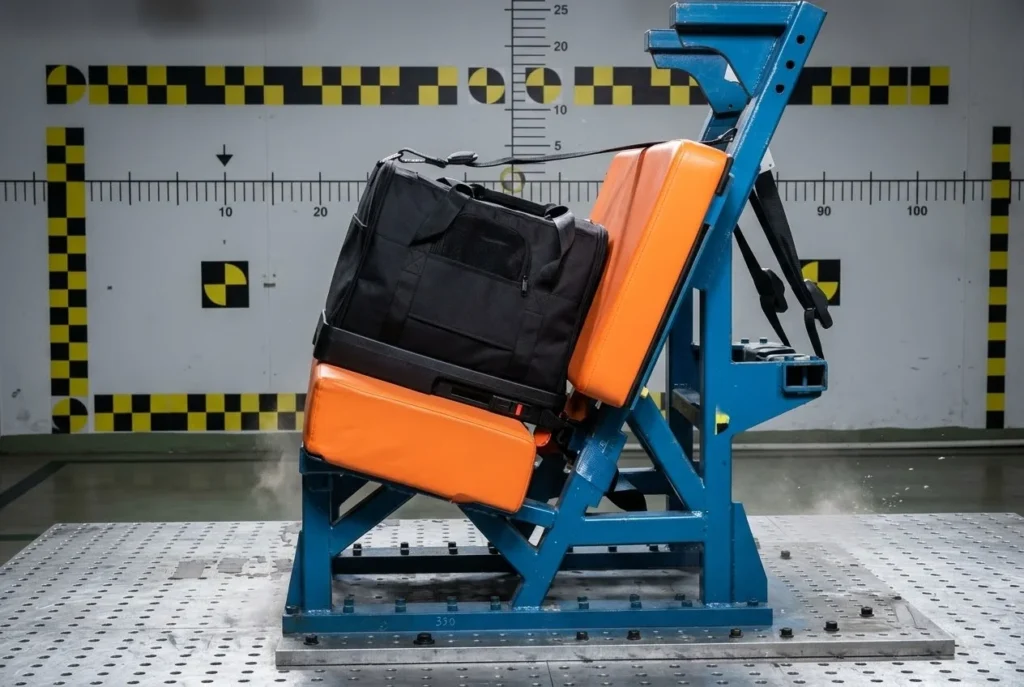
Worried your pet isn't safe in the car? During a sudden stop, they can become a projectile[^1]. A proper safety seat is the solution to keep everyone protected.
A crash-tested pet car seat is a vehicle restraint system. It is engineered to manage impact forces to protect human passengers first and reduce pet injury second[^2]. Its safety claim must be backed by specific, verifiable dynamic crash tests.
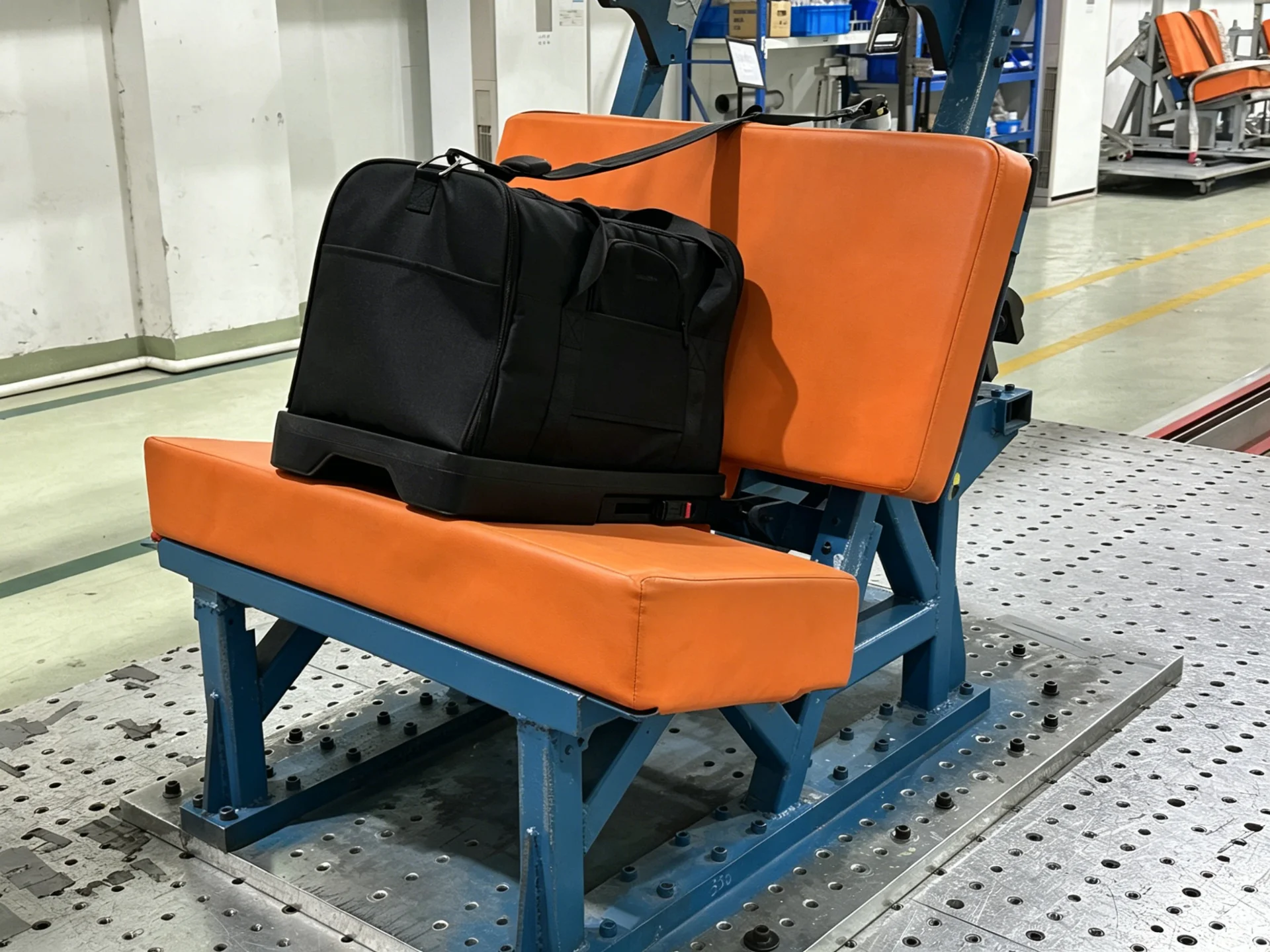
As someone who designs and manufactures these products, I know the term "crash tested" can be confusing. It’s not just a marketing label. It represents a serious engineering effort to improve safety for everyone inside the vehicle. We need to look past the marketing and understand what makes a seat truly safe. Let’s break down what you should look for and the questions you need to ask.
What Does “Crash Tested” Mean?
The term "crash tested" is thrown around a lot. This can make you buy a product that gives a false sense of security. Let’s clarify what it really means.
"Crash tested" simply means the product was subjected to a dynamic test that simulates a crash. To judge its value, you must know the test conditions, speed, and pet dummy weight used.
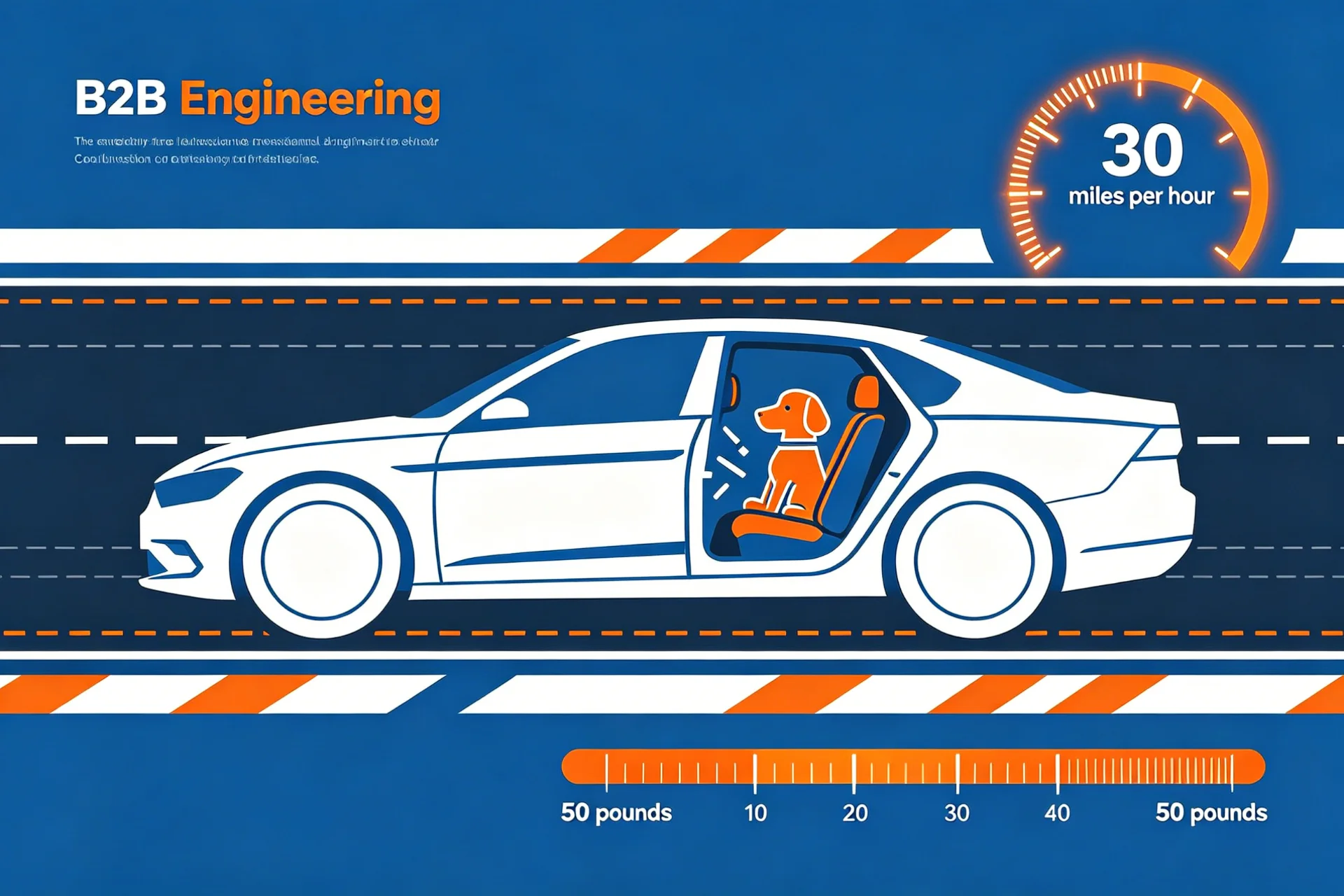
In my work reviewing test plans and results, I’ve learned that the details matter more than the claim itself. Unlike child car seats, there isn't a single, global government standard for pet car seats[^3]. This means manufacturers set their own test conditions. So, when a brand says their product is "crash tested," you need to be a detective. You should ask critical questions to understand if the test is relevant to you and your pet. A test with a 10-pound dummy is not relevant for a 50-pound dog. From our engineering perspective, transparency about test conditions is the first sign of a trustworthy manufacturer. It shows they are focused on real safety performance, not just using a buzzword.
Here are the key questions you should ask:
- What facility conducted the test? Was it an independent, certified lab or an in-house test?
- What was the test speed? A test at 20 mph is very different from one at 30 mph or higher.
- What size and weight of pet dummy was used? The seat must be tested for a pet of your dog's size.
- How was the seat installed in the test? Was it with a seatbelt or ISOFIX/LATCH anchors?
- What were the pass/fail criteria? Did the seat structure break? Did the dummy leave the seat?
| Question to Ask | Why It Matters | What to Look For |
|---|---|---|
| Test Speed | Higher speeds mean much greater forces. | At least 30 mph (50 km/h) is a common standard. |
| Dummy Weight | The test must match your pet's weight. | A clear weight rating, e.g., "Tested for pets up to 50 lbs." |
| Test Video | Shows how the seat actually performs. | The dummy stays contained, and the seat does not break. |
| Test Report | Provides official proof and detailed data. | Results from a named testing facility. |
What Types of Crash Tested Pet Car Seats Are There?
Many products on the market are called pet car seats. But choosing the wrong one can offer little to no real protection in an accident. You need to know the difference.
True crash-tested seats feature a rigid structure and secure vehicle anchoring points. They are fundamentally different from soft boosters or carriers, which prioritize comfort over crash-force management and containment.
From a manufacturing standpoint, we categorize these products into two very different groups. The first is a Structural Safety System. This is what we focus on. These products are built around a rigid frame or shell, often made from reinforced plastic or metal. They are designed with a specific "load path" in mind to channel crash forces away from the pet and into the vehicle's frame. The second group is Comfort Carriers and Boosters. These are typically made of fabric and foam. While they might have a strap to connect to a seatbelt, their primary purpose is to elevate the pet or keep them from roaming. They are not engineered to withstand crash forces. Confusing one for the other is a common and dangerous mistake we see all the time.
| Feature | Structural Safety Seat | Comfort Booster/Carrier |
|---|---|---|
| Primary Goal | Crash protection | Comfort, view, containment |
| Base Structure | Rigid, reinforced plastic/metal | Soft, foam or fabric |
| Anchoring | Seatbelt lock-off, ISOFIX/LATCH | Single, often loose strap |
| Pet Restraint | Integrated 5-point harness | Single tether, clips to collar/harness |
| Cost | Higher | Lower |
How Do Material and Structure Affect Safety?
At first glance, many pet seats look similar. However, the hidden materials and internal design are what separate a real safety device from a simple accessory in a crash.
Safety is a direct result of a rigid frame to absorb impact, strong webbing to distribute force, and secure anchoring that connects to the car's chassis. Soft materials alone cannot manage crash energy.
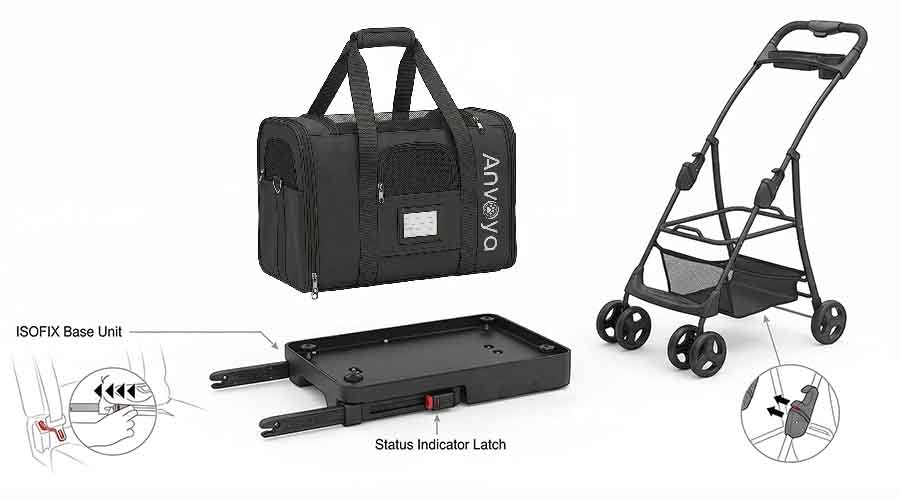
When we engineer a pet car seat, we apply the same principles we learned from decades in the child safety seat industry[^4]. The most important concept is the "load path." During a crash, immense force is generated. A safe seat must manage that force by directing it away from the pet. The path starts at the pet’s harness. The force travels through the harness webbing, into the rigid shell of the seat. The shell absorbs and distributes the impact. Finally, the force is transferred through the vehicle’s seatbelt or ISOFIX anchors into the car frame itself. This entire system fails if any part is weak. That's why we use injection-molded, reinforced polypropylene for the base, not simple fabric. We use high-tensile strength webbing, just like in human seatbelts. The buckles and hardware are steel. A soft, plushy bed is nice for comfort, but it offers no structural resistance in a collision.
What Are Some Real-World Use Cases and Evidence?
Laboratory crash tests can feel very technical. You rightly want to know if these safety seats actually work in the real world. Let’s look at the best available evidence.
While specific pet crash data is limited, high-quality, simulated crash test videos provide the best evidence. They visually prove how the seat and pet dummy perform, showing containment and force management.
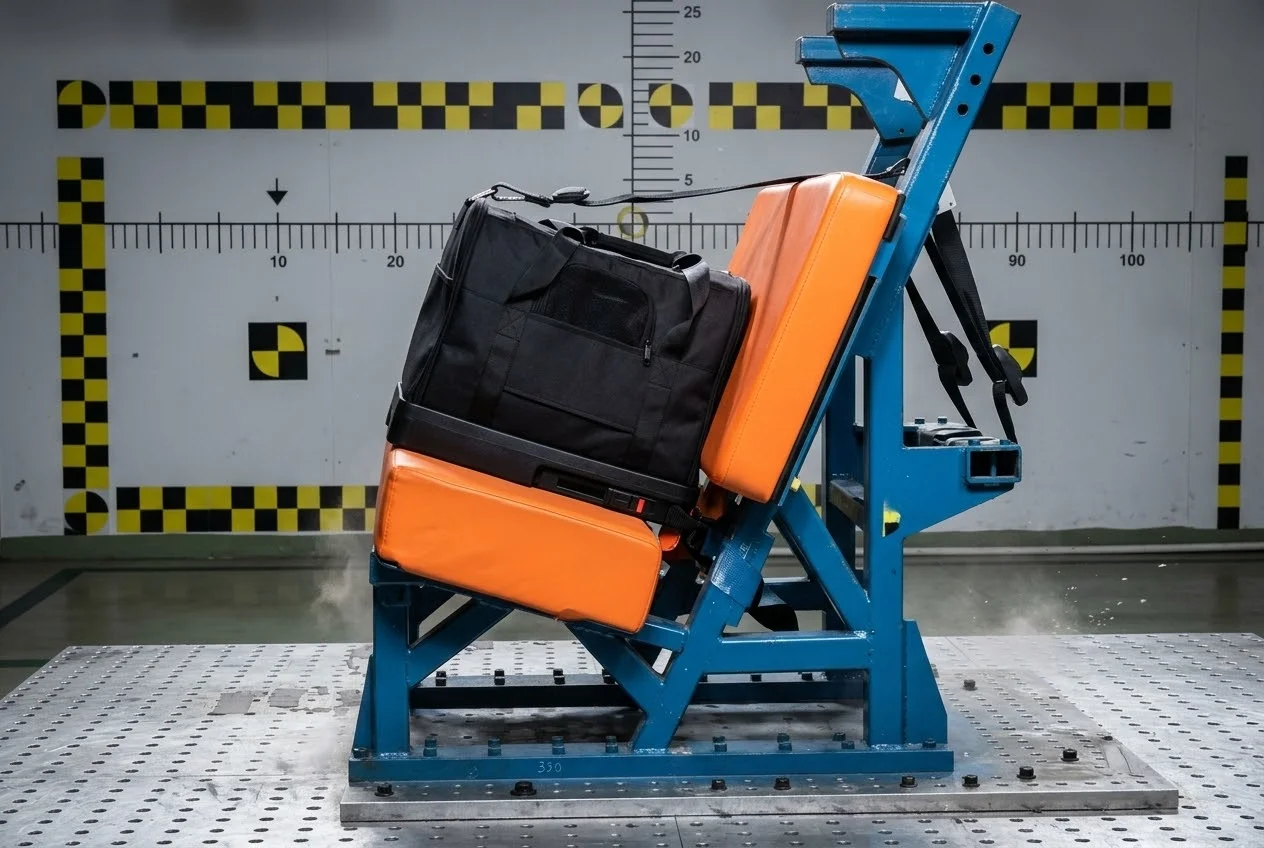
In an ideal world, we would have extensive data from real accidents. However, this information is not systematically collected for pets[^5]. So, as product engineers, we rely heavily on dynamic sled testing in a lab environment. This is the same method used to certify child car seats.[^6] The goal is to recreate the physics of a 30 mph crash. When we review test footage, we are not just looking for a "pass." We are watching for specific outcomes. Does the seat's structure stay completely intact? Does the pet dummy remain fully inside the protective shell of the seat? Is there excessive forward movement that could cause the pet to hit the front seat? Seeing a video of a product successfully containing the dummy is far more convincing than a simple certificate. It’s visual proof that the engineering works as intended. Any brand serious about safety should be able to provide this kind of video evidence.
How Can You Verify a Crash Tested Seat?
Many brands make bold claims about safety. So how do you cut through the marketing noise and find a product with real engineering behind it? You have to ask for the proof.
To verify a "crash tested" claim, ask the manufacturer for the test report or video. Look for the testing facility's name, the test date, the speed, and the weight of the pet dummy used. Transparency is the best indicator of a trustworthy brand.
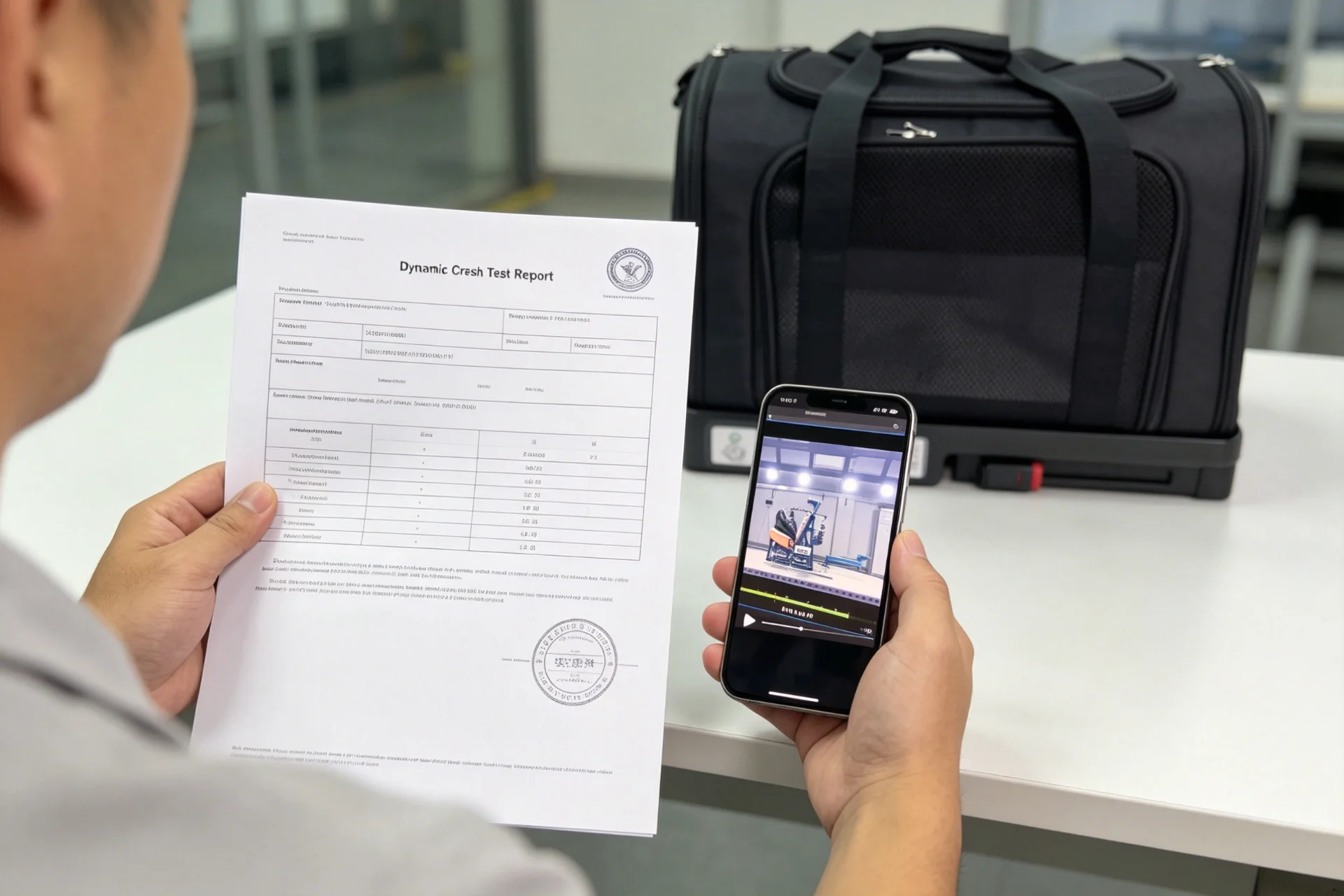
As a manufacturer, we welcome these questions. We are proud of our testing and engineering, and we want to share that with our customers. A brand that hides its test results or gives vague answers should be a red flag. Your job as a buyer—whether you are a pet owner or a retail distributor—is to act like an investigator. Don't just take the "crash tested" sticker on the box at face value. Dig deeper. An email to the company's customer service should be all it takes. Ask for a copy of the test report or a link to the video. When you get it, check that the product name matches and review the key parameters. If a company cannot or will not provide this, you should question the validity of their safety claims. True safety engineering is something to be proud of, not something to hide.
Here is a simple verification checklist:
- Request Evidence: Email the manufacturer and ask for the crash test report and video.
- Check the Source: Was the test done by a known, independent lab?
- Confirm the Parameters: Does the test speed (e.g., 30 mph) and dummy weight match your needs?
- Watch the Video: Does the seat remain intact and contain the pet dummy?
- Examine the Product: Does it have a rigid structure and robust anchoring points like ISOFIX/LATCH?
What Are Some Common Installation and Usage Mistakes?
You can buy the best-engineered safety seat in the world. But if it's installed or used incorrectly, it might offer little protection in a crash. Let's fix that.
The most dangerous and common mistakes are a loose installation in the vehicle and an improper harness fit on the pet. The seat should not move more than one inch[^7], and the harness must be snug.
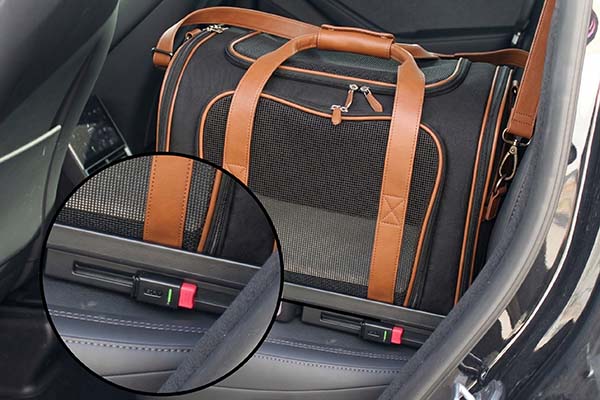
In our customer education efforts, we see the same few mistakes repeatedly. The first is a loose installation. Many people thread the seatbelt through the seat but don't pull it tight to lock it. You should put your weight into the seat and pull the seatbelt until there is no slack. Grab the base and try to move it side-to-side and front-to-back. It shouldn't move more than an inch in any direction. The second major error is with the pet's harness. People often leave it too loose for comfort, but that slack allows for dangerous momentum in a crash. You should only be able to fit two fingers between the harness and your pet. Finally, never attach the seat's safety tether to your dog's collar. The force in an accident can cause severe neck or throat injuries.[^8] It must always attach to the back of a robust, well-fitting harness. Getting these three things right is critical for the seat to perform as designed.
What Are the Benefits of Using a Crash Tested Pet Car Seat?
Is a high-quality safety seat really worth the investment? An accident can have terrible physical and emotional costs. You need to understand the clear benefits of this equipment.
The main benefit is protecting the people in the car from an unsecured pet becoming a projectile. It also significantly reduces pet injury, prevents driver distraction[^9], and provides a secure space for your pet.
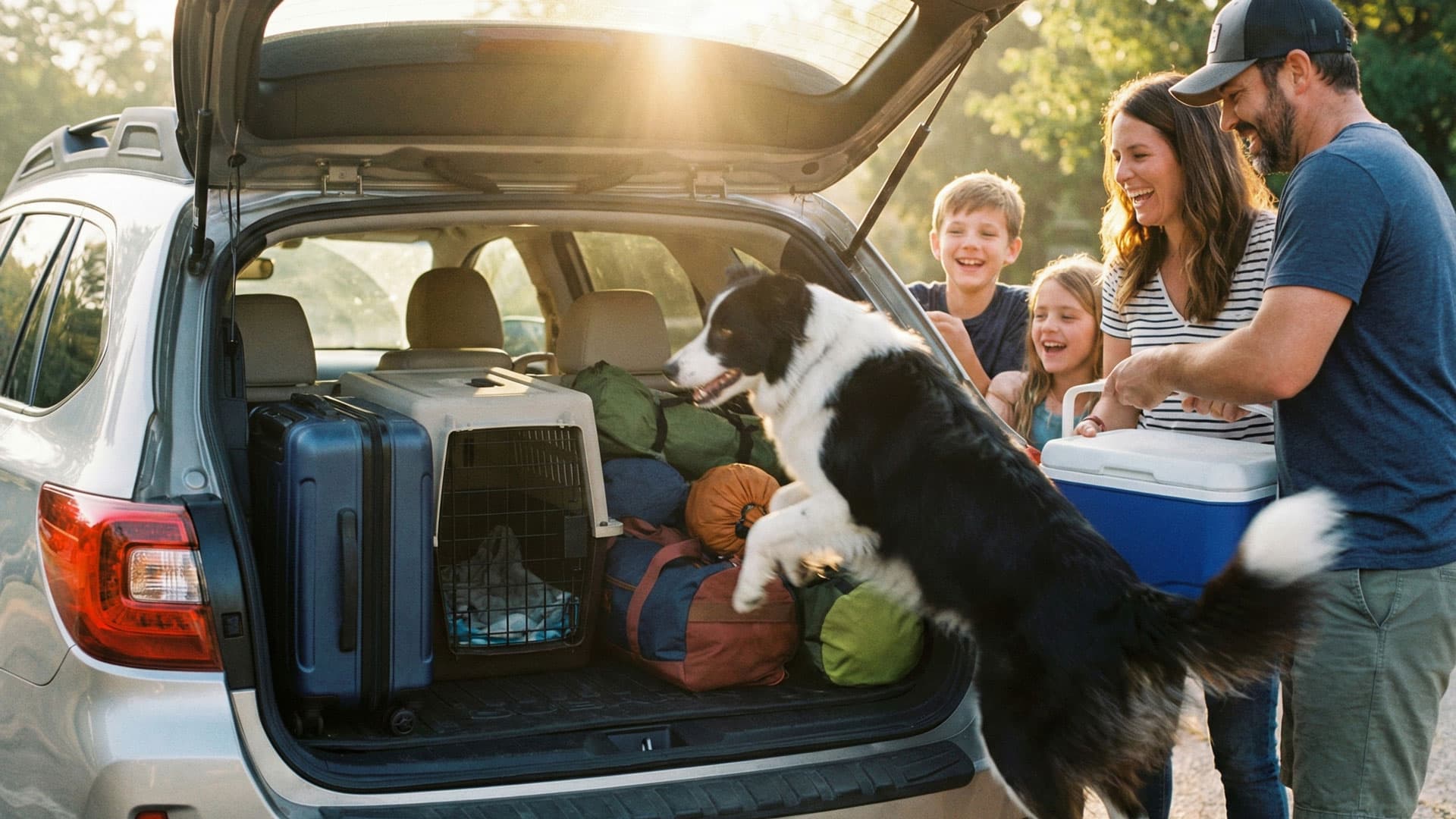
The number one reason for a crash-tested restraint is human safety. This is the core of our entire engineering philosophy. A 60-pound dog in a 30-mph crash can exert about 2,700 pounds of force.[^10] That is enough to cause serious or fatal injury to a driver or passenger. A proper seat contains that force. Second, of course, is the safety of the pet. By keeping the animal contained within a protective shell, the seat reduces the chance of it being ejected from the vehicle or hitting hard interior surfaces. But the benefits extend beyond a crash scenario. A secured pet cannot jump into the driver's lap, creating a major distraction. It also gives the dog a safe, familiar space, which can reduce anxiety during travel. It provides total peace of mind, knowing you have taken a professional, engineering-based step to protect your entire family.
Conclusion
A crash-tested pet seat is a vehicle safety system, not a pet accessory. Prioritize seats with rigid structures and demand verifiable test evidence to protect your pet and, most importantly, everyone else.
[^1]: "AAA says unrestrained pets in cars can cause deadly crashes", https://www.youtube.com/watch?v=pApqSXSD6-Q. Sources from automotive safety institutions or physics experts can explain that in a collision, an unrestrained body continues to move at the vehicle's original speed until it strikes an object, generating significant and potentially lethal force. Evidence role: mechanism; source type: institution. Supports: The claim that an unrestrained pet acts as a projectile in a crash due to inertia, and that the resulting impact force can be dangerously high..
[^2]: "Remember Safety While Driving with Pets", https://www.americanhumane.org/public-education/remember-safety-while-driving-with-pets/. Reports from automotive associations and safety organizations often frame the need for pet restraints in terms of driver safety, highlighting the risk of injury to humans from the impact of an unrestrained animal during a crash. Evidence role: expert_consensus; source type: institution. Supports: The claim that the primary safety rationale for restraining pets is to prevent them from becoming projectiles that can injure human occupants..
[^3]: "Car Seat & Booster Seat Safety, Ratings, Guidelines - NHTSA", https://www.nhtsa.gov/vehicle-safety/car-seats-and-booster-seats. Government transportation safety agencies, such as the U.S. National Highway Traffic Safety Administration (NHTSA), have established detailed Federal Motor Vehicle Safety Standards (FMVSS) for child seats but have not issued comparable standards for pet products. Evidence role: general_support; source type: government. Supports: The claim that there are no federal safety standards or regulations specifically for pet restraint systems, unlike the strict standards for child restraint systems..
[^4]: "Car Seat & Booster Seat Safety, Ratings, Guidelines - NHTSA", https://www.nhtsa.gov/vehicle-safety/car-seats-and-booster-seats. Academic and engineering resources on vehicle crashworthiness explain that effective restraint systems, for any occupant, function by absorbing impact energy and distributing deceleration forces across the strongest parts of the body to prevent injury. Evidence role: mechanism; source type: education. Supports: The claim that the engineering of safety restraints relies on fundamental principles of physics, such as managing kinetic energy, distributing impact forces over time and space, and maintaining structural integrity..
[^5]: "Wildlife-Vehicle Collision Reduction Study: Report To Congress", https://www.fhwa.dot.gov/publications/research/safety/08034/exec.cfm. Research papers and reports from veterinary and transportation safety organizations have noted that official crash databases typically do not include information on non-human passengers, making it difficult to quantify the exact number of pets injured or killed in accidents. Evidence role: general_support; source type: research. Supports: The claim that there is a lack of comprehensive, systematic data on pet injuries and fatalities in motor vehicle accidents..
[^6]: "[PDF] Laboratory Test Procedure for FMVSS 213 Child Restraint ... - NHTSA", https://www.nhtsa.gov/sites/nhtsa.gov/files/2023-10/TP-213-11-10272023.pdf. Federal Motor Vehicle Safety Standard 213 (FMVSS 213) in the United States specifies that child restraint systems must pass dynamic performance tests conducted on a standardized sled apparatus to simulate a frontal crash. Evidence role: case_reference; source type: government. Supports: The claim that government standards for child safety seats mandate dynamic testing on a sled that simulates a vehicle crash..
[^7]: "Car Seat & Booster Seat Safety, Ratings, Guidelines - NHTSA", https://www.nhtsa.gov/vehicle-safety/car-seats-and-booster-seats. Vehicle and child safety authorities, including the National Highway Traffic Safety Administration (NHTSA), advise that a correctly installed car seat should not move more than one inch when pulled at the belt path, as this ensures a tight connection to the vehicle. Evidence role: expert_consensus; source type: government. Supports: The claim that a one-inch limit on side-to-side or front-to-back movement at the belt path is the standard for a secure car seat installation.. Scope note: This guidance is officially for child safety seats, but the mechanical principle of minimizing slack in a restraint system is broadly applicable.
[^8]: "RCW 16.52.350:", https://app.leg.wa.gov/rcw/default.aspx?cite=16.52.350. Veterinary associations and animal welfare organizations consistently warn against attaching car restraints to a dog's collar, as the focused force in a sudden stop can cause tracheal collapse, cervical spine damage, or other severe injuries. Evidence role: expert_consensus; source type: institution. Supports: The claim that connecting a vehicle tether to a dog's collar is dangerous and can lead to serious neck, throat, or spinal injuries in a collision..
[^9]: "Driving with Pets as a Risk Factor for Motor Vehicle Collisions ... - PMC", https://pmc.ncbi.nlm.nih.gov/articles/PMC4492539/. Surveys and studies conducted by automotive associations and insurance companies have found that a significant percentage of drivers admit to being distracted by their pets, engaging in behaviors like petting the animal, holding it, or preventing it from climbing into the front seat. Evidence role: statistic; source type: institution. Supports: The claim that unrestrained pets are a source of driver distraction, which can lead to unsafe driving behaviors and accidents..
[^10]: "Energy of falling object - HyperPhysics", http://hyperphysics.phy-astr.gsu.edu/hbase/flobi.html. Safety organizations such as AAA have publicized calculations based on the formula (weight x speed = force) to illustrate that a medium-to-large dog can become a projectile with a force of over a ton in a common crash scenario. Evidence role: statistic; source type: institution. Supports: The calculation that an unrestrained 60-pound pet, in a 30-mph collision, can create an impact force of thousands of pounds.. Scope note: The exact force can vary based on crash duration and other factors, but the general magnitude is supported by basic physics principles.