
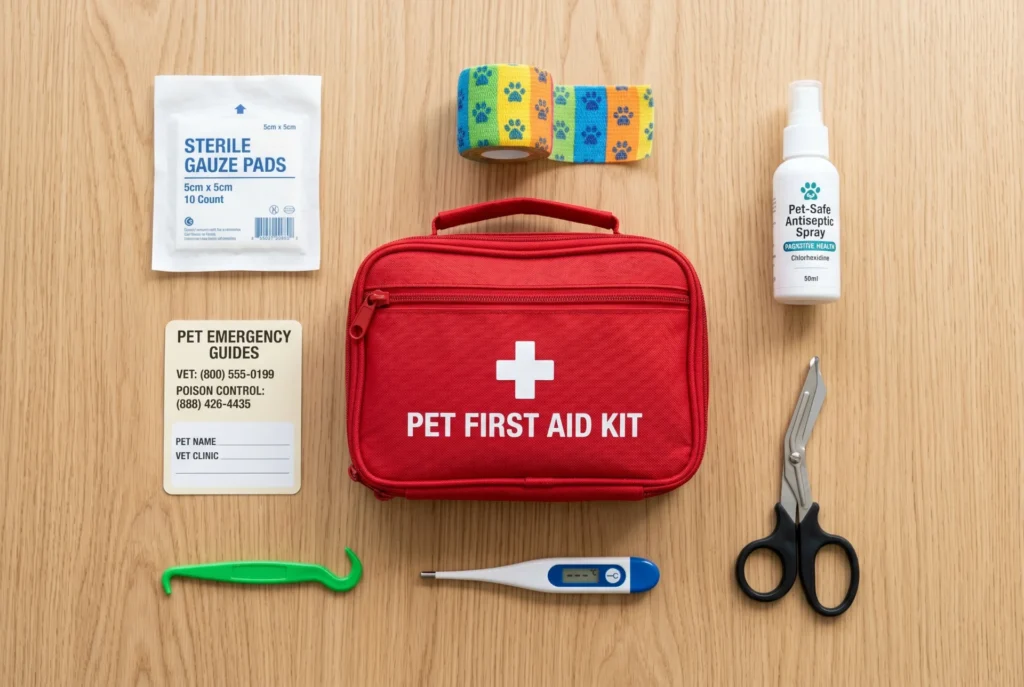
A small pet emergency can turn confusing fast. Panic makes simple choices harder. A prepared kit gives us a clear first step before the vet.
A pet first aid kit should include wound cleaning supplies, gauze and bandages, pet-safe medication approved by a vet, a thermometer, wound care tools, written emergency instructions, and checked expiration dates. It is not for home treatment. It helps us stabilize minor issues and reach veterinary care faster.
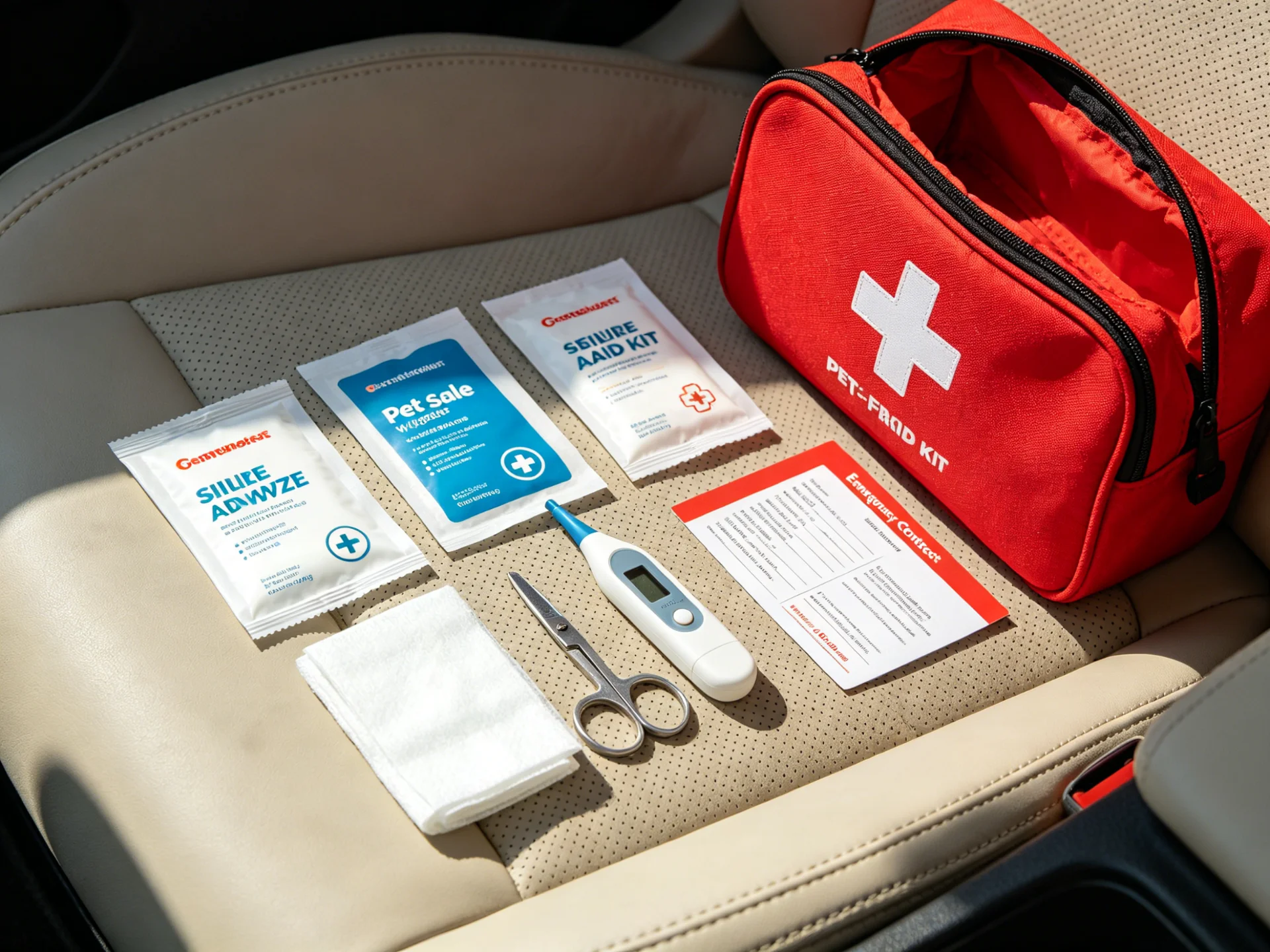
A pet first aid kit is not a small hospital in a bag. I see it as a travel safety tool. In our customer questions, many pet owners prepare food, water, toys, and a soft blanket. They often forget wound coverage, a thermometer, or vet contact information. That gap matters during car trips, daily school runs, camping weekends, and short visits to the park. A pet can get a cut, overheat, step on something sharp, or pick up a tick in a very normal day. The right kit does not replace a veterinarian. It helps us stay calm, protect people in the vehicle, reduce mess, limit movement, and buy time for proper care.
Why Do Disinfectants & Antiseptics Matter in a Pet First Aid Kit?
A dirty wound can look harmless at first. Licking and dirt can make it worse. Pet-safe cleaning supplies help us protect the wound before care.
Pet-safe disinfectants and antiseptics help clean minor skin wounds before veterinary advice. They should be made or approved for pets, used as directed, and kept away from eyes, ears, and deep wounds unless a veterinarian tells us otherwise.
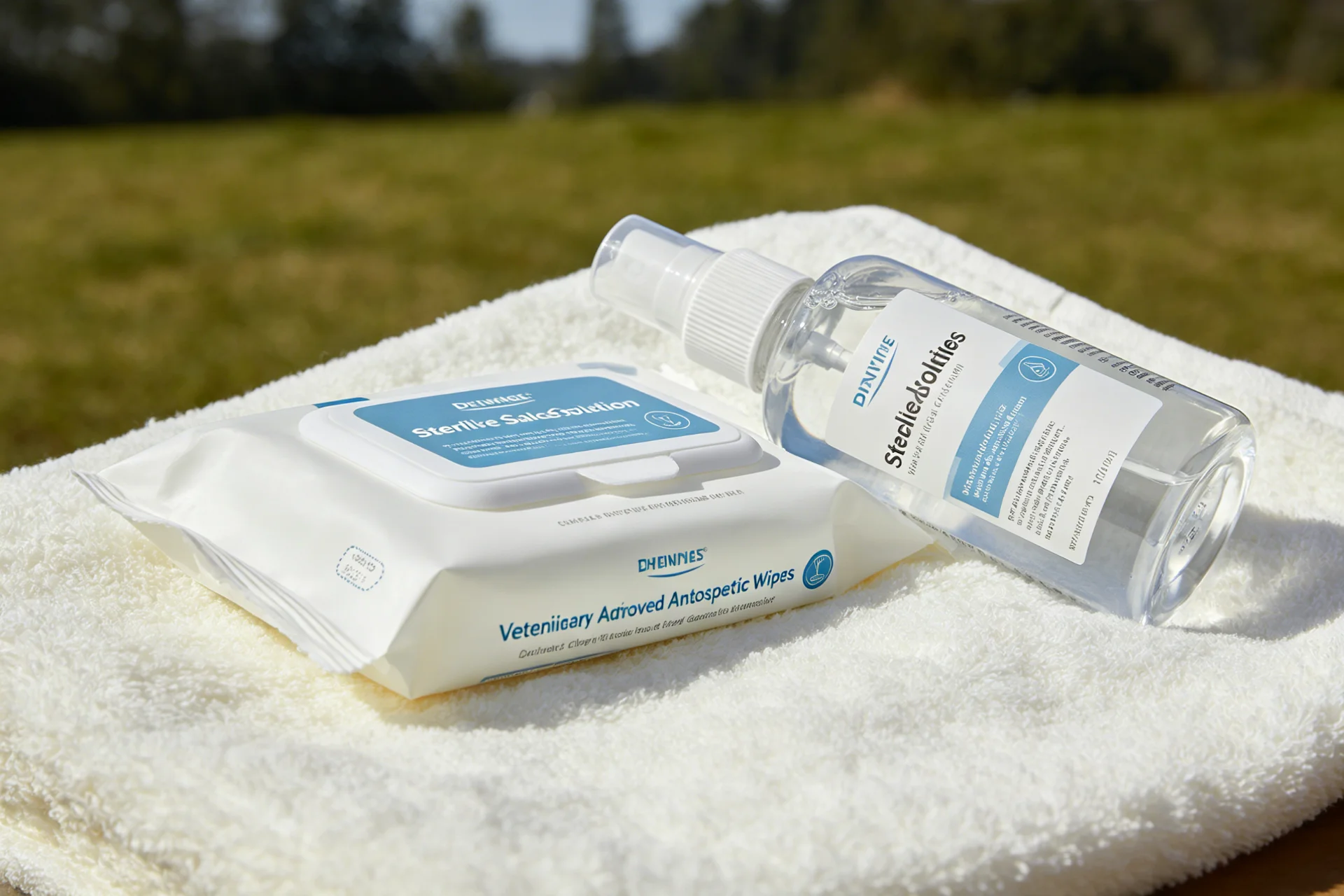
Human first aid habits do not always fit pets.[^1] This is one of the biggest misconceptions we see in pet travel preparation. Some products used by people can sting, burn, or be unsafe for animals. For a pet kit, we should think by function first. The function here is simple wound cleaning. The aim is not to “treat” an infection at home. The aim is to remove surface dirt from a minor wound, reduce handling stress, and get ready for the next step. Many veterinary groups advise owners to call a vet if a wound is deep, bleeding heavily, near the eye, caused by a bite, or linked with pain or weakness.
| Cleaning item | Main use | Simple caution |
|---|---|---|
| Sterile saline | Rinse dirt from minor wounds | Do not force liquid into deep wounds |
| Pet-safe antiseptic wipes | Clean around small skin issues | Avoid eyes, ears, and mouth |
| Vet-approved wound wash | Basic cleaning support | Follow label and vet advice |
| Disposable gloves | Keep hands clean | Change gloves after contact with blood |
In our own product education work, this is where I draw a clear line. A first aid kit supports safe action. It is not a reason to delay the vet.
What Bandages & Dressings Should We Keep for Pets?
A small wound can spread dirt across the car seat fast. Loose fur makes it harder. Gauze and dressings help us cover and control.
A pet first aid kit should include sterile gauze, non-stick pads, self-adherent wrap, and medical tape. These items help cover minor wounds, manage light bleeding, and protect the area during transport to a veterinarian.
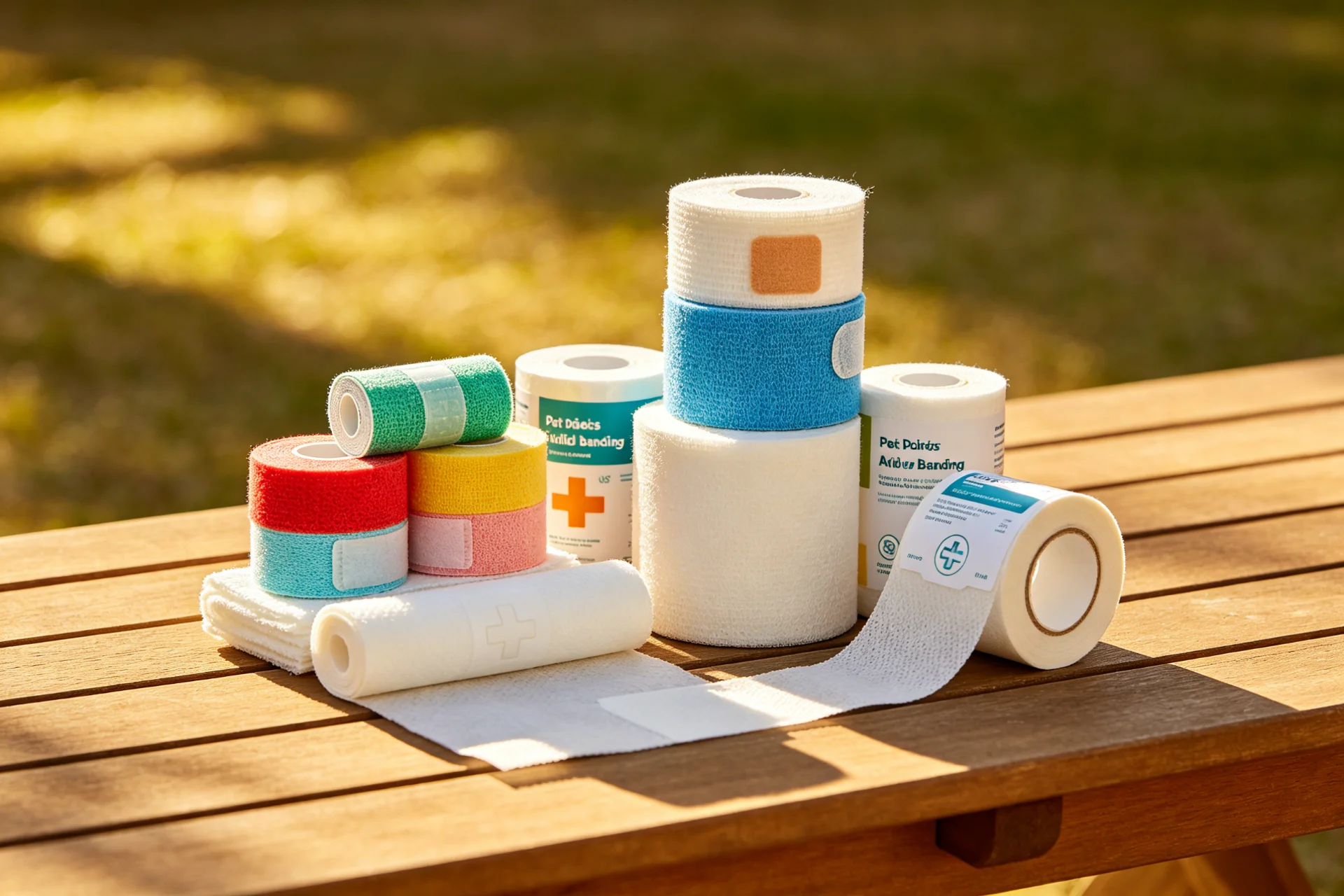
Bandages and dressings are core items because they create a clean barrier. They also help us handle a stressful moment in a controlled way. A wound does not need to be dramatic to create a problem during travel. A paw pad cut can leave blood on the floor, make the pet anxious, and distract the driver. This is why I connect first aid with vehicle safety. A distracted driver and a loose injured pet can create a second risk. The bandage is not just for the pet. It also helps protect the people onboard by reducing panic and movement.
| Dressing item | Why we need it | What we should remember |
|---|---|---|
| Sterile gauze pads | Cover and absorb | Use clean pads only |
| Non-stick pads | Protect wound surface | Good for tender areas |
| Rolled gauze | Hold pads in place | Do not wrap too tight |
| Self-adherent wrap | Secure the dressing | Check toes for swelling |
| Medical tape | Fasten wrap ends | Avoid sticking tape to fur |
Bandaging a pet is not the same as bandaging a person. Fur, movement, and chewing make it harder. A wrap that is too tight can restrict blood flow. A wrap that is too loose can fall off and become a choking risk. For this reason, I treat bandaging as a temporary travel step. It helps us get to help. It should not become a long-term home plan unless a vet gives clear instructions.
Which Pet-Safe Medication Belongs in the Kit?
Pain makes owners want to act quickly. Human medicine may seem close at hand. That choice can harm pets without veterinary direction.
Pet-safe medication in a first aid kit should only include items prescribed or approved by a veterinarian for that specific pet. Human painkillers and common household medicines should not be used unless a vet gives direct instructions.
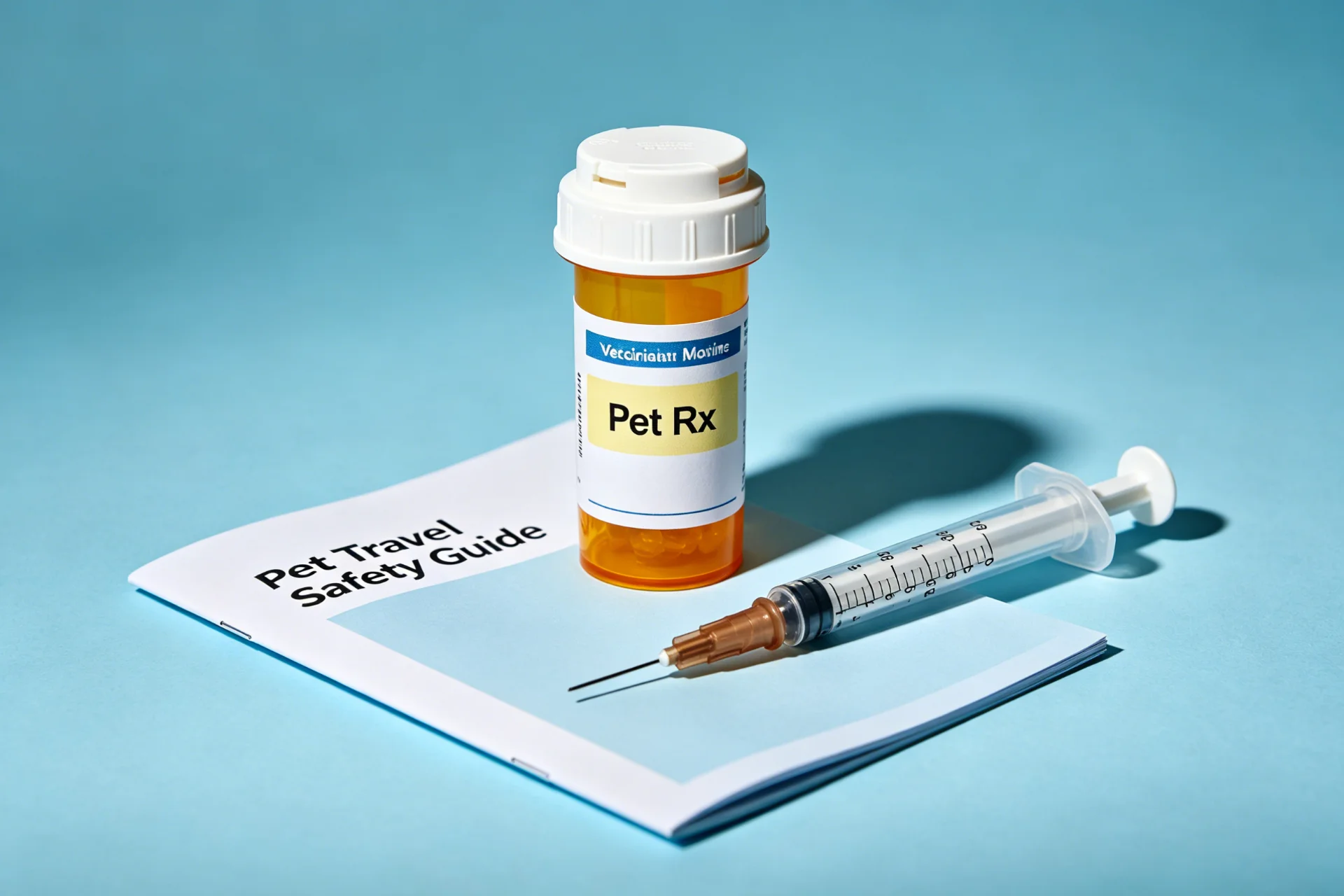
Medication is the part of the kit where I stay most careful. We sell pet supplies and we create safety content, but we are not veterinarians. Veterinary associations often warn that common human medications can be toxic to dogs or cats. A pet’s weight, age, species, health history, and current drugs all matter. This is why a “pet-safe” medicine is not just a product category. It is a medicine that a vet has approved for that pet.
| Medication-related item | Best use | Boundary |
|---|---|---|
| Vet-prescribed medicine | Use for known conditions | Follow the exact label |
| Allergy or travel medicine | Only if vet-approved | Do not guess dosage |
| Oral syringe | Give prescribed liquid medicine | Use only as instructed |
| Medication list | Tell the vet what the pet takes | Keep it updated |
In customer questions, we often hear a simple line: “Can I put my own pain medicine in the dog kit?” My answer is always simple. Ask your vet first. The first aid kit should include the pet’s approved medicine, not random medicine from a bathroom cabinet. If a pet is in pain after a crash, fall, bite, or sudden illness, that is a veterinary case. We can use the kit to keep the pet calm, warm, and safe during transport. We should not use it to hide symptoms or delay professional care.
Why Should We Add a Thermometer & Monitoring Tools?
A pet may look tired, hot, or just quiet. Guessing can waste time. Monitoring tools give us clearer information for the vet.
A digital pet thermometer and simple monitoring notes help us track temperature, breathing, gum color, and behavior. These tools do not diagnose the pet, but they give useful information when we call a veterinarian or emergency clinic.
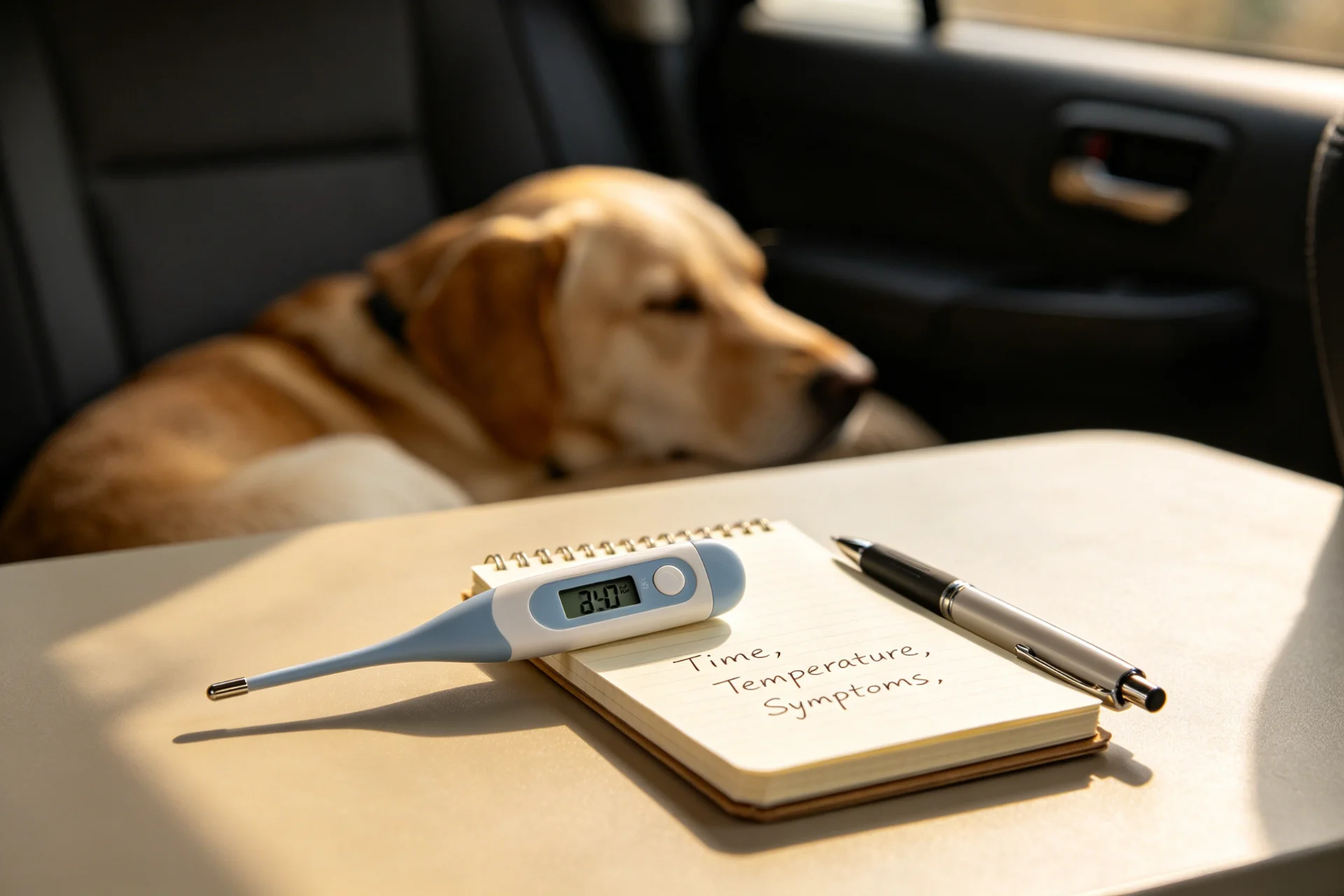
Observation is an emergency function that many kits miss. A thermometer is small, but it can change the quality of our phone call with the vet. A dog that seems “off” after a hot drive may need fast help. A cat that hides and breathes hard may need emergency care. We should not try to diagnose at home. We should collect simple facts. This is why I like a kit that includes both tools and a small note card.
| Monitoring tool | What it helps us observe | Why it matters |
|---|---|---|
| Digital pet thermometer | Body temperature | Supports vet triage |
| Small notebook | Time and symptom notes | Prevents memory gaps |
| Pen or waterproof marker | Clear written details | Useful during stress |
| Phone power bank | Contact vet and maps | Important during travel |
Pet owners often trust visible signs only. That can be risky. Some pets hide pain. Some pets become quiet instead of noisy. During travel, stress can also change behavior. A thermometer and notes help us describe the situation in plain facts. We can say when the symptom started, what the pet ate, what happened in the car, and whether the condition changed. That information may be as useful as a bandage. For families, the notes also help avoid mixed messages. One person can drive. One person can observe. One person can call the clinic. That simple system protects people and pets at the same time.
What Wound Care Tools Should Be Ready Before We Need Them?
A tick, splinter, or torn bandage never waits for a calm day. Searching for tools wastes time. A small tool set keeps us organized.
Useful wound care tools include disposable gloves, blunt-tip scissors, tweezers, a tick removal tool, and a soft towel. These items help us handle minor situations safely and prepare for transport without turning the kit into a treatment station.
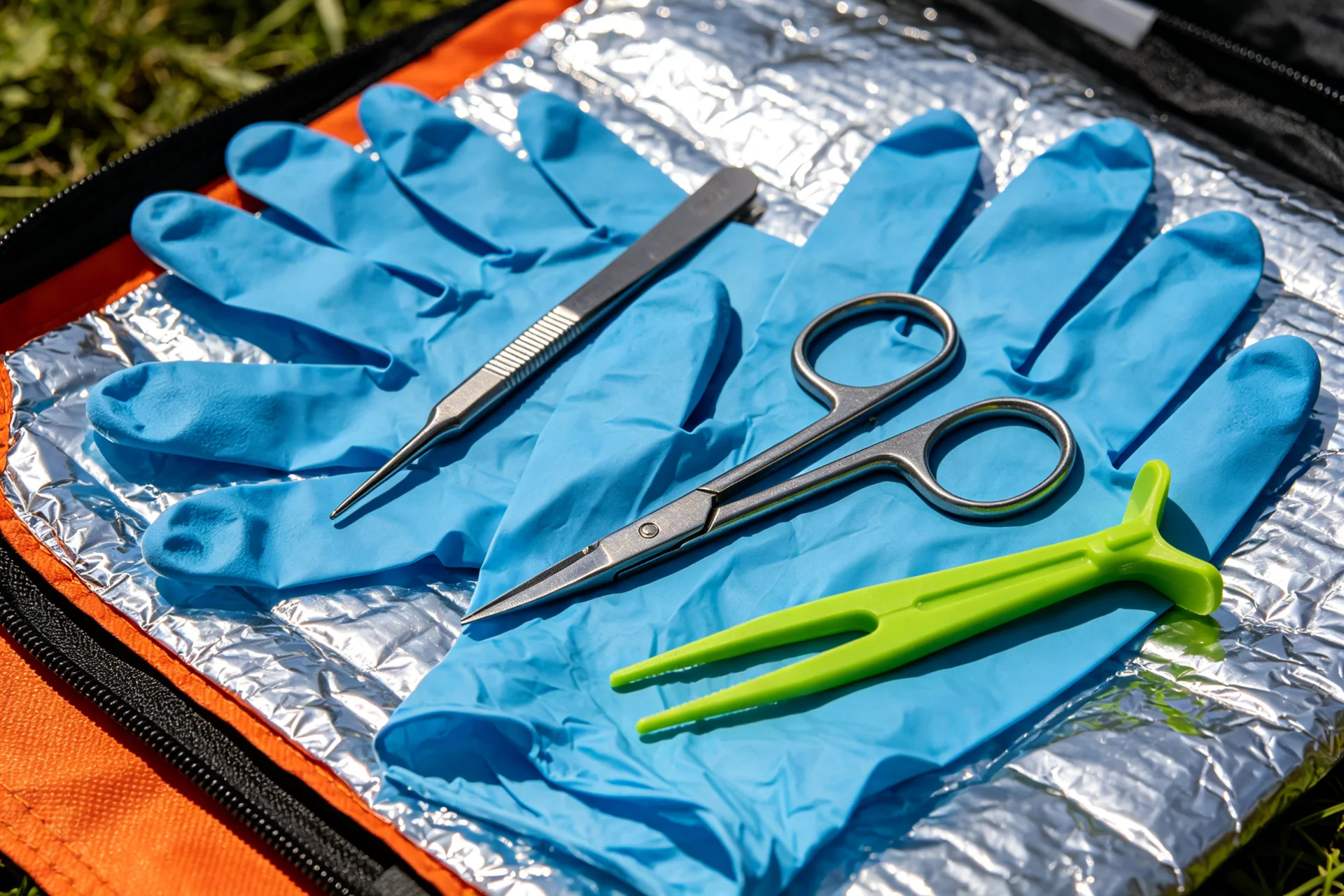
Wound care tools are about handling protection. They help us avoid contact with blood, remove simple surface hazards, cut gauze, and manage the pet with less stress. A tick removal tool is especially useful for outdoor travel. Pulling a tick badly can leave parts behind or irritate the skin. Many animal welfare groups suggest proper tools and calm handling. If we are unsure, we should call a vet. The tool is there because a common outdoor problem should not become a panic moment.
| Tool | Main function | Safe use idea |
|---|---|---|
| Disposable gloves | Protect hands and reduce contamination | Use before touching wounds |
| Blunt-tip scissors | Cut gauze or wrap | Keep tips away from skin |
| Tweezers | Pick up small debris | Do not dig into wounds |
| Tick removal tool | Remove attached ticks | Follow tool directions |
| Soft towel | Restrain, warm, or carry gently | Do not cover the face tightly |
| Emergency blanket | Keep pet warm after stress[^2] | Avoid overheating |
A towel may not look like a medical item, but I see it as essential. A scared pet can scratch, bite, or jump. That is not “bad behavior.” It is fear and pain. A towel helps us limit movement without rough force. In a car, it can also protect the seat and reduce slipping. This links back to our wider belief at Anvoya. Pet mobility safety should protect the driver and passengers first, while also reducing harm to the pet. A first aid kit supports that same idea. It gives us safe handling steps instead of rushed reaction.
Why Do We Need a First Aid Guide & Instructions?
Stress makes memory weak. Even careful owners forget steps. Written instructions help us act clearly when the pet needs help.
A pet first aid guide should include basic emergency steps, the pet’s medical records, vaccine information, insurance details, and emergency clinic contacts. In travel situations, this information can be as important as bandages or cleaning supplies.
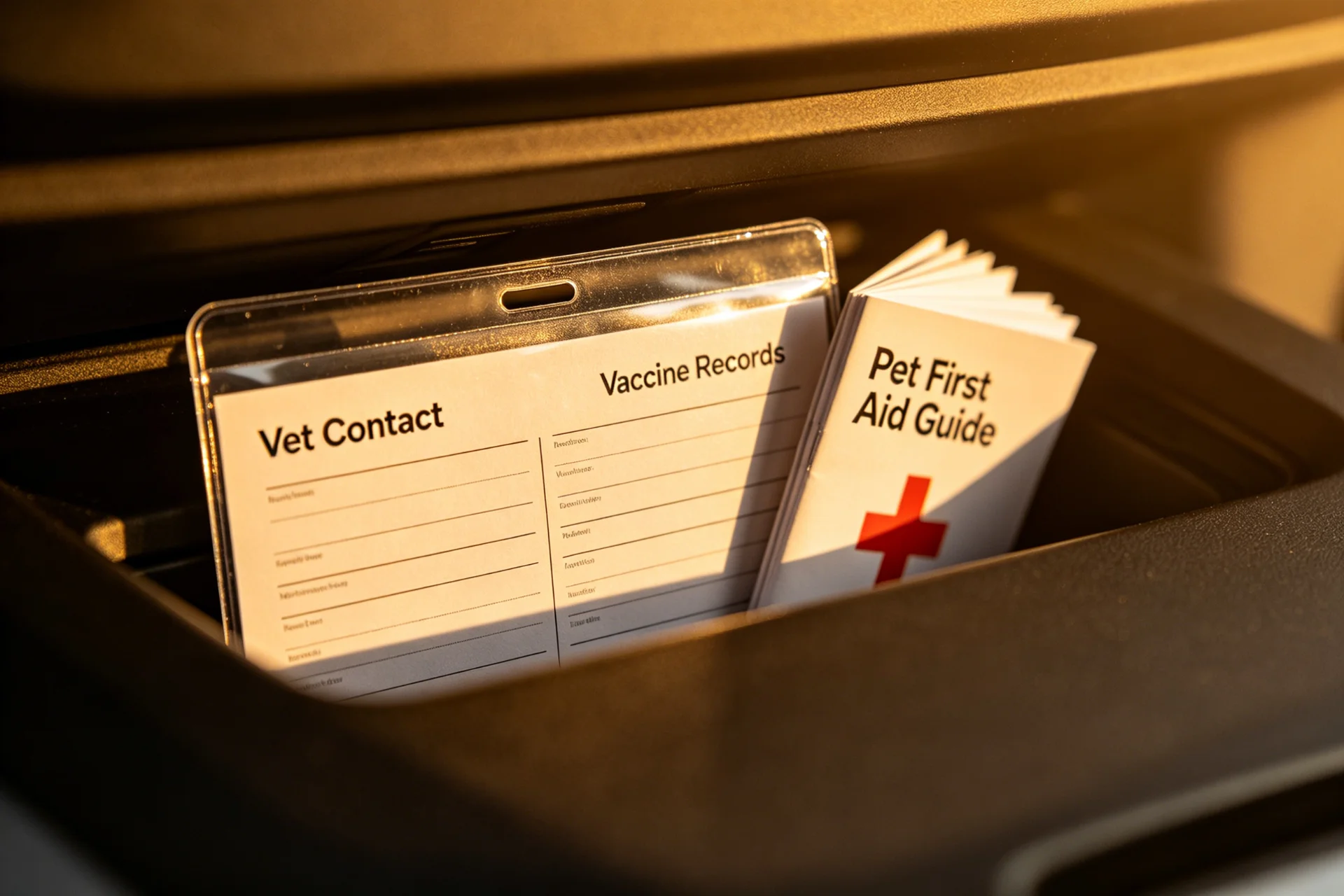
Information belongs inside the kit. It should not be an afterthought. This is a key point I repeat in consumer education because travel problems often happen away from the usual vet. A pet may be with a family member, a sitter, or a retail customer who bought a travel product for the first time. Clear information helps everyone make better calls. It also helps the emergency clinic understand the pet faster.
| Information item | What to include | Why it matters |
|---|---|---|
| Emergency contact card | Owner, vet, emergency clinic | Saves time during stress |
| Vaccine record | Rabies and key vaccines | Important after bites or travel |
| Medication list | Names, doses, schedule | Prevents risky overlap |
| Allergy notes | Food or drug reactions | Helps vet decisions |
| Microchip number | ID details | Helps if pet escapes |
| First aid guide | Basic steps and warning signs | Keeps actions simple |
I prefer simple printed cards over phone-only storage. Phones lose power. Screens break. Network signals fail during outdoor travel. A small laminated card can stay in the kit. It can also sit in a travel carrier, car organizer, or pet safety seat pocket. The guide should be short and practical. It should tell us when to call the vet, when to go to an emergency clinic, and what not to do. It should not create false confidence. The best instruction card reminds us of our role. We stabilize, observe, protect, and transport. The veterinarian diagnoses and treats.
How Often Should We Check Expiration Dates?
An old kit feels prepared until something fails. Dry wipes and expired medicine create risk. Regular checks keep the kit useful.
Pet first aid kits should be checked every few months and before each major trip. We should replace expired medication, dried wipes, damaged packaging, used gauze, broken tools, and outdated emergency contact information.
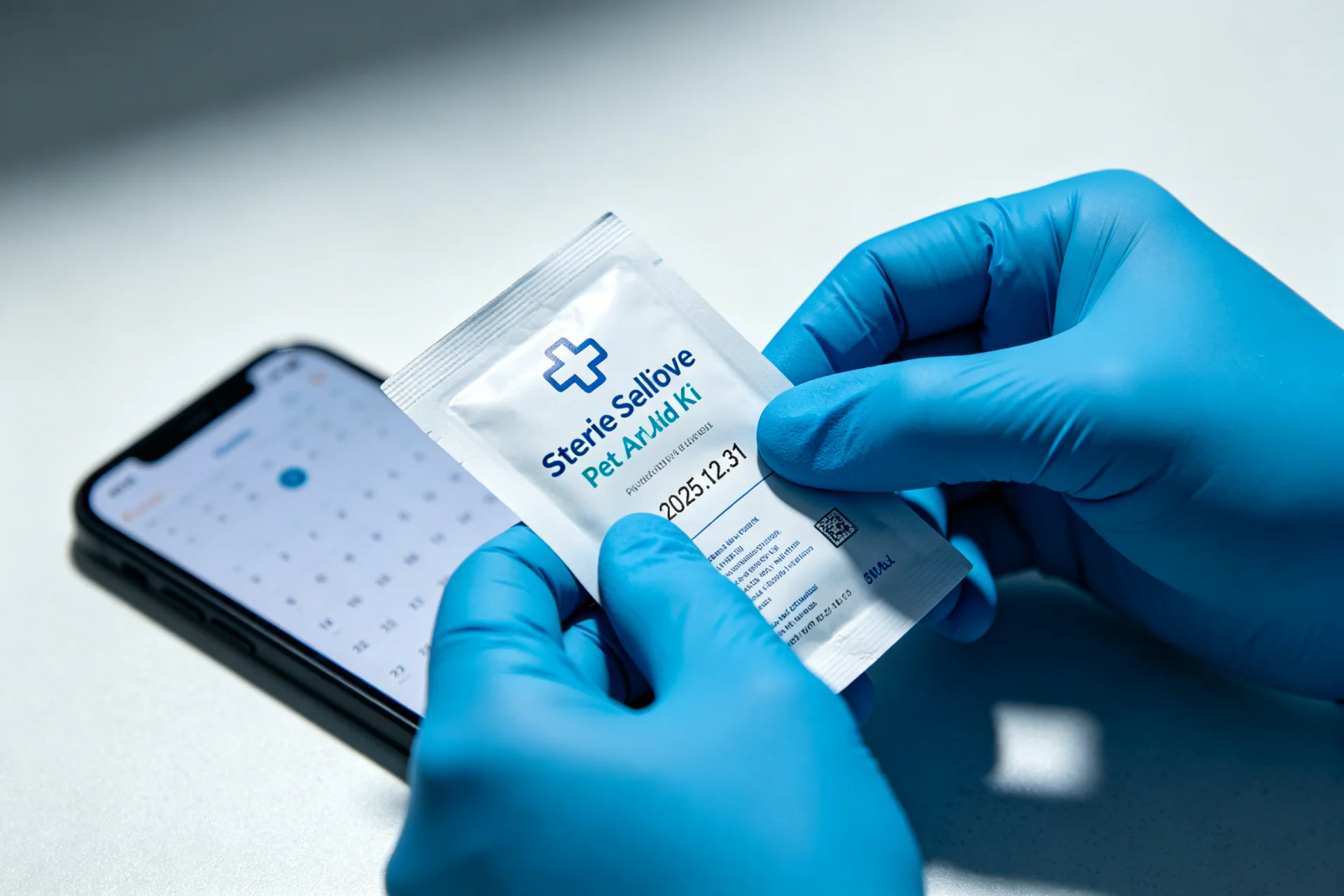
A first aid kit is not a one-time purchase. It is a small safety system. Systems need checks. This is true in child car seat manufacturing, and it is true in pet travel safety. In our work, we often talk about preparation before movement. The same thinking fits a first aid kit. A kit that sits in a hot car for a year may not be ready. Heat can affect some supplies. Packaging can tear. Saline can expire. Contact numbers can change. A pet can gain weight, start new medicine, or develop a new allergy.
| Check point | Suggested timing | What to do |
|---|---|---|
| Expiration dates | Every 3 to 6 months | Replace expired items |
| Trip check | Before road trips | Add used or missing items |
| Contact card | After vet changes | Update phone numbers |
| Medication list | After each prescription change | Print a fresh copy |
| Tool condition | During each review | Clean or replace tools |
| Storage place | Seasonally | Avoid heat and moisture |
A simple calendar reminder works well. Retailers and distributors can also turn this into consumer education. A “check your kit before travel” message is useful and responsible. It does not scare people. It builds better habits. For pet owners, the review also creates a moment to ask the vet what should or should not be in the kit. That is the right way to handle medical questions. The kit stays practical. The vet stays central. The pet owner stays calmer. The vehicle stays safer because the emergency plan is not made in the middle of panic.
Conclusion
A pet first aid kit helps us clean, cover, observe, handle, and contact help faster. It supports safe travel, but it never replaces veterinary care.
[^1]: "[PDF] PET FIRST AID", https://ready.alaska.gov/Documents/Storms/OtherDocuments/AVMA%20Client_FirstAid_Pets.pdf. RSPCA first-aid guidance cautions owners not to apply human antiseptic creams or hydrogen peroxide to pets and to consult a veterinarian, indicating that human first aid practices are not automatically appropriate for animals. Evidence role: expert_consensus; source type: institution. Supports: That human first aid habits and products may not be suitable for animals..
[^2]: "[PDF] PET FIRST AID", https://ready.alaska.gov/Documents/Storms/OtherDocuments/AVMA%20Client_FirstAid_Pets.pdf. AVMA first-aid guidance advises keeping an injured animal warm and quiet during transport to a veterinarian, consistent with using an emergency blanket to maintain body heat. Evidence role: general_support; source type: institution. Supports: That keeping injured animals warm and quiet is recommended in first aid before veterinary care..