
Small pet products are often judged the wrong way.
A bigger frame looks more impressive.
A heavier structure feels more “serious.”
A large stroller may look more premium in photos.
But small pet owners do not use products in photos.
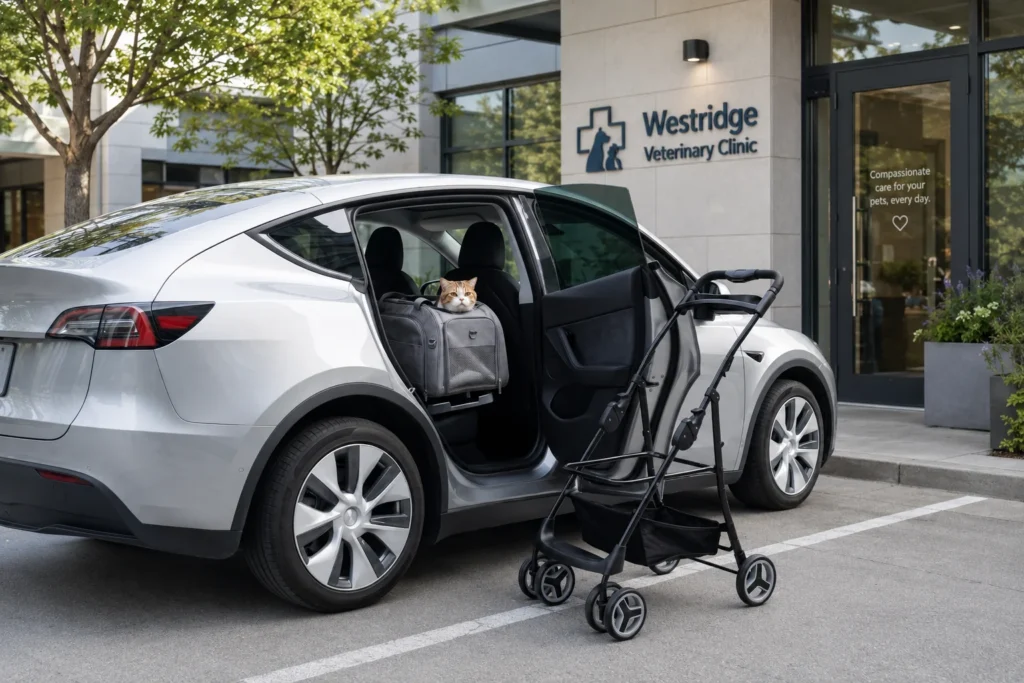
They use them in elevators, parking lots, car back seats, vet clinics, cafés, apartment lobbies, and narrow store aisles.
That is where weight starts to matter.
For small pets, the best travel system is not always the largest one. It is the one owners actually want to use every day.
A lightweight pet travel system is not about making a weaker product. It is about removing the small frictions that make customers stop using the product after the first few trips.
If it is too heavy to lift, too bulky to store, or too awkward to move from car to stroller, it may look premium but stay at home.
What Should Retailers and Brands Remember?
- Small pet travel systems should be designed for daily handling, not only showroom appearance.
- Lightweight design matters most during lifting, parking, car-to-stroller transfer, storage, and short-distance carry.
- For small pets, “premium” does not always mean bigger or heavier.
- A good lightweight system should still have stable structure, strong connection points, and reliable bottom support.
- Retailers should explain lightweight design as daily convenience, not as a lower-end feature.
Bigger Is Not Always Better for Small Pets
Large pet travel products can make sense for bigger pets or longer outdoor use.
But small pets are different.
Many small pet owners are not looking for the biggest stroller in the store. They want something that fits their actual routine:
- lift it out of the car
- move through a parking lot
- enter a clinic or café
- store it at home
- fold it into a car trunk
- carry it alone when needed
A heavy-duty product may look attractive at first, but daily use tells the truth.
If the owner hesitates before every trip because the product feels too heavy or too complicated, the product has failed its real job.
For small pets, usability is part of quality.
This is why lightweight design should not be treated as a compromise. In the small-pet category, it can be the reason the product gets used more often.
Why Heavy Systems Often Stay at Home
Many customers buy pet travel products with good intentions.
They imagine weekend trips, vet visits, city walks, and easier daily travel.
Then reality arrives.
The carrier is too heavy.
The stroller frame is too bulky.
The product takes too much space in the car.
One person cannot handle the pet, the product, and personal belongings at the same time.
After a few uses, the product stays at home.
That is the hidden problem with oversized systems.
The issue is not only weight on paper. It is the feeling of weight during real movement.
| Daily Moment | Why Weight Matters |
|---|---|
| Lifting from car seat | Repeated lifting becomes tiring |
| Apartment elevator | Bulky products feel awkward in small spaces |
| Parking lot transfer | Owner may already carry keys, bag, leash, or phone |
| Vet clinic visit | Stress is higher, so handling must be simple |
| Car trunk storage | Large systems reduce daily willingness to use |
| Café or store visit | Compact handling feels less disruptive |
A lightweight system removes friction before the customer even thinks about it.
That is what makes it valuable.
Small Pet Owners Care About Lifting, Not Just Riding
Stroller comfort matters, but it is not the whole story.
Small pet owners often lift the product more than they expect.
They lift it into the car.
They lift it out of the car.
They carry it through short indoor sections.
They move it around tight spaces.
They fold, unfold, dock, and remove components.
That means the carrier weight matters as much as the wheel quality.
A product that rides smoothly but feels annoying to lift may not become a daily-use product.
This is especially true for urban customers, older owners, apartment residents, and people who usually travel alone with their pets.
The easier the system is to lift, the more often it becomes part of the owner’s routine.
Carrier Weight Matters More Than Many Buyers Think
Retail buyers often compare full system size, stroller frame, wheel quality, or exterior design first.
Those details matter.
But for small-pet travel, the carrier weight deserves more attention.
The carrier is the part customers touch most often. It is the part they lift, remove, place, carry, and store.
A compact carrier around 2–3 kg is much easier to manage repeatedly than a heavier stroller-first system.
For example, Anvoya AERO uses a 2.7 kg carrier and a 6.2 kg complete system, with a maximum pet weight of 12 kg / 26 lbs. That puts it in a more practical range for small-pet handling, especially when the owner needs car seat mode, stroller mode, and carrier mode in one routine.
| Design Point | Why It Matters for Small Pets |
|---|---|
| Carrier-only weight | Affects repeated lifting and short carry |
| Complete system weight | Affects storage, folding, and daily movement |
| Carrier size | Affects car seat fit and indoor handling |
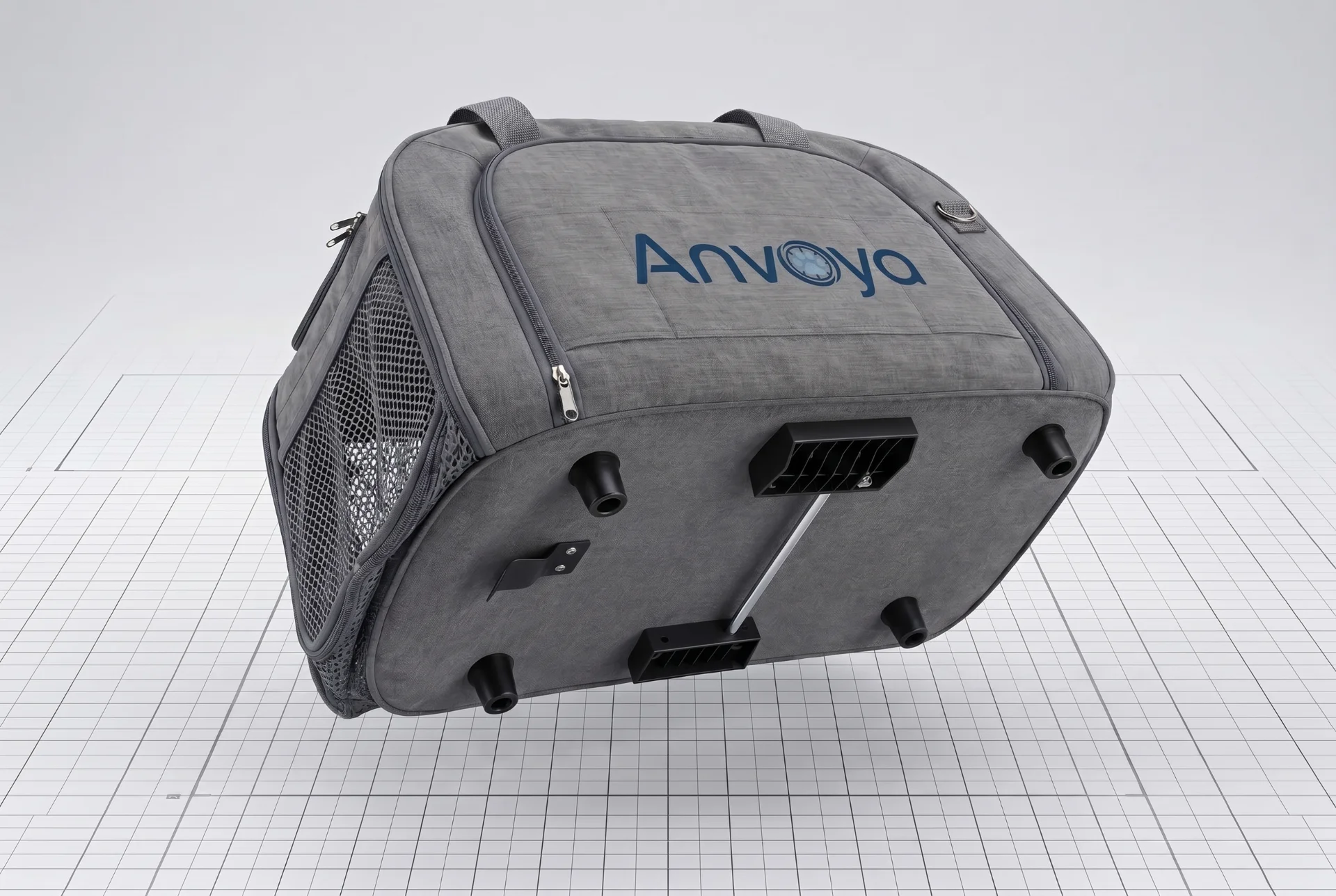
| Bottom stability | Keeps the carrier usable beyond soft-bag carrying |
| Handle comfort | Matters during parking lots, clinics, and elevators |
| Docking ease | Reduces frustration during transfers |
A small-pet system should not be judged only by how impressive it looks when fully assembled.
It should be judged by how easy it feels after the fifth lift of the day.
City Travel Makes Lightweight Design More Valuable
Small pet travel is often city travel.
That changes the product logic.
City customers deal with:
- elevators
- underground parking
- narrow sidewalks
- cafés
- shopping malls
- taxis
- compact cars
- apartment storage
- short but frequent trips
A large stroller may feel good in an open park. It may feel clumsy in a small elevator.
A heavy carrier may look sturdy in a product photo. It may feel annoying when the customer is trying to open a car door with one hand.
This is where lightweight design creates real value.
It lets the product move with the owner’s day instead of interrupting it.
Small-pet travel is often less about long-distance adventure and more about smooth daily movement.
Lightweight Does Not Mean Weak
This point matters.
Some buyers hear “lightweight” and think “less durable.”
That is not always true.
A well-designed lightweight system does not remove structure from important areas. It puts structure where it matters most.
The goal is not to make every part thinner.
The goal is to balance:
- carrier weight
- base stability
- bottom support
- docking strength
- stroller frame handling
- pet comfort
- daily storage
A small-pet system can be light and still feel stable if the structure is designed properly.
| Wrong Lightweight Design | Better Lightweight Design |
|---|---|
| Thin soft bag with weak bottom | Soft carrier with reinforced base area |
| Light but unstable frame | Light frame with stable docking points |
| Cheap-feeling materials | Durable materials placed where needed |
| Loose carrier placement | Clear carrier-to-base connection |
| Small only for cost saving | Compact because the use case requires it |
Lightweight should be a design decision, not a cost-cutting excuse.
That difference is important for retailers, distributors, and OEM buyers.
Easy Transitions Make the Product More Useful
Small pet owners often move through several scenes in one trip.
Home to car.
Car to parking lot.
Parking lot to clinic.
Clinic back to car.
Car back home.
A product that forces the owner to move the pet between separate products can feel messy.
A better system reduces unnecessary switching.
The carrier should be easy to:
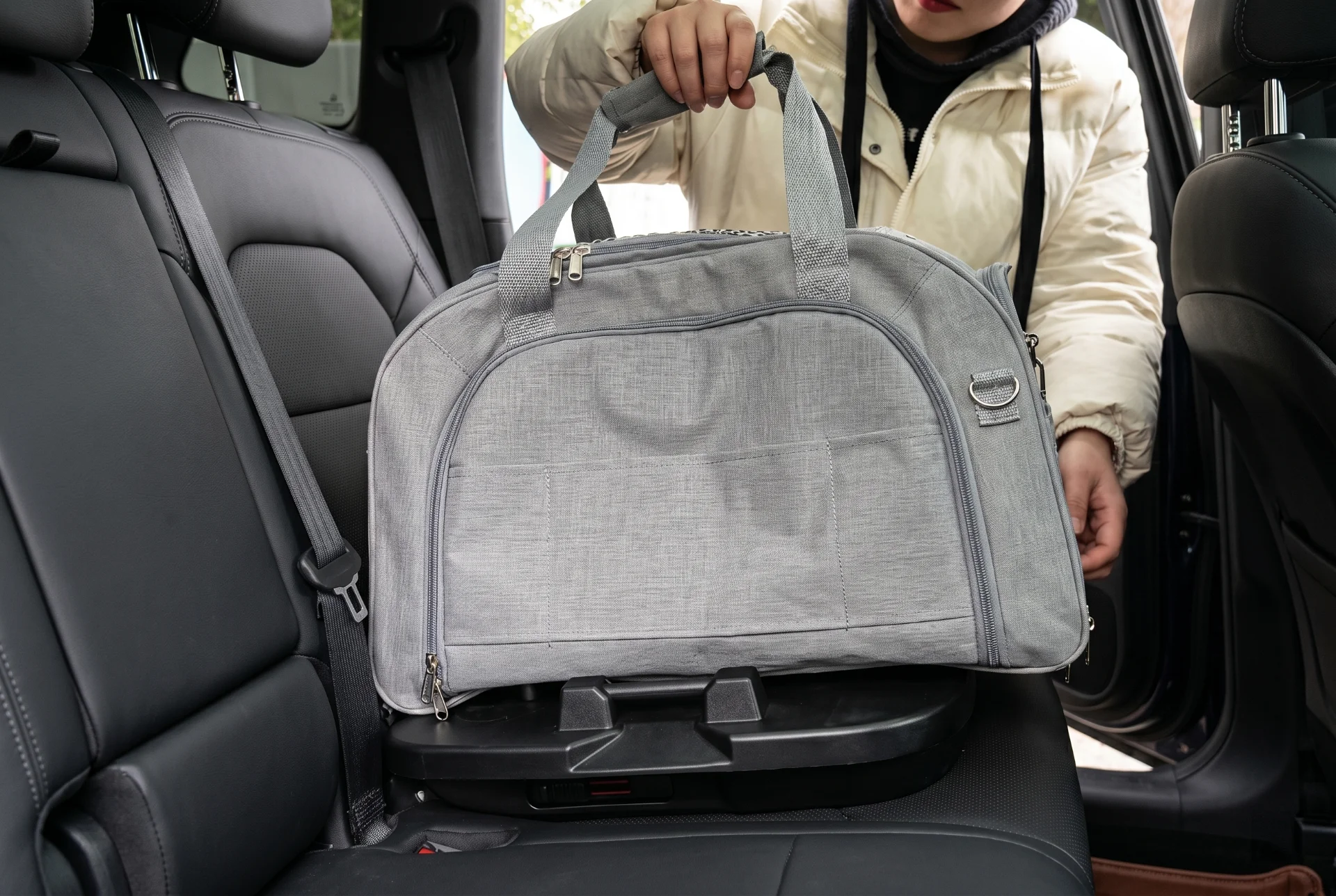
- place in car-use mode
- remove from the base
- dock onto the stroller frame
- carry by hand for short distances
- store after use
This is where a lightweight travel system becomes more than a smaller stroller.
It becomes a smoother routine.
A lightweight system reduces the small frictions that make owners stop using the product.
What Retailers Should Explain to Customers
Retailers should not sell lightweight systems as “smaller” or “less heavy-duty.”
That sounds like a downgrade.
The better message is:
“This is designed for small-pet daily travel, where lifting and transfer matter as much as riding comfort.”
Customers understand practical benefits faster than engineering details.
Good retail talking points include:
| Customer Concern | Better Retail Explanation |
|---|---|
| “Is it too small?” | “It is designed for small pets and easier daily handling.” |
| “Is it strong enough?” | “The key structure is in the base, bottom support, and docking points.” |
| “Why not choose a bigger stroller?” | “For small pets, easier lifting often matters more than bigger size.” |
| “Is lightweight lower quality?” | “Not if the structure is designed properly.” |
| “When would I use this?” | “Car trips, vet visits, cafés, parking lots, and daily errands.” |
The product should be framed around daily use.
Not just product specs.
Not just appearance.
Not just price.
The customer needs to understand why lighter handling makes the whole travel routine easier.
Product Design Checklist for Small Pet Travel Systems
Retailers and OEM buyers can use this checklist when evaluating lightweight pet travel systems.
| Design Area | What to Check | Why It Matters |
|---|---|---|
| Carrier weight | Can one person lift it repeatedly? | Affects real daily use |
| Complete system weight | Is it easy to move and store? | Impacts customer willingness to use it |
| Bottom stability | Does it stay stable during transfer? | Prevents the product from feeling flimsy |
| Docking structure | Does the carrier connect clearly? | Supports car and stroller use |
| Handle design | Is it comfortable for short carry? | Important for parking lots and clinics |
| Storage size | Does it fit apartments and cars? | Crucial for urban users |
| Transfer steps | Can it move between car, stroller, and carry easily? | Reduces friction |
| Material balance | Is it light without feeling cheap? | Supports premium positioning |
A lightweight system should pass both tests:
easy to handle and stable enough to trust.
Where AERO Fits in the Small Pet Segment
AERO fits this small-pet logic because it is not designed as an oversized stroller-first product.
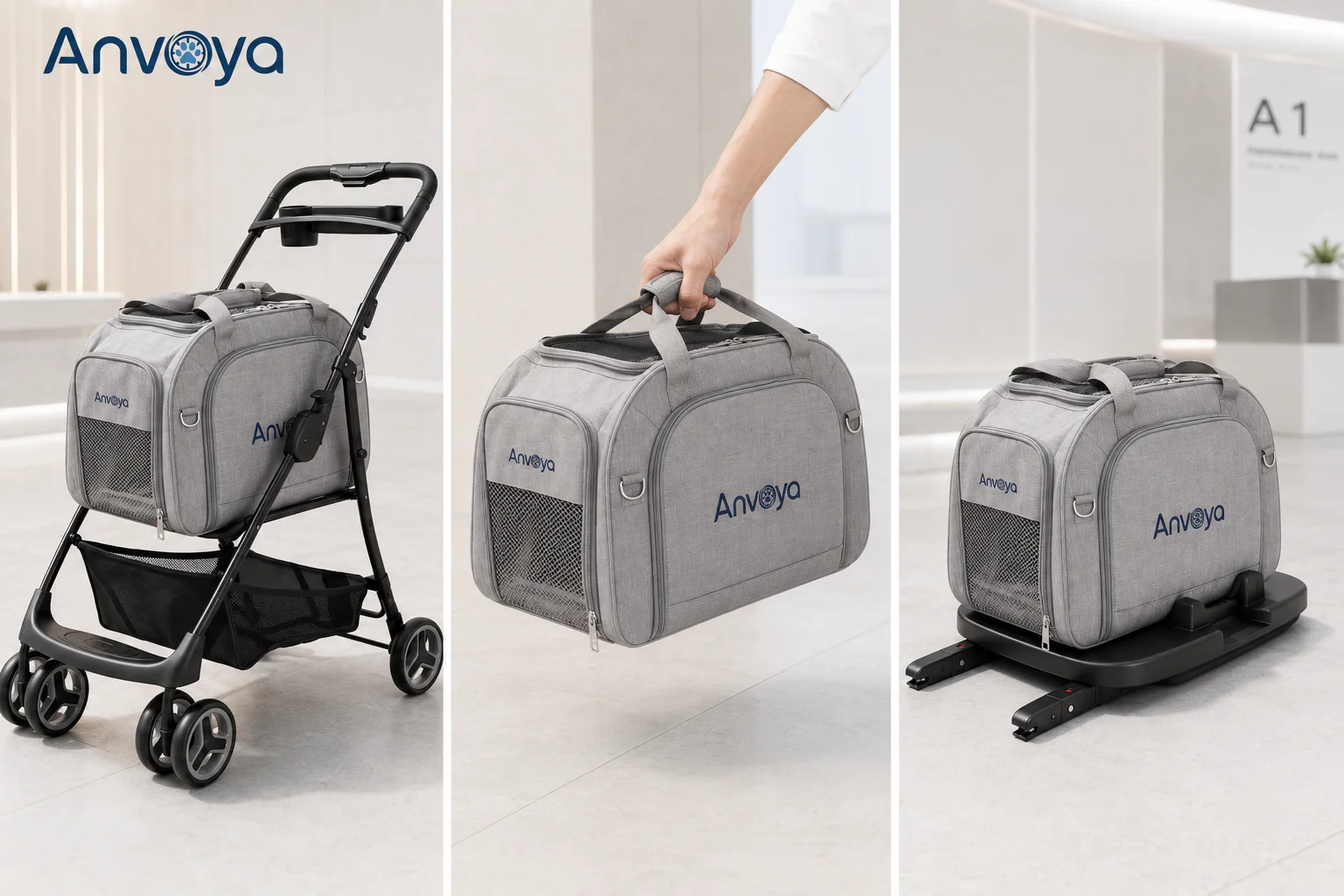
It is built around a compact 3-in-1 use case:
- ISOFIX car seat mode
- portable carrier mode
- stroller mode
Its published specifications show a 2.7 kg carrier, 6.2 kg complete system, and 12 kg / 26 lbs maximum pet weight, making it better suited for small pets than bulky travel products that feel impressive but are harder to use every day.
The value is not only that it is light.
The value is that it supports the real small-pet routine:
car, carry, stroller, and back again.
For small pets, that routine matters more than looking oversized.
Common Mistakes in Small Pet Travel Product Design
| Mistake | Why It Hurts the Product |
|---|---|
| Making the system too heavy | Owners use it less often |
| Copying large dog stroller logic | Small-pet routines are different |
| Ignoring hand-carry use | The carrier becomes inconvenient |
| Focusing only on stroller appearance | Misses car and carry scenes |
| Making storage difficult | Urban customers may avoid using it |
| Treating lightweight as low-end | Weakens premium positioning |
| Using soft structure without support | Product feels unstable |
| Adding too many steps | Customers stop using the system |
The strongest small-pet products are not the ones with the most features.
They are the ones customers keep using.
FAQ
Q: Why does lightweight design matter for small pet travel systems?
A: Lightweight design makes the system easier to lift, carry, store, and move between car, stroller, and short-distance use. For small pets, daily handling often matters as much as stroller comfort.
Q: Is a heavier pet travel system always safer?
A: No. Heavier does not automatically mean safer. Safety and stability depend on structure, base support, docking points, and how the system connects during use.
Q: What is a good carrier weight for small-pet travel?
A: For many small-pet owners, a carrier around 2–3 kg is easier to lift repeatedly than a heavier stroller-first system. The best weight depends on pet size, carrier structure, and use scenario.
Q: Are lightweight pet travel systems suitable for cats?
A: Yes, if they provide enough enclosure, ventilation, bottom stability, and easy transfer. Cats and small pets often benefit from systems that reduce unnecessary lifting and product switching.
Q: Why should retailers promote lightweight systems?
A: Lightweight systems are easier to explain through daily use: vet visits, parking lots, elevators, cafés, city walks, and short car trips. They help customers see the product as practical, not just premium.
Q: Does lightweight mean lower quality?
A: Not necessarily. A good lightweight system uses structure carefully. It should be light where handling matters and strong where stability, docking, and support are required.
Q: What customers are best suited for lightweight pet travel systems?
A: Lightweight systems are especially suitable for small-pet owners, cat owners, apartment residents, city customers, senior pet owners, and people who often travel alone with pets.
Q: Where does Anvoya AERO fit in this category?
A: Anvoya AERO fits the small-pet segment as a lightweight 3-in-1 travel system for car use, stroller use, and carrying. Its compact carrier and complete system weight make it easier for daily small-pet handling.
Conclusion
For small pets, premium is not always about being bigger.
A strong small pet travel system should be light enough to lift, stable enough to trust, and simple enough to use every day.
That is why lightweight design matters.
The product that gets used often is usually the product that wins.