
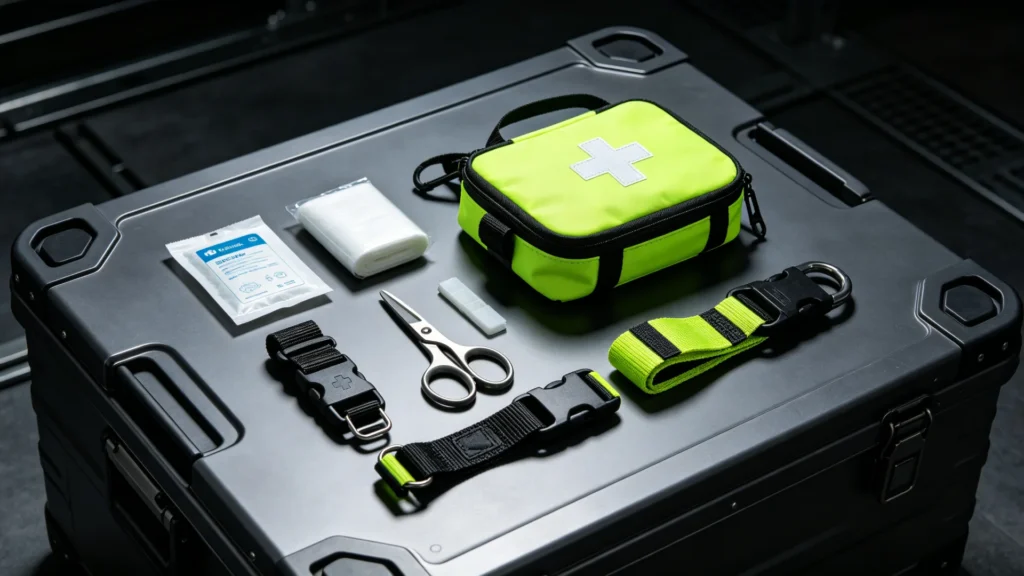
How to Prepare a Pet First Aid Kit for Travel?
Traveling with pets can be joyful, but unexpected situations can arise. A well-prepared kit keeps you calm and ready for minor issues on the road.
A travel-ready pet first aid kit ensures you can handle minor scrapes, stress, or discomfort while traveling. It includes care, containment, and documentation items, and guides when to seek professional help.
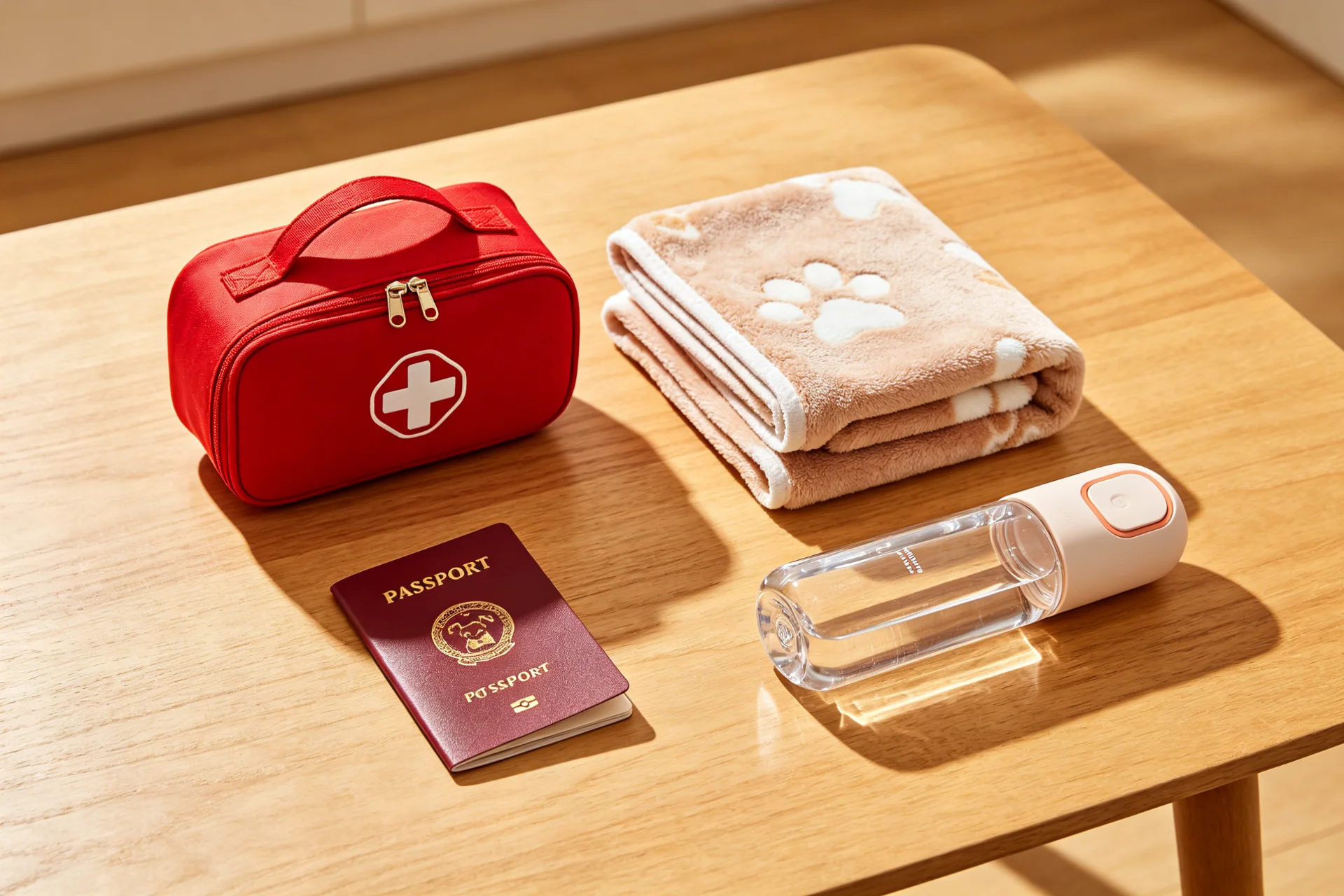
Preparing a kit begins with assessing your trip and your pet. Understanding potential risks allows you to pack smartly, avoiding over-preparation or missing essentials.
Car Travel Kit Essentials?
Road trips with pets bring unique challenges. Being stuck in traffic or remote areas makes a thoughtful kit essential for peace of mind.
Car travel kits should focus on accessibility, comfort, and quick response. Items like water, collapsible bowls, absorbent pads, leashes, and basic cleaning supplies help manage minor incidents efficiently.
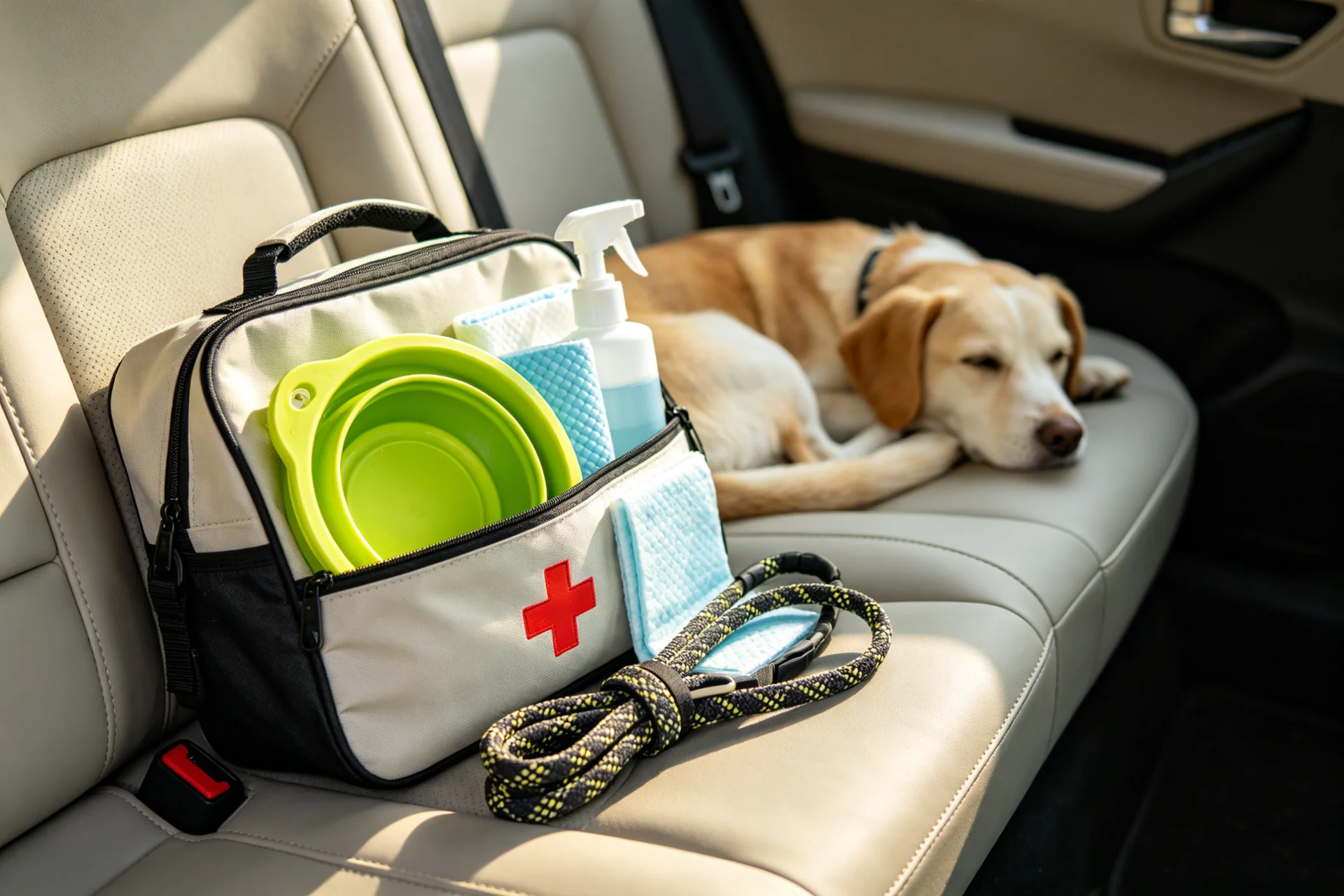
After several road trips with my dog, I realized the most practical kit is one that I can reach quickly without stopping the car. For car travel, I pack absorbent pads to handle sudden accidents, a lightweight towel for messy situations, and small sprays to clean minor scrapes. I always include a leash or harness for sudden stops or vet visits, and collapsible bowls to provide water and food without taking extra space. Pet stress can be reduced with a familiar blanket or favorite toy, helping them feel secure. Additionally, a folder with vaccination records and a list of nearby vets along the route is indispensable. I avoid medication unless prescribed and checked by a vet beforehand. The key is that each item has a clear purpose: containment, comfort, hygiene, or documentation, not treatment. Keeping everything organized in a labeled bag reduces panic and allows immediate access in a confined space like a car.
Airline Travel Kit Essentials?
Air travel adds another layer of complexity. Airlines restrict certain items and pets may experience anxiety or motion discomfort.
Airline kits focus on comfort, containment, and documentation. Include a secure carrier, absorbent bedding, vet records, identification, and a small blanket or familiar scent item.
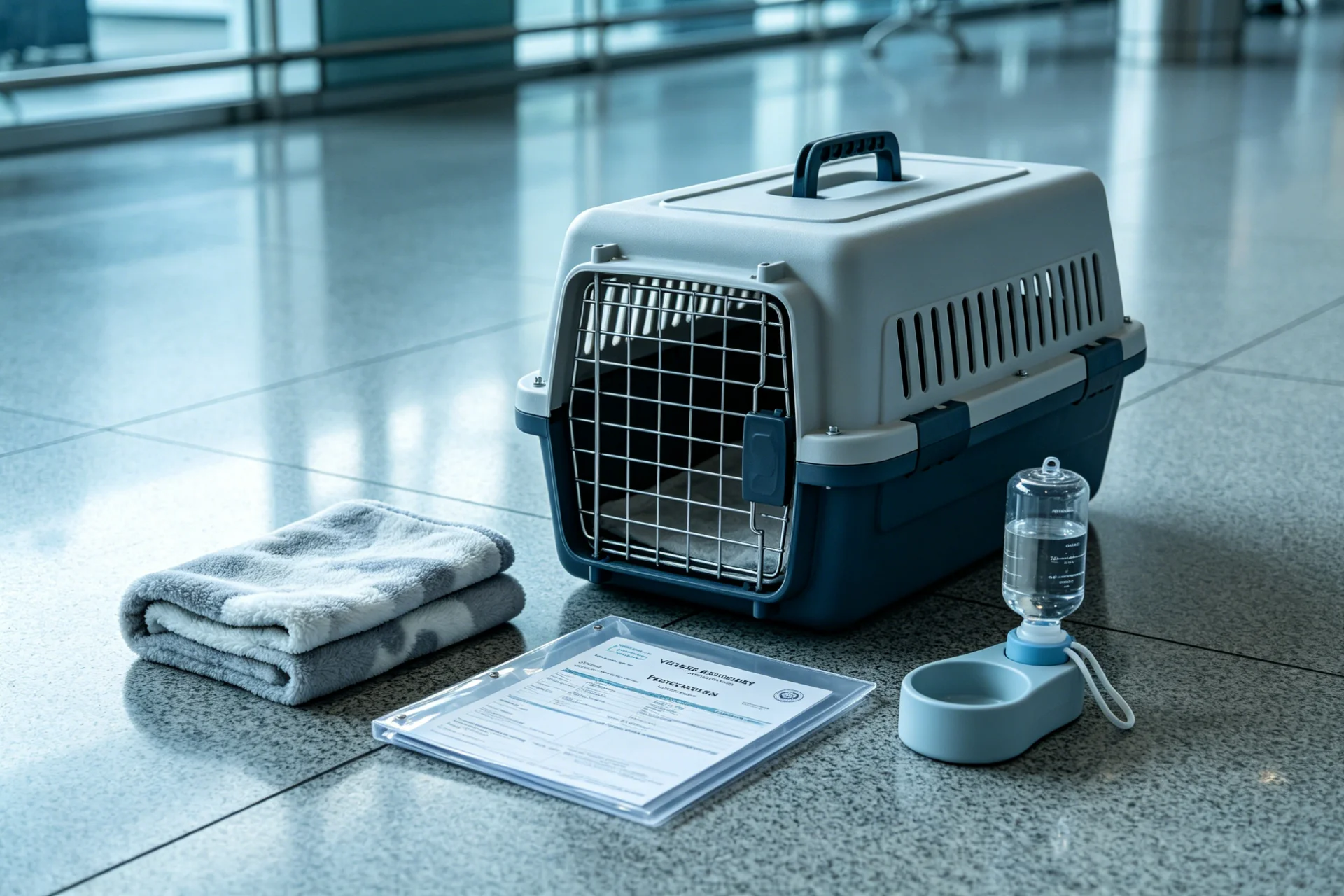
In preparing for flights, I learned that accessibility and compliance are critical. A sturdy airline-approved carrier with proper ventilation ensures your pet’s safety. Absorbent bedding inside the carrier addresses in-flight accidents, while a small blanket or toy adds a familiar scent to reduce stress. I keep medical and vaccination records easily reachable to comply with airline requirements or emergency checks. Microchip info, photo, and ID tags are also essential in case of unexpected situations. Hydration is managed with spill-proof bottles attached inside the carrier. I avoid bringing food in quantities that could cause digestive upset during flights. Documentation and containment are the main goals; treatment items are minimal because medications must be airline-verified and vet-approved. Knowing the nearest veterinary clinics at your destination and sharing travel plans with a trusted contact adds an extra safety layer, ensuring rapid assistance if something unexpected occurs.
Outdoor & Camping Essentials?
Outdoor trips introduce environmental risks like insects, plants, and terrain hazards. Preparedness ensures safety without overloading your kit.
Outdoor kits emphasize protective and reactive measures. Items include tick removal tools, a pet-friendly cooling pad, bandages, and waste bags for hygiene and minor injury response.
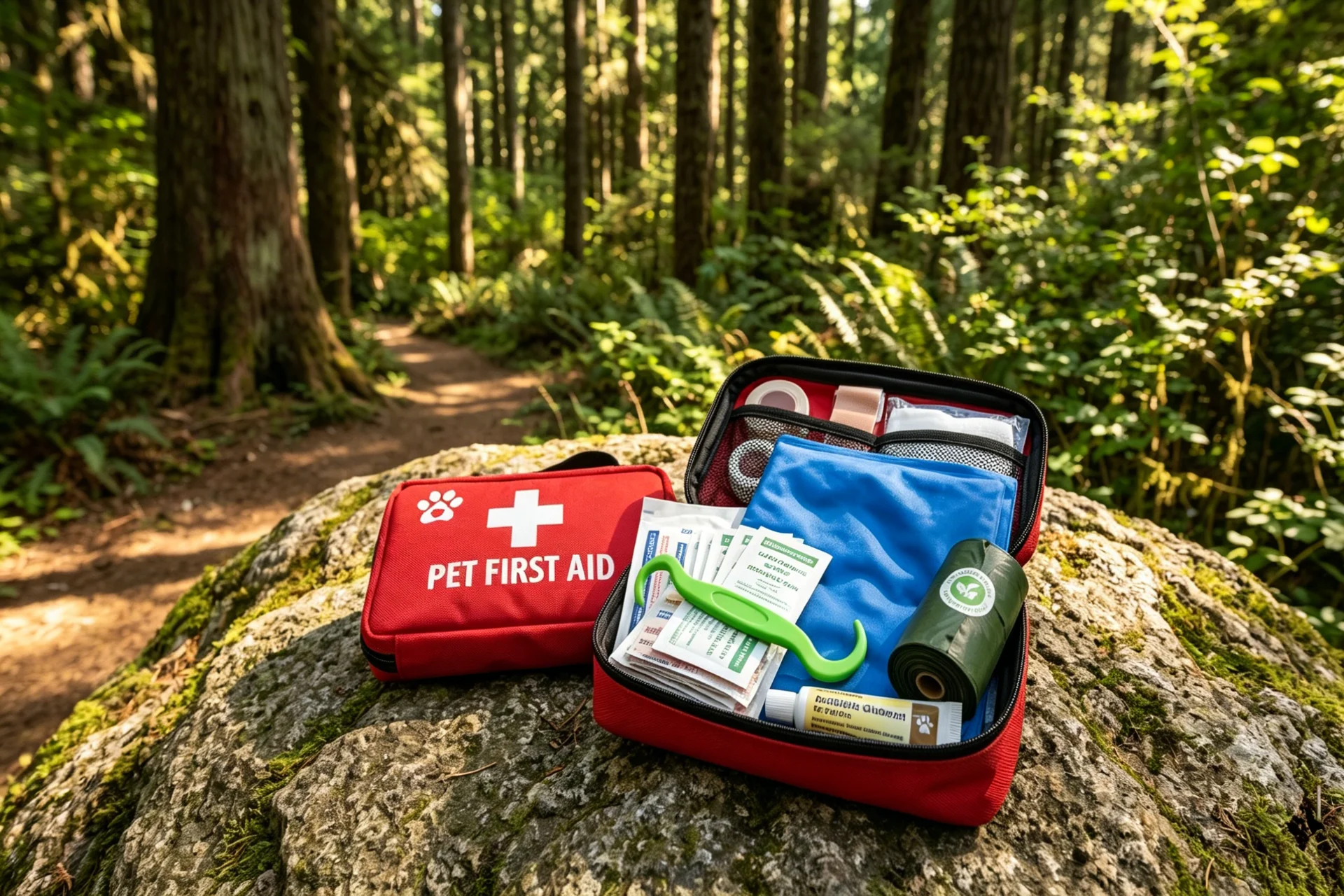
Camping and hiking with pets presents unpredictable hazards, so I pack differently than for urban trips. Tick and flea removal tools are essential due to wildlife exposure. Small bandages, gauze, and antiseptic wipes help manage scratches or minor cuts from uneven terrain. I also carry a pet-specific cooling pad or portable shade item to prevent overheating. Hydration systems like collapsible bowls and extra water are critical in remote locations. Waste disposal bags are necessary to maintain hygiene and respect local regulations. I avoid medication unless a vet has recommended it beforehand. Beyond the physical items, I always map nearby veterinary clinics or emergency contacts at the destination. The purpose of an outdoor kit is practical: protect, soothe, and document while allowing me to evaluate if a situation requires professional care. Preparedness reduces stress for both the pet and me, making outdoor adventures safer and more enjoyable.
Emergency Use Steps?
Having a kit is only effective if you know how to use it calmly and confidently in real situations.
Emergency use is about assessment and decision-making. Check the severity, stabilize your pet, provide comfort, and immediately contact a veterinarian if needed.
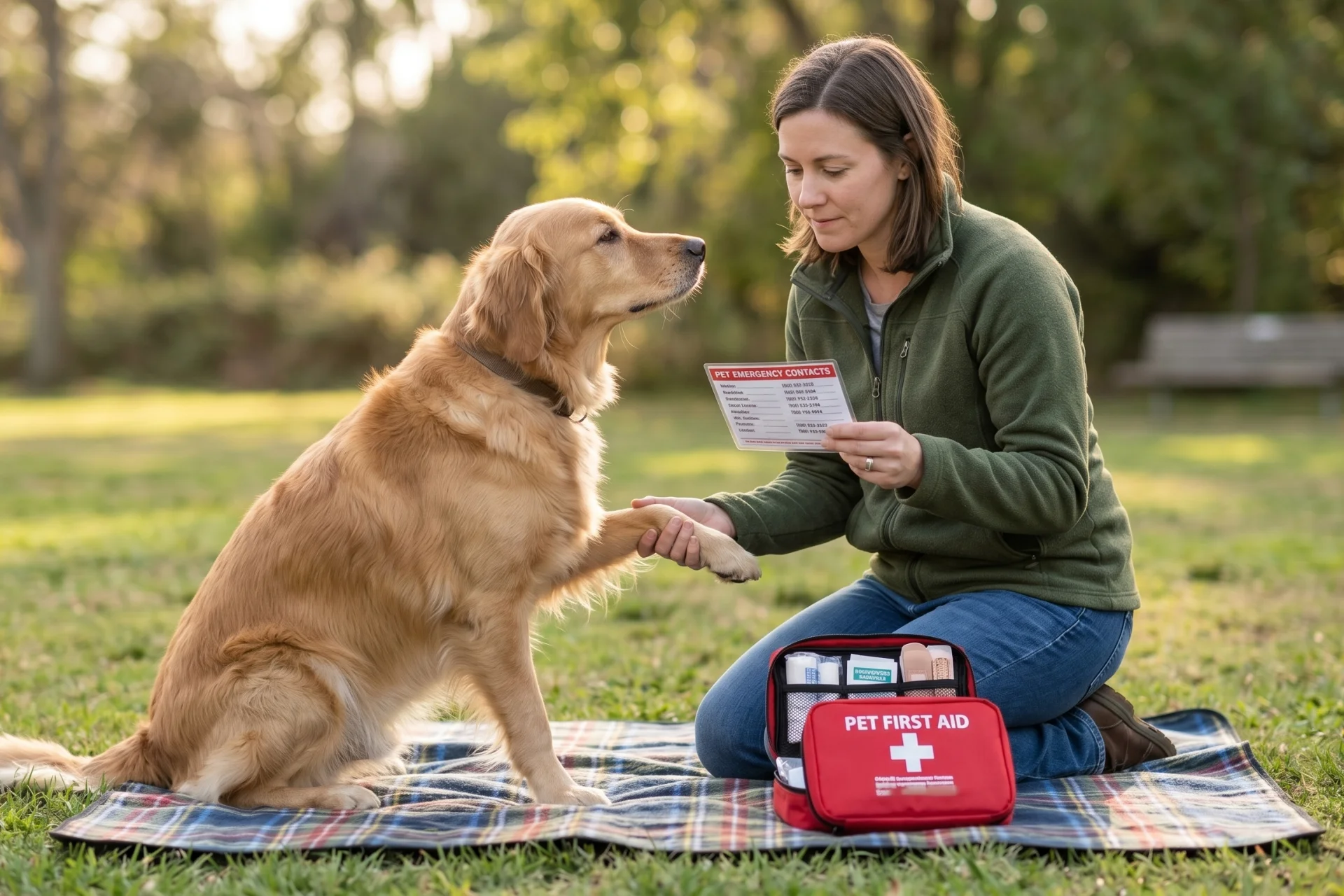
When an incident occurs, I first assess the situation calmly. Minor scrapes or anxiety can often be managed with items from the kit, but severe symptoms require immediate veterinary attention. I use absorbent pads to stabilize accidents, gently clean minor wounds, and provide water and comfort to reduce stress. Documentation of medical history and vet contacts guides whether to attempt minor interventions or call for professional care. I ensure that my pet’s leash or carrier is ready to facilitate quick transport if necessary. The goal is to stay composed, execute the appropriate first steps, and know the boundaries of home-administered care. This method allows me to respond efficiently while reducing panic, ensuring the pet’s well-being until expert care is available. The kit’s value is in organization and preparedness, not treatment—it empowers calm, informed decisions.
Conclusion:
A thoughtfully prepared pet first aid kit ensures travel confidence, quick response to minor issues, and clear guidance for when professional help is necessary.