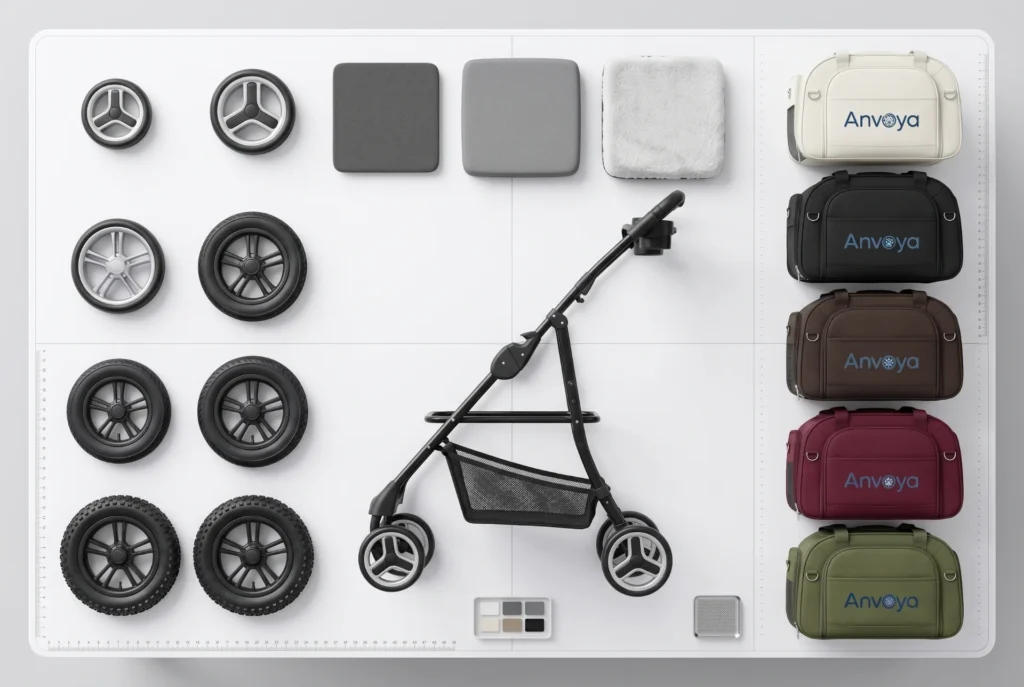
A custom pet carrier can look simple from the outside, but the development cost often becomes unclear once fabric, structure, hardware, sampling, packaging, and production requirements enter the discussion. Brands ask for a quick price, suppliers ask for more details, and both sides lose time. A better starting point is to define the development level first.
The cost to develop a custom pet carrier depends on customization depth, engineering complexity, material choices, sampling rounds, tooling needs, packaging, testing expectations, order volume, and production readiness. Light changes such as logo, color, or fabric usually cost far less than new structure, molded parts, docking hardware, or full product development.
In OEM/ODM project discussions, I rarely see one useful answer to “How much does it cost?” without a product brief. The better question is: What type of custom pet carrier are we developing, and how much uncertainty still exists?
Why Does Custom Pet Carrier Development Cost Vary So Much?
Many brands expect a custom pet carrier quote to work like a catalog price. The problem is that “custom” can mean anything from a new logo to a completely new carrier platform. When the scope is vague, suppliers may quote too low, too high, or with too many assumptions.
The cost varies because every custom pet carrier project has a different development scope. Material changes, pattern revisions, new hardware, molded parts, functional testing, packaging, and production volume all affect cost. A simple private-label adjustment has a different cost structure from a new carrier with unique structure, docking features, or premium construction.
The word “custom” covers several different projects
In real sourcing conversations, “custom pet carrier” often means one of three very different things:
| Development level | Typical changes | Cost logic | Main risk |
|---|---|---|---|
| Light customization | Logo, color, fabric selection, label, packaging | Based mostly on existing product and production setup | Brand differentiation may be limited |
| Design customization | Shape adjustment, pocket layout, trims, shoulder strap, ventilation layout, pattern revision | Requires sampling, pattern work, material confirmation, and production checks | More sample rounds and unclear specs |
| Full new product development | New structure, new molded parts, hardware system, modular docking, stroller or vehicle interface compatibility | Requires engineering input, prototyping, tooling decisions, and validation planning | Higher development uncertainty |
I have seen brands use the same word for all three. One buyer may mean “Can you place my logo on this carrier?” Another may mean “Can you help us develop a carrier that works with our stroller frame and has a rigid base?” These two requests do not belong in the same cost category.
Why suppliers ask many questions before quoting
A reliable quote needs more than a photo or a general idea. A supplier needs to understand:
- Target pet size and weight range
- Use scenario, such as airline travel, daily commuting, car travel, or outdoor mobility
- Soft-goods requirements, including fabric, lining, padding, mesh, stitching, and reinforcement
- Structure, such as foldable, semi-rigid, rigid base, or framed design
- Hardware, including buckles, zippers, metal hooks, shoulder strap fittings, wheels, or docking parts
- Packaging level, from simple export carton to retail-ready presentation
- Compliance or testing expectations, which buyers need to verify according to their market and channel
- Expected order volume, because production planning depends on scale
A unit price without these details may look convenient, but it often creates trouble later. The first sample may miss the intended positioning. The selected fabric may not support the desired shape. The hardware may feel too light for a premium product. Packaging may be forgotten until late in the project.
Cost is also affected by production readiness
A factory can estimate an existing model faster because patterns, materials, fixtures, and assembly processes already exist. A new custom pet carrier introduces more unknowns. The team may need to check whether the sewing process is stable, whether the base panel warps, whether the frame can be assembled cleanly, or whether the carrier collapses too much under load.
For B2B buyers, the practical lesson is simple: the more new decisions a project contains, the more development cost and sampling effort it may require. That does not make deeper customization wrong. It just means the budget conversation needs to match the ambition of the product.
How Does the Level of Customization Affect Development Cost?
Brands often start with appearance requests because color, logo, and fabric are easy to visualize. The tension begins when the requested custom pet carrier also needs a new opening direction, better load support, modular use, or a premium retail feel. Those changes move the project into another cost layer.
The level of customization affects cost by changing the amount of design work, sampling, engineering review, material sourcing, and production preparation needed. Logo and color changes stay close to existing production. New structure, tooling, functional hardware, or modular compatibility require more development work before mass production can be quoted reliably.
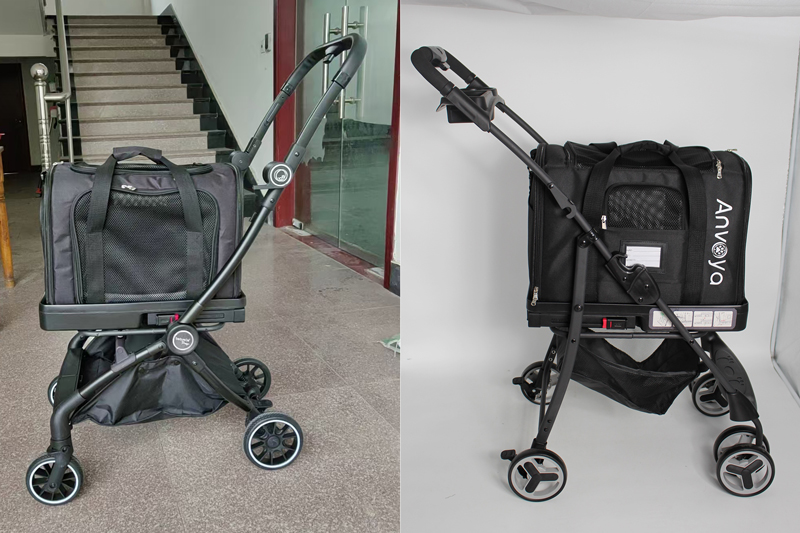
Level 1: Light customization
Light customization usually uses an existing product as the base. The product shape, construction method, dimensions, and major materials remain mostly unchanged.
Common requests include:
- Brand logo printing, embroidery, woven label, or rubber patch
- Color changes within available material options
- Fabric substitution within similar performance ranges
- Basic packaging updates
- Hangtag, instruction sheet, or barcode changes
This level suits brands that want faster market entry or product-line testing. The development cost is usually more controlled because the supplier already understands the product. The risk is limited differentiation. If several brands use the same base model, a logo change may not create a strong retail story.
Level 2: Design customization
Design customization starts to affect the product pattern, function, comfort, and perceived value. It may still use an existing product as a foundation, but the changes require more sample work.
Examples include:
- Changing the carrier dimensions for a different pet size range
- Adjusting the top or side opening
- Adding ventilation panels or privacy covers
- Changing strap structure and padding
- Redesigning pockets, trolley sleeves, or internal leash positions
- Upgrading the base board or support panels
- Improving the way the carrier folds or stores
This level often creates more discussion than expected. A small change in size can affect fabric consumption, loading behavior, carton size, and comfort. A new mesh position can change sewing sequence and seam strength. A wider opening may need reinforcement so the carrier keeps its shape.
Level 3: Full new product development
Full development is closer to creating a new product platform. The supplier may need to involve pattern makers, structural engineers, sample technicians, sourcing staff, tooling partners, and production managers.
A full custom pet carrier may involve:
- New soft-goods architecture
- New molded base or frame parts
- Custom buckles, handles, or docking hardware
- Integration with stroller frames
- Compatibility with a vehicle base or travel system
- New packaging structure
- Specific retail positioning or product family design
At Anvoya, these projects often require early discussion about product logic before cost. For example, if a carrier needs to connect with a stroller or vehicle base, the team needs to consider load paths, docking positions, user operation, tolerances, and assembly sequence. That does not mean every carrier needs automotive-level design. It means added interfaces create added variables.
Because modular and structured designs introduce more manufacturing variables, understanding [how many samples a custom pet carrier needs before production] is critical for keeping your launch timeline and budget on track.
A practical way to classify your project
Before asking for a quote, I like to classify the request in one sentence:
“We want to customize an existing carrier with brand and material changes.”
“We want to modify the structure of an existing carrier for a new use case.”
“We want to develop a new pet travel carrier system from concept to production.”
That sentence helps the supplier decide who needs to join the discussion and what cost items may appear later.
What Are the Main Cost Factors in Custom Pet Carrier Development?
A quote can feel confusing when one supplier focuses on fabric and another talks about tooling, testing, or sample charges. The issue is that a custom pet carrier is both a sewn product and, in many cases, a structured travel product with hardware, packaging, and production controls.
The main cost factors include material selection, sewing complexity, structural components, hardware, molded parts, sampling rounds, tooling, packaging, testing expectations, order volume, and production setup. A realistic quote separates development investment from mass-production unit cost, because each cost item behaves differently during the project.
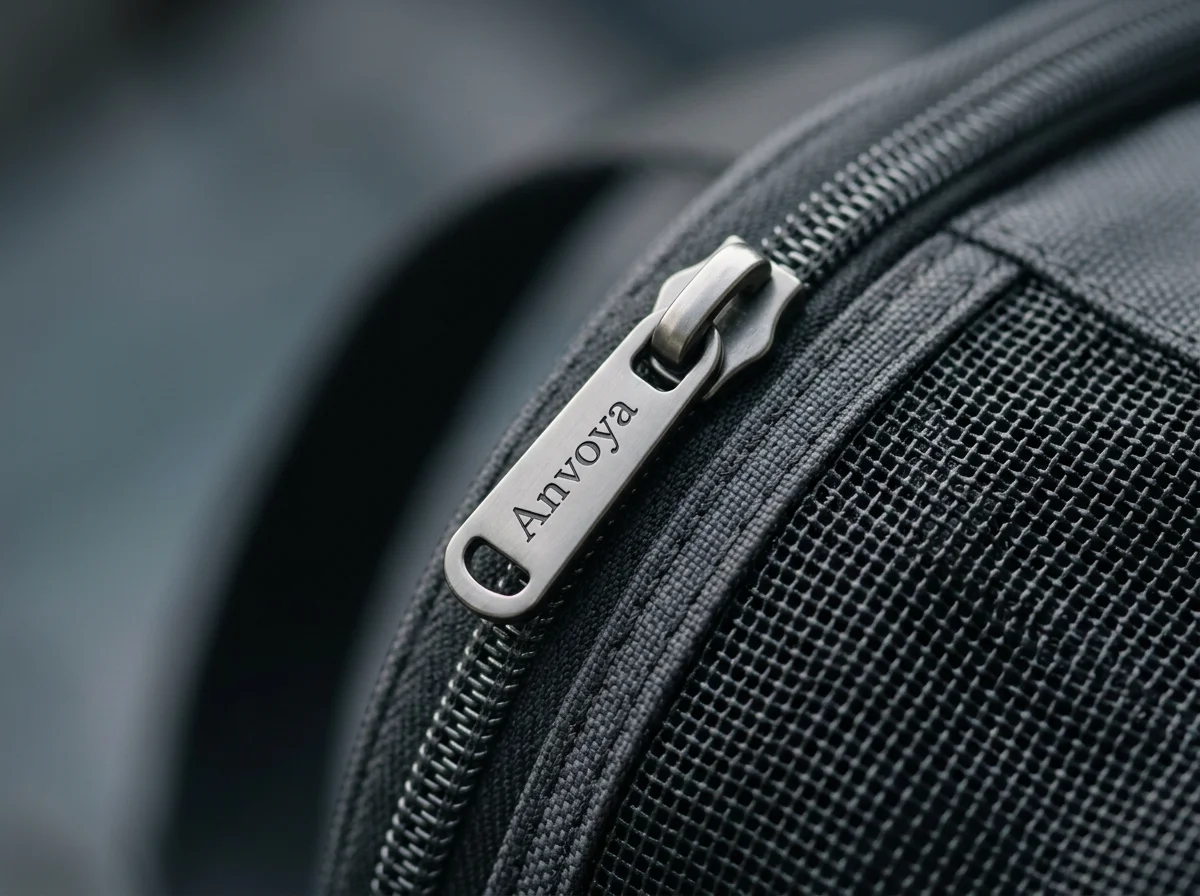
1. Materials and soft-goods construction
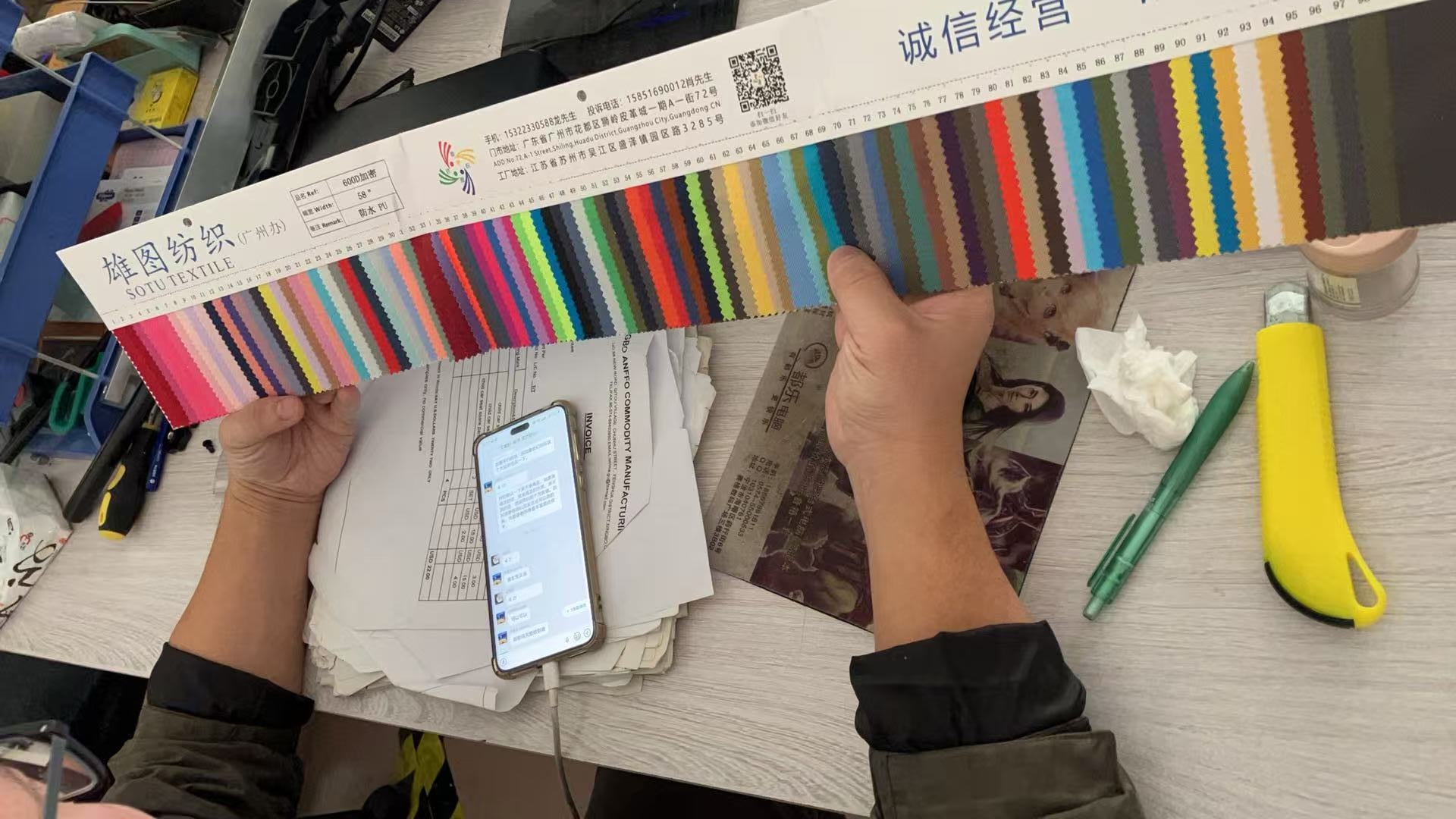
Material choice affects both cost and product positioning. A budget fabric, a premium textured fabric, a water-resistant coating, reinforced lining, breathable mesh, and anti-scratch material all create different cost profiles.
Important material decisions include:
- Outer fabric weight and finish
- Inner lining feel and durability
- Mesh type and tear resistance
- Padding thickness and density
- Base board material
- Reinforcement panels
- Binding tape, webbing, and elastic parts
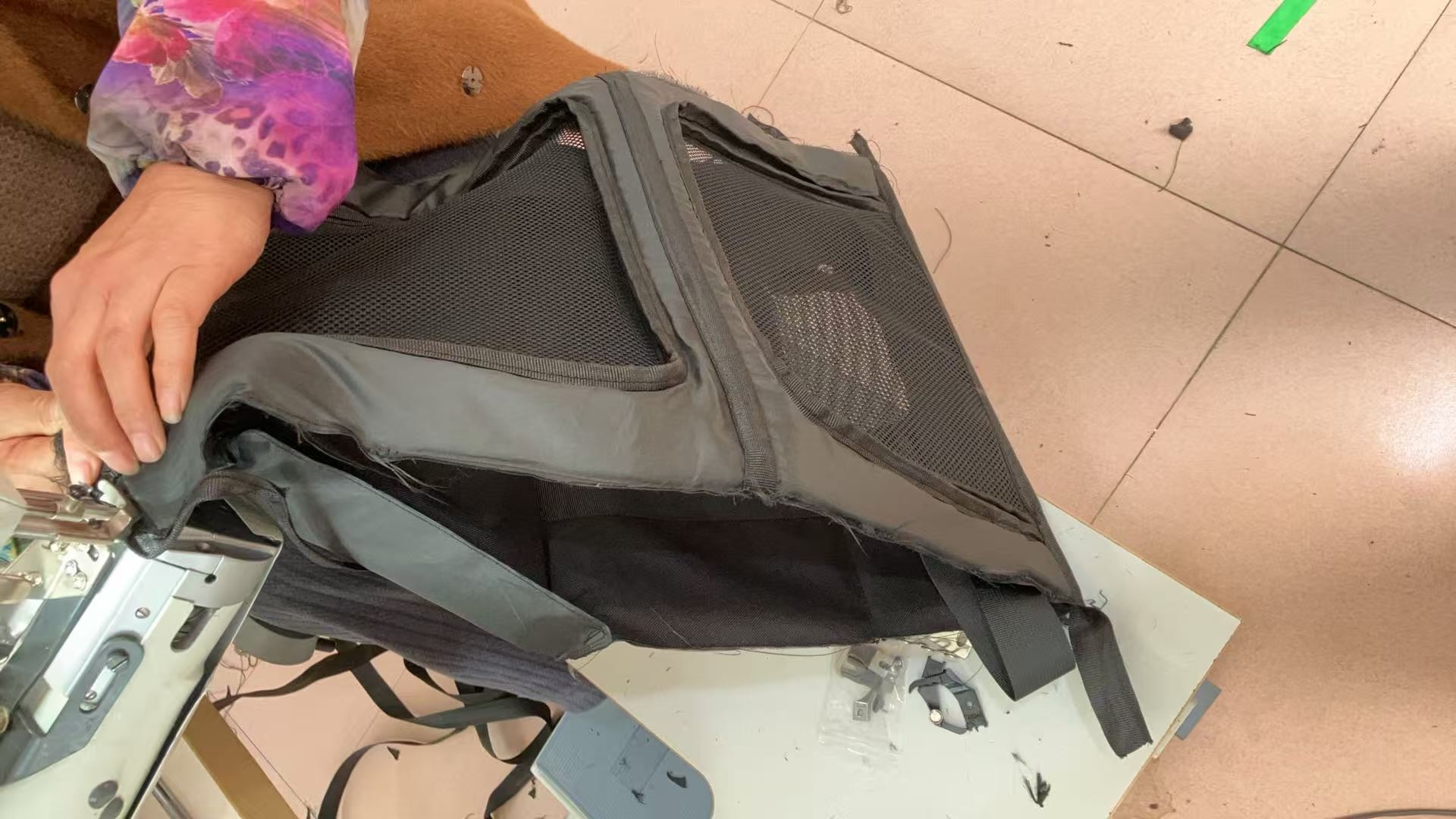
Soft-goods construction also matters. More panels, curved seams, hidden stitching, quilting, piping, or reinforced stress points increase labor time. In pet carrier manufacturing, labor is often a major cost driver because sewing quality affects appearance, strength, and consistency.
2. Hardware and accessories
A pet carrier may include more hardware than buyers first notice. Zippers, pullers, D-rings, hooks, buckles, shoulder strap adjusters, feet, nameplates, and internal tethers all have cost and quality differences.
For premium travel carriers, low-quality hardware can damage the product experience. A zipper that feels rough or a hook that twists under use can make the whole carrier feel cheap. On the other hand, over-specifying hardware may increase cost without adding real value for the target channel.
A good supplier will usually ask where the product will sell and what price segment the brand targets. A distributor selling to premium pet boutiques may accept higher component costs than a basic online private-label project.
3. Sampling and revision rounds
Sampling is one of the most misunderstood parts of OEM pet carrier development cost. A first sample is rarely the final production reference for deeper customization. It is a decision tool.
Sampling may be used to check:
- Size and proportion
- Fabric hand feel
- Pet entry and exit experience
- Carrying comfort
- Shape retention
- Hardware placement
- Packaging fit
- Assembly feasibility
Each revision takes coordination. The sample room needs updated instructions. Materials may need to be replaced. Pattern changes need to be documented. Photos and comments need to be reviewed. If the buyer’s internal team changes direction mid-project, the development cost can expand even when the supplier’s unit price stays similar.
4. Tooling, molds, and fixtures
Tooling becomes relevant when the custom pet carrier includes new plastic, rubber, foam, or metal parts. Examples include molded bases, docking latches, custom buckles, wheel housings, protective corner parts, or rigid frames.
Tooling cost depends on the part design, material, precision needs, expected production quantity, and tooling life. A simple component and a precision docking part do not share the same cost logic. When function and fit are important, the engineering review becomes more serious.
5. Packaging and retail requirements
Packaging is easy to underestimate. A carrier may need:
- Polybag and export carton
- Retail color box
- Printed insert card
- Instruction manual
- Warning label
- Hangtag
- E-commerce shipping protection
- Palletization plan
A soft carrier that looks good in a showroom may deform in transport if packaging is too weak. A premium carrier in a retail channel may need packaging that supports brand positioning. These decisions belong in the quote stage, not after production begins.
6. Testing and verification expectations
Different markets and retailers may request different documents or test reports. Buyers need to verify applicable requirements with their compliance consultants, importers, labs, or retail channels. A manufacturer can support sample preparation and document coordination, but market-specific compliance decisions need qualified review.
Testing can affect material selection, sample timing, and production records. It is better to discuss expectations early, especially for load-related designs, chemical restrictions, labeling, packaging, or airline-related dimensional claims.
How Do Structural, Hardware, and Modular Features Affect Development Cost?
A flat soft carrier and a structured travel carrier may look similar in photos, but their development paths are different. When a custom pet carrier needs a rigid base, docking function, stroller compatibility, or vehicle-ready positioning, the project moves beyond fabric and pattern decisions.
Structural, hardware, and modular features increase cost because they require more engineering review, more precise components, tolerance control, sample validation, and production process planning. The more parts that need to connect, lock, fold, carry load, or align with another system, the more development work is needed before stable mass production.
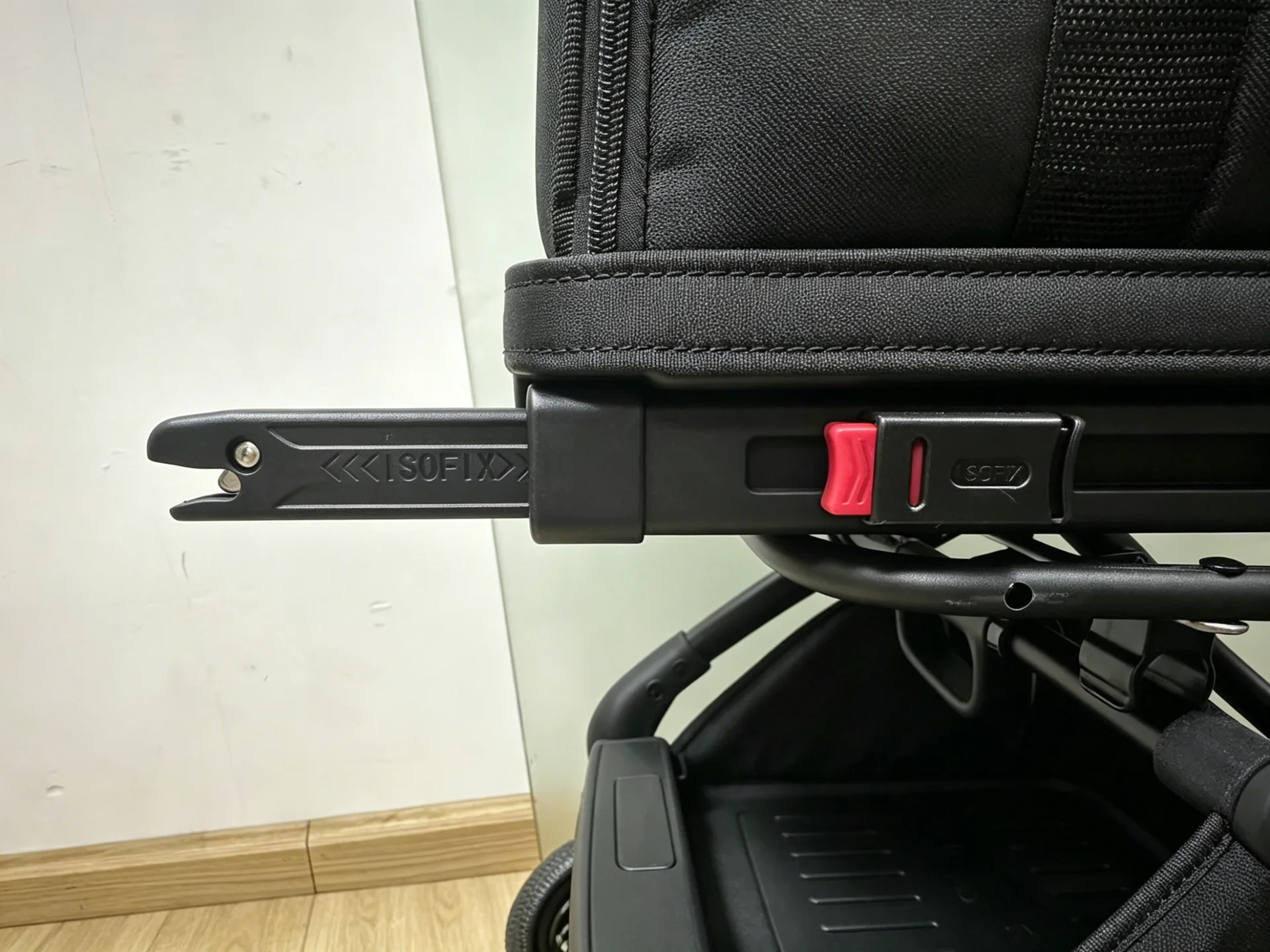
Structure changes how the product behaves
A carrier is not just a bag when it needs to keep a pet comfortable and remain stable during travel. Structure affects shape retention, load distribution, ventilation, user handling, and packaging.
Common structure choices include:
| Structure type | Development impact | Typical consideration |
|---|---|---|
| Soft foldable carrier | Lower structural complexity | Easy storage, lower rigidity |
| Semi-rigid carrier | Medium complexity | Better shape, more reinforcement |
| Rigid base carrier | Higher component control | Improved support, added part cost |
| Framed carrier | Higher assembly complexity | Better form, more production steps |
| Modular carrier | Highest interface complexity | Needs compatibility with another base, stroller, or accessory |
A semi-rigid base may sound like a small upgrade. In practice, it can change the entire carrier. The bottom panel may need stronger fabric. The side walls may need reinforcement. The zipper route may need adjustment so the product opens properly. The carton size may grow. Production workers may need new assembly instructions.
Hardware creates user experience and cost risk
Hardware has a simple job from a consumer perspective: it needs to work smoothly. From a manufacturing perspective, it affects sourcing, assembly, strength, tolerance, and inspection.
A few examples:
- A shoulder strap hook needs to fit the webbing, rotate properly, and carry load.
- A zipper needs to curve around corners without catching.
- A locking buckle needs to feel secure without being difficult to release.
- A molded handle needs to align with the soft body and avoid stress concentration.
- A base connector needs to match another product precisely.
The more custom hardware a brand wants, the more the supplier must check drawings, samples, tool options, material options, and assembly methods. If off-the-shelf hardware can meet the product goal, cost and development risk may be lower. If custom hardware is necessary for brand identity or function, it needs a more careful budget.
Modular systems add interface questions
Some brands are now moving from a traditional carrier to a more complete travel system. This may include a pet carrier that connects with a stroller frame, a vehicle base, or another mobility product.
At Anvoya, we work with modular pet travel product concepts, so I pay close attention to interface questions in early discussions. For example:
- Where does the carrier connect?
- How does the user know it is properly attached?
- What parts carry load?
- Can the carrier be removed with one hand?
- Does the docking hardware interfere with normal carrying?
- What tolerance is acceptable between the carrier and the base?
- How does the soft body stay aligned with hard parts?
These questions do not automatically mean a project becomes expensive. They mean the quote cannot be treated like a basic sewing quotation. A modular pet carrier may need prototypes, fit checks, structural reviews, and repeated sample adjustments before production.
Vehicle-ready features need careful language and evaluation
Some pet travel brands want a carrier that can be used in a car. This can involve seat belt routing, connection points, base compatibility, or other vehicle-interface ideas. Buyers need to treat these features carefully.
A pet carrier is not a child car seat. Product claims, test plans, labeling, and market requirements need professional review. A manufacturer can discuss design feasibility, component integration, and production methods, but application-specific safety claims need qualified testing and legal or compliance evaluation.
For procurement teams, the cost lesson is direct: vehicle-ready and modular features add development variables. The budget needs room for engineering discussion, prototype checks, component selection, and verification planning.
What Should You Define Before Requesting a Custom Pet Carrier Quote?
A vague RFQ creates vague pricing. If a brand asks for a custom pet carrier quote with only a reference photo, suppliers fill in the blanks differently. Later, the buyer compares numbers that may not represent the same product, material, packaging, or development scope.
Before requesting a quote, define the pet size range, use case, customization level, target market position, material direction, structural requirements, hardware needs, packaging plan, order expectations, compliance concerns, and launch schedule. A clear brief helps suppliers quote the same product instead of guessing different versions.
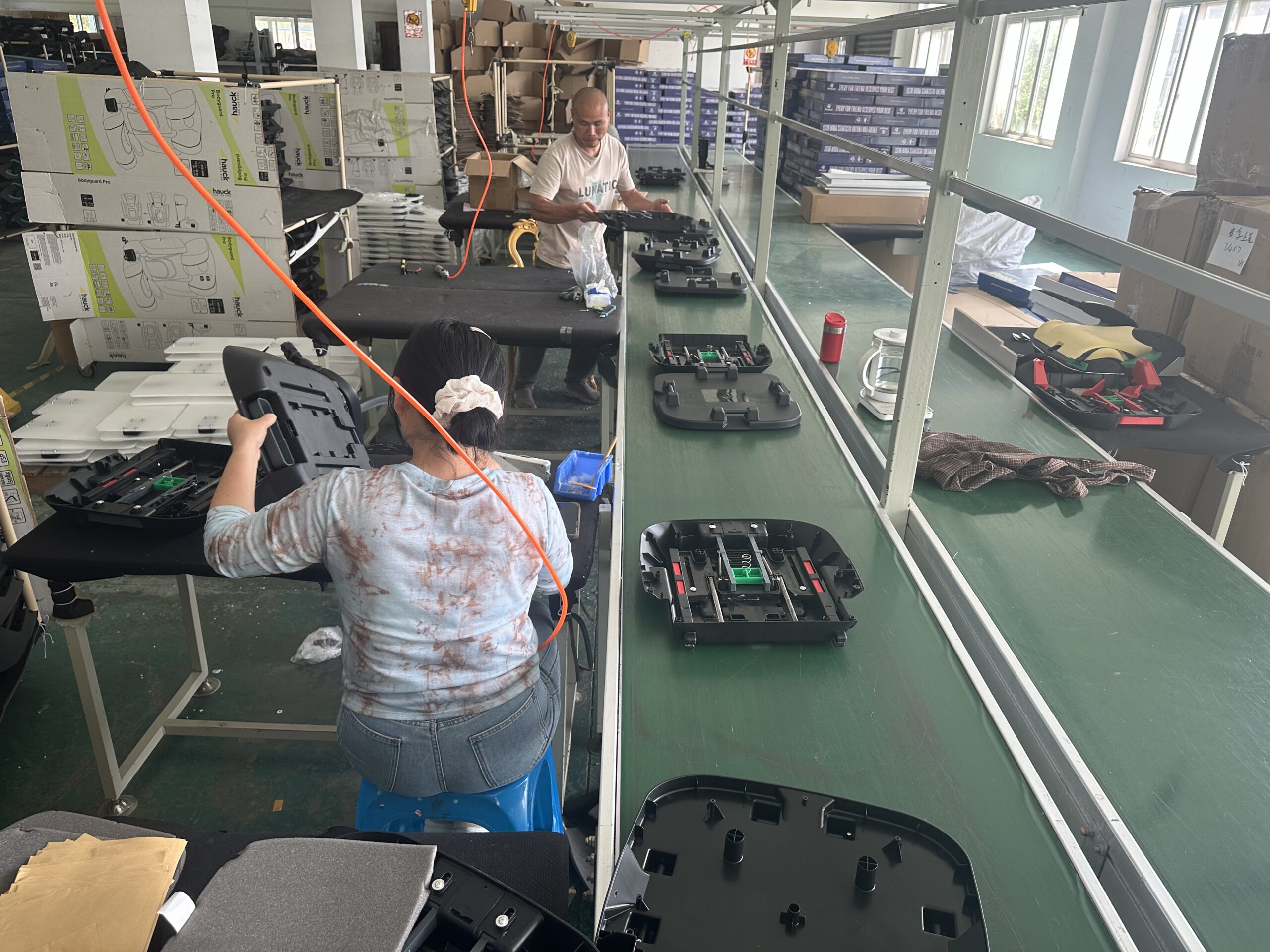
Start with the pet and use case
The product brief begins with the animal and the journey. A carrier for short urban errands has different needs from a carrier for air travel, car travel, or stroller integration.
Useful details include:
- Target pet type: cat, small dog, or mixed small-pet use
- Target weight range and body size
- Expected carrying duration
- Indoor, outdoor, airline, vehicle, or retail display use
- Climate considerations, such as ventilation or insulation needs
- Storage needs when the product is not in use
A carrier that looks attractive but fails the use case will create returns and poor reviews. In early discussions, I often ask buyers to describe how the customer will use the product in one sentence. That sentence clears up many design choices.
Define the product positioning
Product positioning controls many hidden cost decisions. A premium brand may care about hand feel, quiet hardware, cleaner stitching, stronger base support, and retail packaging. A value-focused product may prioritize simplicity, weight, and production efficiency.
Define:
- Target retail channel
- Target consumer profile
- Expected price segment
- Visual style
- Required differentiation from existing market products
- Must-have features versus optional upgrades
Without positioning, suppliers may quote a product that meets the photo but misses the business goal.
Prepare a customization brief
A strong RFQ does not need to be a complete engineering document. It does need to separate confirmed requirements from open ideas.
You can organize it like this:
| RFQ item | What to provide | Why it matters |
|---|---|---|
| Reference product | Photos, links, samples, or sketches | Helps suppliers understand direction |
| Dimensions | Target length, width, height, pet size | Affects pattern, material use, carton size |
| Materials | Preferred fabric, mesh, lining, padding | Affects cost, durability, appearance |
| Structure | Foldable, semi-rigid, rigid base, framed | Affects engineering and assembly |
| Hardware | Zippers, buckles, hooks, docking parts | Affects sourcing and tooling |
| Branding | Logo method, labels, trim colors | Affects production process |
| Packaging | Export, retail, e-commerce, gift box | Affects cost and shipping protection |
| Testing needs | Retailer or market expectations | Affects sample planning |
| Order plan | Initial order and future forecast range | Affects production planning |
| Timeline | Launch window and decision schedule | Affects development planning |
Separate “must-have” from “nice-to-have”
Many projects become expensive because every idea enters the first sample. A more controlled approach is to separate features:
Must-have features
- Required dimensions
- Required opening method
- Required material direction
- Required carrying method
- Required branding
- Required packaging format
Nice-to-have features
- Extra pockets
- Premium trims
- Special hardware finish
- Additional ventilation covers
- Optional docking accessory
- Decorative molded parts
This helps the supplier estimate a practical base version first. Then optional features can be priced as add-ons or future upgrades.
Order volume matters because it affects material purchasing, production setup, tooling decisions, and supplier willingness to develop custom parts. However, early forecasts are often uncertain. A practical approach is to share a realistic launch plan and a longer-term target range rather than asking for one final number too soon.
If the project needs custom tooling, the supplier may ask whether the expected production volume can support that investment. If the initial order is small, existing components or semi-custom structures may be more practical.
Ask for cost structure, not only unit price
For custom pet carrier development, I prefer RFQs that ask suppliers to separate:
- Development or sampling cost
- Tooling or mold cost, if any
- Estimated mass-production unit cost
- Packaging cost
- Optional feature cost
- Testing support cost, if relevant
- Estimated cost changes at different volume ranges
This format makes comparison easier. A supplier with a lower unit price but missing tooling, packaging, or sampling details may not be cheaper in the end.
Frequently Asked Questions
Is a custom pet carrier always more expensive than a standard model?
A custom pet carrier is usually more expensive during development if it involves new materials, structure, hardware, or packaging. Light customization based on an existing model may stay close to standard production cost. Full new development requires more sampling, engineering review, and production preparation.
Can I get an accurate quote from only a reference photo?
A reference photo helps, but it rarely supports an accurate quote by itself. Suppliers also need dimensions, target pet size, material direction, structure, hardware, branding, packaging, order expectations, and use case. Without those details, each supplier may quote a different interpretation.
Does adding a rigid base increase development cost?
A rigid base can increase cost because it may require new materials, molded parts, reinforcement, assembly steps, and packaging adjustments. It may also affect weight, folding ability, and shipping volume. The final impact depends on whether the supplier can use existing components or needs new tooling.
Are modular pet carriers more complicated to develop?
Yes, modular carriers are usually more complicated because they need reliable interfaces between the carrier and another product, such as a stroller frame or vehicle base. Docking parts, tolerances, user operation, and load paths need review. Buyers also need qualified evaluation for any application-specific safety claims.
What information helps an OEM/ODM supplier quote faster?
A clear brief helps most. Include target pet size, use scenario, customization level, materials, structure, hardware, packaging, brand requirements, testing expectations, order plan, and launch timing. If you have sketches, samples, or reference products, share them with notes on what you want to keep or change.
Conclusion
The cost to develop a custom pet carrier depends on the level of customization, not just the factory unit price. Light branding, design modification, and full new product development each follow different cost logic. Materials, structure, hardware, sampling, tooling, packaging, and production readiness all matter. If you are planning an OEM/ODM pet carrier project, prepare a clear product brief first. Anvoya can review your concept and help turn it into a practical development and manufacturing plan.