
A long trip makes people want a simple number: two hours, four hours, maybe six. In reality, a dog's comfort in a carrier depends on far more than the clock.
There is no single maximum time that is safe for every dog. Carrier time depends on the dog's age, size, health, temperament, carrier fit, ventilation, temperature, hydration, bathroom needs, and the type of travel involved.
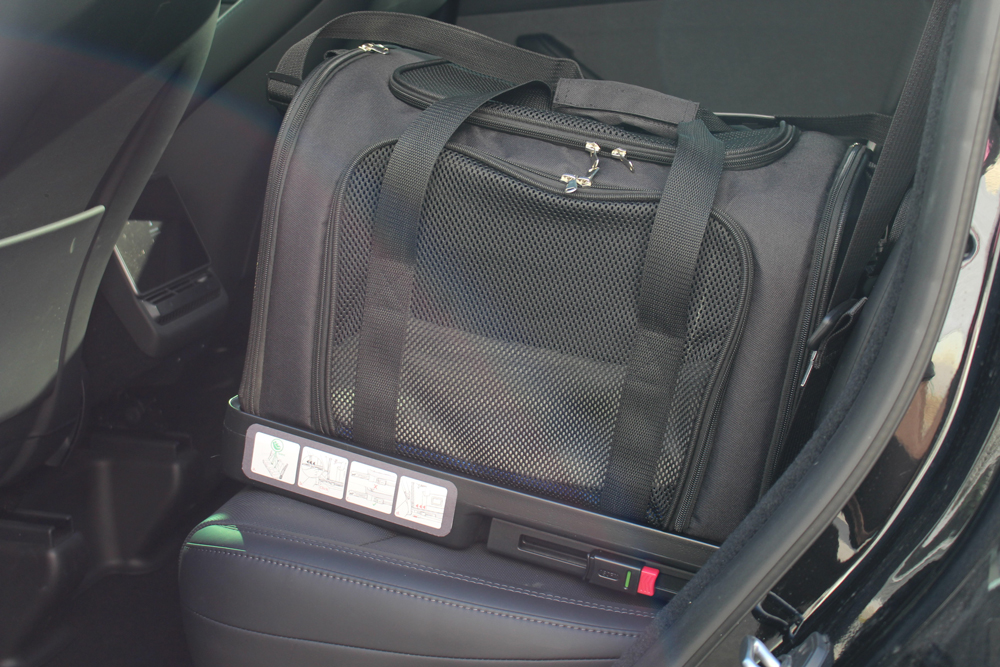
This is one of those travel questions where a fixed answer sounds helpful but can quickly become misleading.
A healthy adult dog that settles easily in a properly sized carrier during a calm car journey is very different from a puppy that needs frequent bathroom breaks. A senior dog with joint stiffness is different again. So is a dog that pants heavily in the car, gets motion sick, or becomes anxious as soon as the carrier door closes.
The carrier matters too.
A dog with enough room to stand, sit, lie down, and turn around has a very different experience from one squeezed into a bag that looks fine from the outside but offers poor usable space inside. CDC guidance for road travel also emphasizes that a crate should allow those basic postures, remain well ventilated, and be secured so it does not slide or shift. :contentReference[oaicite:0]{index=0}
So instead of asking only “How many hours?”, it is more useful to think about three things together:
the dog, the carrier, and the journey.
Is There a Safe Time Limit for How Long a Dog Can Stay in a Carrier?
A single time limit does not work for every dog. The better approach is to plan regular breaks and adjust the trip according to the dog's condition and the type of travel.
There is no universal number of hours that applies to every dog. For road travel, plan frequent opportunities for bathroom breaks, stretching, movement, and water rather than waiting for one fixed time limit.
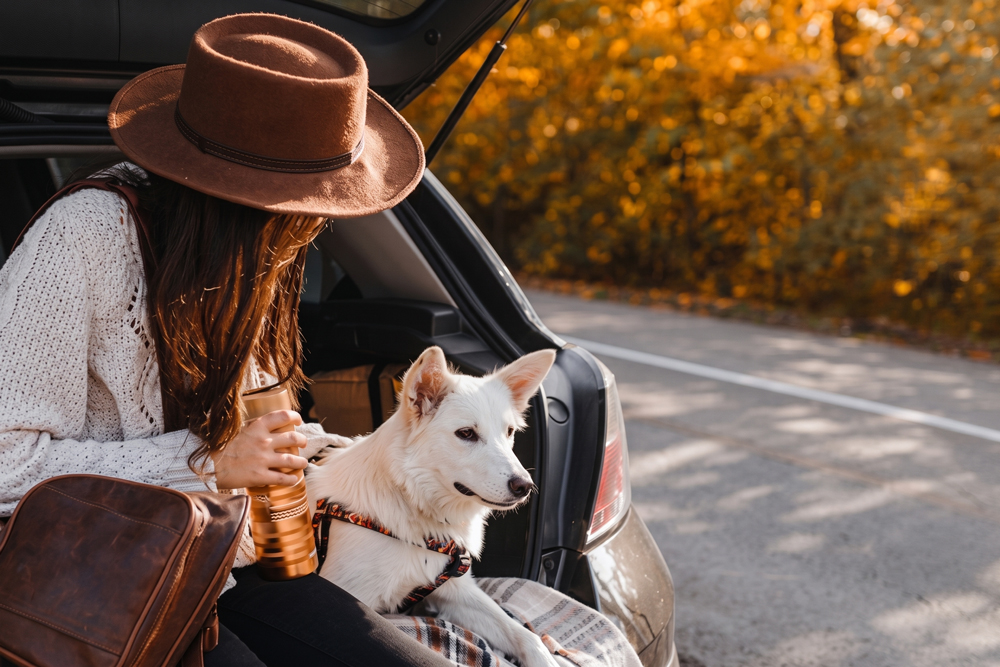
The temptation to give one number is understandable.
People want something easy to remember.
“Never more than two hours.”
“Four hours is fine.”
“Six hours for an adult dog.”
The problem is that those statements ignore too many variables.
A dog that becomes restless after forty minutes may need attention long before another dog on the same route. A puppy may need a bathroom break sooner than a healthy adult dog. A dog traveling in warm conditions may also need closer monitoring than one resting comfortably in a well-ventilated, temperature-controlled environment.
That is why reputable travel guidance tends to focus more on frequent stops and observation than on a universal consumer time limit. CDC recommends frequent stops during long car trips so dogs can relieve themselves and stretch their legs. Cornell similarly advises frequent road-trip stops for stretching, hydration, and bathroom needs. :contentReference[oaicite:1]{index=1}
Why a Fixed Number Can Create the Wrong Habit
Suppose someone reads that three hours is acceptable.
The dog begins panting heavily after ninety minutes.
If the owner treats the three-hour figure as a rule, they may be more focused on the clock than on the animal in front of them.
That is exactly backward.
Travel planning works better when the scheduled break is the latest point you expect to stop, not permission to ignore earlier signs that the dog needs one.
This distinction matters in product communication too.
Pet brands sometimes want very clean claims for packaging or FAQs:
Suitable for travel up to X hours.
That sounds reassuring, but it is difficult to support across different animals, climates, vehicle conditions, and travel methods.
A more responsible product guide explains the carrier's intended use and fit, then reminds owners that break frequency depends on the individual dog.
Carrier Time Is Not the Same as Crate Time at Home
There is also an important difference between a dog resting in a familiar crate at home and a dog spending the same length of time in a moving vehicle.
Travel adds motion.
There are unfamiliar noises.
Temperature can change.
Some dogs experience nausea.
The dog may be alert rather than sleeping.
The same number of minutes can therefore feel very different in the two situations.
That is another reason I would avoid borrowing generic crate-training time limits and applying them directly to travel.
The environment has changed.
The question has changed with it.
What Factors Affect How Long a Dog Can Stay in a Pet Carrier?
Carrier tolerance is shaped by several factors at once, including the dog's age, body size, health, behavior, carrier fit, temperature, ventilation, hydration, and travel conditions.
How long a dog remains comfortable in a carrier depends on the individual animal and the environment. Carrier size alone cannot determine it, and neither can age or trip length in isolation.
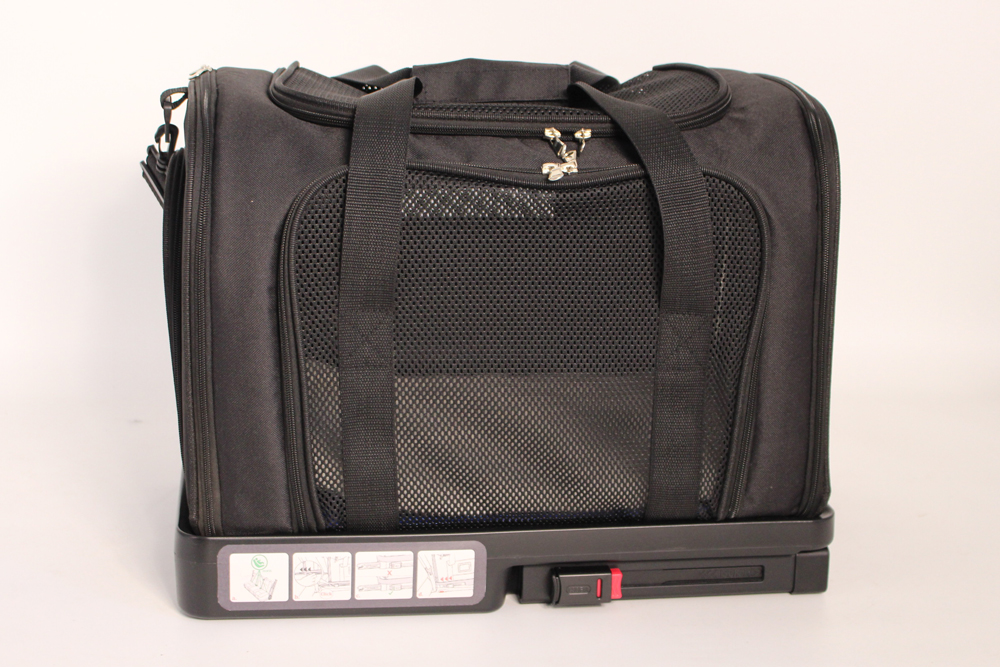
This is where the answer becomes more useful.
Instead of looking for one number, look at the conditions that make that number shorter or longer.
Age Changes the Picture
Puppies usually have different bathroom and movement needs from mature dogs.
Senior dogs may become stiff more quickly or find repeated entry and exit harder.
Neither category automatically means “short carrier time,” but both make break planning more individual.
A healthy adult dog with a familiar travel routine may settle for much longer stretches than a young dog experiencing its first road trip.
Temperament Matters More Than Many Size Charts Admit
Some dogs enter a carrier and fall asleep.
Others stay alert.
Some keep turning.
Some scratch at the mesh.
Some become vocal before the car has left the driveway.
That behavior changes how we interpret travel duration.
A nervous dog may be physically able to remain inside the carrier, yet the experience is still going badly.
Cornell specifically recommends gradual acclimation to both the carrier and car, beginning with short sessions and increasing only according to the dog's response. If anxiety persists, veterinary or qualified behavioral support may be appropriate. :contentReference[oaicite:2]{index=2}
This is useful because it moves the conversation away from endurance.
The goal is not to discover how long the dog can tolerate being confined.
The goal is to make travel manageable.
Carrier Fit Has a Direct Effect
This connects closely with carrier sizing.
If the dog cannot settle into a natural posture, even a relatively short journey can become uncomfortable.
The carrier needs enough usable room for the dog to stand, sit, lie down, and turn around comfortably. CDC includes those basic movements in its travel guidance for crates. :contentReference[oaicite:3]{index=3}
But external dimensions do not tell the whole story.
A soft-sided carrier can lose interior space when the roof sags or the side walls pull inward.
A weak bottom board can bend under load.
A large frame around the opening can reduce usable height.
That is why fit needs to be judged with the dog—or at minimum an equivalent load—inside the carrier.
A 50 cm carrier is not automatically more comfortable than a 45 cm carrier.
Usable space matters more than the label.
Temperature and Ventilation Can Change Everything
A journey that feels fine in mild conditions can become difficult in heat.
Ventilation openings need to remain unobstructed. The carrier should not be placed where airflow is poor or heat builds up.
CDC advises good ventilation for travel crates and warns against leaving pets unattended in parked vehicles. :contentReference[oaicite:4]{index=4}
This is one area where “time in carrier” becomes almost meaningless without environmental context.
Twenty minutes in an uncomfortable hot environment can be more concerning than a much longer period in appropriate conditions.
Motion Sickness Can Shorten the Trip Very Quickly
Some dogs, particularly puppies, can experience nausea during vehicle travel.
Drooling, vomiting, and difficulty settling may be linked to motion sickness rather than simple impatience with the carrier. Cornell notes that many dogs, especially puppies, experience travel-related nausea and advises speaking with a veterinarian if drooling or vomiting occurs. :contentReference[oaicite:5]{index=5}
Again, the clock does not tell you this.
The dog does.
| Factor | Why It Can Affect Carrier Time |
|---|---|
| Age | Changes bathroom, movement, and rest needs |
| Body size and shape | Affects usable fit inside the carrier |
| Health | May change tolerance for confinement or travel |
| Temperament | Anxiety can make even short trips difficult |
| Carrier fit | Poor posture reduces comfort |
| Ventilation | Influences airflow and heat management |
| Temperature | Can change travel tolerance quickly |
| Hydration | Becomes more important over longer journeys |
| Motion sickness | Can create distress before a planned stop |
| Travel method | Determines whether breaks can be scheduled easily |
That is a much better framework than one universal number.
Do Puppies, Adult Dogs, and Senior Dogs Need Different Carrier Breaks?
Often, yes. Life stage changes bathroom habits, movement needs, physical comfort, and tolerance for unfamiliar travel, so break planning rarely looks identical across puppies, adults, and senior dogs.
Puppies often need more frequent bathroom and adjustment breaks, healthy adult dogs may tolerate longer travel intervals, and senior dogs may benefit from more opportunities to reposition, move gently, and rest outside the carrier.
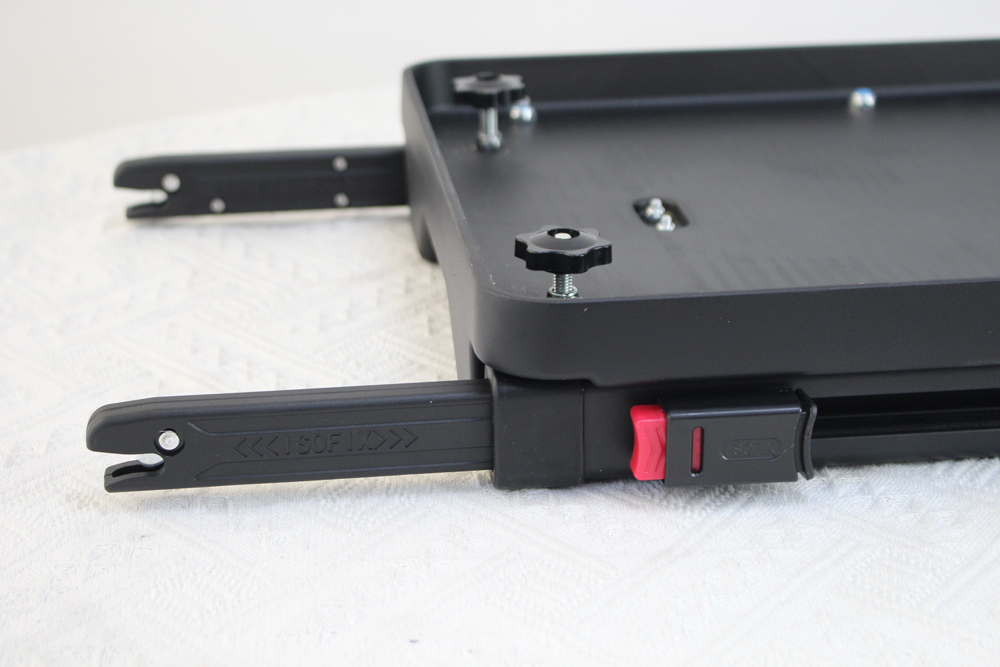
This is one of the few places where age gives us a genuinely useful starting point.
It still does not give us a precise schedule.
Puppies Often Need More Management
Young dogs are still developing routines.
Their bathroom needs can be less predictable. They may also have less experience with carriers, cars, unfamiliar noises, and long periods of restricted movement.
Motion sickness is another consideration. Cornell notes that puppies are among the dogs commonly affected by nausea during travel. :contentReference[oaicite:6]{index=6}
For a puppy's first long trip, I would think less about “How long can the puppy stay inside?” and more about how to break the journey into manageable stages.
Short carrier experience.
Short drive.
Stop.
Reset.
Then continue.
That approach also gives the owner more information about how the puppy responds before committing to a long uninterrupted journey.
Healthy Adult Dogs Can Still Be Very Different
Age alone does not make an adult dog a good traveler.
One adult dog may have spent years traveling by car.
Another may rarely leave home.
A third may become anxious or nauseous whenever the vehicle moves.
So while a healthy adult dog may generally have fewer age-related limitations than a puppy or senior, familiarity and temperament still matter.
A dog that calmly rests in the carrier is giving very different feedback from one that has been standing, panting, and whining for most of the journey.
Senior Dogs May Need More Than Potty Breaks
Senior travel is not only about bathroom frequency.
A dog with reduced mobility may become stiff after staying in one position.
Getting out of the carrier may also take longer.
Re-entry can be harder.
The owner may need a quieter stop with enough time for gentle movement rather than a quick roadside pause.
Health conditions can also change what is appropriate.
For dogs with medical, respiratory, mobility, or other health concerns, individualized veterinary advice is more useful than a generic online duration rule.
This is exactly where a blog article needs to stop pretending to be a veterinarian.
Product knowledge can tell us about carrier fit, airflow, access, structure, and travel setup.
Medical suitability belongs with the dog's veterinarian.
How Often Should You Give Your Dog a Break During Long-Distance Travel?
For road trips, breaks need to happen frequently enough for the dog to relieve itself, stretch, drink, and reset before discomfort becomes obvious. The exact interval depends on the dog.
During long-distance car travel, plan frequent stops for bathroom needs, stretching, movement, and hydration. Do not wait for a fixed number of hours if the dog shows earlier signs that it needs a break.
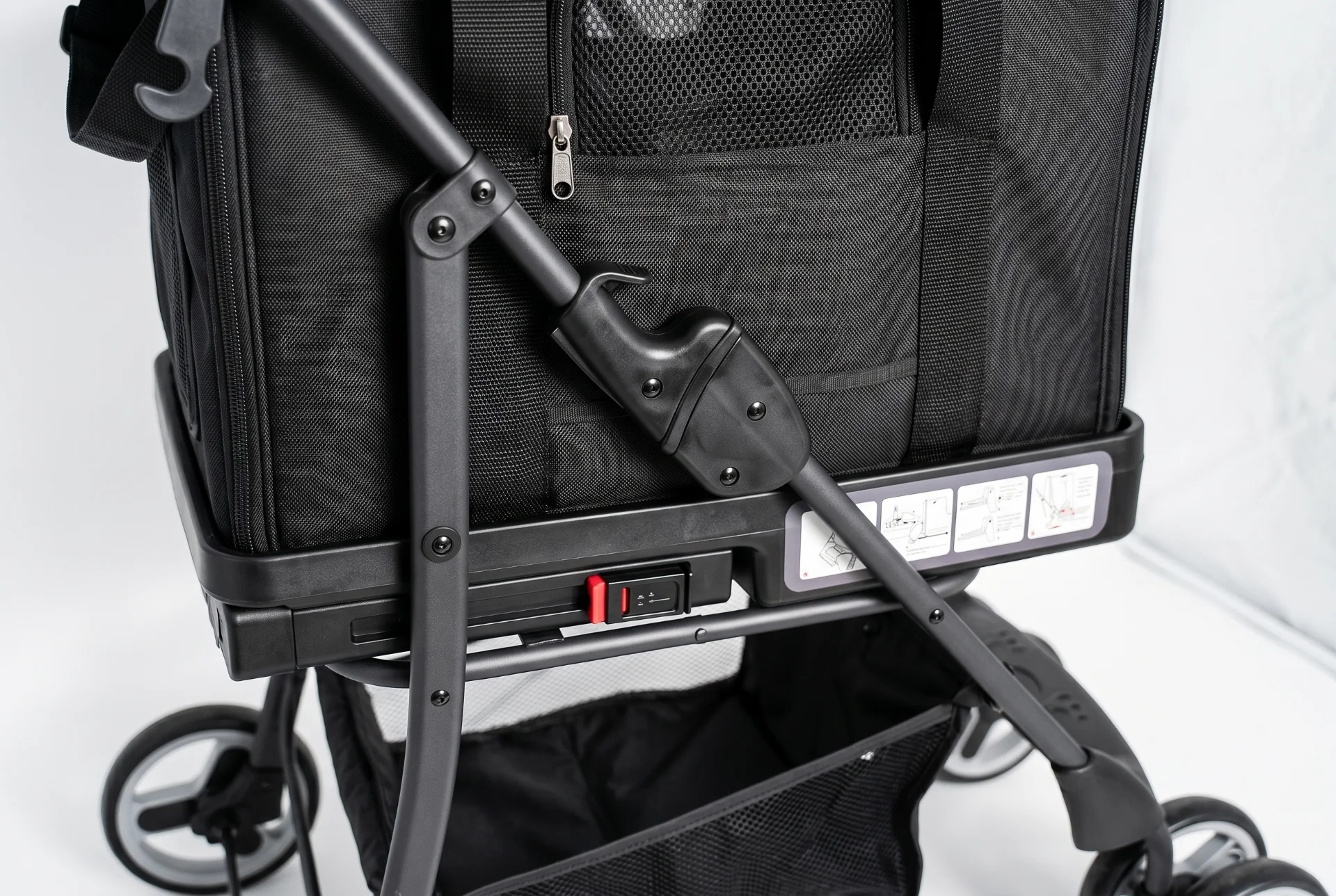
Road travel and air travel need to be separated here because the owner has very different levels of control.
Road Trips Let You Adjust as You Go
Driving gives you options.
You can stop earlier.
You can change the route.
You can offer water.
You can walk the dog.
You can shorten the next driving section if the previous one did not go well.
That flexibility is valuable.
CDC recommends frequent stops for bathroom and stretching opportunities during long drives, while Cornell also advises frequent stops for stretching, relieving, and hydration. :contentReference[oaicite:7]{index=7}
Neither source turns that advice into one universal consumer interval.
That is important.
A scheduled stop plan is still useful, but the dog's behavior can override it.
A Break Is More Than Opening the Carrier Door
A useful travel break usually gives the dog a chance to do several things.
Relieve itself.
Move its body.
Drink if appropriate.
Calm down.
The carrier can also be checked during the stop.
Is the bedding wet?
Has the carrier shifted?
Is airflow still clear?
Has the dog vomited?
Has the floor pad moved?
Long-distance travel is easier when breaks are treated as checkpoints rather than interruptions.
Build Margin Into the Journey
This is something product advice often misses.
If a six-hour drive is planned so tightly that there is no room for extra stops, the schedule is already working against the dog.
Adding time margin makes it easier to respond to what actually happens.
Maybe the dog needs another bathroom break.
Maybe one stop lasts twenty minutes instead of five.
Maybe the dog needs time to settle before getting back into the carrier.
A realistic travel plan accounts for that.
Air Travel Works Differently
Flying removes much of that flexibility.
The dog may need to remain in the carrier through check-in, waiting, boarding, the flight itself, and part of the arrival process.
For cabin travel, Cornell notes that pets generally remain in the carrier for the duration of the flight and that airline-specific carrier measurements and policies need to be checked in advance. Cargo requirements differ and typically involve a sturdy crate with room for the dog to stand, turn around, and lie down. :contentReference[oaicite:8]{index=8}
CDC likewise advises checking airline policies and giving dogs a potty break before they are secured for air travel. :contentReference[oaicite:9]{index=9}
That means “carrier time” for a flight can be longer than the flight duration printed on the ticket.
The whole travel process matters.
For brands, this is also why broad claims such as “suitable for 8-hour travel” are not particularly useful.
Eight hours in what environment?
Car?
Cabin?
Airport?
Cargo?
With breaks?
Without breaks?
The scenario changes the meaning of the claim.
How Can You Tell When Your Dog Has Been in a Carrier Too Long?
The dog's behavior is often more useful than the clock. Persistent panting, whining, restlessness, drooling, vomiting, repeated attempts to reposition, or obvious difficulty settling all deserve attention.
Watch the dog, not only the travel schedule. Persistent panting, restlessness, whining, drooling, vomiting, repeated shifting, or obvious distress can indicate that the dog needs a break or that the travel setup needs to change.
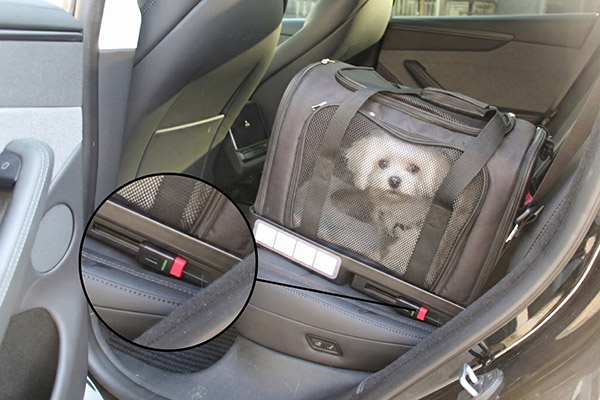
Not every movement means something is wrong.
Dogs adjust position.
They look around.
They may pant briefly after activity.
The pattern is more important than one isolated behavior.
A dog that settles after a few minutes is different from one whose agitation keeps increasing.
Persistent Restlessness Deserves Attention
A dog that repeatedly stands, turns, lies down, gets up again, and never settles may be telling you that something is not working.
Perhaps the carrier is too small.
Perhaps it is too warm.
Perhaps the dog needs a bathroom break.
Perhaps the dog is anxious.
Perhaps the movement of the vehicle is causing nausea.
You cannot identify the cause from the clock alone.
But you can see that continuing without checking the dog is not the best response.
Panting Needs Context
Dogs pant for many reasons.
Heat is one.
Stress is another.
Recent activity is another.
A few moments of panting do not automatically mean the carrier has become unsafe.
Persistent or unusual panting, especially when combined with other signs of distress, deserves closer attention.
If the dog has a respiratory condition or other health concern, veterinary advice becomes particularly important before long travel.
Drooling and Vomiting May Point to Motion Sickness
These signs are especially relevant in vehicles.
Cornell advises owners to talk with a veterinarian when dogs drool or vomit during travel because anti-nausea management may be appropriate. :contentReference[oaicite:10]{index=10}
That is an important distinction.
The dog may not need “more carrier training.”
The dog may be experiencing motion sickness.
Changing the carrier alone may not solve it.
Look at the Body Position Too
This connects directly with carrier sizing.
A dog that keeps trying to stretch but cannot find room may have a fit problem.
A dog forced to remain curled because the carrier is too short has limited options for changing position.
A sagging roof can also reduce usable headroom.
This is why carrier fit affects more than the first five minutes of the journey.
It affects how comfortable the dog can remain as time passes.
When Is It Time to Ask a Veterinarian?
If a dog has ongoing respiratory problems, frequent vomiting, marked anxiety, mobility limitations, or other health conditions, generic travel advice is not enough.
A veterinarian can advise on the individual dog's suitability for travel and whether medication, motion-sickness management, altered travel plans, or other precautions are appropriate.
For carriers, we can talk about dimensions, ventilation, structure, access, and how the product behaves under load.
The dog's medical tolerance for travel is a different question.
That boundary matters.
How Does Carrier Size Affect Travel Duration?
A poorly fitted carrier can make a short journey uncomfortable, while a correctly sized one gives the dog more opportunity to maintain a natural posture and settle during travel.
Carrier fit directly affects travel comfort. The dog needs usable room to stand, turn, lie down, and reposition, but excessive empty space can also reduce stability while the carrier is moving.
This is a useful link back to carrier sizing because duration and space are often discussed separately when they really belong together.
Imagine two carriers.
One is slightly compact but maintains its shape well.
The other looks much larger on the specification sheet but has a weak base and flexible roof.
Once the dog goes inside and the carrier is lifted, the second carrier bows inward.
Which one gives more usable space?
You cannot answer that from dimensions alone.
Longer Travel Exposes Small Fit Problems
For a quick ten-minute trip, a slightly awkward feature may barely matter.
Over several hours, small issues become much more noticeable.
A floor panel that flexes.
A roof that sits low.
An opening frame that reduces headroom.
A carrier that tips slightly when lifted.
A mesh panel blocked by luggage.
Long-distance travel amplifies these details.
This is why carrier development needs testing beyond a static fit check.
Put the intended load inside.
Lift it.
Carry it.
Place it in a vehicle.
Use it on the stroller if that is part of the product.
See how the internal shape changes.
For B2B buyers and product teams, those observations are often more useful than simply increasing the carrier by another two centimeters.
Oversizing Does Not Solve Long-Trip Comfort Automatically
A large carrier gives more room, but that is only one side of the problem.
If the carrier moves, the dog can move within it.
During braking, turning, rolling, or lifting, excessive empty space can allow more shifting.
The goal is not tight confinement.
The goal is enough room for natural posture with a sensible level of support during movement.
That balance changes according to the use case.
It is also why one carrier size cannot always be marketed as ideal for every type of long-distance travel.
What Makes a Carrier Better for Longer Trips?
Longer travel puts more pressure on fit, ventilation, structure, access, and real usable space. Features that barely matter on a short outing can become much more important over several hours.
For longer trips, look beyond the carrier's advertised size. Stable floor support, usable interior height, ventilation, accessible openings, suitable load capacity, and a practical travel setup all influence how well the carrier works over time.
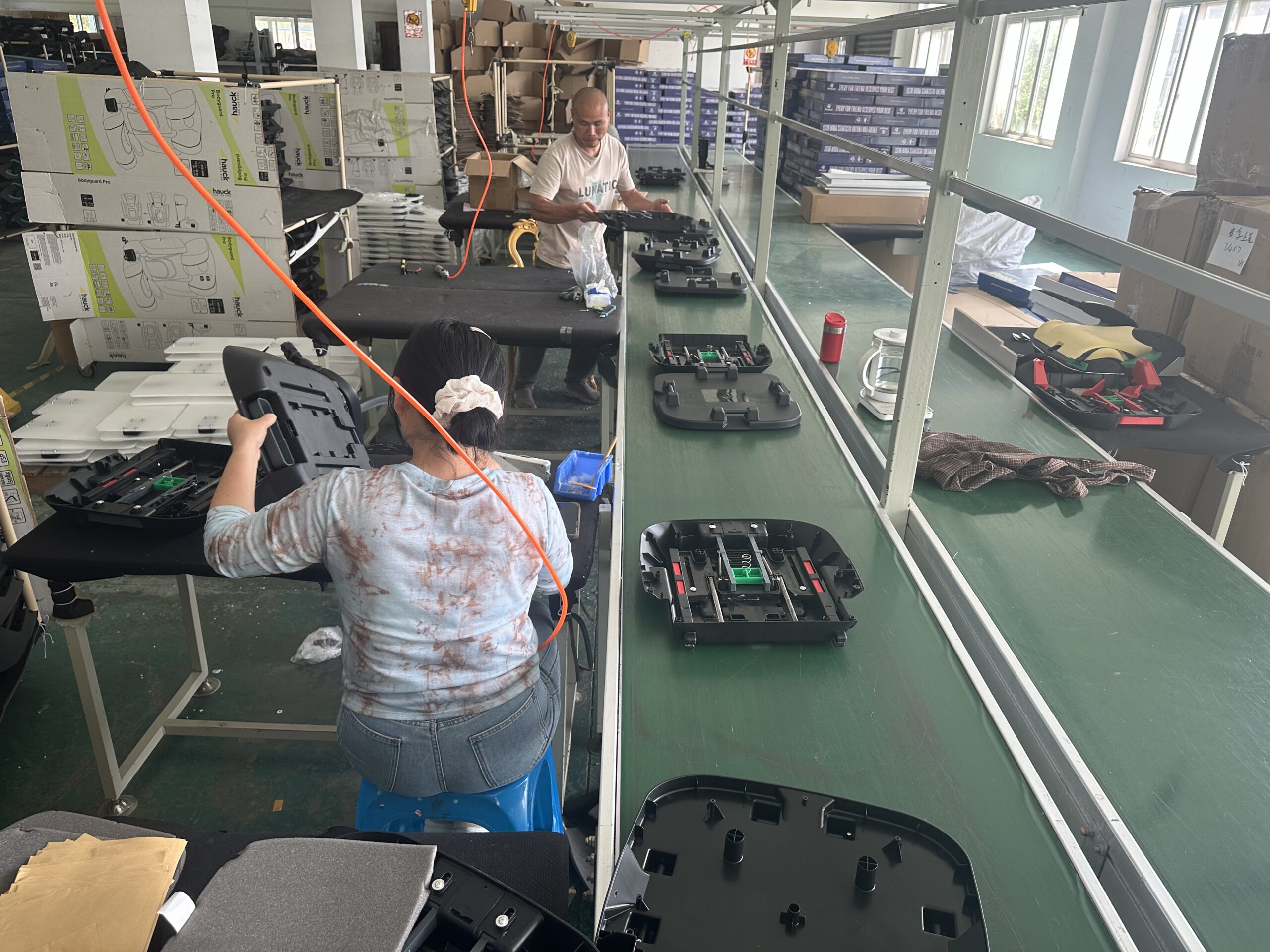
A long-distance carrier does not necessarily need more features.
It needs fewer weak points.
This distinction matters.
A product can have six pockets, a cup holder, decorative trim, and three ways to carry it.
None of those features solve a floor that bends badly under the dog.
For longer journeys, basic product architecture becomes more visible.
The Bottom Board Matters
This is one of the first things I check in a sample.
Load the carrier.
Lift it.
Does the floor remain reasonably stable?
If the center drops significantly, the dog's usable posture changes.
The sides may also pull inward.
This is not something customers see in a clean studio product image, but they notice it after carrying the bag for a while.
Ventilation Has to Work in the Real Setup
A carrier can have a large mesh panel and still end up with poor effective airflow if the panel sits against a seat, luggage, stroller structure, or another surface.
Ventilation therefore needs to be considered together with placement.
For brands, this is a good example of where testing the finished carrier in its intended travel environment matters more than counting mesh panels.
Access Matters More on Long Trips
The longer the journey, the more likely the owner will need to interact with the carrier.
They may need to check bedding.
Offer water during an appropriate stop.
Clean a small accident.
Settle the dog.
A beautifully designed carrier with an awkward opening can become frustrating very quickly.
This does not mean every long-distance carrier needs a giant top door.
It means the opening has to make sense for the animal and the journey.
Product Claims Need Restraint Too
From a B2B point of view, I would be cautious with marketing claims tied to time.
“Comfortable for 6-hour travel.”
“Suitable for all-day trips.”
“Designed for 8-hour journeys.”
These claims sound strong but hide too many variables.
A more useful product story explains what the carrier provides:
- usable interior dimensions
- recommended pet measurements
- intended maximum load
- ventilation design
- floor structure
- access points
- intended travel scenarios
Then the owner can plan the journey around the dog.
That is much more defensible than promising a number of hours.
Conclusion
There is no universal carrier time limit for every dog. Plan around the individual animal, use a properly fitted carrier, build in frequent breaks, and respond to the dog's condition rather than the clock.
FAQ
Can a Dog Stay in a Carrier for Four Hours?
Some dogs may tolerate a four-hour travel period better than others, but four hours is not a universal safe limit. Age, health, carrier fit, temperature, bathroom needs, anxiety, and travel conditions all affect how often a dog needs a break.
How Often Should I Stop With a Dog on a Road Trip?
Plan frequent stops so the dog can relieve itself, stretch, move, and hydrate. CDC and Cornell both recommend frequent breaks during longer road trips rather than one fixed interval for every dog. :contentReference[oaicite:11]{index=11}
Can a Puppy Stay in a Carrier as Long as an Adult Dog?
Not necessarily. Puppies may need more frequent bathroom breaks, may be less accustomed to confinement, and can be more prone to motion sickness during travel.
Can a Senior Dog Stay in a Carrier for Long Trips?
It depends on the individual dog. Senior dogs may need more opportunities to change position and move gently, and existing mobility or health conditions can affect travel tolerance.
Is It Okay for a Dog to Sleep in a Carrier During a Road Trip?
A dog may sleep during travel if it is comfortable and the travel setup is appropriate. The carrier still needs suitable ventilation, fit, and secure positioning, and regular stops remain important on long trips.
Does a Larger Carrier Let a Dog Stay Inside Longer?
Not automatically. The carrier needs enough room for natural posture and repositioning, but excessive space can allow more shifting during movement. Fit and structure matter more than simply choosing the largest size.
What Are Signs That a Dog Needs a Carrier Break?
Persistent panting, restlessness, whining, repeated repositioning, drooling, vomiting, or obvious difficulty settling can all suggest that the dog needs attention or a break.
Can Motion Sickness Make a Dog Hate the Carrier?
Yes. Drooling, nausea, and vomiting during vehicle travel may be linked to motion sickness rather than the carrier itself. Cornell recommends veterinary advice when these symptoms occur during travel. :contentReference[oaicite:12]{index=12}
How Long Can a Dog Stay in an Airline Carrier?
There is no single universal duration because the total process depends on the flight, airport procedures, cabin or cargo travel, and airline policy. For cabin travel, dogs may need to remain in the carrier throughout the flight, so airline-specific rules need to be checked before travel. :contentReference[oaicite:13]{index=13}
Does Carrier Fit Matter More on Long Trips?
Yes. Poor headroom, weak floor support, restricted turning space, or structural collapse can become increasingly noticeable over time. A well-fitted carrier gives the dog better opportunity to maintain a natural posture and settle during travel.