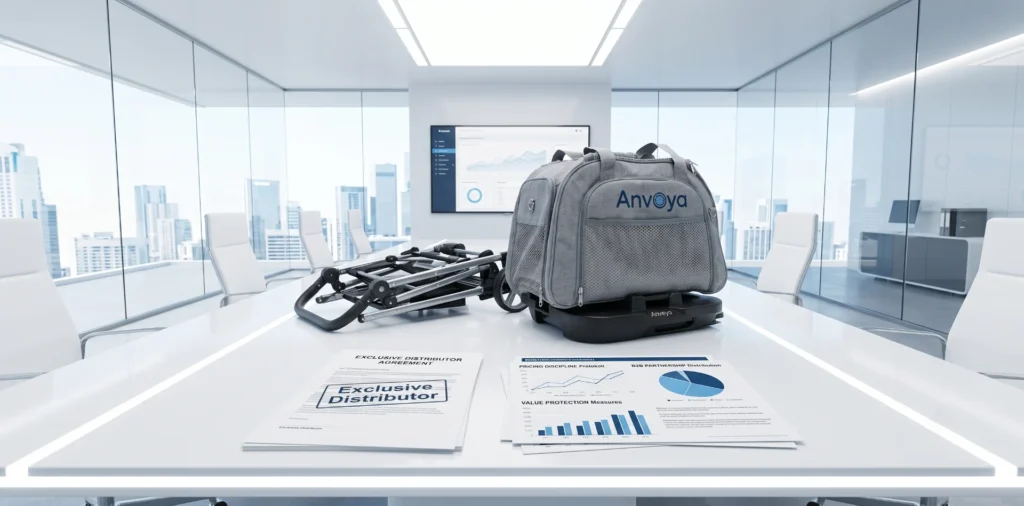
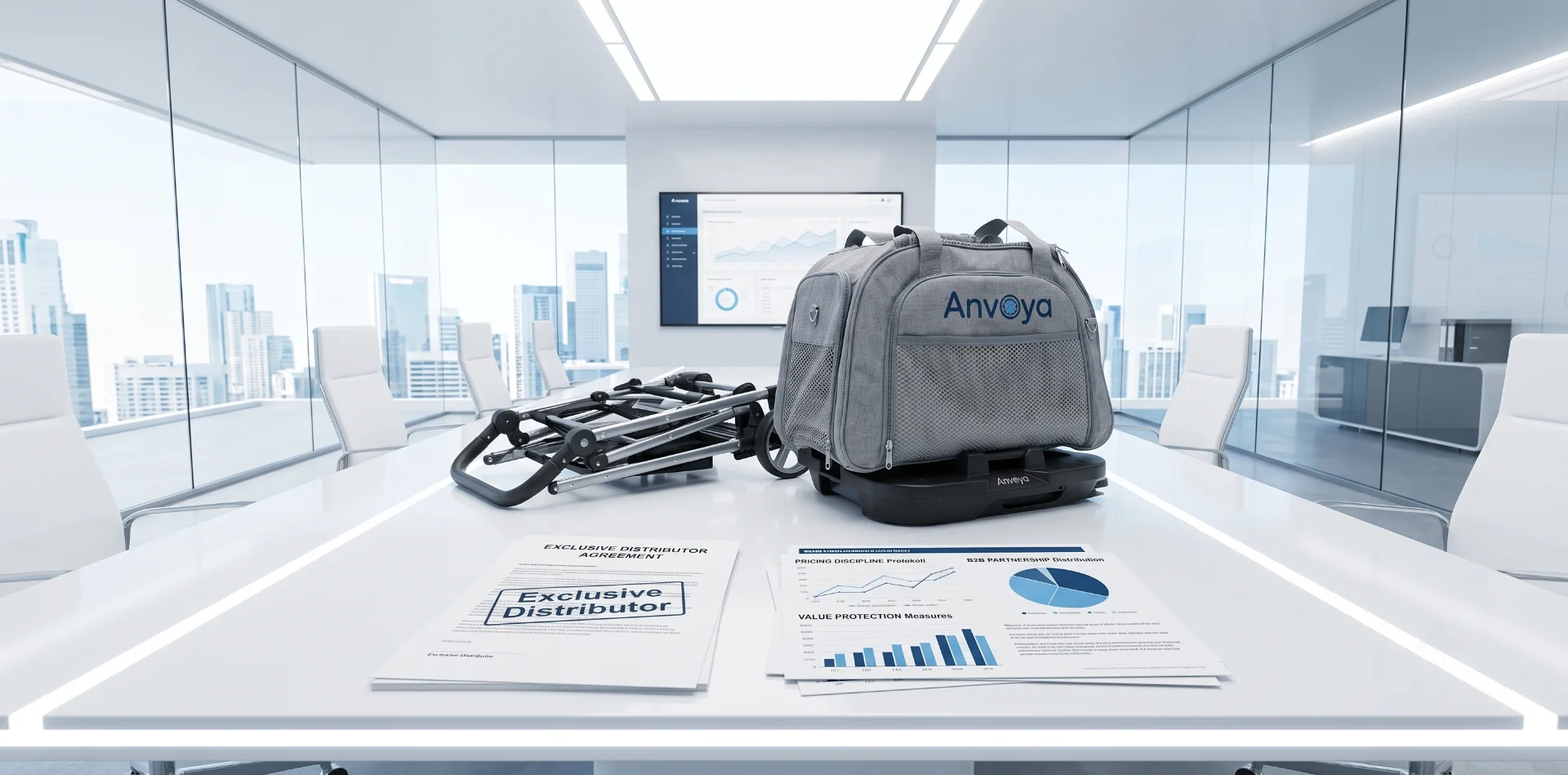
Premium pet travel needs real market work. If a distributor builds demand and then faces the same factory price, trust breaks fast.
Anvoya protects distributor value through product configuration, account handling, pricing discipline, market support, product upgrades, and after-sales planning. We believe a distributor should not build the market and then compete against the same supplier, the same product, and a lower direct price.
Premium pet travel products are not simple impulse items. They need local stock, showroom samples, retailer training, product explanation, and after-sales support. A distributor often spends money before the first strong sales result appears. At Anvoya, we treat that investment as part of the business model, not as a small detail after the order.
Why Do Premium Pet Travel Products Need Stronger Distributor Protection?
Low-value pet accessories can often sell through price, color, and convenience. Premium pet travel systems need more explanation, more stock planning, and more trust.
A distributor needs stronger protection because modular pet travel systems carry higher inventory cost, higher freight cost, longer sales cycles, and more education work. The more effort a distributor must invest before the sale, the more important it becomes to protect the value created after the sale.
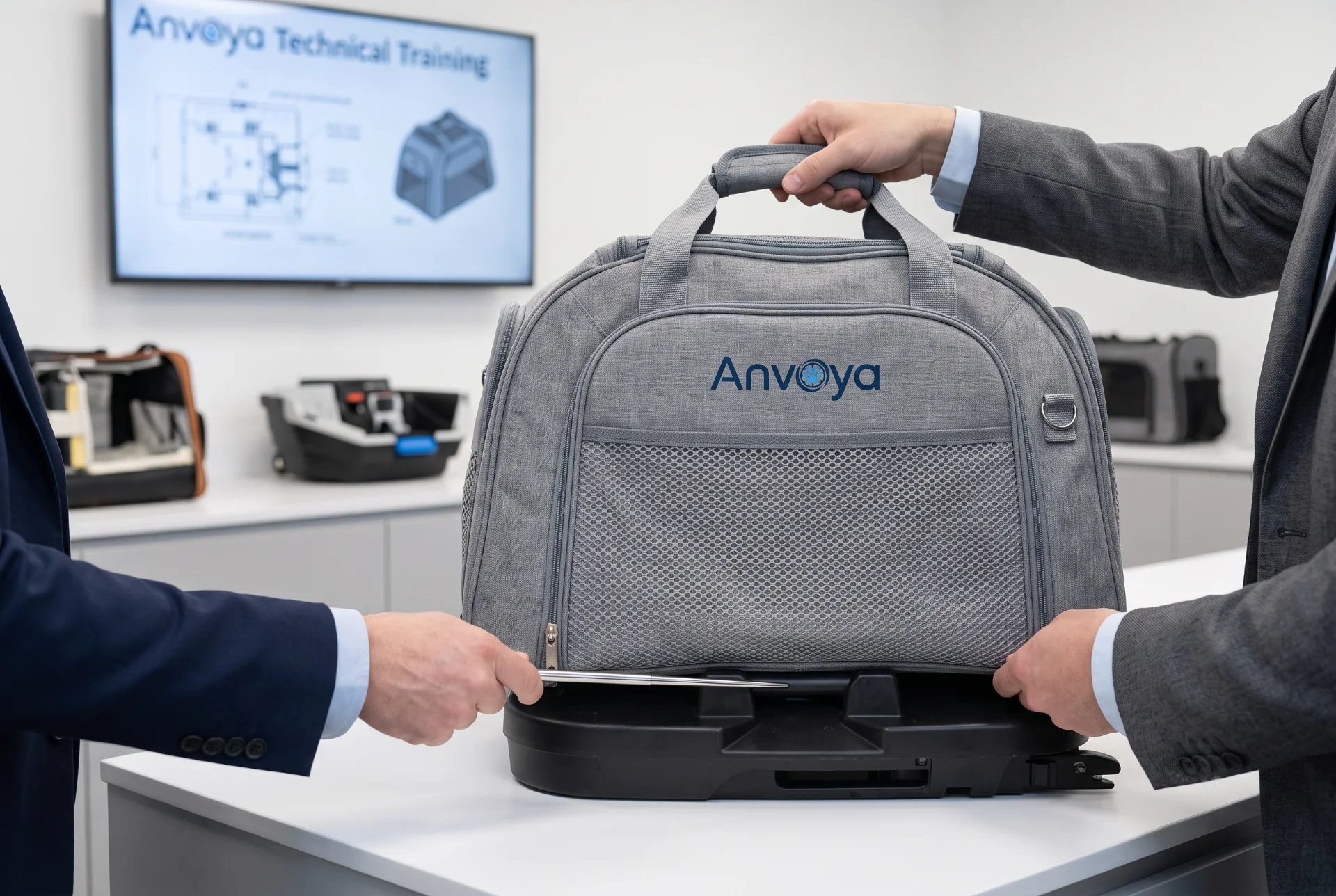
A modular pet travel system is not only a pet stroller. It may include a carrier, a stroller frame, a BASE-X vehicle base, adapters, cushions, liners, and spare parts. The local team may need to show how the carrier connects to the stroller. They may need to explain how BASE-X helps secure the carrier in the vehicle. They may need to train retailers on the difference between loose placement, simple straps, and a controlled attachment system.
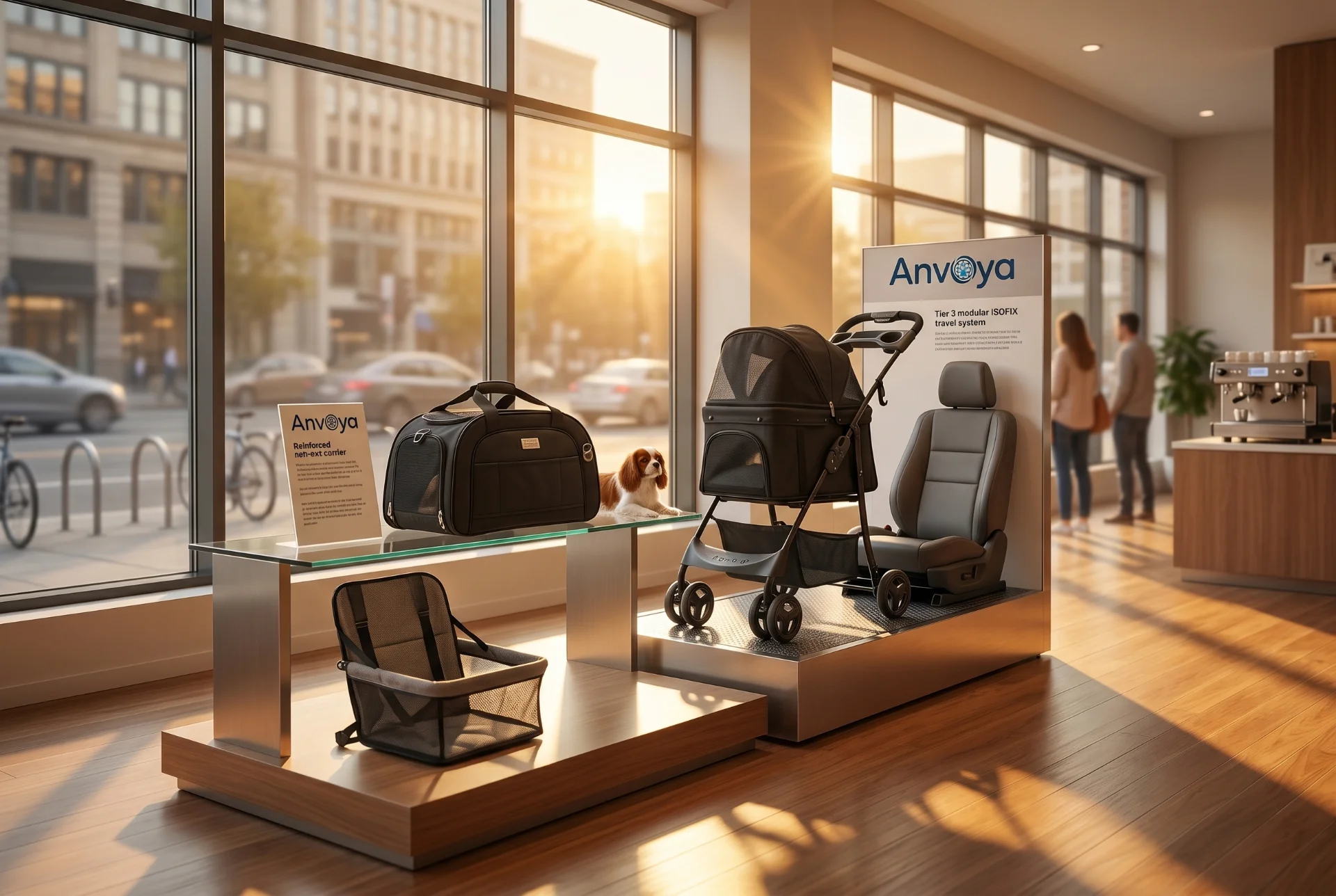
We have seen that this type of product needs a better sales setting. A retailer may need one open sample on the floor. A distributor may need staff who can explain car, walk, and carry scenarios. The distributor may also need to answer installation questions after the sale.
| Distributor Investment Area | Why It Matters |
|---|---|
| Local stock | Customers and retailers expect faster supply |
| Showroom samples | The system is easier to understand when people can touch it |
| Retailer training | Staff need to explain the product correctly |
| Advertising | The category often needs education before demand grows |
| Spare parts | Small issues should not become full-product returns |
| After-sales support | Trust affects repeat orders and retailer confidence |
The more serious the product, the more serious the protection should be.
Why Does Anvoya Avoid Undifferentiated Product Placement?
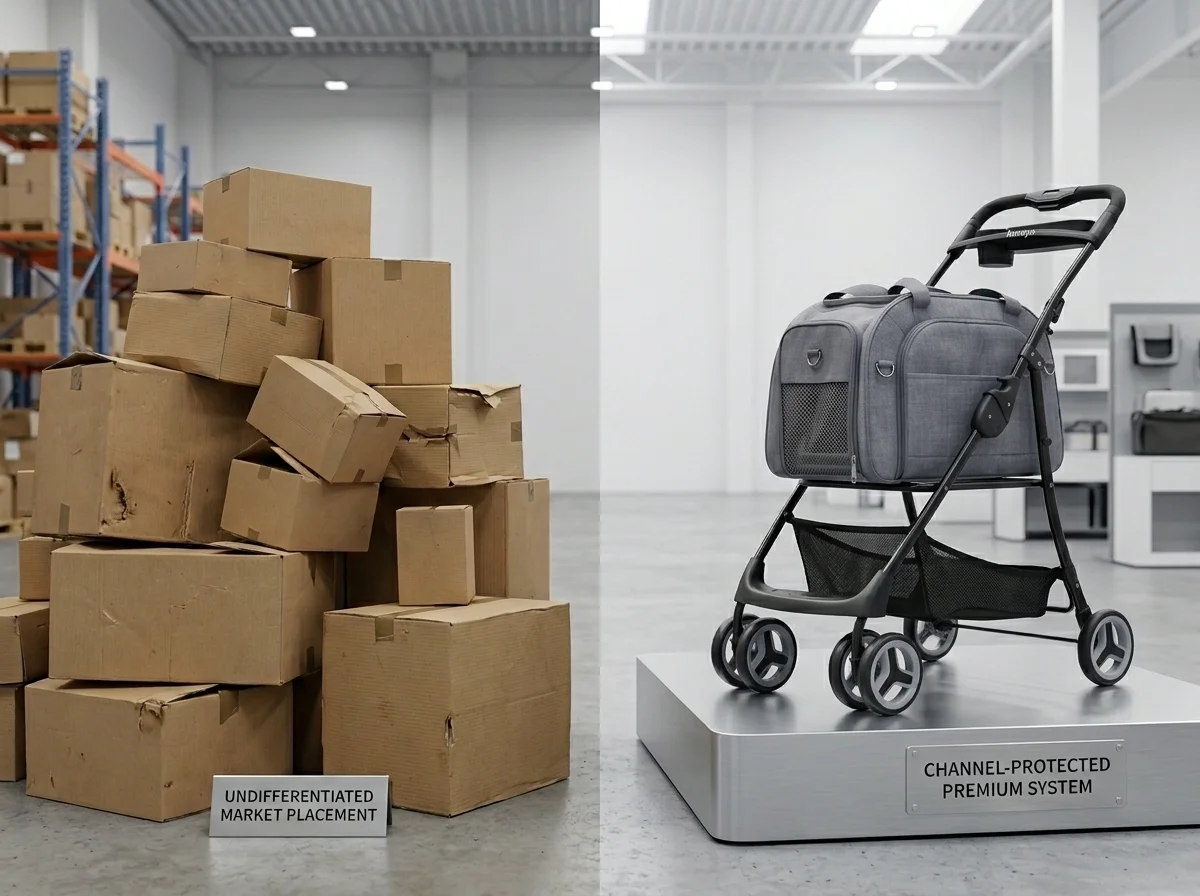
Placing the same configuration with many sellers in one market may create short-term orders. It can also create price conflict and weak brand value.
Anvoya does not rely on selling identical products to as many buyers as possible. We prefer to help serious partners build differentiated product lines with enough margin, support, and long-term value to justify local investment.
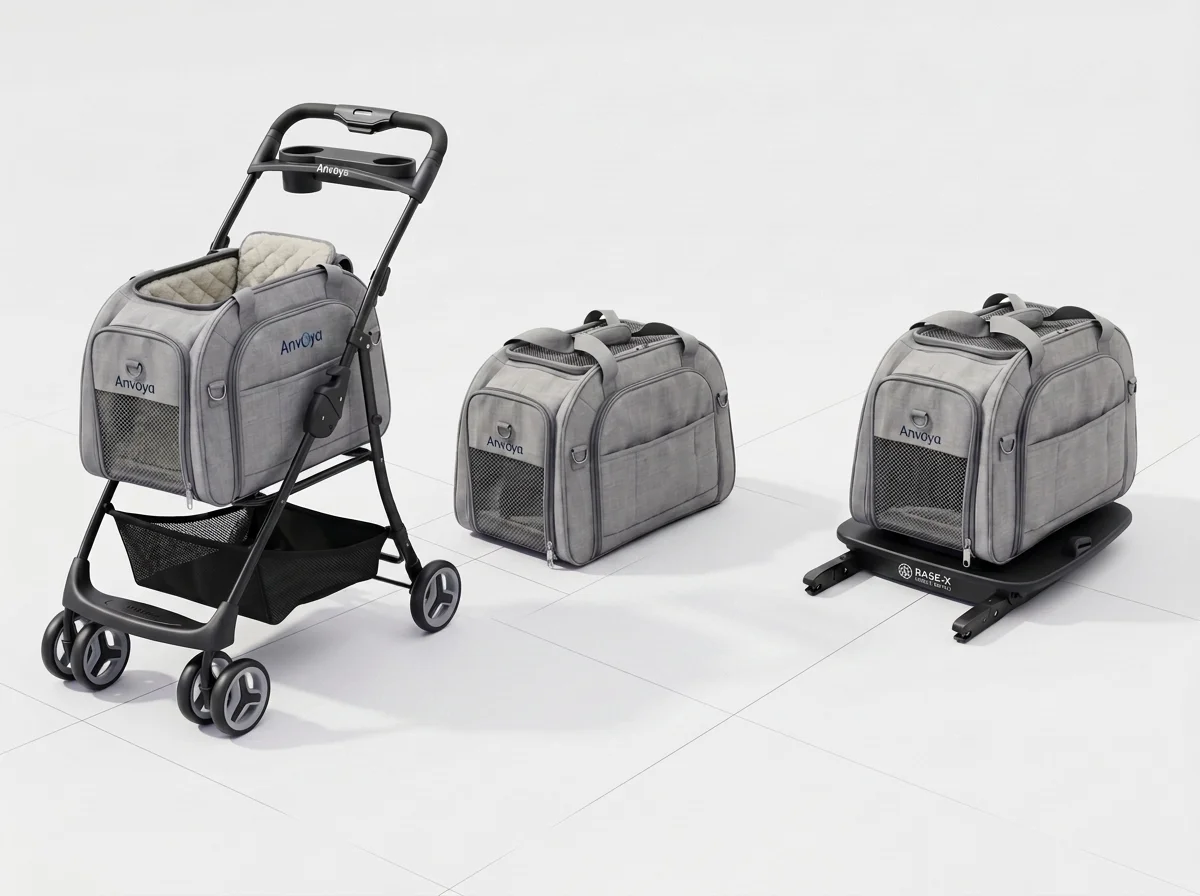
If several local sellers offer the same model number, the same color, the same bundle, and the same packaging, the market quickly becomes a price comparison. Retailers ask for discounts. Online sellers cut the price. The distributor begins to ask why they invested in samples, training, and advertising.
This is why distributor protection often starts with product configuration, not only with a contract. A contract may say one thing. The product offer may create a different reality. If the same product is too easy to compare, the distributor has less room to protect value.
Anvoya can structure products in different ways for different partners.
| Configuration Area | Possible Difference |
|---|---|
| Carrier design | Shape, fabric, lining, cushion, structure |
| Stroller frame | Frame color, wheel set, handle finish |
| BASE-X | Included, optional, or bundled with selected carriers |
| Accessories | Rain cover, liner, storage bag, spare cushion |
| Branding | Model name, logo, badge, packaging |
| Bundle | Stroller only, carrier set, complete travel system |
| Market story | Urban, lightweight, premium, outdoor, vehicle-ready |
The goal is not to create useless complexity. The goal is to give each serious distributor a clearer reason to sell, explain, and defend the product.
How Can Product Configuration Reduce Direct Price Comparison?
Direct price comparison becomes harder when the product offer is built around the distributor’s market, channel, and customer group.
Product configuration helps protect distributor value because buyers compare less by one global model number. A local partner can build a clearer retail story, control promotion better, and match the offer to local customer needs.
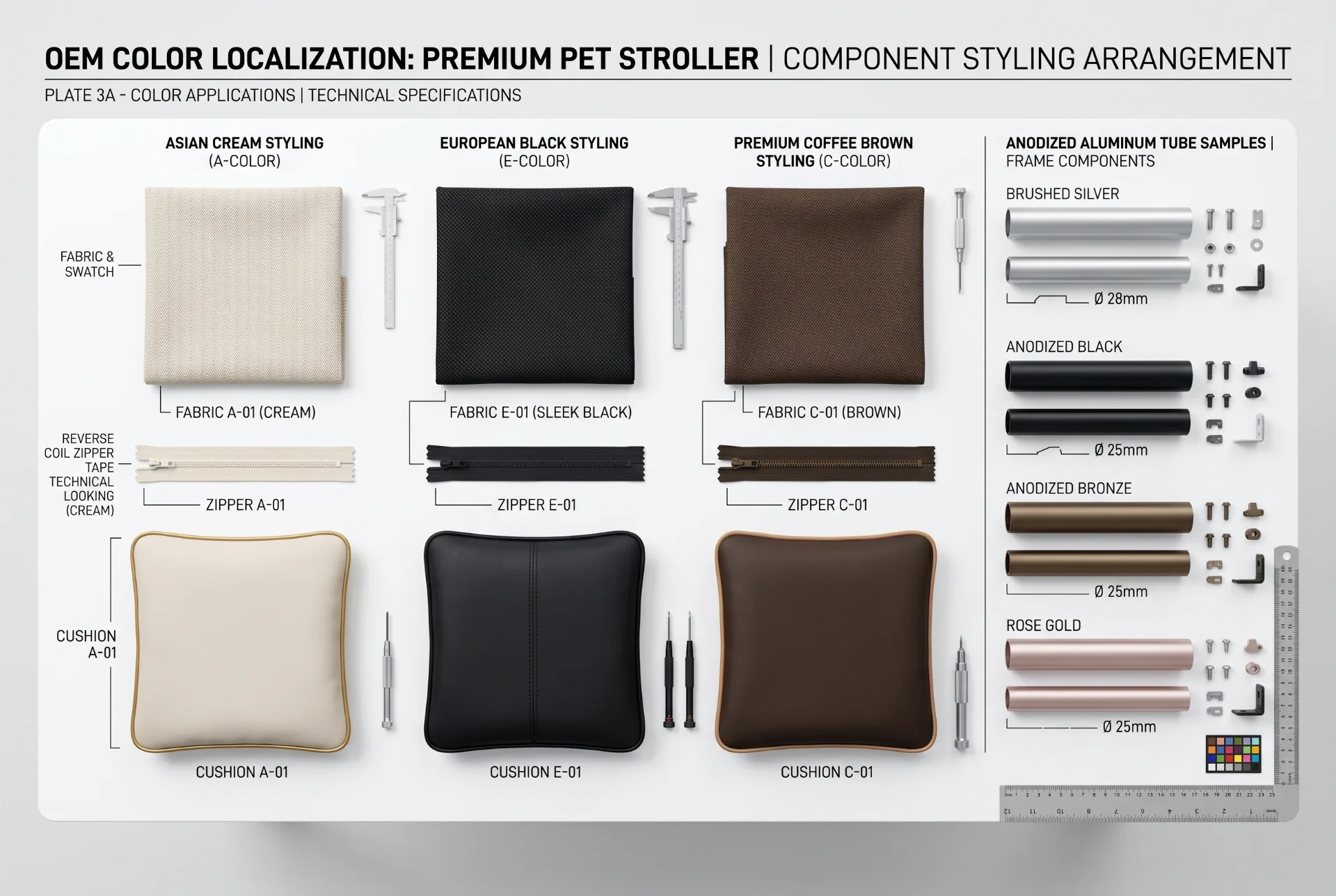
A distributor may want a complete premium travel system with stroller, carrier, BASE-X, cushion, and selected accessories. Another partner may need a lighter e-commerce bundle with fewer colors and simpler packaging. A third partner may already own a strong carrier product and may only need a BASE-X upgrade path.
These are not the same commercial offers. They should not be treated as the same product in the market.
| Product Area | Distributor-Specific Difference |
|---|---|
| Carrier | Shape, fabric, structure, lining, cushion |
| Stroller frame | Color, wheel set, handle finish |
| BASE-X | Included, optional, or bundled |
| Accessories | Rain cover, liner, bag, spare cushion |
| Branding | Model name, logo, badge, packaging |
| Product bundle | Stroller only, stroller plus carrier, complete system |
| Market positioning | Urban, premium, lightweight, outdoor, vehicle-ready |
This approach gives the distributor a better price story. It also helps retailers explain why one offer costs more than another. The harder a product is to compare only by model number, the easier it is for a distributor to protect its value.
How Does Anvoya Protect Distributor-Developed Accounts?
A distributor may spend months developing one retailer, platform, or brand. That account should not be lost only because the customer later finds the factory.
Anvoya can record distributor-developed accounts and active projects. We can review direct inquiries based on who first introduced the opportunity, who is actively working on it, and whether a real project is still moving.
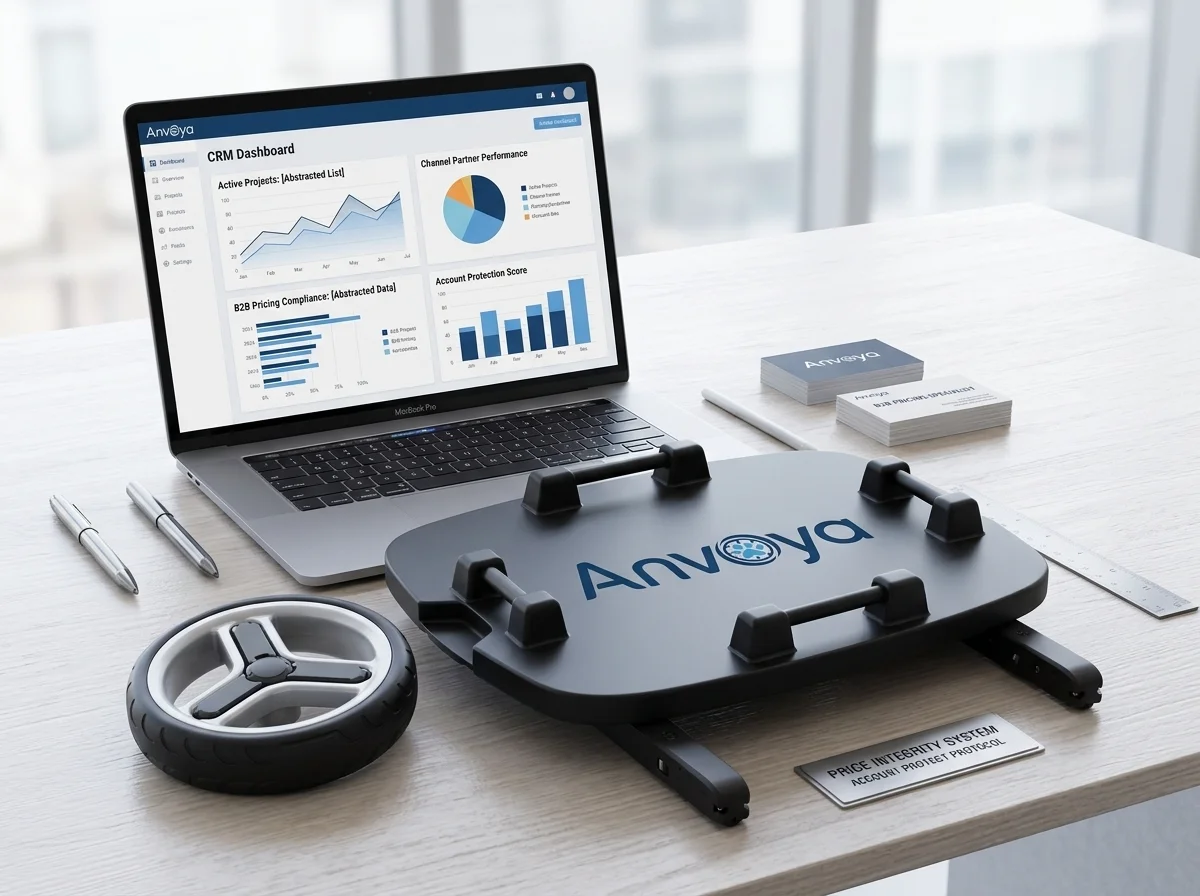
This issue happens often in B2B work. A distributor introduces a pet retail chain. They send samples. They train staff. They follow the buyer for months. Then the buyer meets us at an exhibition or finds our website. If we quote that buyer directly without checking the background, we damage the distributor’s trust.
We believe this should be handled with clear project records. When a distributor develops an account, we can record the customer name, project status, product interest, expected launch time, and communication history. If the same customer later contacts us, we can check the record before quoting.
A practical account protection system may include:
- recording distributor-developed accounts
- confirming who first introduced the opportunity
- avoiding parallel quotations on active projects
- referring direct inquiries back to the distributor where suitable
- using a defined project-protection period
- reviewing inactive projects before extending protection
- checking unclear account ownership before quoting
This protection should be fair. It should not block an account forever if no real work is happening. It should apply when the distributor is actively developing the project and doing real market work.
A distributor should not lose an account simply because the end customer eventually discovers the factory.
How Should Factory Pricing Leave Room for a Real Distribution Business?
Distributor margin must cover much more than product cost. It must support the whole local business.
Our pricing should leave room for the distributor to build a real business, not only complete one transaction. A distributor needs margin for import costs, stock, retailer margin, marketing, returns, spare parts, and customer service.
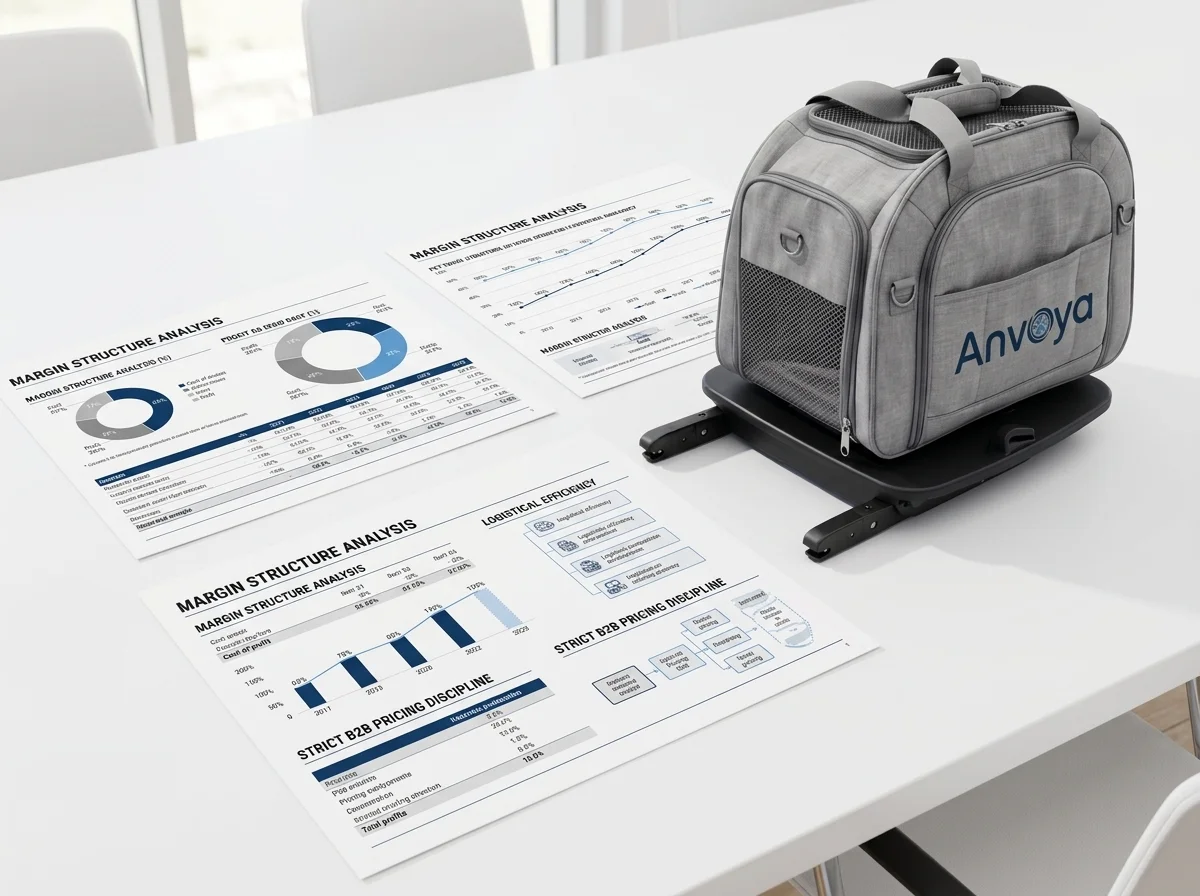
A premium pet travel distributor carries many hidden costs. Freight is higher because the products are bulky. Storage costs are higher because stroller systems take space. Retailers need margin. Samples cost money. Exhibitions cost money. Local staff cost money. Returns and service also cost money.
If a factory quotes an end buyer at almost the same price as the distributor, the distributor’s model becomes impossible. This is not only a price issue. It is a trust issue.
Anvoya’s pricing thinking is simple. We keep a B2B position. We avoid spreading destructive bottom prices. We review direct inquiries according to territory, account status, and partner status. We separate sample pricing from sustainable market pricing. A small direct order should not damage a larger channel relationship.
| Pricing Area | Practical Principle |
|---|---|
| Distributor price | Should support import, stock, and resale |
| Retail margin | Should be considered before market launch |
| Sample price | Should not become the public market price |
| Direct inquiry | Should be checked against active partners |
| Promotion | Should not destroy long-term price structure |
The goal is not to make pricing rigid. The goal is to keep enough room for a real distribution business.
How Should Protection Grow with Distributor Investment?
Distributor protection should not be all-or-nothing. It should match the distributor’s real market work and sales performance.
A small trial order does not justify permanent national exclusivity. A serious launch with stock, training, marketing, and retailer development deserves stronger protection than a normal buyer relationship.
This is the fairest way to build trust. A new distributor may start with samples or a trial order. At that stage, we can record projects and discuss limited protection. If the partner launches actively, builds channels, and keeps stock, the protection can become stronger. If sales become stable, we can discuss wider product, channel, or regional protection.
| Cooperation Stage | Possible Protection |
|---|---|
| Sample evaluation | Short-term project recording |
| Trial order | Defined product or account protection |
| Active launch | Channel or territory-based protection |
| Stable reorder stage | Expanded product and regional protection |
| Strategic partnership | Exclusivity discussion and deeper customization |
Conditions may include purchase commitment, annual volume, launch plan, marketing activity, retailer development, payment performance, local stock, sales reporting, and after-sales capability.
This structure protects both sides. The distributor has a clear path to stronger protection. Anvoya can also avoid blocking a full market after only one small order. Protection should grow with the distributor’s market investment and sales performance.
What Kind of Regional Exclusivity Is Useful?
“Exclusive distributor” can mean many different things. It must be clear before both sides invest.
A clear and realistic protection scope is more useful than a broad exclusivity promise that cannot be maintained. The agreement should define territory, channels, product range, configurations, customers, time period, targets, and review rules.

Full national exclusivity may be useful in some cases. In other cases, product exclusivity, channel exclusivity, or account exclusivity may work better. A distributor may be strong in pet retail but not in e-commerce. Another partner may be strong in department stores but not in wholesale. A broad promise can create conflict if the details are not clear.
The agreement should clarify:
- country or territory
- online and offline channels
- product range
- specific configurations
- customer categories
- exclusivity period
- annual purchase target
- launch deadline
- review period
- consequences of missed targets
- treatment of existing accounts
- treatment of global key accounts
Territory Exclusivity
This protects a distributor within a defined country or region.
Channel Exclusivity
This protects selected channels, such as pet retail, department stores, or premium lifestyle stores.
Product Exclusivity
This protects a specific AERO, BASE-X, or customized configuration.
Account Exclusivity
This protects named retailers or projects developed by the distributor.
The best scope is the one both sides can manage in real business.
Why Should Existing Distributors Receive Priority on Product Upgrades?
Product upgrades can create market excitement. They can also create anxiety for current distributors.
A distributor who helped build the market should not be the last to hear about the next product. Existing active partners should receive early notice, priority samples, compatibility information, and transition planning where possible.
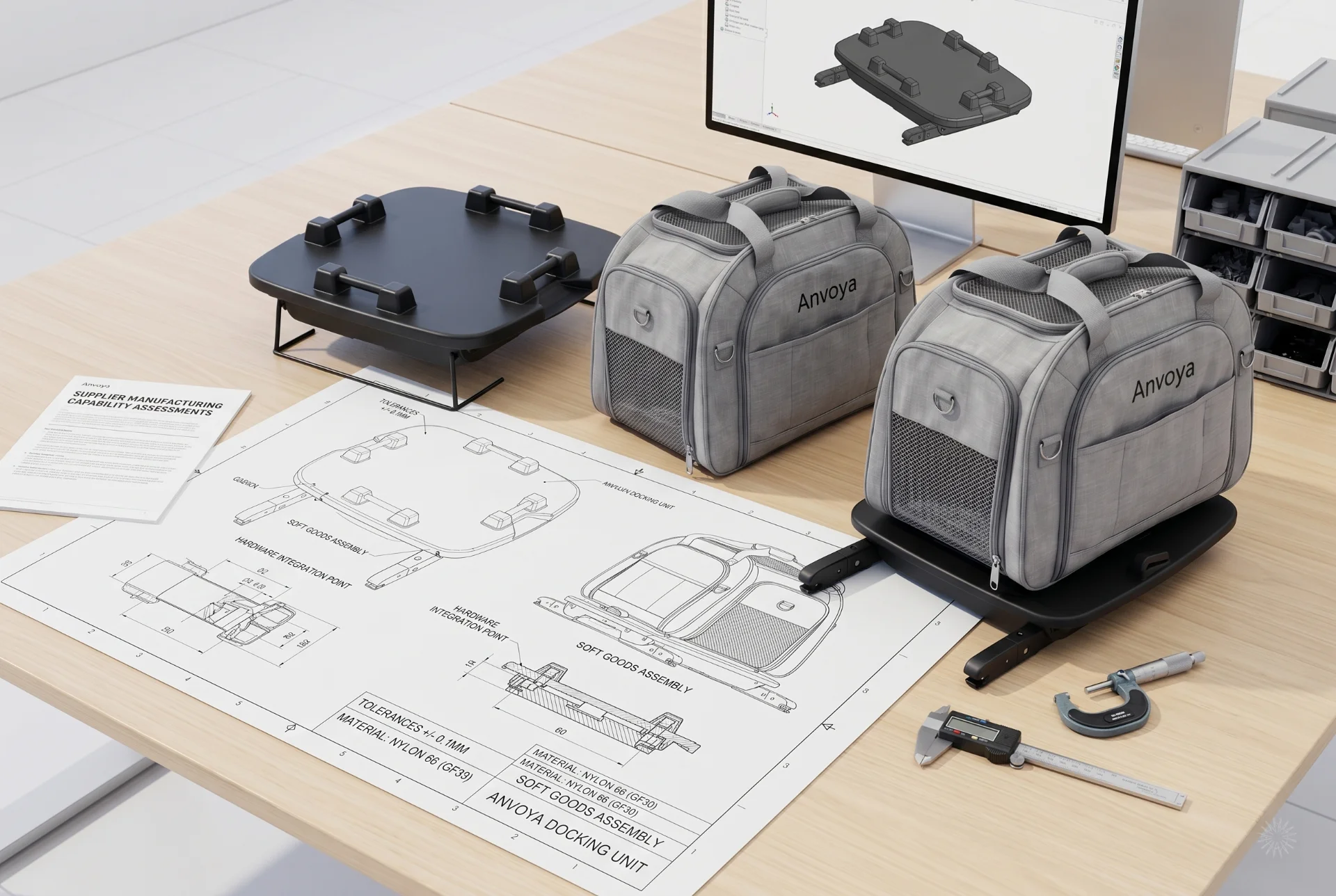
A product update can affect current stock. A new carrier design may make the old version harder to sell. A new cushion may change the retail story. A new BASE-X adapter may raise questions about compatibility. If the distributor hears about the upgrade from a competitor, trust drops quickly.
We can support existing partners with a more planned approach. We can give early notice before public launch. We can share priority samples. We can explain which accessories stay compatible. We can discuss how to sell current inventory before the new version arrives. We can also provide upgrade packages where suitable.
Product updates may include:
- new carrier designs
- new colors
- updated cushions
- wheel options
- BASE-X adapters
- extra accessories
- improved docking parts
- updated packaging
A distributor who invested in education and retail development should have a fair chance to benefit from the next product step.
How Does Market Education Support Protect Distributor Investment?
Premium pet travel systems often require category education. The distributor is not only selling a product. They are teaching the market how to use it.
Channel protection is not only about limiting competition. It is also about helping the distributor recover the cost of building the category through images, videos, training sheets, FAQs, display guidance, and careful safety messaging.
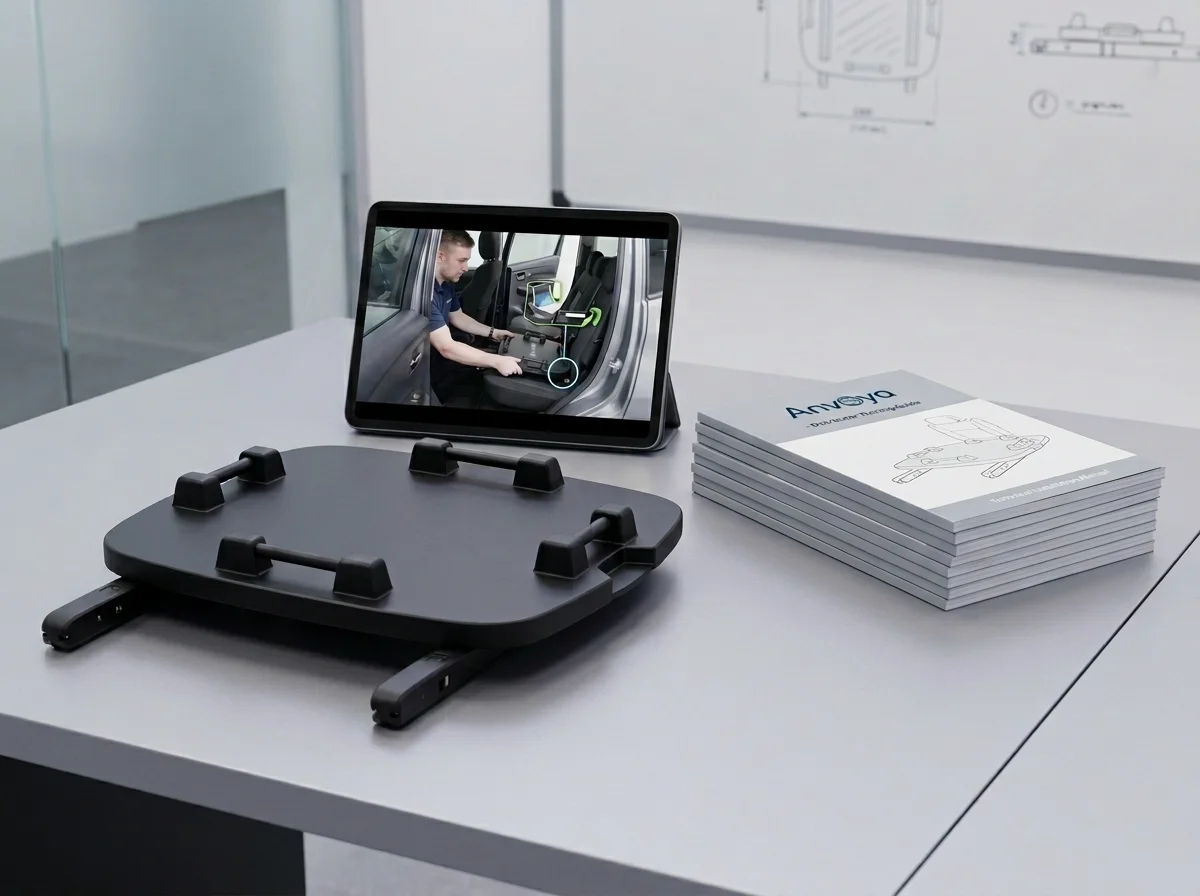
Many pet owners understand a normal stroller. Fewer understand a modular travel system that moves from car to walk to carry. Fewer still understand why restraint during vehicle travel matters. This is where the distributor needs support.
Anvoya can help with white-background images, lifestyle images, installation videos, stroller-to-car demonstrations, product comparison content, retailer training sheets, FAQs, display guidance, specifications, and localized website content.
The safety message must be careful. Pet car seats do not have the same unified mandatory crash-test certification system as child car seats. We should not claim absolute safety. We should not suggest that pet travel products are legally certified like child restraints.
We can explain our real approach:
- controlled attachment
- reduced uncontrolled movement
- more stable vehicle use
- automotive-inspired development logic
- correct installation
- misuse reduction
- stronger structural thinking
This honest education helps distributors sell with confidence. It also protects the brand from exaggerated claims.
How Do Spare Parts Protect the Distributor’s Margin?
After-sales issues can destroy profit if every small problem becomes a full-product return.
Spare parts protect more than the customer experience. They protect the distributor’s margin after the product has already been sold by reducing full replacements, refunds, local collection costs, and retailer compensation.
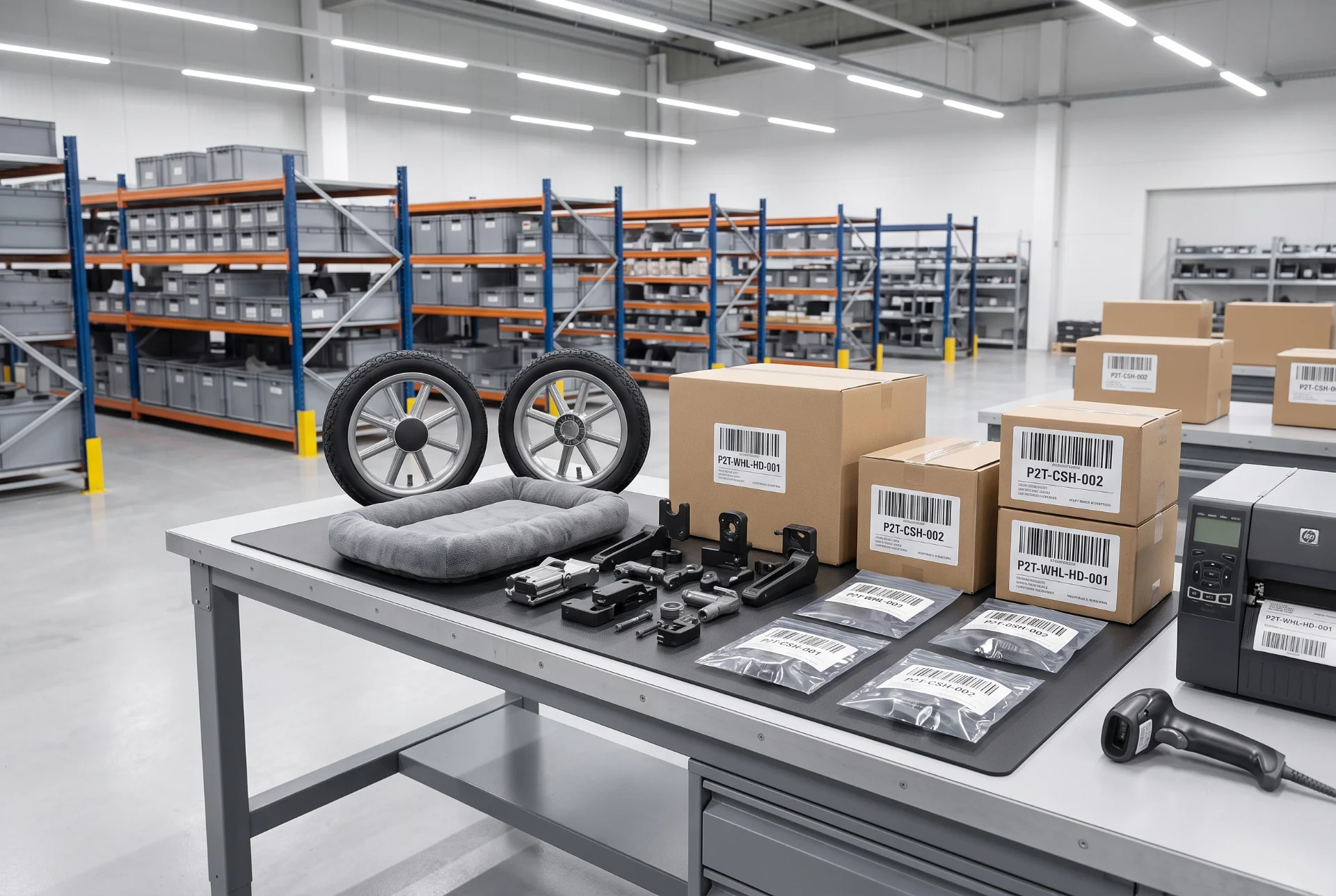
A distributor may earn margin on the first sale. That margin can disappear fast if after-sales planning is weak. One broken wheel, one missing connector, or one damaged cushion should not always require a new stroller or a full refund.
A practical spare-parts plan helps the distributor solve small problems locally. It also gives retailers more confidence. Retailers do not want every service case to become a long international discussion.
A spare-parts plan may include:
- wheels
- cushions
- liners
- connectors
- locking parts
- docking adapters
- BASE-X components
- compatible replacement carriers
- product-version records
- installation videos
Version control is important. If a stroller frame, carrier, or adapter changes, the distributor needs to know which spare part fits which version. This small detail protects money, time, and customer trust.
How Can Channel-Specific Bundles Protect Distributor Value?
Different channels do not always need different products, but they often need different product offers.
Channel-specific bundles help protect local price positioning, retailer margins, product comparison, promotional strategy, and inventory planning. A premium showroom, a mainstream retailer, and an e-commerce seller may need different offers.
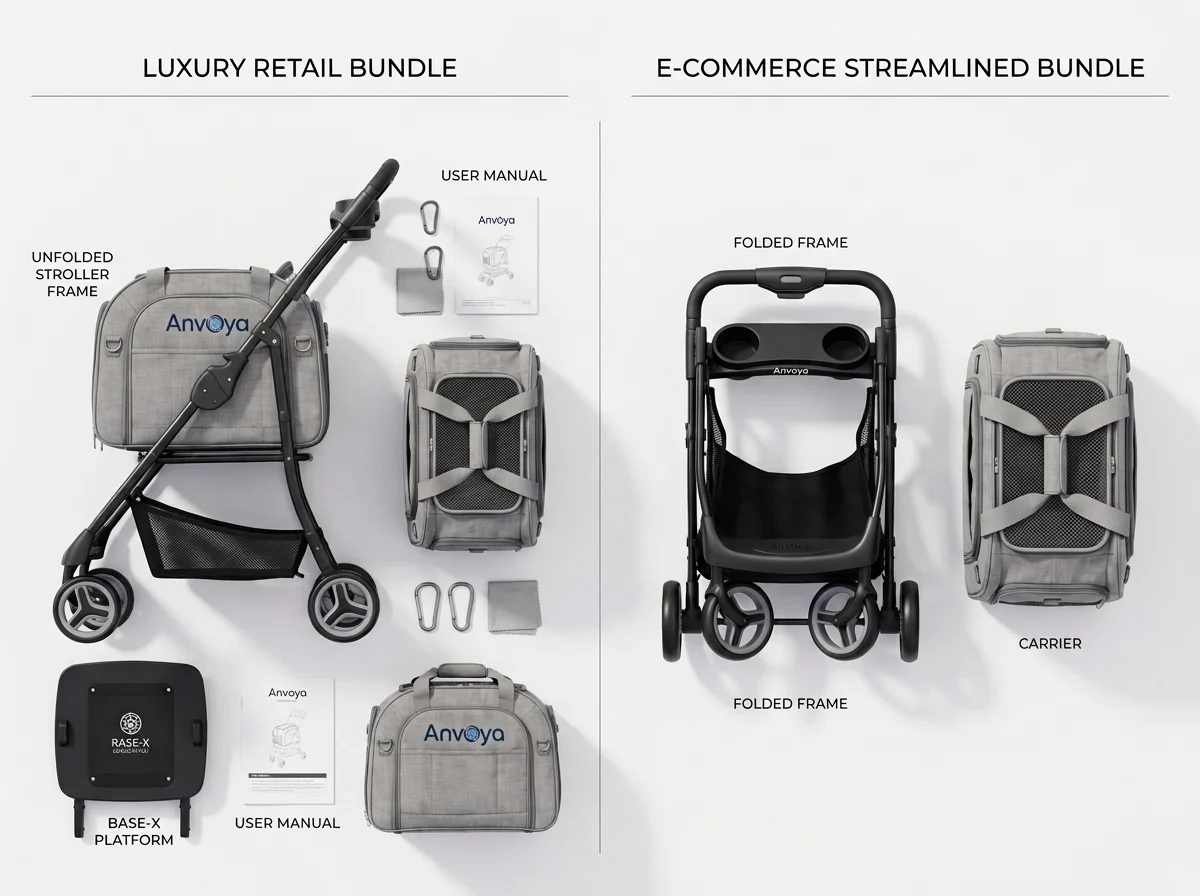
A premium retail store may want the strongest story. The bundle may include stroller, carrier, BASE-X, premium cushion, and selected accessories. The product needs to feel complete. The price can support a high-end display.
A mainstream retailer may need a more practical offer. The bundle may include stroller and carrier, with BASE-X as an optional upgrade. This makes the entry price easier to accept.
An e-commerce seller may care more about compact packaging, easy assembly, clear video instructions, and fewer color choices. This reduces returns and makes online listing easier.
A brand that already sells carriers may need a different path. The offer may include bottom reinforcement, docking interface, BASE-X compatibility, and stroller adapter development where required.
| Channel | Possible Bundle |
|---|---|
| Premium retail | Stroller, carrier, BASE-X, premium cushion, accessories |
| Mainstream retail | Stroller and carrier, optional BASE-X |
| E-commerce | Compact packaging, video support, simple accessories |
| Existing carrier brand | Carrier upgrade, docking interface, BASE-X compatibility |
This approach lets each partner sell with a clear reason.
What Does Anvoya Expect from Protected Distribution Partners?
Distributor protection should come with real market commitment. Protection works best when both sides contribute.
A protected market works best when the supplier protects the partner and the partner actively develops the market. Anvoya expects clear launch work, reasonable stock, sales communication, customer support, and respect for agreed pricing structures.

Protection should not become a reason to keep a market inactive. If a distributor receives protection, they should use it to build sales, not to block other opportunities. This is important for both sides.
We may expect protected partners to:
- actively launch the product
- keep reasonable local stock
- provide sales forecasts
- respect agreed pricing structures
- avoid destructive discounting
- train retailers
- support customers locally
- provide market feedback
- maintain brand presentation
- meet agreed purchase targets
- communicate active projects clearly
This balance keeps the relationship healthy. The distributor receives confidence to invest. Anvoya receives a partner who is building real market value. When both sides work in this way, protection becomes a tool for growth, not a passive promise.
What Practical Framework Can Distributors Use with Anvoya?
A clear checklist helps both sides avoid confusion before launch.
A practical distributor protection framework should cover product configuration, account handling, pricing, territory, channels, market support, after-sales planning, and performance review. Clear records reduce conflict and protect serious market work.
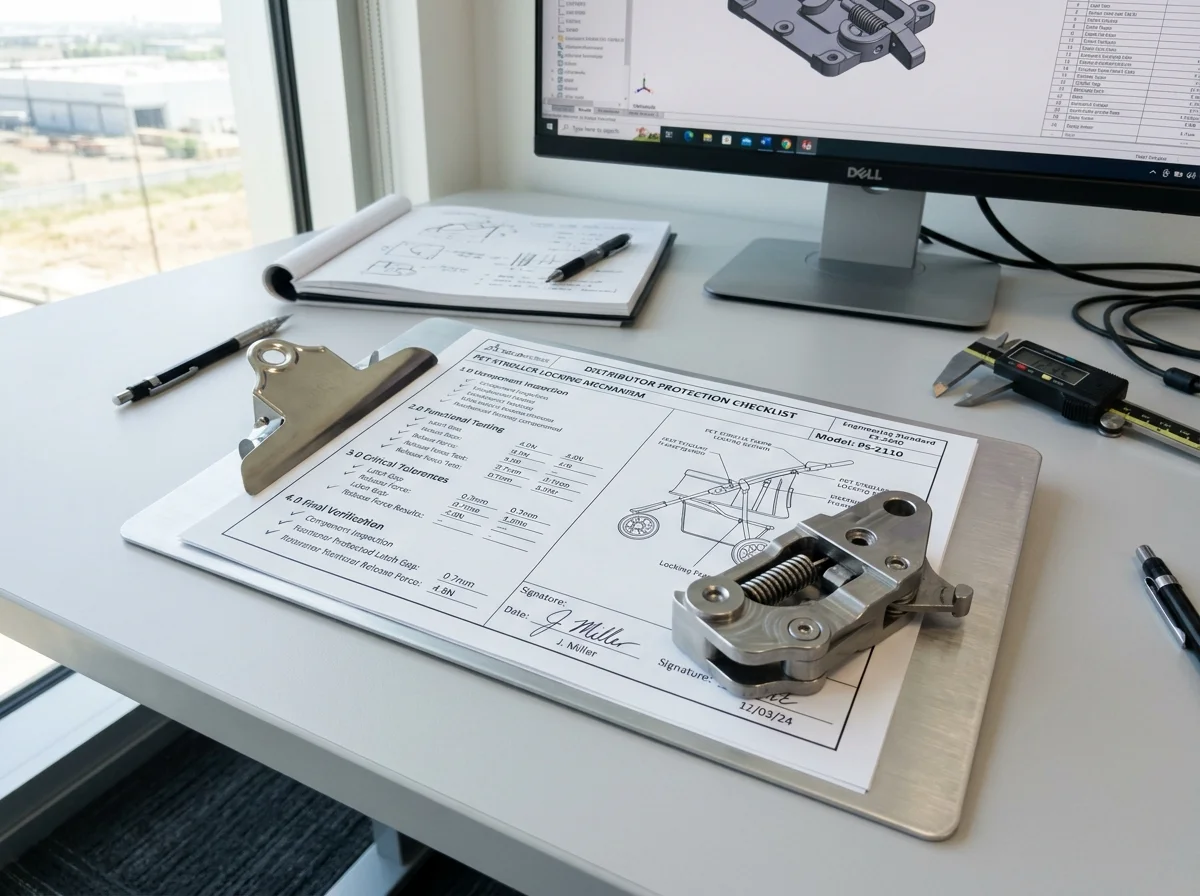
Product Protection
- [ ] Distributor-specific configuration defined
- [ ] Product names and SKUs recorded
- [ ] Exclusive or shared components clarified
- [ ] Future compatibility discussed
Account Protection
- [ ] Active accounts registered
- [ ] Project status updated
- [ ] Protection period defined
- [ ] Direct inquiry handling agreed
Pricing Protection
- [ ] Distributor pricing structure confirmed
- [ ] Retail margin considered
- [ ] Promotional rules discussed
- [ ] Direct inquiry policy clarified
Territory and Channel
- [ ] Territory defined
- [ ] Sales channels defined
- [ ] Product scope defined
- [ ] Existing accounts excluded or included
Market Support
- [ ] Product images supplied
- [ ] Installation videos prepared
- [ ] Retail training materials available
- [ ] Localized content discussed
After-Sales
- [ ] Spare-parts list prepared
- [ ] Local stock recommendation confirmed
- [ ] Compatibility records maintained
- [ ] Response process agreed
Performance Review
- [ ] Sales target agreed
- [ ] Review period defined
- [ ] Reorder expectations discussed
- [ ] Protection upgrade conditions confirmed
This checklist is not complex. It is practical. It makes the relationship easier to manage after orders begin.
How Does Anvoya Build Long-Term Distributor Partnerships?
Anvoya does not only ship products into a territory. We want to help partners build product lines that remain commercially defensible.
Anvoya supports serious distributors through differentiated configurations, account recording, workable B2B pricing, regional localization, AERO combinations, BASE-X modular options, launch materials, retailer training, spare-parts planning, and product-update priority.
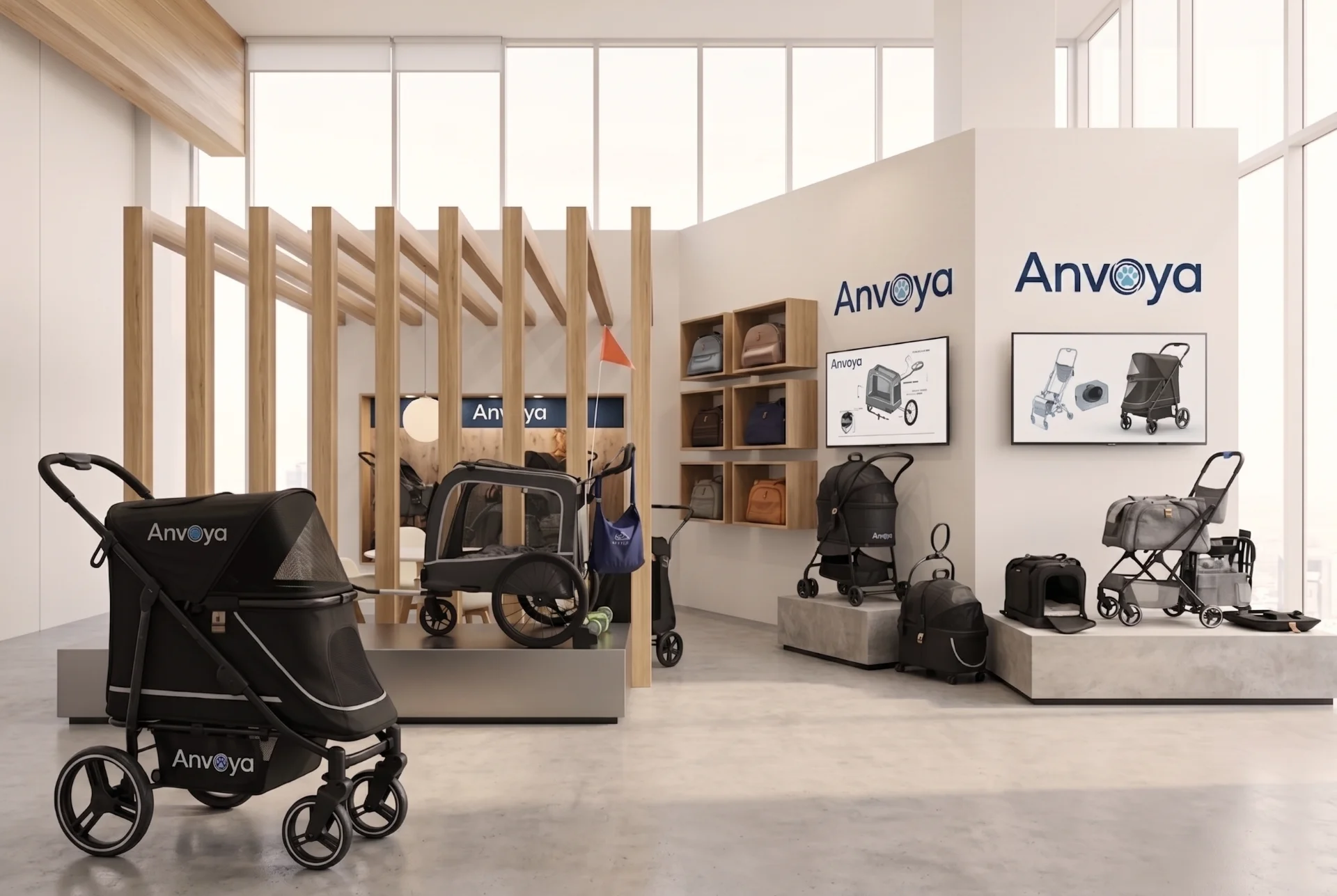
Our background in child car seats and automotive safety products shapes how we think. We do not treat pet travel as only fabric, wheels, and packaging. We look at vehicle anchoring, structural load paths, misuse prevention, tooling, materials, and production consistency. This does not mean pet products have the same certification system as child restraints. It means we use stronger engineering habits where they make sense.
For distributors, this gives more than a product. It gives a product story. BASE-X can help upgrade selected carriers into more vehicle-ready systems. AERO can support car, carry, and stroller use. Existing carrier brands can discuss modular upgrade paths. These product ideas help distributors build a category, not only sell one item.
Anvoya does not expect distributors to invest in market education while competing against the same factory, the same product, and the same price. Distributor value should be protected through practical product and account decisions, not only through one sentence in an agreement.
What Common Distributor Protection Mistakes Should Be Avoided?
Distributor protection fails when the promise is broad, but the daily business decisions do not support it.
The most common mistakes include giving exclusivity too early, selling the same configuration to many local buyers, failing to record accounts, quoting end customers too low, and treating protection as only a legal clause.
Giving National Exclusivity After One Small Order
Protection should reflect actual market commitment and performance. A trial order can receive limited protection, but full national exclusivity should need stronger proof.
Selling the Same Configuration to Several Local Buyers
This creates immediate price comparison. It also weakens the distributor’s reason to invest in samples, training, and advertising.
Failing to Record Distributor-Developed Accounts
The supplier may accidentally quote the same project twice. This can damage trust even when there was no bad intent.
Quoting End Customers at Near-Distributor Prices
This makes the distributor’s business model impossible. The distributor needs margin to cover real local costs.
Offering a New Version to a Competitor First
Existing partners lose confidence when they helped build the market but hear about upgrades too late.
Using Vague Territory Definitions
Online sales, regional chains, and key accounts can create conflict if the agreement is not clear.
Treating Protection as Only a Legal Clause
Real protection also depends on product configuration, pricing, account handling, market support, and after-sales planning.
Providing Protection Without Performance Expectations
A protected market can remain inactive if there are no launch plans, targets, or review periods.
FAQ About Anvoya Distributor Protection
Does Anvoya offer distributor protection?
Yes. Protection can be discussed according to the distributor’s market, product configuration, project activity, purchase commitment, and sales performance.
Can Anvoya protect accounts developed by a distributor?
Yes. Active accounts and projects can be recorded. Direct inquiries and parallel quotations can then be reviewed according to the existing distributor relationship.
Does every trial order receive national exclusivity?
No. Trial orders may receive limited product, project, or account protection. Broader exclusivity should grow with market investment and stable sales.
Can different distributors receive different product configurations?
Yes. Carrier design, colors, cushions, stroller options, BASE-X bundles, accessories, branding, and packaging can create market-specific offers.
How does Anvoya avoid direct price conflict?
We review pricing and direct inquiries according to territory, account activity, product configuration, and existing cooperation. The goal is to protect a workable B2B structure.
Can exclusivity apply to one product instead of the whole country?
Yes. Product, channel, account, or configuration exclusivity may be more practical than full territorial exclusivity.
What happens when Anvoya launches a product upgrade?
Existing active distributors may receive advance information, priority samples, compatibility details, and early discussion of regional launch opportunities.
How do spare parts protect distributor value?
Spare parts help avoid expensive full-product replacements. They reduce after-sales costs that can consume distributor margin after the sale.
What does Anvoya expect from a protected distributor?
Anvoya expects active market development, reasonable stock, sales communication, local customer support, brand presentation, and agreed purchasing performance.
Can BASE-X be configured differently for separate markets?
Yes. BASE-X may be bundled with different carriers, stroller frames, accessories, and market-specific product configurations.
Conclusion
Distributor protection should be visible in product configuration, account handling, pricing, upgrades, market education, and after-sales planning. Strong protection gives serious partners a reason to invest.